
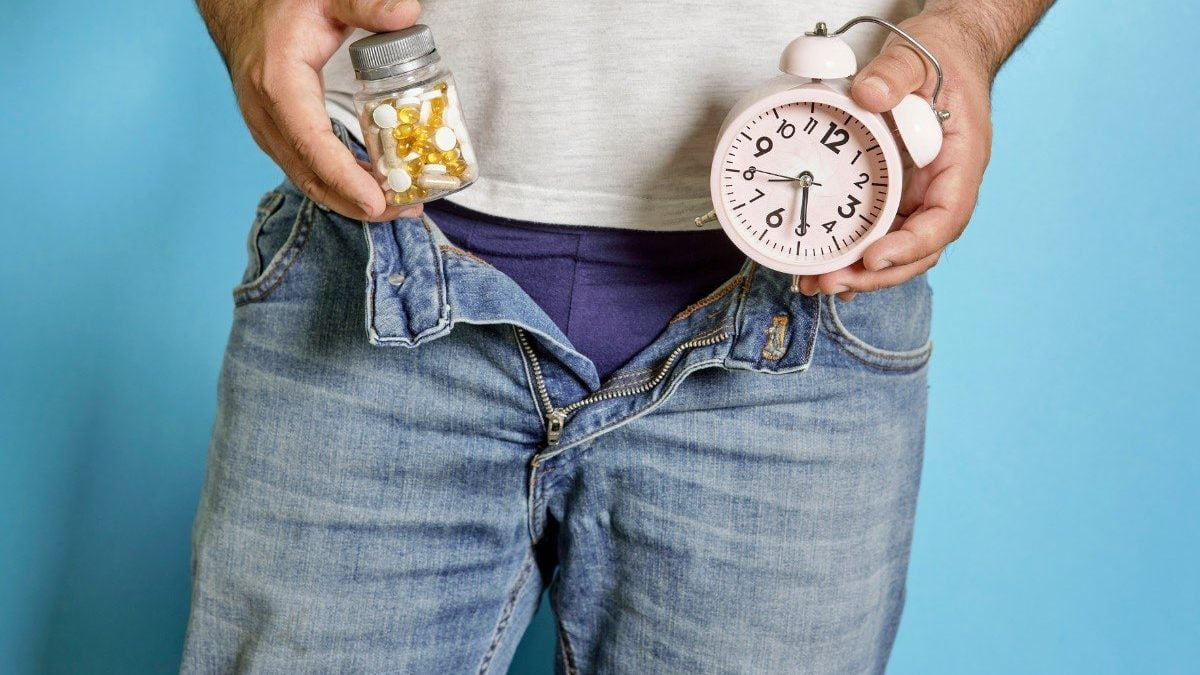
If you are asking how long does Eroxon gel last, the practical answer is: it is meant to support one sexual encounter, not an all-night erection window. Many people notice a response within minutes when sexual stimulation is present, but the useful effect can vary. Arousal, technique, skin sensitivity, alcohol, anxiety, and underlying erectile dysfunction (ED) all matter. That distinction matters because using more gel is not the right way to chase a longer effect; the safer next step is to refine timing, follow the label, and get medical advice if results stay inconsistent.
Key Takeaways
- Typical window: Think in terms of one sexual encounter, not several hours.
- Onset varies: Some users notice effects within minutes, especially with arousal.
- Technique matters: Clean skin, even application, and timing can affect results.
- More is not better: Follow the package directions instead of applying extra.
- Safety counts: Stop if irritation persists and seek urgent help for severe reactions.
How Long Does Eroxon Gel Last in Practice?
When people ask how long does Eroxon gel last, they usually want to know whether it will last through sex. The most useful answer is that it is designed for a short, activity-linked effect. It is not meant to keep an erection going for hours after sex ends. It also does not remove the need for sexual stimulation.
For some people, the effect may feel strong enough through one episode of penetrative sex. Others may feel a shorter window, especially if arousal drops, anxiety rises, or the product is applied too early. First use can also feel less predictable because you are still learning the timing and sensation.
The phrase Eroxon gel duration can be misleading if it sounds like a timer. Erections depend on blood flow, nerve signals, mental focus, and sexual context. A topical product may support that process, but it does not override every factor that affects ED.
Why it matters: A short, variable window is not the same as the product failing.
| Factor | How it may affect the useful window |
|---|---|
| Sexual stimulation | The gel is more likely to feel useful when arousal and touch are present. |
| Application timing | Applying too early may leave less effect when sex begins. |
| Skin condition | Dry, irritated, or broken skin may change sensation and comfort. |
| Alcohol or stress | Both can make erections harder to start or maintain. |
| Underlying health | Diabetes, vascular disease, medications, and low testosterone can affect response. |
If how long does Eroxon gel last seems to change each time, look for patterns before changing products. Note whether timing, alcohol intake, fatigue, condom use, or stress differed. If the gel repeatedly does not support sex, a clinician can help check for medical causes and other options.
How the Gel Creates Its Short-Lived Effect
Eroxon works locally on the penis rather than through the bloodstream like many ED tablets. It is applied to the glans, the sensitive head of the penis. The cooling and warming sensations may stimulate nerve endings and local blood-flow responses involved in erection.
This local mechanism helps explain why Eroxon gel effects can feel fast but brief. The product is trying to prompt the early steps of the erectile response. It does not treat every cause of erectile dysfunction, and it does not create desire on its own.
That difference matters when comparing it with phosphodiesterase-5 inhibitors, often called PDE5 inhibitors. Sildenafil, tadalafil, and similar medicines work through a body-wide chemical pathway that helps blood vessels in the penis relax during arousal. A topical ED gel relies more on direct sensation and the moment of sexual activity.
Neither approach is automatically better for every person. A topical option may appeal to someone who wants a non-tablet approach. Tablets may suit someone who needs a longer planning window, if they are medically appropriate. People taking nitrates or certain heart medicines should not start ED tablets without medical guidance.
Onset and Use: Getting the Timing Right
How fast the gel works depends on arousal, touch, and consistent application. Product information commonly describes a rapid onset, but real-world response can still vary. It may take a few attempts to learn the timing that fits your body and sexual routine.
Use the package directions as your main reference. In general, the practical goal is clean skin, directed application, and enough time for the sensation to develop. Avoid applying to broken, inflamed, or painful skin. If the sensation feels too strong, wash the area gently with mild soap and water.
Practical Timing Points
- Start with the label: Use the amount and method described on the package.
- Apply to clean skin: Sweat, lotions, or residue can change contact.
- Keep stimulation present: The gel supports response; it does not replace arousal.
- Avoid extra gel: More product can increase irritation without improving results.
- Track one change: Adjust timing, not several habits at once.
People often ask how to make the product work better. The safest improvements are not dramatic. Reduce distractions, limit alcohol, allow foreplay, and apply it close enough to sex that the effect has not faded. If performance anxiety is part of the pattern, addressing stress may help more than changing the amount of gel.
Quick tip: If results vary, write down timing and context after each use.
It is also important not to treat the gel as a sexual lubricant. Official product materials state it should not be used for that purpose. If you use a separate lubricant or condoms, check each product label for compatibility, especially with latex or sex toys.
Side Effects, Cautions, and When to Pause
Most side effects described with topical ED gels are local skin symptoms. These can include burning, tingling, itching, redness, soreness, or numbness. Mild sensations may be expected, but discomfort that persists is a reason to stop using the product and speak with a healthcare professional.
Partner exposure can also happen during sex. A partner may notice warmth, tingling, irritation, or taste from transfer. Wiping away excess and waiting briefly before contact may reduce transfer, but the label should guide use. If either partner develops rash, swelling, or ongoing pain, wash the area and pause use.
Use Extra Caution If
- Skin is irritated: Dermatitis, cuts, or sores may worsen discomfort.
- Allergies are known: Review ingredients if you react to topical products.
- Pain occurs: Pain is not a goal of treatment.
- Results stay poor: Ongoing ED can have medical causes.
- Symptoms are severe: Swelling, trouble breathing, or widespread rash needs urgent care.
Seek urgent medical care for a painful erection or an erection lasting longer than four hours. This warning is commonly discussed with ED treatments because prolonged erections can harm penile tissue. It is uncommon, but it should not be ignored.
Erectile dysfunction itself deserves attention, especially when it is new, worsening, or paired with chest pain, shortness of breath, leg pain with walking, diabetes symptoms, or low mood. ED can overlap with cardiovascular, hormonal, neurologic, medication-related, and mental health factors. A medical review can help separate a situational problem from a health signal.
How It Compares With Tablets, Lubricants, and Sexual Health Care
A topical gel and ED tablets solve different problems. The gel is used at the time of sex and works through local sensation. PDE5 tablets are systemic medicines, and their timing, interactions, and duration differ by drug. This is why the question how long does Eroxon gel last should be kept separate from how long sildenafil or tadalafil may last.
Tablets may offer a broader time window for some people, but they are not suitable for everyone. They can interact with nitrates and some other medicines. They may also require clinician review, especially for people with heart disease, low blood pressure, liver or kidney disease, or complex medication lists.
For prescription options, BorderFreeHealth connects eligible U.S. patients with licensed Canadian partner pharmacies, and pharmacies verify prescription details when required. That context matters only if a clinician decides prescription treatment should be considered. It does not change how an over-the-counter topical gel should be used.
Lubricants are a separate category. A lubricant is meant to reduce friction. An erectile dysfunction gel is meant to support the erectile response. Combining sexual products without checking labels can increase slippage, condom problems, irritation, or transfer to a partner.
Sexual health also includes prevention and screening. ED treatment does not prevent sexually transmitted infections or pregnancy. If you are updating your sexual health plan, the Sexual Health hub can help you browse related topics. For broader prevention planning, What Is PrEP Medication explains a key HIV prevention option for people at risk.
If you have not had a general check-up recently, ED can be a practical reason to schedule one. Blood pressure, blood sugar, cholesterol, medication effects, and mental health can all influence erections. The overview on Regular Health Screenings For Men covers why routine checks matter. If STI testing is part of your care plan, Types Of HIV Tests explains common testing methods.
Authoritative Sources
These sources can help you check product-specific details and understand ED in a broader medical context.
- Eroxon U.S. product FAQ for official use, lubricant, and duration statements.
- American Urological Association ED guideline for clinical evaluation and treatment context.
- MedlinePlus erectile dysfunction overview for patient-friendly background on causes and care.
The simplest way to set expectations is to view the gel as a short-acting support used around sex. It may work quickly for some people, but duration depends on arousal, technique, comfort, and health factors. If it does not last long enough after several careful attempts, avoid adding extra product and consider a medical conversation.
This content is for informational purposes only and is not a substitute for professional medical advice.


