

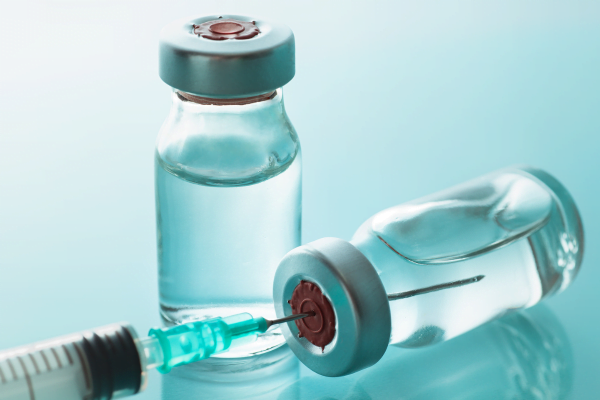
Understanding your vial of humalog empowers safer, more confident insulin use. This plain-language guide explains vial size, concentration, storage, drawing technique, mixing rules, and safety checks so daily routines feel manageable. We blend clinical terms with simple explanations to support decisions you make with your care team.
Key Takeaways
- Size and strength: 10 mL vials at U-100 concentration.
- Storage basics: Refrigerate unopened; avoid freezing and overheating.
- In-use window: Most opened vials last 28 days at room temp.
- Technique matters: Use U-100 syringes and correct drawing steps.
- Safety first: Clear solution, no particles; dispose needles safely.
Vial of Humalog: Key Specs and Safe Handling
Humalog is insulin lispro, a rapid-acting insulin analog used for mealtime coverage and correction doses. It is administered subcutaneously (under the skin) using syringes or an insulin pump as prescribed. The clear solution is designed to act quickly, which helps align insulin action with food absorption and reduce post-meal glucose spikes. Knowing the vial’s core specifications and handling rules can reduce mistakes and prevent dose waste.
Keep every vial protected from heat and light, and never use a product that looks abnormal. Because rapid insulins can lower glucose quickly, keep fast-acting glucose nearby and know the signs of hypoglycemia (low blood sugar). For a concise primer on how these agents work, see What Is Rapid Acting Insulin for a short overview: What Is Rapid Acting Insulin.
Concentration and Presentation
Most mealtime vials come in a single strength known as U-100. This means 100 units of insulin per milliliter of fluid. In practice, pairing the correct syringe with the correct concentration is essential to avoid dosing errors. A mismatch can lead to underdosing or overdosing, which may raise safety risks. When in doubt, confirm the concentration on the packaging and the vial’s main label before drawing any dose.
To avoid confusion, some people keep only one concentration at home. If others manage doses, show them the vial and your syringes to align expectations. For background on how different insulin categories fit together, see Different Types Of Insulin for a helpful orientation: Different Types Of Insulin. If you need product specifications and labeling language, see Insulin Humalog Vial 100U ML for quick reference: Insulin Humalog Vial 100U ML.
Note: The labeling states Humalog vial concentration U-100. Always confirm before measuring doses.
Units and the 10 mL Vial
A standard vial contains 10 milliliters of solution at U-100 strength. People often ask how many units in a Humalog vial, since budgeting and refill timing depend on the answer. U-100 means 100 units per milliliter, so a 10 mL vial contains 1,000 units in total. How long that lasts depends on your daily plan and any dose changes your clinician may recommend.
Tracking use prevents surprise shortages. Many patients mark first-use dates directly on the vial with a removable label. This supports inventory planning and helps you cycle older vials first. If you compare delivery systems or consider pens, device differences can matter. For device differences and learning curve tips, see Types Of Insulin Pen for a concise overview: Types Of Insulin Pen.
Storage and Temperature Guidelines
Storing insulin correctly protects potency. Unopened vials are usually refrigerated at 2–8°C (36–46°F). After first use, many people keep vials at room temperature to reduce sting and improve comfort. Labeling also emphasizes avoiding direct heat and light, keeping caps on when not in use, and never using a product that has been frozen.
If your routine involves work, school, or travel, plan around temperature swings. A small insulated pouch can help in hot or cold weather. Simple steps like avoiding car glove boxes on summer days can prevent costly waste. For another rapid-acting option overview and stability contrasts, see Fiasp Insulin Guide to understand class similarities: Fiasp Insulin Guide. For official storage thresholds and label specifics, review the Humalog prescribing information: Humalog prescribing information.
Travel and Refrigeration Scenarios
Travel adds temperature risk. Pack vials in carry-on bags to avoid cargo holds, where extreme cold can freeze liquids. Use a compact cooler with a barrier so the vial does not touch ice packs directly. When moving through airports, keep your supplies together with prescriptions to simplify security checks. On road trips, rotate cooling packs and keep vials out of direct sun. If a vial was left in a hot car or near a heater, assume potency may be reduced and consult your pharmacist about replacement.
After Opening and In-Use Period
Once a vial is first used, time matters. Many labels indicate an in-use period at room temperature, often 28 days, provided storage conditions are respected. If you ever wonder how long is a Humalog vial good after opening, your vial’s carton insert and pharmacist can confirm the latest details and cautionary notes. Marking the date of first puncture helps you stay within the recommended window.
Discarding insulin is frustrating, yet potency uncertainty can be risky. Degraded insulin may raise glucose unpredictably and create dangerous variability. For additional context on label-based limits and storage, consult the same official source used above to verify parameters: Humalog prescribing information. If you experience recurring highs without a clear reason, discuss potential product degradation with your care team.
Drawing, Dosing, and Timing
Technique supports accuracy and safety. If you are learning how to draw insulin from a Humalog vial, practicing with your diabetes educator can build confidence. Use U-100 syringes for U-100 insulin. Double-check dose lines in good lighting, and avoid distractions while drawing. If a dose looks off, discard the syringe safely and start again.
- Clean hands and the vial’s rubber stopper with alcohol.
- Use a new U-100 syringe; pull air equal to your dose.
- Inject air into the vial; keep the tip above insulin.
- Invert the vial, then draw slightly more than needed.
- Tap out bubbles; adjust to the exact dose line.
- Inject subcutaneously (under the skin) as taught.
Timing Before Meals (Clinical and Practical)
Rapid-acting insulin lispro is typically taken around meals. Clinicians often advise dosing shortly before eating or right after starting a meal, depending on glucose, meal size, and personal sensitivity. Your individualized plan may differ. For timing guidance and onset/peak ranges, see Lispro Insulin Peak for additional context: Lispro Insulin Peak. To understand class-wide onset and duration principles, see What Is Rapid Acting Insulin for foundational points: What Is Rapid Acting Insulin.
Tip: Keep a printed checklist in your kit. Short, repeatable steps reduce errors when you are stressed or rushed.
Mixing and Pump Considerations
Some care plans combine a rapid insulin with an intermediate insulin. When mixing Humalog with NPH from a vial, clinicians typically teach drawing the rapid insulin first to limit cross-contamination. Mix only if your prescriber has instructed you to do so, and never substitute another insulin without guidance. Labeling warns against mixing in an insulin pump reservoir; pumps are designed for a single insulin per manufacturer specifications.
Pump use requires additional safeguards, including site rotation, reservoir changes, and backup syringes on hand. If you consider switching products or devices, work with your team to adjust settings. For a side-by-side characteristics review of popular rapid options, see Humalog vs Novolog to compare pharmacologic profiles: Humalog vs Novolog. For formal restrictions and pump-specific cautions, verify them in the official label: Humalog prescribing information.
Converting From Pens and Related Formats
Switching from pen devices to vials may change routine steps but not your insulin type. Skills to relearn can include dose measurement, needle selection, and priming technique. Practice with saline or a demonstration vial can reduce first-week stress. If you decide to compare device options, review pen features and dose increments to match your dexterity and vision needs. For device details and practical considerations, see Types Of Insulin Pen to understand options: Types Of Insulin Pen.
Some people prefer pens at work and vials at home. Others stick to one format for consistency. If your basal-bolus plan pairs a long-acting basal with mealtime lispro, the long-acting component remains important. For basal pairing context in basal-bolus plans, see Insulin Lantus Vial for an example of long-acting therapy: Insulin Lantus Vial. If you need product specifications for your rapid option, see Insulin Humalog Vial 100U ML to review presentation details: Insulin Humalog Vial 100U ML.
Safety Checks, Side Effects, and Disposal
Inspect the vial before each dose. The solution should look clear and colorless, without particles or cloudiness. If it appears cloudy, unusually thick, or discolored, do not use it. Hypoglycemia (low blood sugar) can occur with any insulin, and symptoms may include shakiness, sweating, confusion, or rapid heartbeat. Severe lows are emergencies and require immediate action. For warning signs and emergency steps, see Insulin Overdose Symptoms to prepare proactively: Insulin Overdose Symptoms.
Dispose of used needles and syringes in an approved sharps container; never in household trash. Many pharmacies provide local disposal guidance. Keep backup supplies and glucagon available if prescribed. If you are evaluating another rapid-acting option for clinical reasons, you can explore Apidra or Fiasp with your clinician. For broader class context and brand distinctions, this overview may help: Diabetes Drugs List. For a quick look at another rapid option with its own label specifics, see Insulin Apidra Vial 100U ML for comparative context: Insulin Apidra Vial 100U ML.
Compare and Related Topics
Humalog is one of several rapid-acting insulins that help cover meals. While their broad effects are similar, individual response can vary, and insurance coverage often shapes choices. Reviewing similarities and differences can clarify discussions with your clinician. For a grounded comparison of two common options, see Humalog vs Novolog to understand overlap and nuances: Humalog vs Novolog.
If you want a refresher on insulin classes beyond mealtime products, the following primer helps frame conversations about your overall regimen. For background on basal, bolus, premixed, and correction approaches, see Different Types Of Insulin for a structured walkthrough: Different Types Of Insulin. Understanding this framework can make dose discussions easier and more collaborative.
Recap
Using Humalog vials safely involves five pillars: the correct concentration, the right syringe, careful storage, proper drawing technique, and routine safety checks. Record first-use dates, watch for clarity changes, and follow the labeled in-use period. If anything seems off—appearance, glucose response, or storage conditions—pause and consult your pharmacist or prescriber. Thoughtful routines protect insulin potency and support steadier glucose patterns over time.
This content is for informational purposes only and is not a substitute for professional medical advice.


