
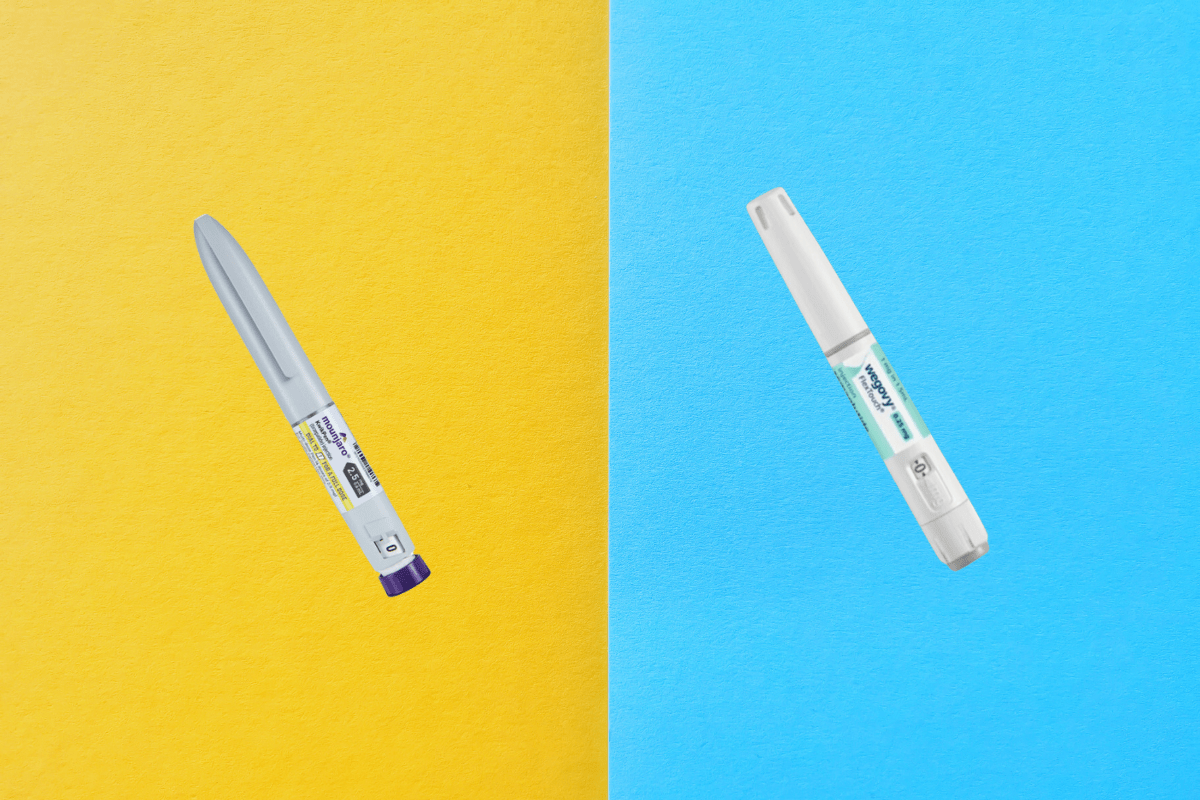
Mounjaro for Weight Loss usually refers to using tirzepatide to support weight reduction, but the brand label matters. In the U.S., Mounjaro is approved for type 2 diabetes, while Wegovy is approved for chronic weight management. Both are once-weekly injectable medicines that affect appetite signals, digestion speed, and metabolic pathways. The practical choice depends on medical history, safety risks, tolerability, coverage, and which labeled option fits your situation.
Key Takeaways
- Different mechanisms: Tirzepatide targets GIP and GLP-1 receptors; semaglutide targets GLP-1.
- Different labels: Wegovy is labeled for chronic weight management; Mounjaro is labeled for type 2 diabetes.
- Slow titration: Both medicines use gradual dose increases to improve tolerability.
- Shared side effects: Nausea, constipation, diarrhea, vomiting, and fullness are common.
- Access varies: Insurance rules, diagnosis requirements, and pharmacy channels can differ widely.
How Mounjaro for Weight Loss Compares With Wegovy
Mounjaro and Wegovy belong to the same broad incretin medicine family, but they are not interchangeable. Mounjaro contains tirzepatide, a dual GIP and GLP-1 receptor agonist. Wegovy contains semaglutide, a GLP-1 receptor agonist. These gut-hormone pathways help regulate appetite, fullness, and blood sugar signals.
The largest practical difference is not only the molecule. It is the label. Wegovy has a U.S. indication for chronic weight management in adults and certain adolescents who meet label criteria. Mounjaro has a U.S. indication for improving blood sugar control in adults with type 2 diabetes, used with diet and exercise. A related tirzepatide brand, Zepbound, is the obesity-labeled tirzepatide product in the U.S.
Why it matters: The brand label can affect insurance review, prescribing documentation, and patient expectations.
If you are comparing tirzepatide brands, our deeper breakdown of Zepbound vs Mounjaro explains why the same active molecule can appear under different brand indications. For a broader class view, GLP-1 Drugs For Weight Loss compares common options without treating them as one-size-fits-all choices.
Mechanism, Appetite, and Body-Weight Expectations
Both medicines may support weight loss by reducing appetite and increasing fullness. They can also slow gastric emptying, which means food leaves the stomach more slowly. Some people notice smaller portions feel more satisfying. Others experience more gradual appetite changes.
Tirzepatide activates two receptor pathways: glucose-dependent insulinotropic polypeptide, called GIP, and glucagon-like peptide-1, called GLP-1. Semaglutide activates the GLP-1 pathway. These effects can influence hunger cues, insulin response, and post-meal glucose patterns. Individual responses still vary, especially when sleep, activity, stress, food choices, and other medicines differ.
People often ask whether these medicines reduce belly fat. They do not target one body area like a spot-treatment. When weight loss occurs, fat loss patterns depend on genetics, sex, age, hormones, and overall health. Waist measurements may change for some people, but no injection can choose where fat loss happens first.
Reviews and online stories can help you understand lived experience, but they can also distort expectations. Some people report strong appetite reduction. Others stop because of side effects or access barriers. A more useful approach is to track weight, waist, appetite, symptoms, and habits over time, then review the pattern with your clinician.
This calculator can help you track general weight-change progress. It does not decide medication eligibility or predict treatment results.
Weight-Loss Progress Calculator
Track percentage body-weight change and progress toward a target weight.
These calculations are for education only and do not replace clinical advice, diagnosis, or treatment. Always confirm medical decisions with a qualified healthcare professional.
Dosing and Titration: Why Schedules Are Gradual
Both treatments use weekly injections, but the dose schedules differ by product. Prescribers usually start low and increase gradually, when appropriate. This stepwise approach helps the body adjust and may reduce stomach-related side effects.
A Mounjaro dosage chart can be useful for organizing appointment notes, but it should not replace the official label or your prescriber’s instructions. The right schedule depends on the medicine, indication, side effects, blood sugar status, other medications, and treatment goals. Do not increase, skip, or restart a dose without clinical guidance.
Many people search for a Mounjaro dose for weight loss because they want to know whether a higher dose means better results. The answer is not that simple. Higher doses may increase treatment effect for some people, but they may also increase side effects. Tolerability matters because a dose you cannot tolerate is not a practical long-term plan.
The highest labeled doses and titration steps are product-specific. They also differ between tirzepatide and semaglutide products. If your main goal is to understand brand pathways, compare Zepbound vs Wegovy for a weight-management-labeled tirzepatide and semaglutide comparison. If semaglutide or diabetes-labeled options are also part of the discussion, Mounjaro vs Ozempic explains the molecule and label differences.
Side Effects, Long-Term Questions, and Warning Signs
The most common side effects are gastrointestinal. These may include nausea, vomiting, diarrhea, constipation, stomach pain, decreased appetite, indigestion, burping, and fatigue. Symptoms often appear during early treatment or after a dose increase, but timing varies.
How long Mounjaro side effects last depends on the person, the dose step, eating patterns, hydration, and other health factors. Some people feel better after a short adjustment period. Others have persistent symptoms that require a prescriber’s review. Smaller meals, slower eating, and lower-fat choices may help some people, but severe symptoms need medical attention.
Serious but less common concerns include pancreatitis, gallbladder problems, kidney injury related to dehydration, severe stomach problems, and allergic reactions. People using insulin or sulfonylureas may need careful monitoring because low blood sugar can occur when these medicines are combined. People with diabetic retinopathy may also need eye monitoring when glucose improves quickly.
Many searches mention Mounjaro side effects cancer because tirzepatide and semaglutide labels include a boxed warning about thyroid C-cell tumors seen in rodent studies. The human relevance is not known. These medicines are generally not used in people with a personal or family history of medullary thyroid carcinoma or multiple endocrine neoplasia syndrome type 2, based on label warnings.
Quick tip: Keep a symptom log that includes meals, dose date, hydration, and bowel changes.
When to seek urgent help
Seek urgent medical care for severe or persistent abdominal pain, especially with vomiting. Get help for signs of allergic reaction, such as swelling of the face or throat, trouble breathing, or widespread rash. Contact a clinician promptly for repeated vomiting, symptoms of dehydration, yellowing skin or eyes, severe constipation, or signs of low blood sugar if you use glucose-lowering medicine.
Access, Coverage, and Cost Factors
Mounjaro cost can vary sharply because coverage depends on plan rules, diagnosis, prior authorization, pharmacy channel, and benefit design. Some plans cover diabetes-labeled medications only for type 2 diabetes. Others may have separate rules for anti-obesity medicines. Wegovy may follow weight-management benefit rules, which can also be restrictive.
People often compare Mounjaro cost with insurance and Mounjaro cost without insurance, but a single public number rarely tells the whole story. Deductibles, copays, formularies, and prescriber documentation can change the final amount. Cash-pay options may also differ by pharmacy and jurisdiction.
BorderFreeHealth connects U.S. patients with licensed Canadian partner pharmacies, when that access route is available and appropriate. Where required, prescription details are verified with the prescriber before the partner pharmacy dispenses medication. This may be relevant for patients exploring cash-pay, cross-border prescription options for patients without insurance, subject to eligibility and local rules.
Be cautious with searches about how to get Mounjaro for $25. Manufacturer programs change, and eligibility often depends on insurance type, diagnosis, and program terms. No article can guarantee a specific out-of-pocket cost. A safer next step is to ask your prescriber’s office which diagnosis, documentation, and alternatives your plan may require.
If you want to browse related educational topics, the Weight Management collection can help you compare treatment-adjacent questions. Product pages such as Mounjaro KwikPen and Wegovy can also help you identify the product being discussed before a clinical appointment.
How to Prepare for a Clinician Conversation
The best comparison starts with your medical history, not with a brand name. Bring your current medicines, allergies, weight history, blood sugar history, prior side effects, pregnancy plans, digestive conditions, gallbladder history, and family thyroid cancer history. These details help your clinician assess risk and fit.
Useful questions include:
- Label fit: Which medication matches my diagnosis and goals?
- Safety risks: Which warnings apply to my history?
- Dose plan: How will we decide when to increase or pause?
- Side effects: Which symptoms should I report quickly?
- Access pathway: What documentation might my plan require?
Example: A person with type 2 diabetes may discuss tirzepatide for glucose control and weight changes as part of metabolic care. Another person without diabetes may need a weight-management-labeled option instead. These scenarios can look similar online, but the prescribing pathway may differ.
If you are deciding among several injections, compare active ingredients, labeled uses, tolerability, monitoring needs, and access barriers. The broader Mounjaro In Care overview explains how tirzepatide fits into diabetes and obesity discussions without assuming it is right for every person.
Authoritative Sources
For official medication details, review the DailyMed listing for Mounjaro prescribing information. This source provides label-backed warnings, indications, and administration details.
For semaglutide weight-management labeling, see the DailyMed listing for Wegovy prescribing information. It is the best place to confirm current label language.
For regulator-level context on approved medicines and safety updates, use the FDA drugs information portal. Official sources are especially important when reviewing contraindications, boxed warnings, and new safety communications.
Recap
Mounjaro for Weight Loss and Wegovy are often discussed together because both can affect appetite and body weight. Still, they differ in active ingredient, receptor activity, and U.S. labeled use. Wegovy is a chronic weight-management medicine. Mounjaro is a type 2 diabetes medicine, while Zepbound is the weight-management tirzepatide brand.
The practical decision is not about which drug sounds strongest online. It is about which option fits your diagnosis, safety profile, side-effect tolerance, coverage pathway, and long-term support plan. Use official labels, bring clear questions to your clinician, and avoid changing doses based on reviews or social media stories.
This content is for informational purposes only and is not a substitute for professional medical advice.


