

Please note: a valid prescription is required for all prescription medication.
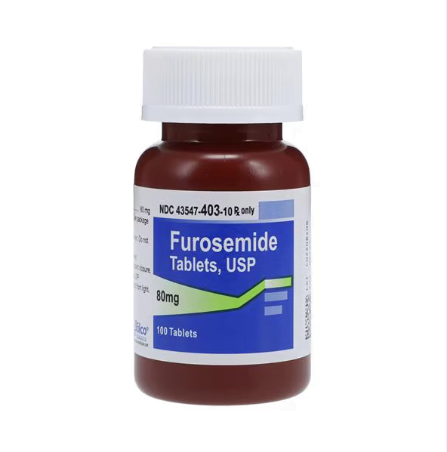
Furosemide
Buy Furosemide Online
Secure Encrypted Payments
Furosemide is a loop diuretic, often called a water pill, used to help the body remove extra salt and fluid. Furosemide tablets can be ordered online in the available strengths shown, including 20 mg, 40 mg, and 80 mg, so the chosen strength matches your clinician’s directions. Border Free Health lists Canadian-sourced tablet choices for U.S. customers who want clear product, cost, and safety information before ordering.
Furosemide Price, Strengths, and Ordering Details
Furosemide price can vary by strength, manufacturer, and quantity. During ordering, choose the tablet strength and pack size shown for the product, then match those details to the directions from your healthcare team. If you are comparing furosemide 40 mg price, furosemide 20 mg tablets, or furosemide 80 mg, keep the total day supply in mind rather than looking only at the per-tablet figure.
Available tablet strengths commonly include:
- Furosemide 20 mg tablets
- Furosemide 40 mg tablets
- Furosemide 80 mg tablets
Many people search for Lasix 20 mg or Lasix 40 mg because Lasix is the well-known brand name for furosemide. The active ingredient is the same medication name used in generic furosemide tablets, although appearance, manufacturer, and packaging can differ. Licensed pharmacies supply regulated medicines, and order details may be reviewed before the medication is supplied.
Cash-pay customers often compare the furosemide cost with local pharmacy quotes, especially when planning ongoing therapy. If you take this medicine long term, ask your clinician whether a larger supply, synchronized refills, or a generic manufacturer could fit your treatment plan. Products Ships from Canada to US after the order requirements are complete, with prompt, express shipping available as part of the service.
What Furosemide Treats
Furosemide is used to treat edema, which means excess fluid held in body tissues. Fluid buildup may occur with heart failure, liver disease, kidney disease, or other conditions that affect fluid balance. People under care for edema may notice swelling in the legs, ankles, abdomen, or other areas when excess fluid collects.
This medicine is also used alone or with other therapies for high blood pressure. In hypertension, removing excess salt and water can help reduce the amount of fluid the heart and blood vessels must handle. It is not a stand-alone answer for every blood pressure plan, so lifestyle measures and other medicines may still matter.
Furosemide for water retention is especially common in people with heart failure, where fluid can collect in the legs or lungs. Reducing that fluid may ease swelling and may make breathing feel less difficult when congestion is part of the problem. Report sudden weight gain, worsening shortness of breath, or rapidly increasing swelling to a clinician promptly.
How This Loop Diuretic Works
Furosemide belongs to a class called loop diuretics. It works in a kidney structure called the loop of Henle, where it blocks reabsorption of sodium and chloride. Because water follows salt, more fluid leaves the body through urine.
The increase in urination is part of the intended effect. Many people notice they need to urinate more often after a dose, especially early in treatment or after a dose change. This effect is why timing matters for comfort, sleep, and daily activities.
Furosemide does not cure the underlying cause of edema or hypertension. It helps manage fluid volume while the broader condition is treated. Your healthcare team may monitor weight, blood pressure, kidney function, and electrolytes to decide whether the current plan remains appropriate.
How to Take Tablets and Plan Dose Timing
Furosemide dosing is individualized. Some adults take one morning dose, while others may be instructed to take a second dose earlier in the day. If you are using generic furosemide 40 mg or another strength, follow the exact dose and timing written for you rather than copying another person’s schedule.
Morning dosing can reduce nighttime bathroom trips. When twice-daily dosing is used, the second dose is often taken in the early afternoon so the diuretic effect is less likely to disturb sleep. Tablets may be swallowed with water, with or without food, unless your clinician gives different directions.
Do not change the amount you take because swelling feels better or worse without medical guidance. Taking too much can cause dehydration, low blood pressure, or electrolyte problems. Taking too little may allow fluid to return, especially in conditions that need ongoing control.
Quick tip: Keep a simple log of morning weight, swelling, blood pressure if instructed, and symptoms. A short record can help your clinician spot fluid changes earlier.
Missed Dose, Fluids, and Daily Habits
If you miss a dose, take it when remembered unless it is close to the next scheduled dose. If the next dose is near, skip the missed dose and return to the usual schedule. Do not double up to make up for a missed tablet.
People often ask whether they should drink lots of water while taking furosemide. The safest answer is to follow your clinician’s fluid plan. Drinking too little may worsen dehydration, while drinking far above your recommended amount may work against treatment goals in some heart, kidney, or liver conditions.
Salt intake can also affect results. A high-salt diet may make fluid retention harder to control and may reduce the practical benefit of a diuretic plan. Ask whether you need a sodium target, fluid limit, or potassium guidance based on your labs and diagnosis.
Side Effects, Warnings, and Monitoring
The most common effects are related to increased urination and fluid shifts. The top three side effects many patients notice are frequent urination, dizziness or lightheadedness, and stomach upset or nausea. Headache, muscle cramps, rash, and photosensitivity can also occur.
Serious risks need prompt attention. Furosemide can cause dehydration, low blood pressure, low potassium, low sodium, kidney function changes, and rare hearing problems, especially with high exposure or certain interacting medicines. Seek urgent care for fainting, severe weakness, confusion, severe dizziness, ringing in the ears, or little to no urine.
Furosemide is a potent diuretic. Excessive diuresis can lead to water and electrolyte depletion, so lab monitoring is an important part of safe use. Blood tests may include kidney function, sodium, potassium, magnesium, and other values chosen by your clinician.
Some people need closer supervision, including those with kidney impairment, liver disease, gout, low blood pressure, diabetes, or a history of significant electrolyte problems. People with sulfonamide allergies should discuss the risk and benefit of furosemide with a healthcare professional. Pregnancy and breastfeeding decisions should also be individualized.
Why it matters: Fluid loss can feel like improvement at first, but dehydration and electrolyte imbalance can become dangerous quickly.
What to Avoid or Discuss Before Use
Several medicines and habits can change how furosemide works or increase safety risks. Nonsteroidal anti-inflammatory drugs, such as ibuprofen or naproxen, may reduce the diuretic effect and may add kidney strain in some people. Ask which pain relievers are appropriate for your health conditions.
ACE inhibitors, ARBs, and other blood pressure medicines may increase the chance of low blood pressure or kidney-related changes when combined with a diuretic. Digoxin can become riskier when potassium is low, because low potassium may contribute to heart rhythm problems. Lithium levels can rise with diuretics and may require close monitoring.
Aminoglycoside antibiotics and other medicines associated with hearing effects may increase the chance of ear-related toxicity when used with furosemide. Alcohol may worsen dizziness or lightheadedness. Supplements, herbal products, salt substitutes, and potassium products should be discussed before use because they can affect fluid, kidney, or electrolyte balance.
Tell your healthcare team about all medicines you take, including over-the-counter products. For broader cardiovascular medicine context, you can browse the cardiovascular category or read practical updates in the cardiovascular articles section.
Storage and Travel
Store furosemide tablets at room temperature in a dry place, away from excess heat and moisture. Keep tablets in the original, child-resistant container so the label, strength, and instructions stay with the medicine. Avoid storing tablets in bathrooms, cars, or other humid or overheated places.
When traveling, keep the medicine in hand luggage. Carry the labeled container and any documentation you normally use for identification during travel. A pill organizer may be convenient for daily use, but the labeled bottle is important when you need to confirm the medication name and strength.
Keep furosemide out of reach of children and pets. If tablets appear damaged, wet, or different from what you expected, ask the supplying pharmacy before taking them. Do not use expired medicine unless a healthcare professional specifically tells you it is acceptable.
What to Expect Over Time
Furosemide may increase urination soon after a dose. Swelling may improve as excess fluid leaves the body, but the timing and degree of change depend on the cause of fluid retention, kidney function, diet, and other medicines. Some people see changes in leg swelling, while others notice easier breathing when lung congestion improves.
Will furosemide remove fluid from legs? It can help reduce leg fluid when edema is caused by a condition that responds to diuretic therapy. Persistent one-sided swelling, painful swelling, redness, or sudden worsening should be evaluated because not all leg swelling is simple fluid retention.
Weight can change as fluid levels shift. A sudden drop may mean strong fluid loss, while a sudden gain may signal returning fluid. Your clinician may ask you to track weight at the same time each day so changes are easier to interpret.
Furosemide and Lasix Generic Choices
Lasix is a brand name for furosemide. Many customers use the term Lasix generic when they mean a regulated tablet containing furosemide as the active ingredient. Generic products may differ in color, shape, imprint, inactive ingredients, manufacturer, or packaging.
If you are switching between manufacturers, check the strength carefully when the order arrives. A different-looking tablet does not automatically mean a different medicine, but the label should still match the active ingredient and strength expected. Contact the pharmacy if anything appears inconsistent with your order or treatment plan.
Cost is often a reason people look for furosemide from Canada or Lasix from Canada. Compare the total quantity, strength, and expected day supply so the furosemide cash price is meaningful. For patients without insurance, this can make budget planning more predictable, especially when ongoing monitoring and refills are needed.
Related Treatment Choices to Discuss
Furosemide is one tool in fluid and blood pressure management. It may be used with medicines that affect blood vessels, heart workload, kidney handling of salt, or hormone pathways. The right combination depends on diagnosis, lab values, symptoms, and response over time.
People with heart failure may also be evaluated for therapies that support cardiovascular outcomes beyond fluid removal. Those with hypertension may need additional blood pressure medicines if a diuretic alone is not enough. Kidney or liver disease may require extra care because fluid shifts can be harder to balance.
Do not substitute another water pill, blood pressure medicine, or potassium product without professional guidance. Diuretics can differ in strength, site of action, electrolyte effects, and monitoring needs. A clinician can explain whether a loop diuretic, thiazide-type diuretic, potassium-sparing medicine, or another approach fits your situation.
Questions to Ask Your Clinician
- Which furosemide strength should I use, and when should I take it?
- What weight change or swelling pattern should prompt a call?
- How often should kidney function and electrolytes be monitored?
- Should I follow a sodium limit, fluid target, or potassium plan?
- Which pain relievers, supplements, or salt substitutes should I avoid?
- What should I do if dizziness, cramps, or unusual thirst occurs?
- How will we know whether the current dose is working safely?
Authoritative Sources
MedlinePlus furosemide drug information
Official Lasix prescribing information
This content is for informational purposes only and is not a substitute for professional medical advice.
eGFR Calculator
Estimate kidney filtration using the 2021 CKD-EPI creatinine equation.
eGFR
-
mL/min/1.73 m2
G category
-
requires clinical context
These calculations are for education only and do not replace clinical advice, diagnosis, or treatment. Always confirm medical decisions with a qualified healthcare professional.
Creatinine Clearance Calculator
Estimate creatinine clearance using the Cockcroft-Gault equation.
CrCl
-
mL/min estimate
These calculations are for education only and do not replace clinical advice, diagnosis, or treatment. Always confirm medical decisions with a qualified healthcare professional.
Fractional Excretion of Sodium Calculator
Calculate FENa from urine sodium, serum sodium, urine creatinine, and serum creatinine.
FENa-percentage
These calculations are for education only and do not replace clinical advice, diagnosis, or treatment. Always confirm medical decisions with a qualified healthcare professional.
Fractional Excretion of Urea Calculator
Calculate FEUrea from urine urea, serum urea/BUN, urine creatinine, and serum creatinine.
FEUrea-use matching urea/BUN conventions
These calculations are for education only and do not replace clinical advice, diagnosis, or treatment. Always confirm medical decisions with a qualified healthcare professional.
Blood Pressure Average Calculator
Average home blood pressure readings and show a simple screening range.
Average BP
-
entered readings only
Range
-
screening category
These calculations are for education only and do not replace clinical advice, diagnosis, or treatment. Always confirm medical decisions with a qualified healthcare professional.
Express Shipping - from $29.99
Shipping with this method takes 3-5 days
Prices:
- Dry-Packed Products $29.99
- Cold-Packed Products $39.99
Shipping Countries:
- United States (all contiguous states**)
- Worldwide (excludes some countries***)
Standard Shipping - $19.99
Shipping with this method takes 5-10 days
Prices:
- Dry-Packed Products $19.99
- Not available for Cold-Packed products
Shipping Countries:
- United States (all contiguous states**)
- Worldwide (excludes some countries***)
What are the top side effects of furosemide?
Common side effects include frequent urination, dizziness or lightheadedness, and nausea or stomach upset. Muscle cramps, headache, rash, and sensitivity to sunlight can also occur. Contact a healthcare professional promptly for fainting, confusion, severe weakness, ringing in the ears, or very little urine.
Will furosemide remove fluid from legs?
Furosemide can help reduce leg swelling when the swelling is caused by fluid retention that responds to a loop diuretic. One-sided, painful, red, or suddenly worsening swelling needs medical evaluation because leg swelling can have causes other than excess fluid.
What should I avoid when taking furosemide?
Ask before using NSAID pain relievers, lithium, digoxin, certain antibiotics, potassium products, salt substitutes, or new supplements. Alcohol may worsen dizziness. Your clinician may also give sodium, fluid, or potassium guidance based on your diagnosis and lab results.
Should I drink a lot of water with furosemide?
Follow the fluid plan from your healthcare team. Too little fluid can contribute to dehydration, while too much may work against treatment goals for some heart, kidney, or liver conditions. Report unusual thirst, dizziness, rapid weight changes, or worsening swelling.
Is furosemide the same as Lasix?
Lasix is a brand name for furosemide. Generic furosemide tablets contain the same active ingredient name, though the tablet appearance, manufacturer, inactive ingredients, and packaging can differ.
Rewards Program
Earn points on birthdays, product orders, reviews, friend referrals, and more! Enjoy your medication at unparalleled discounts while reaping rewards for every step you take with us.
You can read more about rewards here.
POINT VALUE
How to earn points
- 1Create an account and start earning.
- 2Earn points every time you shop or perform certain actions.
- 3Redeem points for exclusive discounts.
You Might Also Like
Select options
This product has multiple variants. The options may be chosen on the product page
Select options
This product has multiple variants. The options may be chosen on the product page
Select options
This product has multiple variants. The options may be chosen on the product page
Select options
This product has multiple variants. The options may be chosen on the product page