

Please note: a valid prescription is required for all prescription medication.
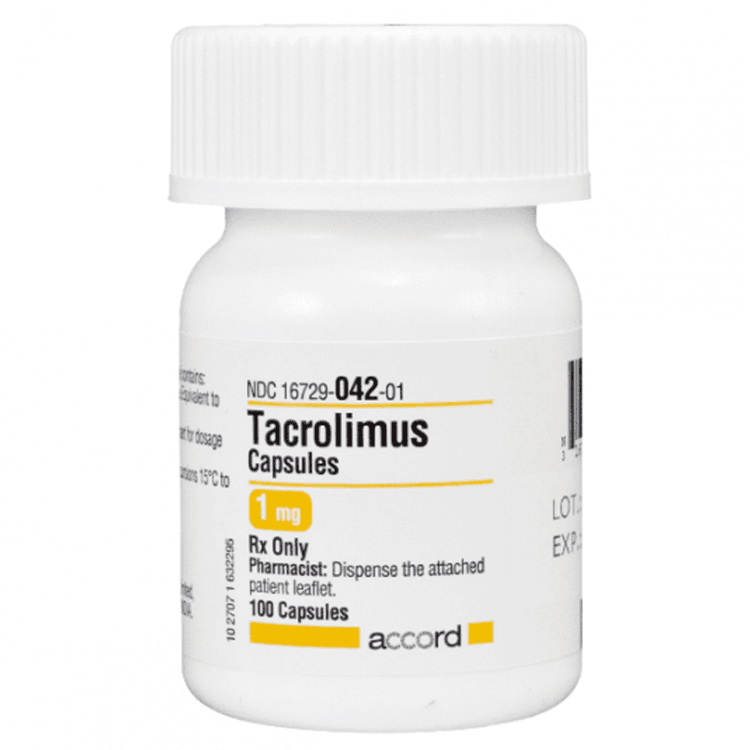
Tacrolimus HGC
Buy Tacrolimus HGC Online
Secure Encrypted Payments
Buy Tacrolimus HGC online and compare current listed pricing, available capsule presentations, order details, and key safety basics before you add it to your cart. You can use this page to match the product form and strength to your clinic’s instructions, review practical access factors, and understand what monitoring usually matters with tacrolimus therapy.
Tacrolimus HGC is an oral, immediate-release tacrolimus capsule used in transplant care to help reduce the chance of organ rejection. It is not the same as extended-release tacrolimus products, and changes between tacrolimus formulations should be handled carefully because small exposure differences can matter.
For people comparing cross-border cash-pay options, Tacrolimus HGC US delivery from Canada may be part of the access discussion. The most useful next step is to check the selected strength, quantity, and product presentation against the most recent medication list from the transplant team.
Tacrolimus HGC Price and Available Options
The Tacrolimus HGC price you see on the product page is most useful when it is compared alongside the selected strength, capsule form, and quantity. Tacrolimus is commonly supplied as immediate-release hard gelatin capsules, and different strengths may be listed separately. The listed product option should match what the prescriber wrote, not only the total milligram amount you take in a day.
Common tacrolimus capsule strengths include 0.5 mg, 1 mg, and 5 mg. Availability can change by current supply and listing details, so check the product selector and label information before comparing the Tacrolimus HGC cost with another tacrolimus option. A lower capsule strength can still produce a different total quantity requirement, which may affect the final cart total.
Cash-pay customers often compare the current listed price, the number of capsules, and whether the product is brand or generic-equivalent in the dispensing record. Tacrolimus HGC cash pay access may be helpful for people without insurance, but it should still be evaluated against the exact medication name, formulation, and strength on the clinic’s current plan.
Quick tip: Compare strength and quantity together, not the capsule price alone.
How to Order Tacrolimus HGC Online
To order Tacrolimus HGC online, choose the correct immediate-release capsule option and prepare the details needed to match the listing to your current therapy. Helpful details include the exact strength, dosing schedule from the label, prescriber contact information, and any recent medication changes that could affect tacrolimus levels.
BorderFreeHealth supports access to cash-pay cross-border prescription options for U.S. patients, and pharmacy dispensing may include prescriber confirmation when required. Keep your medication list current so the order can be checked against other transplant medicines, supplements, and short-term treatments.
If the page offers US shipping from Canada, do not use that as a reason to delay planning refills. Tacrolimus is a monitoring-sensitive medicine, and transplant teams often want continuity in both timing and product formulation. Ordering with the exact product details helps reduce avoidable back-and-forth during processing.
Before checkout, confirm that the selected product is an oral capsule. Tacrolimus is also available in topical forms for skin conditions, and those products are not substitutes for oral transplant immunosuppression. If your care involves skin disease rather than transplant care, the Atopic Dermatitis Eczema collection and Dermatology category may help you separate topical product browsing from oral capsule selection.
What This Medicine Is Used For
Tacrolimus is an immunosuppressant, meaning it lowers certain immune responses. In oral capsule form, it is commonly used with other medicines to help prevent rejection after organ transplantation, such as kidney, liver, heart, or lung transplant. The goal is to reduce immune activity enough to protect the transplanted organ while monitoring for side effects.
This medicine belongs to a class called calcineurin inhibitors. Calcineurin is part of immune-cell signaling, and blocking it can reduce the immune response that contributes to rejection. The same active ingredient is associated with brand names such as Prograf, but different tacrolimus products may release or absorb differently.
Tacrolimus HGC should be understood as an immediate-release capsule listing. It should not be swapped with once-daily extended-release tacrolimus unless the transplant clinician gives specific instructions and arranges the needed monitoring. Even when the active ingredient is the same, formulation differences can change blood levels.
Forms, Strengths, and Product Matching
This listing refers to tacrolimus hard gelatin capsules for oral use. Capsule appearance, imprint, and packaging can differ by manufacturer, so the most reliable way to match the product is by the drug name, strength in mg, release type, and pharmacy label. Do not rely on color alone when comparing products.
Common immediate-release capsule strengths include tacrolimus 0.5 mg, 1 mg, and 5 mg. The strength printed on the label is the amount per capsule, not a measure of how strongly it will affect one person’s immune system. Tacrolimus blood exposure can vary between individuals, which is why transplant teams often use lab results along with the labeled dose.
When comparing Tacrolimus HGC online with another tacrolimus listing, look for four practical points:
- Release type: Immediate-release capsules are not extended-release tablets or capsules.
- Strength: Match the mg strength to the current pharmacy label.
- Quantity: Compare the total number of capsules supplied.
- Product name: Avoid confusing oral tacrolimus with topical tacrolimus.
Product matching is especially important after hospital discharge, a transplant-clinic update, or a manufacturer change. If the capsule strength changes, the number of capsules per dose may also change. That is a product-selection issue, not something to adjust without the clinical team.
Monitoring and Blood Level Checks
Tacrolimus has a narrow therapeutic range, which means levels that are too low may increase rejection risk, while levels that are too high can increase toxicity risk. Many transplant programs check trough concentrations, a blood level taken at a specific time before the next dose. Timing matters because the result is interpreted against the dose schedule.
If a tacrolimus level is high, the response is usually guided by the transplant team rather than handled at home. A clinician may consider the timing of the blood draw, recent missed or extra doses, diarrhea, kidney function, new interacting medicines, or a product change. The safest action is to report symptoms and follow the clinic’s instructions.
Routine monitoring may also include kidney function, potassium, blood pressure, glucose, and signs of infection. These checks help the clinician decide whether the regimen is staying within the intended range. They also help identify problems early, before symptoms become severe.
Why it matters: Small tacrolimus level changes can have large safety consequences.
Storage, Handling, and Travel
Store tacrolimus capsules as directed on the package label, generally at controlled room temperature and away from excess heat or moisture. Bathrooms are not ideal because humidity can affect capsules. Keep the bottle closed, and keep blister-packed capsules in the original packaging until use when that is how they are supplied.
Do not transfer capsules into an unlabeled container for long-term storage. If you use a pill organizer, make sure the original pharmacy label remains available so the product name, strength, and directions can be checked. This is particularly useful during appointments or urgent care visits.
For travel, keep tacrolimus in carry-on luggage when possible. Pack enough medicine for the planned trip and allow for reasonable delays. Time-zone changes can complicate twice-daily schedules, so transplant patients often discuss travel timing with their clinic before departure. A current medication list can also help if care is needed while away.
Keep tacrolimus away from children and pets. If capsules are damaged, wet, or past the expiration date, ask a pharmacist how to dispose of them safely. Do not continue using compromised capsules just because the bottle still contains medication.
Side Effects and Serious Safety Risks
Tacrolimus can cause side effects, and some are related to dose or blood level. Commonly reported effects include tremor, headache, nausea, diarrhea, stomach discomfort, sleep changes, and tingling sensations. Some people also develop higher blood pressure or changes in blood sugar.
More serious risks can include kidney injury, high potassium, neurotoxicity (nervous-system effects such as confusion or severe tremor), infections, and certain cancers associated with long-term immune suppression. The immune system may not respond to infections in the usual way, so fever, persistent sore throat, shortness of breath, unusual bruising, or new neurologic symptoms deserve prompt clinical attention.
People sometimes ask about the most common side effect of tacrolimus. Tremor is often discussed because it can be noticeable, but the side-effect pattern varies by person, dose, transplant type, and other medicines. New or worsening symptoms should be shared with the transplant team, especially if they appear after a dose change or new medication.
Tacrolimus may also affect blood sugar and can contribute to diabetes after transplant in some patients. It is not usually described as a hormone treatment, but changes in glucose, kidney function, and electrolyte balance can affect how someone feels overall. Monitoring helps separate medication effects from transplant-related or illness-related changes.
Interactions and Cautions Before Ordering
Tacrolimus has many clinically important interactions because it is processed by CYP3A enzymes in the liver and gut. Some medicines raise tacrolimus levels and increase toxicity risk. Others lower levels and may reduce protection against rejection. This is why the complete medication list matters when ordering a refill or changing products.
Interaction categories that often need careful review include azole antifungals, macrolide antibiotics, certain seizure medicines, HIV or hepatitis C antivirals, and medicines that can stress the kidneys. Drugs or supplements that raise potassium may also be important. Grapefruit and grapefruit juice can increase tacrolimus exposure and are commonly avoided unless the clinician gives different instructions.
Vaccines should be discussed with the transplant team. Live vaccines may be unsafe during immune suppression, while other vaccines may still be recommended on a schedule set by the clinician. If allergy or skin medicines are part of your routine, include them on the same list as transplant medicines.
Herbal and over-the-counter products should not be treated as automatically harmless. St. John’s wort, for example, can lower levels of some medicines processed through the same enzyme system. NSAID pain relievers may also raise concern in some transplant patients because kidney function is already closely monitored.
Comparing Related Options
Oral tacrolimus is one transplant immunosuppressant option, but transplant regimens are individualized. Cyclosporine is another calcineurin inhibitor used in some transplant settings. It is not interchangeable with tacrolimus, and it has different dosing, monitoring, and side-effect considerations. If your clinician has mentioned a different calcineurin inhibitor, you can compare the separate Cyclosporine product listing for form and access details.
Topical tacrolimus is a different product type. It is applied to the skin for certain inflammatory skin conditions and does not replace oral tacrolimus for transplant care. The Protopic Ointment listing is useful when the intended therapy is dermatologic rather than transplant immunosuppression.
Keeping these options distinct prevents unsafe substitution. A product with the same active ingredient may still have a different route, release profile, or clinical purpose. When in doubt, match the product to the prescription label and the clinic’s current medication list.
Practical Access Notes
Tacrolimus HGC without insurance may be relevant for customers comparing cash-pay access, but product selection should still start with clinical accuracy. Check whether your current plan specifies immediate-release tacrolimus capsules, the exact strength, and the quantity needed for continuity. If a refill is urgent, gather the pharmacy label and prescriber details before starting the order.
For people comparing Tacrolimus HGC cash price, the clearest comparison is the current listed product option plus the selected quantity. Insurance coverage, local pharmacy supply, and cross-border cash-pay access can lead to different out-of-pocket experiences. Avoid comparing only one capsule strength unless the quantity and formulation are the same.
Do not start, stop, or switch tacrolimus products based on price alone. A product change may require closer lab monitoring, especially when changing manufacturer, release type, or strength. The cost discussion should sit alongside safety, continuity, and the transplant team’s monitoring plan.
Authoritative Sources
Official medication information is the best place to confirm boxed warnings, labeled uses, contraindications, and formulation-specific instructions. Transplant programs may also use local protocols, especially for blood-level targets and follow-up schedules. When instructions differ, the prescriber’s plan and official labeling should guide care.
Neutral medication references include the MedlinePlus tacrolimus medication overview and the FDA Prograf prescribing information. These sources discuss tacrolimus uses, safety risks, interactions, and monitoring considerations.
If prompt, express shipping is offered for the selected product, review the order details and plan refills early enough to avoid therapy gaps.
This content is for informational purposes only and is not a substitute for professional medical advice.
eGFR Calculator
Estimate kidney filtration using the 2021 CKD-EPI creatinine equation.
eGFR
-
mL/min/1.73 m2
G category
-
requires clinical context
These calculations are for education only and do not replace clinical advice, diagnosis, or treatment. Always confirm medical decisions with a qualified healthcare professional.
Creatinine Clearance Calculator
Estimate creatinine clearance using the Cockcroft-Gault equation.
CrCl
-
mL/min estimate
These calculations are for education only and do not replace clinical advice, diagnosis, or treatment. Always confirm medical decisions with a qualified healthcare professional.
Body Surface Area Calculator
Calculate body surface area from height and weight using the Mosteller equation.
BSA
-
m2, Mosteller equation
These calculations are for education only and do not replace clinical advice, diagnosis, or treatment. Always confirm medical decisions with a qualified healthcare professional.
Ideal & Adjusted Body Weight Calculator
Estimate ideal body weight with the Devine equation and adjusted body weight when actual weight is above the estimate.
Ideal body weight
-
Devine equation
Adjusted body weight
-
IBW + 0.4 x excess weight
Difference from IBW
-
actual minus ideal
These calculations are for education only and do not replace clinical advice, diagnosis, or treatment. Always confirm medical decisions with a qualified healthcare professional.
Express Shipping - from $25.00
Shipping with this method takes 3-5 days
Prices:
- Dry-Packed Products $25.00
- Cold-Packed Products $35.00
Shipping Countries:
- United States (all contiguous states**)
- Worldwide (excludes some countries***)
Standard Shipping - $15.00
Shipping with this method takes 5-10 days
Prices:
- Dry-Packed Products $15.00
- Not available for Cold-Packed products
Shipping Countries:
- United States (all contiguous states**)
- Worldwide (excludes some countries***)
What is another name for tacrolimus?
Tacrolimus is the generic drug name. Prograf is a well-known brand name for immediate-release tacrolimus capsules, and other branded or generic products may exist depending on the country and supplier. The name alone is not enough to confirm interchangeability. The release type, strength, route, and manufacturer details can matter, especially for transplant patients who are monitored with blood levels.
What happens if a tacrolimus level is high?
A high tacrolimus level can increase the risk of side effects such as tremor, kidney problems, high potassium, headache, confusion, or other toxicity concerns. The transplant team usually reviews the timing of the blood draw, recent doses, diarrhea, kidney function, and interacting medicines before deciding what to do. Patients should not adjust tacrolimus on their own unless their clinician has given specific instructions.
What is the most common side effect of tacrolimus?
Tremor is one commonly reported and noticeable side effect of tacrolimus, but side effects vary by person and by blood level. Other possible effects include headache, nausea, diarrhea, sleep changes, tingling, high blood pressure, and changes in blood sugar. Serious symptoms, signs of infection, or neurologic changes should be reported promptly, especially after a dose or product change.
What should I ask my clinician before using tacrolimus capsules?
Ask which exact tacrolimus product and release type you should use, what strength is intended, when blood levels should be checked, and which medicines or foods to avoid. It is also helpful to ask what symptoms should trigger urgent contact and whether any new prescriptions, supplements, vaccines, or over-the-counter products need review before use.
Can tacrolimus capsules be substituted with topical tacrolimus?
No. Oral tacrolimus capsules and topical tacrolimus products are used differently. Capsules are systemic immunosuppressants commonly used in transplant care, while topical tacrolimus is applied to the skin for certain inflammatory skin conditions. They should not be substituted for each other. Always match the product route, strength, and directions to the current pharmacy label or clinician instructions.
Rewards Program
Earn points on birthdays, product orders, reviews, friend referrals, and more! Enjoy your medication at unparalleled discounts while reaping rewards for every step you take with us.
You can read more about rewards here.
POINT VALUE
How to earn points
- 1Create an account and start earning.
- 2Earn points every time you shop or perform certain actions.
- 3Redeem points for exclusive discounts.
You Might Also Like
Select options
This product has multiple variants. The options may be chosen on the product page
Select options
This product has multiple variants. The options may be chosen on the product page
Select options
This product has multiple variants. The options may be chosen on the product page
Select options
This product has multiple variants. The options may be chosen on the product page