

Please note: a valid prescription is required for all prescription medication.
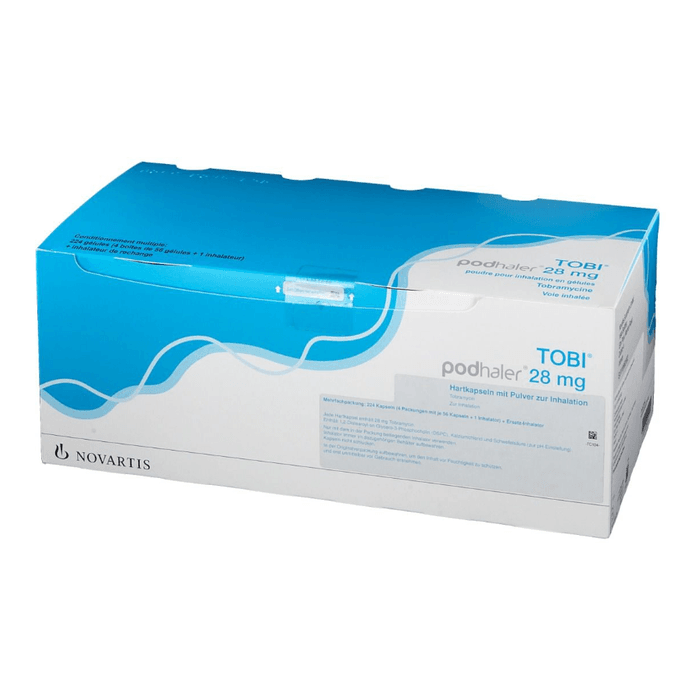
Tobi
Buy Tobi Online
Secure Encrypted Payments
Buy Tobi online and compare current listed pricing, available inhalation solution presentations, access details, and key safety basics before you add it to your cart. You can match the selected product to your prescribed form and quantity, review storage needs, and understand practical ordering factors for US delivery from Canada.
Tobi is an inhaled antibiotic containing tobramycin, used in cystic fibrosis care when chronic lung infection with Pseudomonas aeruginosa is part of the treatment plan. Because this medicine is device-dependent and cycle-based, the exact presentation, quantity, and handling instructions matter when you shop Tobi through an online product listing.
Tobi Price and Available Options
The Tobi price shown on the product listing should be compared with the selected presentation, strength, and quantity before checkout. The commonly referenced inhalation solution presentation is 300 mg/5 mL in single-use ampules. Different package quantities or formulations may appear as separate options when available, so check the product selector rather than assuming each listing contains the same number of doses.
Tobi cost can also be affected by whether you are comparing brand, manufacturer availability, pack size, and the total amount needed for a treatment cycle. The solution is not the same as a general inhaler canister; it is used with a compatible nebulizer system, and each ampule is intended for one treatment session under the directions supplied with the medicine. Matching the concentration and presentation to the order details helps avoid delays or incorrect product selection.
If you are evaluating Tobi without insurance, focus on the current listed price, selected quantity, and any checkout service details that apply to the product. Cash-pay customers often compare the total cycle supply rather than only a single unit cost, because this therapy is commonly used in repeated on-off cycles. The displayed listing is the best place to confirm what is currently offered.
Quick tip: Compare the selected form, strength, and quantity before reviewing total cart cost.
How to Order Tobi Online
To order Tobi online, choose the correct product presentation and keep your prescriber’s directions available so the order details match the intended therapy. BorderFreeHealth supports access to cross-border prescription options for U.S. patients, with dispensing and prescriber checks handled when required for the selected medicine. Requirements may depend on the product and your location, so complete the order information carefully.
The checkout path is easiest when the form, strength, and quantity match what your clinician wrote. If the listing includes more than one manufacturer or presentation, compare those details before placing the selected product in your cart. For respiratory items beyond this medication, the Respiratory category can help you browse other listed products by therapy area.
Tobi Ships from Canada to US when the order can be fulfilled through the available service pathway. Shipping and handling details should be reviewed with the selected product, especially because inhalation solution may have light and temperature considerations. Do not assume a delivery timeline or product availability until the current listing and checkout details are reviewed.
What This Medicine Is Used For
Tobi inhalation solution contains tobramycin, an aminoglycoside antibiotic. It is inhaled through a nebulizer so the medicine can reach the airways directly. In cystic fibrosis care, it is used for patients with chronic Pseudomonas aeruginosa lung infection when a clinician determines that inhaled tobramycin is appropriate.
Pseudomonas aeruginosa is a bacterium that can persist in thick airway mucus and contribute to repeated lung symptoms. The medicine works by interfering with bacterial protein production, which can reduce bacterial growth in the lungs. It does not treat viral infections, and it is not a substitute for airway clearance routines or other prescribed cystic fibrosis therapies.
Patients comparing this listing often also review condition-specific product collections. The Cystic Fibrosis collection may help you find related therapies by condition, while the Pseudomonas Infection collection can support product browsing around the organism this treatment targets.
Form, Strength, and Device Details
The inhalation solution is commonly supplied as 300 mg/5 mL single-use ampules. The full ampule is placed into the nebulizer cup specified in the official instructions or by the treating clinician. This is different from a metered-dose inhaler, dry powder inhaler, or oral antibiotic tablet, so the device and dosage form should be checked before ordering.
A capsule-based inhalation product, sometimes discussed as a podhaler option, may be considered for certain patients, but it is a different presentation from the nebulizer solution. If your prescriber specifies Tobi nebulizer solution, compare the listing against that exact form. Do not substitute a different inhalation device or formulation unless your care team has directed the change.
Standard labeling for tobramycin inhalation solution has commonly used twice-daily dosing during a 28-day on-treatment cycle, followed by 28 days off treatment. Your own schedule should follow the directions given by your clinician and the product label. The quantity you select should make sense for the intended cycle, the number of ampules per package, and any refill timing you need to avoid gaps.
| Product detail | What to check |
|---|---|
| Form | Inhalation solution for nebulizer use |
| Strength | 300 mg/5 mL when listed for ampules |
| Device | Compatible nebulizer and compressor instructions |
| Quantity | Pack count and total cycle supply |
| Handling | Light protection and temperature instructions |
How to Use the Nebulizer Solution
Tobi tobramycin is inhaled, not swallowed or injected. The ampule contents are placed in the nebulizer cup according to the product instructions. Many patients are told to use a bronchodilator first and complete airway clearance before the antibiotic, but the correct sequence should come from the care plan already provided to you.
Do not mix this medicine with other nebulized products in the same cup. Mixing can affect delivery and may contaminate the equipment. If you use several inhaled treatments, keep a written schedule or device checklist so each product is used in the correct order and with the right equipment.
Clean and disinfect nebulizer parts as directed by the manufacturer. This matters because wet tubing, mouthpieces, and cups can collect germs if they are stored improperly. Do not share nebulizer parts with another person, even if they use a similar medicine.
Why it matters: Correct device use helps the selected medicine reach the lungs as intended.
Storage, Handling, and Travel
Follow the storage instructions that arrive with the product. Ampules are usually kept in their foil pouch to protect them from light. Some labels allow refrigeration and a limited room-temperature period while sealed, but the exact instructions should be read on the package you receive. Do not freeze the solution.
When traveling, keep ampules in original packaging with the product label and order details. If cold packs are recommended for the supply you receive, use an insulated bag and avoid placing ampules directly against ice. Pack clean nebulizer parts, a spare mouthpiece, and any power adapters needed for the compressor.
Inspect ampules before use. Do not use a damaged, leaking, or contaminated container. Keep the medicine away from children and pets. If a storage problem occurs, ask a healthcare professional or pharmacist whether the product should still be used rather than guessing.
Side Effects and Safety Basics
Common side effects can include voice changes, hoarseness, cough, throat irritation, wheezing, chest discomfort, altered taste, increased sputum, and mouth discomfort. These effects are not the same for everyone. If breathing symptoms feel severe or unusual, contact your care team promptly.
Serious risks are uncommon but important. Aminoglycoside antibiotics can be associated with hearing problems, ringing in the ears, balance changes, kidney issues, and bronchospasm (sudden airway tightening). Seek urgent care for severe shortness of breath, swelling of the face or throat, or signs of an allergic reaction.
People with a history of hearing loss, balance disorders, kidney impairment, or neuromuscular disease should be especially careful to follow clinician monitoring. If you are pregnant, planning pregnancy, or breastfeeding, discuss the risks and benefits before starting or continuing therapy. The decision to use this medicine should stay aligned with your cystic fibrosis treatment plan.
- Hearing changes: report ringing, muffled hearing, or dizziness.
- Breathing symptoms: note wheeze, tightness, or worsening cough.
- Kidney concerns: report reduced urination or unusual swelling.
- Allergy signs: seek help for rash, swelling, or severe breathing trouble.
Interactions and Monitoring
Tell your clinician about all prescription medicines, over-the-counter products, supplements, and other inhaled therapies you use. Other drugs that may affect hearing or kidney function can increase safety concerns when used with aminoglycosides. Examples may include certain intravenous antibiotics, loop diuretics, and medicines used around anesthesia.
Monitoring may include symptom review, sputum cultures, lung function checks, and safety questions about hearing or balance. Some patients may need kidney-related monitoring based on their health history or other medicines. Keep scheduled follow-ups so your care team can judge whether the treatment remains suitable.
If a dose is missed, follow the missed-dose instructions provided with the official label or your clinician’s plan. Do not double doses to make up for a missed treatment. Consistent timing can help during the on-treatment cycle, especially when therapy must be coordinated with airway clearance.
Compare With Related Respiratory Options
Other respiratory medicines may be used alongside, before, or instead of this treatment depending on the diagnosis and culture results. They are not interchangeable simply because they are inhaled or used for lung disease. For example, bronchodilators and inhaled corticosteroid combinations treat different airway needs than inhaled tobramycin.
If your prescriber is comparing non-antibiotic inhaled therapies, product pages such as Fluticasone HFA Inhaler or Wixela can help you distinguish inhaler format, active ingredients, and intended respiratory use. For technique questions related to device-based treatments, Mastering Combivent Respimat offers a focused device-use resource for a different inhaler type.
The key comparison is not which product looks similar online, but which active ingredient, device, and treatment goal match your plan. Inhaled antibiotics target bacteria. Maintenance inhalers often target inflammation, airway narrowing, or symptom control. Your order should reflect the exact product your clinician intended.
Questions to Ask Your Clinician
Before starting a new cycle or changing products, it can help to bring focused questions to your appointment. Ask whether the current culture results still support inhaled tobramycin, which nebulizer system should be used, and how the treatment should be timed with airway clearance.
Also ask what hearing, balance, breathing, or kidney symptoms should trigger a call. If you travel often or have trouble completing nebulizer sessions, discuss ways to protect adherence without changing the prescribed dose on your own. If your plan changes, update refill timing so the next cycle starts when intended.
- Which presentation should match my order?
- Which nebulizer and compressor should I use?
- How should airway clearance be timed?
- What symptoms need prompt contact?
- Should cultures guide future cycles?
- How should I clean equipment after each use?
Authoritative Sources
Use the official package instructions that come with your medicine for storage, device, and administration details. Regulator-approved labeling and manufacturer patient materials are the best references for product-specific safety information. Your clinical team remains the right source for personal monitoring and treatment-cycle decisions.
Review the selected listing, product presentation, and checkout details before completing your order. Prompt, express shipping may be available where supported by the product and service pathway, but delivery and handling details should be confirmed during checkout.
This content is for informational purposes only and is not a substitute for professional medical advice.
Express Shipping - from $25.00
Shipping with this method takes 3-5 days
Prices:
- Dry-Packed Products $25.00
- Cold-Packed Products $35.00
Shipping Countries:
- United States (all contiguous states**)
- Worldwide (excludes some countries***)
Standard Shipping - $15.00
Shipping with this method takes 5-10 days
Prices:
- Dry-Packed Products $15.00
- Not available for Cold-Packed products
Shipping Countries:
- United States (all contiguous states**)
- Worldwide (excludes some countries***)
What is Tobi used for?
Tobi is an inhaled form of tobramycin used in cystic fibrosis care for chronic lung infection with Pseudomonas aeruginosa when a clinician determines it is appropriate. It is delivered through a nebulizer so the antibiotic reaches the airways directly. It is not used for viral infections and should not replace airway clearance or other treatments in a cystic fibrosis plan.
How is Tobi inhalation solution usually taken?
Tobi inhalation solution is placed into a compatible nebulizer cup and inhaled through the mouthpiece. Labeling has commonly used twice-daily treatment during 28 days on therapy followed by 28 days off, but your actual schedule should match your clinician’s instructions. Do not mix it with other medicines in the same nebulizer cup, and clean the equipment as directed.
What side effects should be monitored with Tobi?
Common effects may include hoarseness, cough, throat irritation, altered taste, wheezing, or chest discomfort. More serious concerns can include bronchospasm, hearing changes, ringing in the ears, dizziness, balance problems, or kidney-related symptoms. Contact your care team promptly for new hearing or balance changes, severe breathing symptoms, reduced urination, or signs of an allergic reaction.
Can Tobi be used with other inhaled treatments?
Many people with cystic fibrosis use several inhaled or airway clearance therapies, but the order and timing should come from the care plan provided by the clinician. Tobi should not be mixed with other nebulized medicines in the same cup. If you use bronchodilators, saline, dornase alfa, or inhaled steroids, ask how to sequence them safely.
What should I ask my clinician before starting a cycle?
Ask whether your most recent culture results support inhaled tobramycin, which nebulizer and compressor should be used, and how to time airway clearance around each treatment. It is also useful to ask what side effects require a call, whether hearing or kidney monitoring is needed, and how refill timing should align with your treatment cycle.
Rewards Program
Earn points on birthdays, product orders, reviews, friend referrals, and more! Enjoy your medication at unparalleled discounts while reaping rewards for every step you take with us.
You can read more about rewards here.
POINT VALUE
How to earn points
- 1Create an account and start earning.
- 2Earn points every time you shop or perform certain actions.
- 3Redeem points for exclusive discounts.
You Might Also Like
Select options
This product has multiple variants. The options may be chosen on the product page
Select options
This product has multiple variants. The options may be chosen on the product page
Select options
This product has multiple variants. The options may be chosen on the product page
Select options
This product has multiple variants. The options may be chosen on the product page