
Please note: a valid prescription is required for all prescription medication.
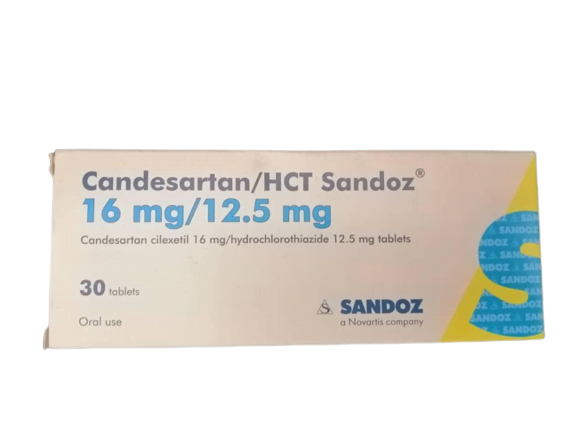
Candesartan HCTZ
Buy Candesartan HCTZ Online
Secure Encrypted Payments
Candesartan HCTZ is a combination blood pressure medicine that pairs candesartan cilexetil with hydrochlorothiazide. It can be ordered online, with current pricing shown during checkout and dose strengths selected to match the directions from your healthcare professional. Commonly published tablet strengths include 16/12.5 mg, 32/12.5 mg, and 32/25 mg, although the exact strength supplied depends on the medicine selected and the labeled bottle.
This combination is used for adults with high blood pressure when treatment with one medicine alone may not provide enough control. Candesartan helps relax blood vessels, while hydrochlorothiazide helps the body remove extra salt and water. Together, these actions can reduce pressure inside the blood vessels and support a long-term hypertension plan.
Candesartan HCTZ Price, Strengths, and Ordering
Current Candesartan HCTZ price information is shown with the product choices during ordering. If you pay without insurance, the displayed cash-pay cost can help you plan refills before you commit to a quantity or strength. Pricing may vary by strength, supply quantity, and pharmacy sourcing.
Choose the strength that matches your current directions. Candesartan hydrochlorothiazide tablets are commonly referenced as candesartan HCTZ 16/12.5 mg tablets, candesartan HCTZ 32/12.5 mg tablets, and candesartan HCTZ 32/25 mg tablets. These strengths describe the amount of candesartan cilexetil first and hydrochlorothiazide second.
BorderFreeHealth offers US delivery from Canada through licensed pharmacy channels. Your order details may be reviewed for accuracy before the pharmacy supplies the medicine. If your treatment plan is stable, ask your clinician whether a longer refill interval is appropriate, because fewer refill cycles may be more convenient.
Quick tip: Match the tablet strength to the most recent label or written directions, especially after any dose change.
What This Medicine Treats
Candesartan HCTZ treats hypertension, also called high blood pressure. Long-term high blood pressure increases strain on the heart, blood vessels, kidneys, and brain. Lowering blood pressure can reduce the risk of serious cardiovascular events when medicine is used as part of an overall care plan.
This medicine is usually considered when a single blood pressure agent is not enough or when a clinician wants the convenience of two active ingredients in one tablet. It may also be used when a person already takes candesartan and hydrochlorothiazide separately and needs a simpler once-daily routine. For condition-specific information, browse hypertension treatment options.
Combination therapy does not replace lifestyle measures. A balanced eating pattern, lower sodium intake when advised, regular physical activity, weight management, limited alcohol, and home blood pressure tracking can all support treatment. Your care team can set a target range based on your age, other conditions, and kidney function.
How Candesartan and Hydrochlorothiazide Work Together
Candesartan cilexetil is an angiotensin II receptor blocker, often shortened to ARB. ARBs block a hormone signal that tightens blood vessels. When blood vessels relax, the heart can pump against less resistance, which helps lower blood pressure.
Hydrochlorothiazide is a thiazide diuretic, sometimes called a water pill. It helps the kidneys remove sodium and water through urine. This can lower fluid volume and improve the blood pressure response when combined with an ARB.
Atacand HCT tablets contain the same two active ingredients: candesartan cilexetil and hydrochlorothiazide. Brand and generic naming can differ by country, so the active ingredients and strength on the label matter more than the name alone. If your tablet appearance changes after a refill, confirm the label strength before taking it.
How to Take the Tablets
Most people take this combination once daily. It can be taken with or without food, but taking it at the same time each day can make the routine easier to remember. Swallow the tablet with water unless your healthcare professional gives different instructions.
Because hydrochlorothiazide can increase urination, some people prefer taking the dose earlier in the day. If dizziness occurs, sit or lie down until it passes and rise slowly from a seated position. Do not change the dose or stop treatment abruptly without medical guidance, because blood pressure can rise again.
If you miss a dose, take it when remembered on the same day. If it is close to the next scheduled dose, skip the missed tablet and return to the regular schedule. Do not take two doses together to make up for one that was missed.
Storage, Refills, and Travel
Store the tablets at room temperature in a dry place away from heat, direct light, and moisture. Keep the bottle tightly closed and out of reach of children and pets. A bathroom cabinet is not ideal because humidity can affect many tablets.
When traveling, keep the medicine in hand luggage inside the original labeled container. Carrying a current medication list can help if you need care away from home. For longer trips, plan refills early and allow time for prompt, express shipping.
If your dose changes, follow the newest labeled instructions and separate older containers so you do not mix strengths. Ask a pharmacist or local waste program how to discard unused tablets safely. Do not share blood pressure medicine with anyone else, even if they have similar readings.
Side Effects, Warnings, and Monitoring
Common side effects of candesartan HCTZ may include dizziness, lightheadedness, fatigue, headache, nausea, increased urination, and muscle cramps. Dizziness is especially possible when treatment starts or after a dose increase. Staying hydrated as directed and standing up slowly may reduce lightheadedness.
Hydrochlorothiazide can change electrolyte levels, including sodium, potassium, and magnesium. Candesartan may raise potassium in some people, while hydrochlorothiazide may lower it, so blood tests help guide safe use. Kidney function monitoring is also important, especially for older adults or people with kidney disease, heart failure, or dehydration risk.
Serious reactions are uncommon but need urgent attention. Seek medical help for swelling of the face, lips, tongue, or throat; trouble breathing; fainting; severe weakness; very low urine output; or signs of a severe allergic reaction. ARB medicines can harm an unborn baby, so pregnancy requires prompt medical contact and a different plan.
Hydrochlorothiazide has been associated with rare eye problems, including sudden vision changes, eye pain, or acute angle-closure glaucoma. These symptoms can occur within hours to weeks after starting a sulfonamide-derived medicine. Sudden eye symptoms should be treated as urgent.
People with diabetes may need closer glucose monitoring because thiazide diuretics can affect blood sugar. Those with gout should discuss uric acid concerns because hydrochlorothiazide may raise uric acid in some patients. Skin sensitivity to sunlight can also occur, so protective clothing and sunscreen may be useful.
Food, Alcohol, and Drug Interactions
Ask your healthcare professional whether you should limit potassium-rich salt substitutes or potassium supplements. Some salt substitutes contain potassium chloride, which can raise potassium when taken with an ARB. Foods such as bananas, oranges, tomatoes, and potatoes are not automatically forbidden, but your diet should fit your lab results and kidney function.
Alcohol can increase dizziness or lightheadedness. Nonsteroidal anti-inflammatory drugs, such as ibuprofen or naproxen, may reduce blood pressure control and can affect kidney function when used with ARBs and diuretics. Lithium levels can rise when taken with thiazide diuretics, so this combination needs careful medical supervision.
Other blood pressure medicines, potassium-sparing diuretics, certain heart medicines, diabetes medicines, and over-the-counter cold products may also matter. Bring a complete list of medicines, vitamins, minerals, and herbal supplements to appointments. For broader category browsing, see cardiovascular medicines.
Who Should Discuss Alternatives
Candesartan HCTZ is not suitable for everyone. People who are pregnant, planning pregnancy, or breastfeeding should discuss risks and alternatives. Those with anuria, severe kidney problems, significant dehydration, severe electrolyte imbalance, or prior allergic reactions to either active ingredient need individualized review.
Hydrochlorothiazide is a sulfonamide-derived medicine. A history of sulfonamide allergy does not always predict the same reaction to every related medicine, but it should be discussed before treatment. People with liver disease, kidney disease, lupus, gout, diabetes, or a history of severe dizziness may need closer monitoring.
Older adults may be more sensitive to dehydration, low blood pressure, and electrolyte changes. Home blood pressure readings can help your clinician understand whether the dose is working throughout the day. Record the date, time, and reading, and note symptoms such as dizziness or swelling.
How It Compares With Related Blood Pressure Options
Candesartan HCTZ combines an ARB with a thiazide diuretic in one tablet. That differs from taking candesartan alone, hydrochlorothiazide alone, or a separate medicine from another class. Combination tablets can simplify a routine, but they also make it harder to adjust only one ingredient without changing the whole tablet.
Some adults use an ACE inhibitor instead of an ARB. ACE inhibitors and ARBs both affect the renin-angiotensin system, but they are not the same medicines and have different tolerability considerations. Calcium channel blockers, beta blockers, and other diuretics may be used depending on heart rate, kidney function, diabetes status, age, and other medical needs.
If your clinician wants a different cardiovascular approach, they may consider medicines from other classes. Country of origin may also influence which manufacturer or package is supplied, and you can browse medicines associated with Canada when that detail matters to your refill planning. For educational articles across heart and blood pressure topics, visit the cardiovascular articles section.
Questions to Ask Before Starting or Refilling
- Which tablet strength should I use, and has my dose changed?
- What blood pressure range should I track at home?
- How often should kidney function and electrolytes be tested?
- Should I limit potassium supplements, salt substitutes, or alcohol?
- Which pain relievers are safest with my blood pressure plan?
- What symptoms mean I should call urgently?
- Should I take the tablet in the morning to avoid nighttime urination?
Bring recent blood pressure readings and lab results when possible. Those details help your healthcare professional decide whether the current strength remains appropriate. If you have swelling, fainting, severe cramps, confusion, or sudden vision changes, do not wait for a routine appointment.
Authoritative Sources
For full safety details, consult official labeling and clinician-reviewed references. These sources support the medical information summarized above:
- Official Atacand HCT prescribing information
- Mayo Clinic: candesartan and hydrochlorothiazide oral route
This content is for informational purposes only and is not a substitute for professional medical advice.
Blood Pressure Average Calculator
Average home blood pressure readings and show a simple screening range.
Average BP
-
entered readings only
Range
-
screening category
These calculations are for education only and do not replace clinical advice, diagnosis, or treatment. Always confirm medical decisions with a qualified healthcare professional.
Mean Arterial Pressure Calculator
Calculate estimated mean arterial pressure from systolic and diastolic blood pressure.
MAP
-
DBP + one-third pulse pressure
These calculations are for education only and do not replace clinical advice, diagnosis, or treatment. Always confirm medical decisions with a qualified healthcare professional.
Pulse Pressure Calculator
Calculate pulse pressure from systolic and diastolic blood pressure.
Pulse pressure
-
SBP - DBP
These calculations are for education only and do not replace clinical advice, diagnosis, or treatment. Always confirm medical decisions with a qualified healthcare professional.
eGFR Calculator
Estimate kidney filtration using the 2021 CKD-EPI creatinine equation.
eGFR
-
mL/min/1.73 m2
G category
-
requires clinical context
These calculations are for education only and do not replace clinical advice, diagnosis, or treatment. Always confirm medical decisions with a qualified healthcare professional.
Corrected Sodium Calculator
Estimate sodium corrected for hyperglycemia using common 1.6 and 2.4 correction factors.
Corrected sodium
-
1.6 factor
Corrected sodium
-
2.4 factor
These calculations are for education only and do not replace clinical advice, diagnosis, or treatment. Always confirm medical decisions with a qualified healthcare professional.
Express Shipping - from $29.99
Shipping with this method takes 3-5 days
Prices:
- Dry-Packed Products $29.99
- Cold-Packed Products $39.99
Shipping Countries:
- United States (all contiguous states**)
- Worldwide (excludes some countries***)
Standard Shipping - $19.99
Shipping with this method takes 5-10 days
Prices:
- Dry-Packed Products $19.99
- Not available for Cold-Packed products
Shipping Countries:
- United States (all contiguous states**)
- Worldwide (excludes some countries***)
What are the side effects of Candesartan HCTZ?
Common side effects can include dizziness, lightheadedness, fatigue, headache, nausea, increased urination, and muscle cramps. Serious symptoms such as facial swelling, trouble breathing, fainting, very low urine output, or sudden vision changes need urgent medical attention.
What foods should you avoid while taking candesartan HCTZ?
Most foods are not automatically off limits, but potassium supplements and potassium-containing salt substitutes may be a concern with candesartan. Your potassium intake should match your kidney function, lab results, and clinician’s guidance.
How does candesartan HCTZ affect the eyes?
Hydrochlorothiazide has been linked to rare sudden eye problems, including acute angle-closure glaucoma. Seek urgent care for sudden vision changes, eye pain, redness, or severe headache after starting the medicine.
What is the number one side effect of hydrochlorothiazide?
Increased urination is one of the most expected effects because hydrochlorothiazide is a diuretic. Some people also notice dizziness or electrolyte changes, which is why blood pressure checks and periodic lab monitoring may be recommended.
Is Candesartan HCTZ the same as Atacand HCT?
Atacand HCT is a brand name for tablets containing candesartan cilexetil and hydrochlorothiazide. Generic versions may use the active ingredient names, so the strength and label directions are important to confirm.
Rewards Program
Earn points on birthdays, product orders, reviews, friend referrals, and more! Enjoy your medication at unparalleled discounts while reaping rewards for every step you take with us.
You can read more about rewards here.
POINT VALUE
How to earn points
- 1Create an account and start earning.
- 2Earn points every time you shop or perform certain actions.
- 3Redeem points for exclusive discounts.
You Might Also Like
Select options
This product has multiple variants. The options may be chosen on the product page
Select options
This product has multiple variants. The options may be chosen on the product page
Select options
This product has multiple variants. The options may be chosen on the product page
Select options
This product has multiple variants. The options may be chosen on the product page