

Please note: a valid prescription is required for all prescription medication.
Dexilant
Dexilant: Buy With Prescription and Safety Basics
Price:
$229.99
Secure Encrypted Payments
Dexilant is a prescription proton pump inhibitor used to treat persistent heartburn and other acid-related symptoms linked to gastroesophageal reflux disease (GERD). Ships from Canada to US access may be relevant for people paying cash without insurance. This page explains what the medication does, how it’s commonly used on the label, and what to watch for so key details are easier to review.
It focuses on practical basics: strengths and forms, usage instructions for delayed-release capsules, interaction cautions, and storage considerations. For background on the condition itself, see the Gastroesophageal Reflux Disease hub and the related Gastroesophageal Reflux Disease Guide.
What Dexilant Is and How It Works
Dexlansoprazole belongs to a class called proton pump inhibitors (acid-reducers). This treatment lowers the amount of acid made in the stomach by blocking the final step of acid production in acid-secreting cells. Lower acid levels can help reduce burning discomfort and allow irritated tissue in the esophagus to heal. The capsule uses a delayed-release design intended to provide acid control over time.
Some people use this therapy for symptom control, while others use it to help heal erosive esophagitis (inflammation and injury of the esophagus lining) and maintain healing. Each prescription is verified with the original prescriber before dispensing.
Why it matters: Lowering acid can ease symptoms, but long-term acid suppression has specific risks to review.
Who It’s For
This medicine is commonly prescribed for adults with GERD symptoms such as frequent heartburn or regurgitation, and for specific cases of erosive esophagitis. Label uses may include healing of erosive esophagitis and maintenance of healed erosive esophagitis, as well as treatment of heartburn related to non-erosive reflux disease. Condition overviews and symptom checklists are available in the Acid Reflux and Erosive Esophagitis hubs.
It may not be appropriate for everyone. The product labeling lists contraindications such as a known allergy to the active ingredient or certain components. Proton pump inhibitors can also be inappropriate with specific HIV medicines (antiretrovirals) that require stomach acid for absorption, and they may not be the right choice when alarm symptoms are present (for example, trouble swallowing, vomiting blood, or unexplained weight loss). A prescriber can confirm whether symptoms fit reflux, another condition, or a mixed cause.
Dosage and Usage
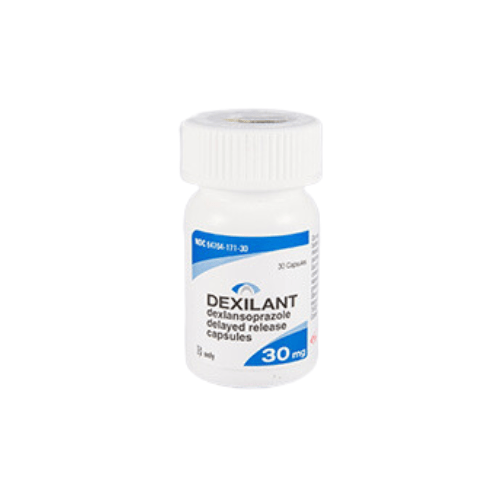
On the label, dosing depends on the condition being treated and the treatment goal. Regimens are typically once daily, with different strengths used for healing versus maintenance. For example, symptomatic non-erosive GERD is often treated for a defined course, while healing erosive esophagitis may use a higher strength for a limited duration before stepping to maintenance. A Dexilant 30 mg regimen is one of the common label-based options, but the correct schedule is individualized by the prescriber.
Delayed-release capsules are generally swallowed whole. The capsule should not be crushed or chewed because that can affect the delayed-release system. If swallowing is difficult, labeling may allow opening the capsule and giving the granules with soft food (such as applesauce) or water-based methods; the key is to avoid chewing the granules and to follow the specific instructions provided by the pharmacy and prescriber.
- Timing: Take as directed, consistently.
- Missed doses: Follow the label; avoid doubling.
- Course length: Use the prescribed duration.
Strengths and Forms
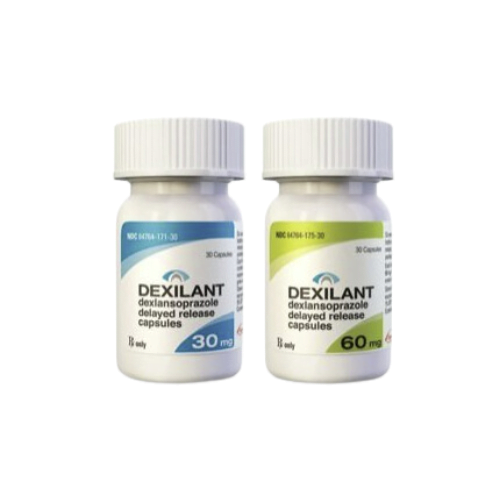
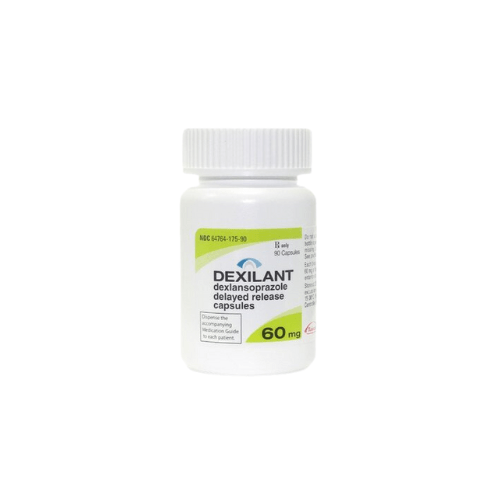
This product is supplied as delayed-release capsules. In practice, the most discussed options are dexlansoprazole 30 mg and dexlansoprazole 60 mg. Some listings may describe the higher strength as dexlansoprazole delayed release capsules 60 mg or dexlansoprazole 60mg dr capsules. Availability can vary by pharmacy and by whether brand or generic is dispensed.
The strength choice often reflects the indication (symptom control versus healing and maintenance) and the prescriber’s plan for follow-up. Some people recognize the brand packaging labeled as a dexilant 60 mg capsule, but the active ingredient and delayed-release design are what determine how the therapy works.
| Strength | Form | Typical label context |
|---|---|---|
| 30 mg | Delayed-release capsule | Symptom control or maintenance (as prescribed) |
| 60 mg | Delayed-release capsule | Healing erosive esophagitis (as prescribed) |
Storage and Travel Basics
Store the capsules at room temperature, away from excess heat and moisture. Keep the medicine in its original container until it’s time to take a dose, and make sure the lid is closed tightly. Bathrooms and kitchen counters near sinks can be humid, which may be a poor long-term storage spot. Always keep prescription medications out of reach of children and pets.
For travel, use a carry-on bag when possible and keep the pharmacy label available for identification. If time zones change, a prescriber or pharmacist can advise how to keep dosing consistent without taking extra doses. Quick tip: Pack a small amount in the original labeled bottle for short trips.
Side Effects and Safety
Like other acid-suppressing therapies, this medication can cause side effects that range from mild to serious. Commonly reported reactions with dexlansoprazole include gastrointestinal symptoms (such as diarrhea, nausea, or abdominal discomfort) and other nonspecific effects (such as headache). Many effects are manageable, but persistent symptoms should be reviewed to confirm they are medication-related rather than a sign of an uncontrolled condition.
More serious risks are uncommon but important to recognize. Proton pump inhibitors have class warnings about Clostridioides difficile-associated diarrhea, low magnesium with prolonged use, vitamin B12 deficiency with longer therapy, kidney inflammation (acute interstitial nephritis), and possible fracture risk in certain populations. People taking a Dexilant PPI should seek urgent evaluation for severe or watery diarrhea that doesn’t resolve, signs of an allergic reaction, black stools, or severe chest pain.
- Common: GI upset, headache, diarrhea.
- Serious: Severe diarrhea, allergic reactions, kidney symptoms.
- Long-term: Magnesium, B12, bone health considerations.
For additional context, the Side Effects Guide summarizes symptoms that are often discussed with this class.
Drug Interactions and Cautions
Acid suppression can change how certain medicines are absorbed. Drugs that need an acidic environment may become less effective, including some antifungals and certain HIV treatments. PPIs are generally contraindicated with rilpivirine-containing products because reduced absorption can lead to treatment failure. Other interactions may involve changes in exposure or monitoring needs, such as with digoxin, warfarin (monitoring INR), tacrolimus, and high-dose methotrexate.
Share a complete medication list with the prescriber, including vitamins and herbals. Include any history of low magnesium, osteoporosis, kidney disease, or autoimmune conditions. Fulfillment is coordinated through licensed Canadian partner pharmacies.
Lab tests and procedure considerations
Proton pump inhibitors can affect certain laboratory tests, which can matter when clinicians are evaluating symptoms. For example, PPIs may raise chromogranin A levels, a marker sometimes used in the workup for neuroendocrine tumors. This can complicate interpretation if the timing of the test is close to PPI use. Acid suppression can also change results for some diagnostic evaluations of the stomach. If a procedure or specialized test is scheduled, the ordering clinician should know about current and recent PPI use.
Compare With Alternatives
Several options can be used for reflux symptoms, depending on diagnosis, severity, and response. Other proton pump inhibitors include omeprazole, esomeprazole, pantoprazole, and rabeprazole; some people switch within the class based on tolerability or interaction considerations. H2 blockers (histamine-2 receptor antagonists) such as famotidine may be used for milder symptoms or for intermittent relief, though they work differently than PPIs.
Comparisons are best made with a prescriber because symptom patterns and medical history matter. For reference, BorderFreeHealth lists other therapies in the same general area, such as Omeprazole and Famotidine. For broader discussion of switching and generic options, see Generic Alternatives For Acid Reflux.
Pricing and Access
Out-of-pocket costs can vary based on whether brand or generic is dispensed, the strength, and the days’ supply. People often compare dexlansoprazole cost across sources, especially when looking at long-term maintenance therapy. If a prescriber allows substitution, comparing the dexlansoprazole generic price versus brand can be part of a broader access plan.
Dexilant prescription requests placed through this platform require a valid prescription and standard verification with the issuing clinician before dispensing. Cash-pay access can help people managing costs without insurance.
To review site-wide programs that may apply, visit the Promotions Page and confirm eligibility details at the time of request.
Authoritative Sources
For the most reliable details on indications, contraindications, and administration instructions, consult official labeling and trusted clinical references:
FDA prescribing information and approval history: Drugs@FDA database for labeling documents
Patient-friendly medication overview: MedlinePlus dexlansoprazole information
For site actions, submit prescription details in your account and select prompt, express shipping if it fits your timeline.
This content is for informational purposes only and is not a substitute for professional medical advice.
Customer Reviews
4.5 Based on 4 Reviews
Write a Review Filter Reviews:
DM
03/17/2026
Daniel M.  US
USsome what satisfied
This was the longest I have ever had to wait for a prescription to be filled. Took payment on 2/11/26 and didn't get filled and shipped till 3/5/26.
03/18/2026
borderfreehealth.com
Hi Daniel,Thank you for always choosing BorderFreeHealth! We sincerely apologize for the delay and completely understand how frustrating it can be to wait longer than expected. The extended processing time was due to new customs clearance procedures combined with holiday backlogs, which temporarily affected our shipping schedule. We want you to know that your health and satisfaction are our top priorities, and our team is working diligently to ensure that every order is handled with care, accuracy, and speed. We truly appreciate your patience, understanding, and continued trust in us during this time. If you have any questions, concerns, or need assistance with your order, please don’t hesitate to reach out we’re always here to help.Thank you again for trusting us with your health needs. We look forward to serving you better in the future!
DM
09/12/2025
Daniel M. USSatisfied
This item works great.
09/12/2025
borderfreehealth.com
Hi Daniel,Thank you so much for taking the time to share your feedback. We are delighted to know that you are satisfied with your purchase and that the item is working great for you. At Border Free Health, we strive to provide not only safe and effective products but also an experience that gives you confidence and peace of mind with every order.Your trust means a great deal to us and inspires our team to continue delivering the highest standard of care and service. We are always here to support your health and wellness journey and to ensure that your future experiences with us are just as positive.Thank you once again for choosing Border Free Health. We look forward to serving you again and being a trusted partner in your ongoing healthcare needs.
BP
10/14/2024
Barbara P. USMedication
Medication shipped and received wuth no problem.
10/15/2024
borderfreehealth.com
Hi Barbara,Thank you so much for your feedback! We're thrilled to hear that your medication arrived smoothly and without any problems. It’s always our goal to make the process as seamless as possible for you!If you have any questions or need further assistance, please let us know, we're here to support you.Thank you for choosing Border Free Health. Have an amazing day!
BJ
07/19/2024
Barbara J. Prince USDexilant
Medication works very well.
07/22/2024
borderfreehealth.com
Hi Barbara,Thank you for your feedback! We're glad to hear that Dexilant is working well for you. If you have any questions or need further assistance, please don't hesitate to reach out. We're here to support you.Thank you for choosing Border Free Health. Have a great day!
Express Shipping - from $25.00
Shipping with this method takes 3-5 days
Prices:
- Dry-Packed Products $25.00
- Cold-Packed Products $35.00
Shipping Countries:
- United States (all contiguous states**)
- Worldwide (excludes some countries***)
Standard Shipping - $15.00
Shipping with this method takes 5-10 days
Prices:
- Dry-Packed Products $15.00
- Not available for Cold-Packed products
Shipping Countries:
- United States (all contiguous states**)
- Worldwide (excludes some countries***)
Is dexlansoprazole available over the counter?
Dexlansoprazole is generally not sold as an over-the-counter product in the same way as some other heartburn medicines. In many settings it is treated as a prescription therapy, and the brand name Dexilant is typically dispensed with a valid prescription. People may search terms like “dexlansoprazole over the counter” or “dexilant over the counter” because heartburn is common, but PPIs with this ingredient are usually managed under clinician guidance due to interaction and long-term safety considerations.
What is the difference between dexlansoprazole 30 mg and dexlansoprazole 60 mg?
Dexlansoprazole delayed-release capsules are commonly discussed in 30 mg and 60 mg strengths, and the strength selected usually depends on the condition being treated and the goal of therapy. Higher strength regimens are often used for healing erosive esophagitis, while lower strength regimens may be used for symptom control or maintenance of healing. Only a prescriber can determine which strength fits a specific diagnosis, symptom severity, and treatment plan, including how long therapy should continue.
How do I take Dexilant delayed-release capsules?
Dexilant is designed as a delayed-release capsule, so it is typically swallowed whole to preserve the release mechanism. The capsule should not be crushed or chewed. If swallowing capsules is difficult, the official instructions may allow opening the capsule and taking the granules with soft food or using a water-based method, but the granules should not be chewed. Dosing timing and duration should follow the prescription label and the prescriber’s directions, especially when therapy is being used for healing esophagitis.
What side effects should be monitored while taking a Dexilant PPI?
Common side effects can include diarrhea, nausea, abdominal discomfort, or headache. More serious effects are uncommon but important to monitor for, including severe or persistent watery diarrhea (possible C. difficile infection), signs of an allergic reaction, and symptoms that could suggest kidney inflammation (such as decreased urination or flank pain). With longer use, clinicians may also consider magnesium and vitamin B12 status and bone health, depending on risk factors. Any worsening swallowing problems, bleeding, or chest pain should be evaluated urgently.
What medications can interact with dexlansoprazole?
Dexlansoprazole lowers stomach acid, which can reduce absorption of medicines that need an acidic environment. Some HIV medicines are particularly sensitive, and PPIs are generally contraindicated with rilpivirine-containing products. Other interactions may involve monitoring or dose adjustments with medicines such as warfarin (INR checks), digoxin, tacrolimus, or high-dose methotrexate. Acid suppression can also affect certain lab tests, such as chromogranin A. A complete and updated medication list helps clinicians screen for these issues.
What should I ask my clinician before starting or refilling a Dexilant prescription?
Key topics include the confirmed diagnosis (GERD vs erosive esophagitis vs another cause), the planned treatment duration, and what follow-up is expected if symptoms persist. It also helps to ask whether a lower maintenance dose or a step-down plan is appropriate after healing, and whether any monitoring is recommended for long-term therapy (for example magnesium, B12, kidney concerns, or bone health based on risk factors). Share any other medicines, including HIV therapy, anticoagulants, and supplements, to review interaction risks.
Rewards Program
Earn points on birthdays, product orders, reviews, friend referrals, and more! Enjoy your medication at unparalleled discounts while reaping rewards for every step you take with us.
You can read more about rewards here.
POINT VALUE
How to earn points
- 1Create an account and start earning.
- 2Earn points every time you shop or perform certain actions.
- 3Redeem points for exclusive discounts.
How to book an appointment
- 1Create Begin by completing a profile or log into your existing account. This step ensures we have the necessary information to provide you with a service that's tailored to your needs. account and start earning.
- 2Scheduling an appointment with our online booking system is easy. Pick a day and time that suits you. You’ll receive an immediate confirmation, without the wait.
- 3Discuss your concerns and symptoms and receive a thorough diagnosis from one of our licensed doctors during a confidential video appointment.
- 4If you've been prescribed medication, your Rx is sent directly to one of our licensed pharmacies and delivered right to your door.
Get Started
To book an online doctor appointment, register for an account or login. After doing so, you can book your visit on this page.
You Might Also Like
Select options
This product has multiple variants. The options may be chosen on the product page
Select options
This product has multiple variants. The options may be chosen on the product page
Select options
This product has multiple variants. The options may be chosen on the product page
Select options
This product has multiple variants. The options may be chosen on the product page