
Please note: a valid prescription is required for all prescription medication.
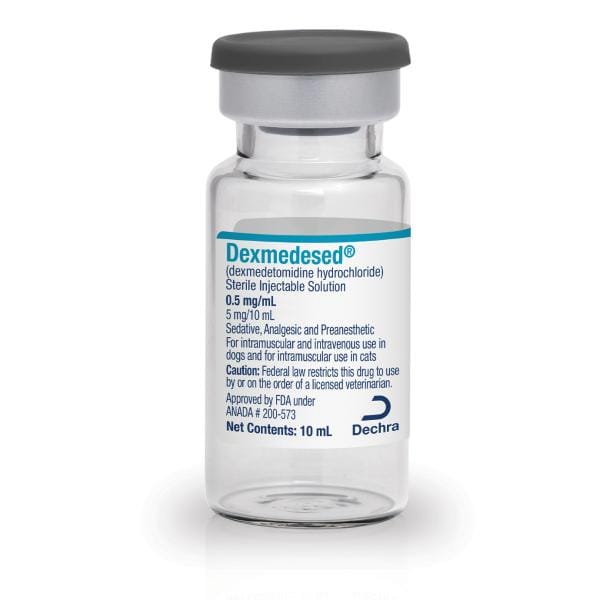
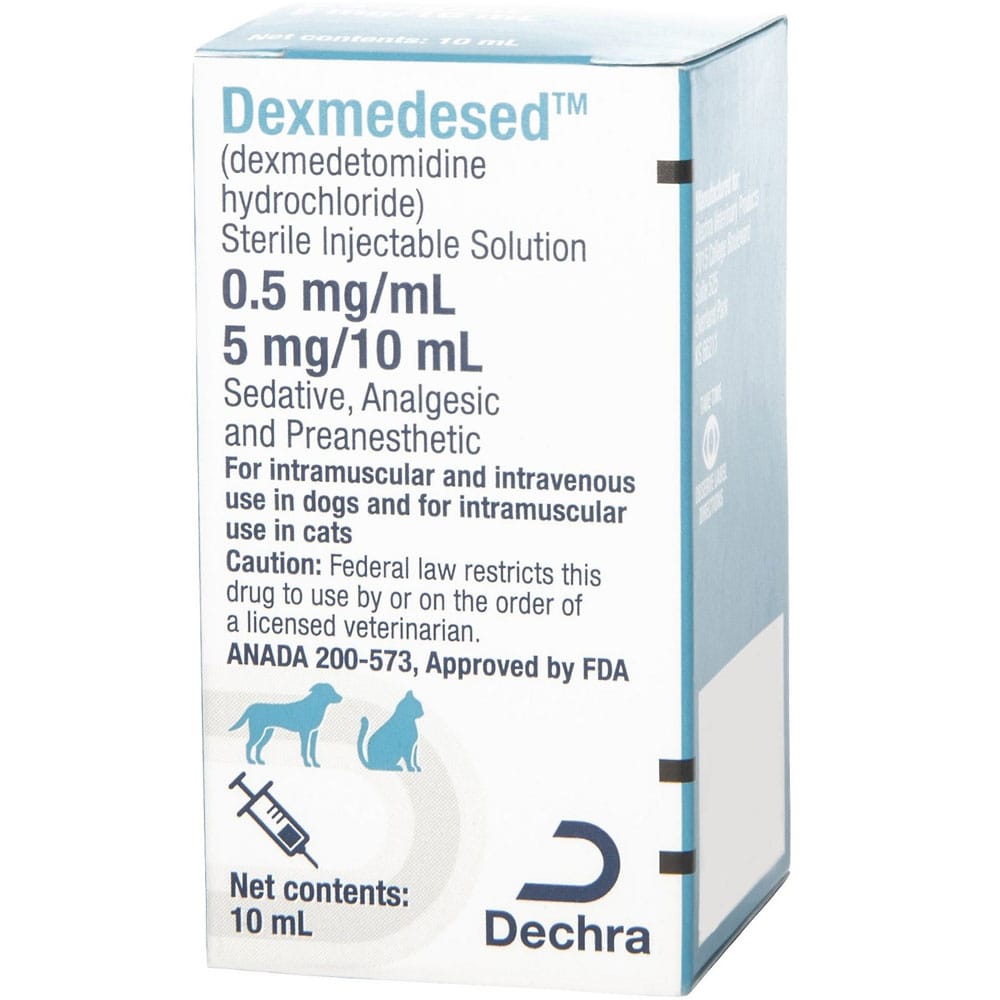
Dexmedesed Vial
Buy Dexmedesed Vial Online
Secure Encrypted Payments
Dexmedesed Vial is a sterile injectable solution containing dexmedetomidine hydrochloride for use in dogs and cats under veterinary direction. You can buy Dexmedesed Vial online, view current price information, and choose the available vial presentation that matches the veterinarian’s written directions and clinic plan.
This medicine is used for sedation, restraint, and analgesia during veterinary examinations, diagnostic handling, and some minor procedures. Because dexmedetomidine can affect heart rate, blood pressure, body temperature, and breathing, it belongs in a monitored veterinary plan rather than casual home experimentation.
Dexmedesed Vial Price and Ordering Details
Dexmedesed Vial is offered as a 0.5 mg/mL, 10 mL sterile injectable solution. The current cash price can be viewed during ordering, and the strength and vial size should be matched carefully to the veterinarian’s directions. A product search may also describe the same item as dexmedetomidine hydrochloride 0.5 mg/mL 10 mL vial, dexmedetomidine injection 0.5 mg/mL 10 mL, or Dexmedesed sterile injectable solution.
For pet owners managing costs without insurance, the out-of-pocket amount may depend on the exact vial presentation, quantity, and pharmacy processing requirements. Keep the pet’s species, body weight, clinic contact information, and intended appointment date close at hand. These details help prevent delays when a veterinary office needs to clarify the medicine, concentration, or planned use.
BorderFreeHealth offers U.S.-from-Canada service options for appropriate medication orders supplied through licensed pharmacies. If logistics matter for a scheduled visit, ask the veterinary clinic how far in advance the vial should arrive and whether the clinic expects the package to remain sealed until the appointment.
Quick tip: Keep the pharmacy label, veterinary instructions, and appointment paperwork together until recovery is complete.
What Dexmedesed Is Used For in Dogs and Cats
Dexmedesed is a veterinary sedative and analgesic injection. Sedation means calming or sleepiness that helps a pet tolerate handling, while analgesic means pain-relieving support. Veterinarians may use dexmedetomidine when a dog or cat needs controlled restraint for an examination, minor procedure, diagnostic imaging, wound care, or another short clinical intervention.
This product is not the same as a general anxiety supplement, a travel calming aid, or an oral pre-visit medicine. Its effects can be more predictable and more intense than many home-use calming approaches, which is why a veterinary team usually determines the dose, route, monitoring level, and recovery plan. For broader category browsing, the sedation medication category can help place this vial among related veterinary sedative options.
Some clinics stock injectable sedatives directly, while others may instruct an owner to obtain a specific vial for a planned appointment. Before ordering, make sure the veterinarian wants Dexmedesed by name, not only a general dexmedetomidine product. Brand, concentration, vial size, and clinic workflow can matter for documentation and safe handling.
Strength, Form, and Product Identity
This item is Dexmedesed Vial, a 0.5 mg/mL, 10 mL sterile injectable solution containing dexmedetomidine hydrochloride. The concentration describes how much active medicine is present in each mL of solution. The 10 mL amount describes the total liquid volume in the vial, not the dose for any one animal.
Product identity matters because veterinary dexmedetomidine products can look similar in search results. Dexmedesed 0.5 mg/mL 10 mL vial, Dexmedesed 10 mL vial, and dexmedetomidine hydrochloride sterile injectable solution may refer to closely related wording, but the veterinarian’s directions should match the actual brand and presentation being purchased.
| Attribute | Practical meaning |
|---|---|
| Active ingredient | Dexmedetomidine hydrochloride, an alpha-2 adrenergic sedative and analgesic agent. |
| Form | Sterile injectable solution intended for veterinary use in dogs and cats. |
| Concentration | 0.5 mg/mL identifies solution strength, not an animal-specific dose. |
| Vial size | 10 mL describes total vial volume for product identification and clinic planning. |
Do not substitute another injectable sedative just because the active ingredient or category sounds familiar. Packaging, concentration, handling expectations, and clinic preference may differ. If the veterinary plan changes before the appointment, use the updated instructions before proceeding with purchase or transport.
How Dosing and Clinic Use Are Decided
Only a veterinarian should decide the dose, route, and monitoring plan for Dexmedesed. The amount can vary by species, body weight, age, health status, temperament, procedure type, and whether other medicines are used at the same time. Online dosing charts are not a safe substitute for an individual plan with an injectable sedative.
A common misunderstanding is the difference between concentration and dose. The 0.5 mg/mL label tells the veterinary team how much dexmedetomidine is in the solution. It does not tell an owner how many mL a dog or cat should receive. Even small differences in volume can matter, especially for small animals or medically fragile pets.
Veterinarians may give Dexmedesed by a route selected for the patient and procedure. They may also combine it with pain medicines, anesthetics, or other sedatives when clinically appropriate. The same vial may therefore be used very differently for a brief exam, diagnostic imaging, nail or wound care, or a minor procedure.
If Dexmedesed has already been used during a clinic visit, follow the discharge instructions exactly. Do not repeat a dose, use leftover medicine, or apply directions from another pet unless the treating veterinarian has specifically instructed that plan for the current animal.
Storage, Handling, and Travel to the Clinic
Many owners never store Dexmedesed at home because it is commonly handled in a veterinary setting. If a vial is dispensed for short-term handling before an appointment, keep it in the original packaging with the pharmacy label attached. Store it where children, pets, and visitors cannot reach it.
The product insert and labeled instructions should guide storage conditions, light precautions, and any after-opening directions. Do not use an expired vial. Contact the pharmacy or veterinary team if the liquid looks unusual, the stopper appears damaged, the label is unclear, or the package has been exposed to inappropriate conditions.
If a sealed vial must travel to the clinic, avoid leaving it in a hot car, direct sunlight, or an unsecured bag. Bring the full package and any paperwork so the veterinary team can identify the exact medicine, concentration, and lot information. Prompt, express shipping may be used when appropriate for the order process, but appointment planning should still allow time for clinic coordination.
Why it matters: Correct storage and intact labeling help the clinic confirm the vial before sedation begins.
Side Effects, Warnings, and Monitoring
Drowsiness and reduced responsiveness are expected effects of Dexmedesed, but safety monitoring goes beyond sleepiness. Dexmedetomidine can slow heart rate, change blood pressure, lower body temperature, and affect breathing. Vomiting, pale gums, weakness, poor coordination, or prolonged recovery may also occur, especially when other sedatives or anesthetic medicines are used.
Veterinary teams may monitor heart rate, respiratory status, temperature, gum color, oxygenation, and recovery while the strongest effects are present. Some pets need additional observation because of age, heart disease, breathing problems, dehydration, shock, severe weakness, systemic illness, or previous reactions to sedatives. These factors can change whether Dexmedesed is appropriate and how closely the pet should be watched.
After a same-day procedure, a pet may seem quieter, less coordinated, or sleepier than usual. Use the discharge instructions from that visit for food, water, walking, stairs, activity restriction, and supervision. If a reversal medicine was used, recovery still deserves attention because companion drugs, procedure stress, and the pet’s health can influence how quickly normal behavior returns.
- Trouble breathing, noisy breathing, or blue gums
- Collapse, marked weakness, or unresponsiveness
- Very slow recovery compared with the clinic’s expectations
- Persistent vomiting or inability to stand
- Cold body temperature, unusual tremors, or severe disorientation
Seek urgent veterinary help if recovery seems abnormal or more intense than the clinic described. Do not combine Dexmedesed with leftover calming drugs, pain medicines, travel sedatives, or supplements unless the veterinary team has reviewed the full medication history.
Interactions and Pets That Need Extra Caution
Interaction review is important because Dexmedesed is often used around other medicines. Opioids, anesthetics, tranquilizers, seizure medicines, and other central nervous system depressants can increase sedation or alter recovery. Medicines that affect heart rate or blood pressure may also influence the veterinary plan.
Before a procedure, tell the clinic about every medication, supplement, injection, flea or tick product, calming product, and recent anesthetic event. Include medicines given for travel, grooming, pain, seizures, anxiety, or chronic disease. A complete history helps the veterinarian decide whether dexmedetomidine fits the patient or whether a different approach is safer.
Extra caution may be needed for very young, senior, frail, dehydrated, hypothermic, or severely ill pets. Dogs and cats with heart disease, breathing disease, shock, severe weakness, or poor circulation may need a different sedative plan or closer monitoring. Breed, temperament, and procedure length can also affect the choice.
- Bring a current medication and supplement list.
- Mention any past reaction to sedation or anesthesia.
- Report coughing, fainting, heart disease, or breathing problems.
- Ask whether food, water, or activity should change before the visit.
How Dexmedesed Compares With Related Sedation Options
No single sedative is best for every pet or every procedure. A veterinarian may compare Dexmedesed with other injectable dexmedetomidine products, tranquilizers, oral pre-visit medicines, or multi-drug anesthetic plans. The choice depends on the animal’s health, the goal of the visit, expected pain, monitoring resources, and desired recovery profile.
Related dexmedetomidine products such as Dexdomitor Vial and Dexvetidine Vial may be discussed when the veterinarian wants the same active ingredient class or a specific clinic protocol. They are not automatically interchangeable without professional direction, because brand, labeling, and presentation may matter.
Other sedative choices work differently. Acevet 25 Injectable may fit certain clinic-directed sedation plans, while Atravet represents a different tranquilizer approach. Oral pre-visit medicines are often chosen for anxiety before travel or appointments, but they are not the same as injectable procedural sedation.
For browsing beyond a single medicine, the pet medications category can help owners organize veterinary products by use context. The final choice should still come from the treating clinic, especially when sedation, pain control, and monitoring are involved.
Questions to Ask Before Your Pet’s Appointment
Good preparation can make a sedation visit safer and less stressful. Ask whether the clinic wants the vial brought unopened, whether they will store it on arrival, and whether the medication is intended for one visit or clinic-directed repeat use. Also ask whether your pet needs fasting, bloodwork, a temperature check, or a heart and lung exam before dosing.
Owners should also ask what recovery should look like at home. Clear instructions about feeding, water, stairs, leash walks, isolation from other pets, and overnight monitoring can prevent confusion after the appointment. If the pet has a medical condition, ask what warning signs should prompt an urgent call.
For anxious pets, discuss whether injectable sedation is truly needed or whether a different pre-visit plan is more appropriate. For painful or more invasive work, ask whether Dexmedesed will be combined with other pain control or anesthetic medicines. These questions help connect the product choice to the actual procedure rather than treating the vial as a stand-alone calming product.
Authoritative Sources
For labeled indications, precautions, adverse reactions, and veterinary use details, see the Dexmedesed drug information on DailyMed.
For manufacturer product information, see Dechra’s Dexmedesed product information.
This content is for informational purposes only and is not a substitute for professional medical advice.
Research & Education Tool
Dexmedesed Vial Dosage Calculator
Enter the vial amount, diluent volume, and target amount to estimate concentration, draw volume on a 1 mL U-100 syringe, and approximate vial yield.
For research and educational use only. Check all values against the product label, certificate of analysis, and any applicable professional guidance before relying on the result.
mg
Concentration
-
mcg / mL
Volume per Dose
-
-
Estimated Draws / Vial
-
rounded down to whole draws
Draw Reference
Enter values to estimate the syringe mark.
0
-
-
-
-
Express Shipping - from $29.99
Shipping with this method takes 3-5 days
Prices:
- Dry-Packed Products $29.99
- Cold-Packed Products $39.99
Shipping Countries:
- United States (all contiguous states**)
- Worldwide (excludes some countries***)
Standard Shipping - $19.99
Shipping with this method takes 5-10 days
Prices:
- Dry-Packed Products $19.99
- Not available for Cold-Packed products
Shipping Countries:
- United States (all contiguous states**)
- Worldwide (excludes some countries***)
What is Dexmedesed Vial used for?
Dexmedesed Vial is used in dogs and cats for veterinary sedation, restraint, and analgesic support during examinations, diagnostic handling, and some minor procedures. A veterinarian should decide whether it fits the pet and procedure.
Is Dexmedesed 0.5 mg/mL 10 mL the dose for my pet?
No. Dexmedesed 0.5 mg/mL describes the concentration of the solution, and 10 mL describes the vial volume. The animal-specific dose and route must come from the veterinary team.
What side effects can Dexmedesed cause in dogs and cats?
Expected sedation may occur. Important concerns include slowed heart rate, blood pressure changes, lower body temperature, breathing effects, vomiting, weakness, pale gums, poor coordination, or prolonged recovery. Contact a veterinarian urgently if recovery seems abnormal.
Can Dexmedesed be used with other sedatives or pain medicines?
Only under veterinary direction. Opioids, anesthetics, tranquilizers, seizure medicines, and other central nervous system depressants can increase sedation or change cardiovascular and breathing effects.
How should Dexmedesed Vial be stored before a clinic visit?
Keep the vial in its original packaging with the label attached, away from children and animals. Follow the labeled storage instructions, avoid heat and direct sunlight during travel, and ask the clinic or pharmacy if the package or solution looks unusual.
Rewards Program
Earn points on birthdays, product orders, reviews, friend referrals, and more! Enjoy your medication at unparalleled discounts while reaping rewards for every step you take with us.
You can read more about rewards here.
POINT VALUE
How to earn points
- 1Create an account and start earning.
- 2Earn points every time you shop or perform certain actions.
- 3Redeem points for exclusive discounts.
You Might Also Like
Select options
This product has multiple variants. The options may be chosen on the product page
Select options
This product has multiple variants. The options may be chosen on the product page
Select options
This product has multiple variants. The options may be chosen on the product page
Select options
This product has multiple variants. The options may be chosen on the product page