
Please note: a valid prescription is required for all prescription medication.
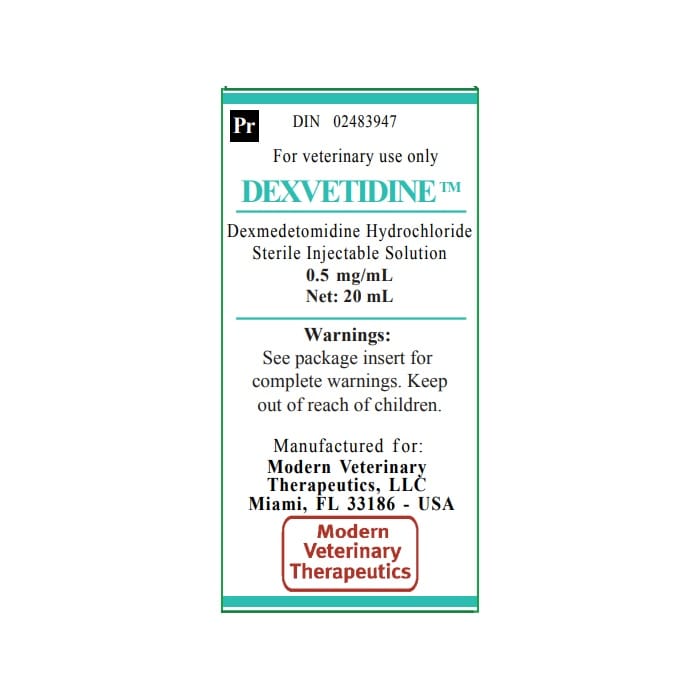
Dexvetidine Vial
Buy Dexvetidine Vial Online
Secure Encrypted Payments
Dexvetidine Vial is a sterile injectable veterinary sedative and analgesic used by trained veterinary professionals for dogs and cats. You can buy Dexvetidine Vial online, view the current price, and choose the vial quantity shown during ordering so it matches the clinic’s protocol and inventory needs.
This dexvetidine veterinary vial contains dexmedetomidine, an alpha-2 adrenergic agonist that helps provide sedation, pain relief, and muscle relaxation during monitored procedures. It is intended for controlled veterinary use, not routine at-home calming or unsupervised administration.
Dexvetidine Vial Price and Cost Considerations
The Dexvetidine Vial price depends on the vial quantity and presentation available during ordering. For a veterinary practice, the practical Dexvetidine Vial cost is tied to concentration, total volume, case volume, storage policy, and how much usable product remains after first puncture under clinic rules.
Injectable sedatives should not be chosen the same way as everyday pet supplies. A vial’s total contents help a clinic plan inventory, but they do not define the dose for an individual dog or cat. The veterinarian determines dosing from species, weight, patient status, procedure type, and the complete sedation or anesthetic plan.
If more than one dexmedetomidine vial appears in your purchasing workflow, match the active ingredient, concentration, volume, and package quantity to the clinic record. Similar names can still represent different presentations or brands, so the vial ordered should align with the protocol used by the veterinary team.
Quick tip: Confirm concentration, vial volume, and quantity before checkout so the order fits clinic use.
How to Order Dexvetidine Vial Online
To order Dexvetidine Vial online, choose the vial quantity needed for professional veterinary use and complete the checkout information accurately. If clinic documentation or order review is requested, keep the animal hospital’s purchasing and prescriber information consistent with internal records.
BorderFreeHealth offers cash-pay cross-border service context for customers purchasing from the United States, and Dexvetidine Vial US delivery from Canada may be part of the ordering pathway. Use the product name and vial presentation rather than a general dexmedetomidine search result when matching the item to clinic needs.
Practices organizing companion-animal medications can browse the Pet Medications category for related veterinary items. That category can help separate procedural injectables from routine outpatient medicines and make clinic purchasing easier to organize.
What This Veterinary Injectable Is Used For
Dexvetidine Vial is used in veterinary medicine to produce sedation, analgesia, and muscle relaxation in dogs and cats when a veterinarian selects it for a monitored procedure. In plain language, it can help an animal remain calm, less reactive, and more manageable during stressful or uncomfortable clinical care.
Veterinarians may use dexvetidine for dogs and cats during examinations, diagnostic imaging, wound care, minor procedures, or as part of preanesthetic medication before general anesthesia. The medicine belongs in a setting where trained staff can monitor heart rate, breathing, temperature, oxygenation, and recovery.
Dexmedetomidine works as an alpha-2 adrenergic agonist. This means it acts on receptors in the nervous system that reduce norepinephrine release, lowering arousal and helping reduce response to painful stimuli. A veterinarian may combine it with opioids, anesthetics, or other sedatives as part of a balanced plan.
Clinics reviewing procedural sedatives can use the Sedation category to place Dexvetidine alongside related veterinary therapies. The final choice depends on the animal, the procedure, staff monitoring, expected recovery, and the clinic’s familiarity with each medicine.
Form, Strength, and Presentation Details
Dexvetidine is supplied as a sterile injectable solution in a vial. Veterinary staff draw measured amounts using aseptic technique and administer the injection according to the veterinarian’s protocol. Exact vial concentration, total volume, and package quantity should be matched to the product label and the clinic’s medication record.
Search results for dexmedetomidine hydrochloride injection may include human hospital products used for intensive care or procedural sedation. Those products are not the same ordering context as a dexvetidine injection vial used in companion-animal practice. Keep species, label use, concentration, and brand identity distinct when reviewing alternatives.
Some dexmedetomidine HCl injection references may mention concentrations such as dexmedetomidine 100 mcg mL injection. A concentration term alone is not enough to confirm the right veterinary item. The safer purchasing step is to match the active ingredient, vial strength, form, and quantity to the clinic’s intended product.
| Attribute | Practical ordering point |
|---|---|
| Form | Sterile injectable solution in a vial |
| Use setting | Veterinary clinic or monitored procedure area |
| Species context | Dogs and cats when selected by a veterinarian |
| Key checks | Active ingredient, concentration, total volume, quantity, and label directions |
Handling, Storage, and Clinic Preparation
Store Dexvetidine Vial in its original packaging according to the label. Keep it protected from conditions the label warns against, and keep all injectable medicines out of reach of children and animals. Do not use a vial if the solution is discolored, contains visible particles, or has a damaged closure.
After a multi-dose vial is first punctured, veterinary staff should use aseptic technique and follow clinic policy for beyond-use dating, documentation, and disposal. These steps protect sterility and also support cost control, because remaining volume may not remain usable indefinitely after first entry.
For clinic transport and receiving, keep the vial secure, upright when practical, and protected from unnecessary temperature stress. If prompt, express shipping is chosen, still follow the product packaging and clinic receiving procedures once the medication arrives.
Why it matters: Proper storage helps preserve product integrity before a veterinarian uses the injection.
Safety, Side Effects, and Monitoring
Dexvetidine Vial should be used only by veterinary professionals trained in sedation, analgesia, and patient monitoring. Dexmedetomidine can cause marked sedation, reduced heart rate, blood pressure changes, slower breathing, vomiting, pale mucous membranes, cool extremities, reduced body temperature, and increased blood glucose.
Serious adverse events can occur, including severe bradycardia, heart block, apnea, low oxygen levels, or prolonged recovery. Risk can increase when alpha-2 agonists are combined with other medicines that depress the central nervous system. Veterinary teams typically monitor heart rhythm, pulse quality, blood pressure, respiratory effort, oxygenation, temperature, and recovery behavior.
This medication may not be suitable for animals with significant cardiovascular disease, respiratory compromise, shock, severe debilitation, or known hypersensitivity to alpha-2 agonists. Extra caution may be needed in very young, geriatric, diabetic, liver-impaired, or kidney-impaired pets. Safety in breeding, pregnant, or lactating animals has not been established.
- Heart monitoring helps detect bradycardia or rhythm changes.
- Breathing checks help identify slowed ventilation or apnea.
- Temperature support may be needed during and after sedation.
- Recovery supervision reduces risk from poor coordination.
- Glucose awareness matters for diabetic or metabolically fragile pets.
Interactions and Reversal Considerations
Alpha-2 agonists can intensify the effects of opioids, benzodiazepines, inhalant anesthetics, and injectable anesthetics. That interaction may be useful in a balanced anesthetic protocol, but it requires individualized dose planning and close monitoring by the veterinary team.
Use with vasoconstrictors or certain sympathomimetic medicines may raise cardiovascular concerns. Anticholinergic medicines can affect heart rate and blood pressure, so timing and need should be evaluated by the clinician. Pet owners should tell the clinic about sedatives, pain medicines, supplements, or over-the-counter products recently given.
A reversal agent such as atipamezole may be used when the veterinarian decides reversal is appropriate. Faster arousal does not remove the need for observation. The animal should be watched until posture, swallowing, body temperature, and coordination are safe enough for discharge.
Clinic Ordering and Inventory Tips
Good candidates are typically dogs and cats that need predictable restraint, sedation, or analgesia for a monitored veterinary procedure. Patients with heart disease, breathing problems, severe weakness, shock, or complex metabolic conditions may need a different approach. The veterinarian weighs those risks before selecting Dexvetidine or another sedative.
For clinic purchasing, align order quantity with procedure volume and storage policy. Too little inventory can disrupt scheduling, while too much can increase waste if beyond-use dating is short after puncture. Keep lot numbers, expiration dates, opening dates, and disposal notes documented according to clinic standards.
- Match the vial to the clinic’s dexmedetomidine protocol.
- Plan inventory around expected case volume.
- Record opening and expiration dates clearly.
- Coordinate syringes, needles, oxygen, and monitoring equipment.
- Train staff on recovery observation and discharge readiness.
Practices that routinely handle sedation cases may also need inhalant anesthetic supplies. Isoflurane is a related anesthetic product used in veterinary settings when an inhalant protocol is appropriate.
Compare With Related Veterinary Sedatives
Veterinary clinics may compare Dexvetidine with other dexmedetomidine products based on active ingredient, concentration, supplier preference, labeling, and protocol familiarity. Dexdomitor Vial is a branded reference option, while Dexmedesed Vial is another related dexmedetomidine injectable product.
Other sedatives can play different roles. Acevet 25 Injectable and Atravet are acepromazine products, which are phenothiazine tranquilizers rather than alpha-2 agonists. They do not provide the same analgesic profile as dexmedetomidine and may not fit the same procedural goals.
When evaluating Dexvetidine Vial cost against another dexmedetomidine injection vial, look beyond the total price. Concentration, total volume, expected uses, opening-date policy, and protocol fit all affect operational value. A lower vial total may not be the best choice if the presentation does not match case needs.
Authoritative Sources
Official labels and regulatory documents help confirm formulation, indication, warnings, and monitoring language. The source below supports general dexmedetomidine injection context and should be used alongside the veterinary label and clinic protocols.
| Source | Link |
|---|---|
| FDA label for dexmedetomidine hydrochloride injection | Official prescribing information |
Order details, vial quantity, storage needs, and clinic documentation should be reviewed before checkout, especially for professional supplies used in monitored sedation and anesthesia workflows.
This content is for informational purposes only and is not a substitute for professional medical advice.
Research & Education Tool
Dexvetidine Vial Dosage Calculator
Enter the vial amount, diluent volume, and target amount to estimate concentration, draw volume on a 1 mL U-100 syringe, and approximate vial yield.
For research and educational use only. Check all values against the product label, certificate of analysis, and any applicable professional guidance before relying on the result.
mg
Concentration
-
mcg / mL
Volume per Dose
-
-
Estimated Draws / Vial
-
rounded down to whole draws
Draw Reference
Enter values to estimate the syringe mark.
0
-
-
-
-
Express Shipping - from $29.99
Shipping with this method takes 3-5 days
Prices:
- Dry-Packed Products $29.99
- Cold-Packed Products $39.99
Shipping Countries:
- United States (all contiguous states**)
- Worldwide (excludes some countries***)
Standard Shipping - $19.99
Shipping with this method takes 5-10 days
Prices:
- Dry-Packed Products $19.99
- Not available for Cold-Packed products
Shipping Countries:
- United States (all contiguous states**)
- Worldwide (excludes some countries***)
What is Dexvetidine Vial used for in dogs and cats?
Dexvetidine Vial is a veterinary dexmedetomidine injectable used by trained professionals to provide sedation, analgesia, and muscle relaxation in dogs and cats during monitored clinical procedures. It is not intended for unsupervised at-home calming.
How should a clinic choose the right Dexvetidine Vial quantity?
Clinics should match the vial quantity, concentration, and total volume to the veterinarian’s protocol, expected case volume, storage policy, and documentation needs. The dose for an individual animal is determined by the veterinarian, not by the vial size alone.
What side effects can dexmedetomidine cause?
Dexmedetomidine can cause marked sedation, slow heart rate, blood pressure changes, slower breathing, vomiting, pale mucous membranes, cool extremities, low body temperature, and increased blood glucose. Serious events such as heart block, apnea, or prolonged recovery require professional monitoring.
How is Dexvetidine different from acepromazine products?
Dexvetidine contains dexmedetomidine, an alpha-2 adrenergic agonist with sedative and analgesic effects. Acepromazine products are phenothiazine tranquilizers and do not provide the same analgesic profile, so veterinarians choose between them based on the patient and procedure.
How should Dexvetidine Vial be stored after opening?
Store the vial according to the product label and clinic policy. After puncturing a multi-dose vial, veterinary staff should use aseptic technique, record opening details, follow beyond-use dating rules, and dispose of any unusable remaining volume appropriately.
Rewards Program
Earn points on birthdays, product orders, reviews, friend referrals, and more! Enjoy your medication at unparalleled discounts while reaping rewards for every step you take with us.
You can read more about rewards here.
POINT VALUE
How to earn points
- 1Create an account and start earning.
- 2Earn points every time you shop or perform certain actions.
- 3Redeem points for exclusive discounts.
You Might Also Like
Select options
This product has multiple variants. The options may be chosen on the product page
Select options
This product has multiple variants. The options may be chosen on the product page
Select options
This product has multiple variants. The options may be chosen on the product page
Select options
This product has multiple variants. The options may be chosen on the product page