
Please note: a valid prescription is required for all prescription medication.
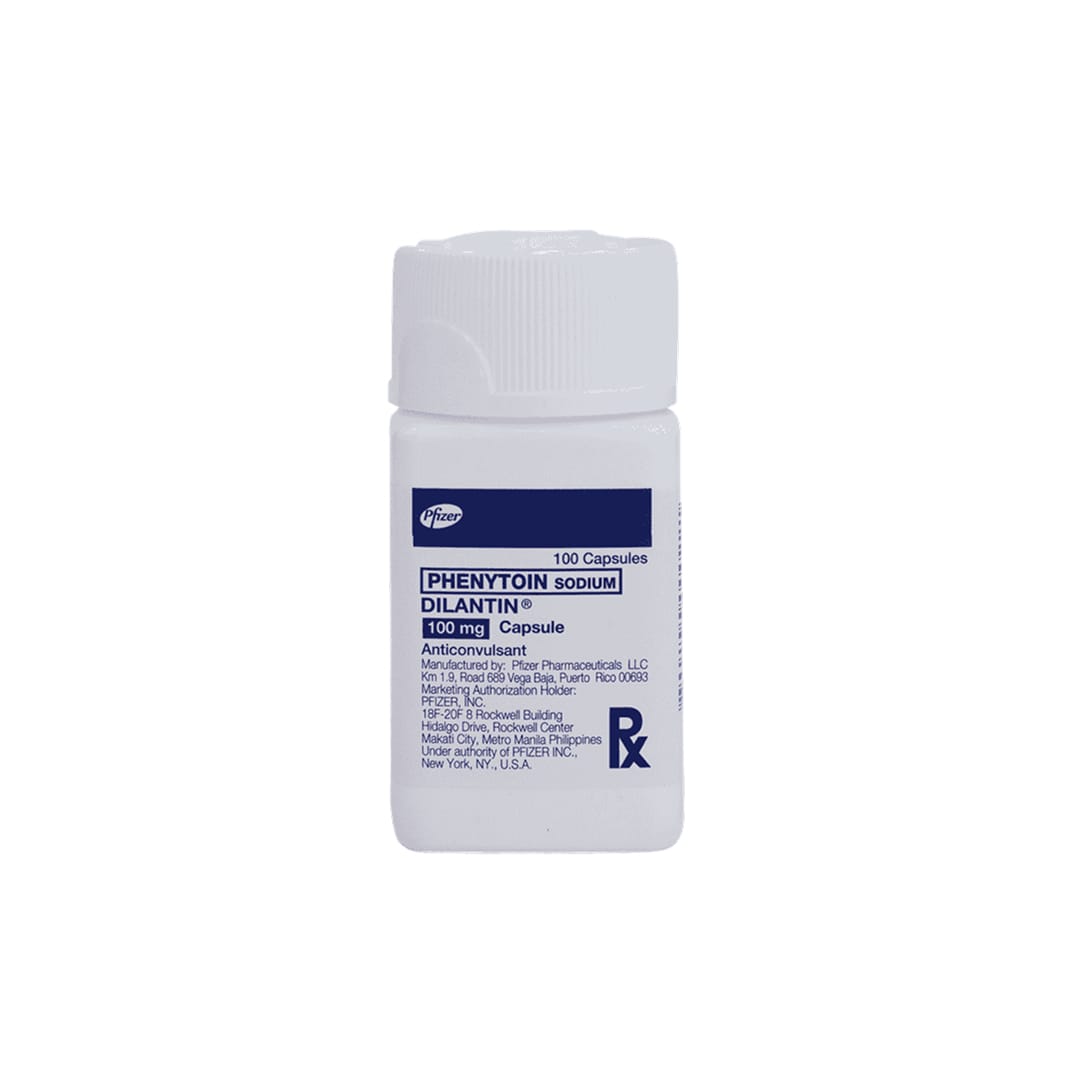
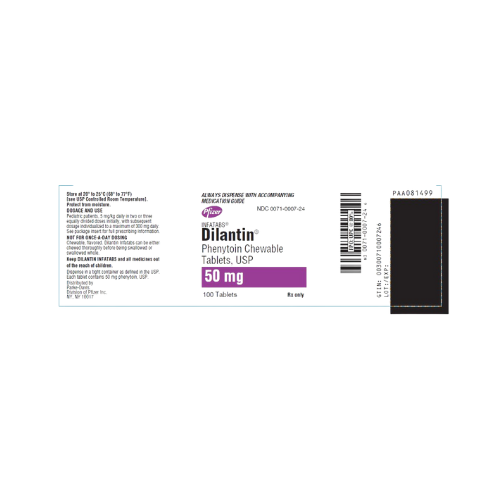
Dilantin Infatabs
Buy Dilantin Infatabs 50 mg Chewable Online
Secure Encrypted Payments
Dilantin Infatabs are 50 mg chewable tablets containing phenytoin, an anti-seizure medicine used for certain seizure types. You can buy Dilantin Infatabs online, view the current cash price during ordering, and match the 50 mg chewable strength to the directions from your clinician. US shipping from Canada is part of the service context for this medication, with products supplied through licensed pharmacies.
Price, Strength, and Ordering Details
Dilantin Infatabs 50 mg is a chewable tablet form of phenytoin. During ordering, choose the strength and quantity shown for this medicine and make sure the selection matches the directions you have been given. The cash price can be reviewed before checkout, which helps when paying out of pocket or planning a refill without insurance coverage.
The 50 mg chewable format may be useful when a smaller tablet is needed or when swallowing capsules is difficult. It is not the same as every other phenytoin form, because tablets, capsules, suspensions, and injections can differ in absorption and handling. A clinician or pharmacist should guide any change between forms so blood levels and seizure control are not disrupted.
Why it matters: Small changes in phenytoin routine can affect blood levels, side effects, and seizure control.
What Dilantin Infatabs Treats
Dilantin Infatabs contain phenytoin, an anticonvulsant medicine. Official labeling describes use for the control of generalized tonic-clonic seizures, sometimes called grand mal seizures, and complex partial seizures, also called psychomotor or temporal lobe seizures. These terms describe seizure patterns, not the full treatment plan, so the right medicine depends on diagnosis, history, and response to therapy.
Phenytoin works by reducing abnormal electrical activity in the brain. Clinicians often describe its action as stabilizing nerve firing through effects on sodium channels. In plain language, it helps make repeated seizure-related nerve firing less likely in people for whom phenytoin is an appropriate therapy.
For broader condition information, the seizures condition section explains seizure-related topics in patient-friendly language. Status epilepticus is a prolonged seizure emergency; the status epilepticus condition section provides context on that urgent condition, but emergency seizure care should never be delayed for online information.
Chewable Tablet Use and Form Differences
Dilantin Infatabs are chewable phenytoin tablets. Chewing thoroughly before swallowing is commonly used for this form, and some people may be told to swallow tablets whole with water. Follow the instructions provided with the medication and the directions from your care team, because administration habits can influence how consistently the medicine is taken.
Infatabs are not extended-release capsules. Phenytoin also exists as extended-release capsules, oral suspension, and injectable forms, but those products have different administration details. Switching from one form to another may require closer monitoring because a milligram-for-milligram change does not always produce the same blood level.
Questions such as whether an Infatab can be crushed should be handled carefully. Since this form is designed as a chewable tablet, chewing may be appropriate when directed, but crushing into food or changing the way it is taken should be discussed with a pharmacist or clinician. This is especially important if the medicine is being given to someone who has trouble swallowing, uses feeding support, or needs a very consistent routine.
Monitoring and Day-to-Day Use
Phenytoin has a narrow therapeutic range, meaning the helpful range and the side-effect range can be close for some people. Blood tests may be ordered to measure phenytoin levels, especially after dose changes, changes in other medicines, changes in health status, or signs of toxicity. Some clinicians also monitor liver function, blood counts, albumin, vitamin D, and bone health during longer-term therapy.
Consistency matters with anti-seizure medicine. Taking tablets at the same time each day, using the same form unless directed otherwise, and keeping refill timing steady can help avoid gaps. Abruptly stopping phenytoin can increase seizure risk, so changes are usually made gradually under medical supervision.
Missed-dose questions should be answered by the medication instructions or a clinician familiar with the treatment plan. Avoid doubling doses unless specifically directed. If repeated doses are missed, seizures increase, or new side effects appear, prompt medical guidance is important.
Side Effects, Warnings, and When to Seek Help
Common side effects of phenytoin can include dizziness, drowsiness, unsteadiness, nausea, vomiting, constipation, and vision changes such as nystagmus, which means involuntary eye movements. Some people notice coordination problems or slowed thinking. Until the individual response is known, caution is reasonable with driving, machinery, climbing, or other tasks requiring alertness and balance.
Longer use may contribute to gum swelling or gum overgrowth. Good oral hygiene and regular dental care can help reduce problems, and dental professionals should know that phenytoin is being used. Longer-term therapy may also affect vitamin D and bone health in some people, especially when other risk factors are present.
Serious reactions need urgent evaluation. Seek medical help right away for rash with blistering or peeling, facial swelling, fever, swollen glands, severe weakness, unusual bruising or bleeding, yellowing of the skin or eyes, dark urine, severe confusion, worsening coordination, or thoughts of self-harm. Rare but severe skin reactions have been reported with phenytoin, including Stevens-Johnson syndrome and toxic epidermal necrolysis. Risk can be higher in certain genetic backgrounds, and clinicians may consider testing in selected patients.
Phenytoin is not appropriate for everyone. People with a known allergy to phenytoin or related hydantoin medicines should not use it. Extra caution may be needed with liver disease, low albumin, certain heart rhythm conditions, alcohol use disorder, blood disorders, mood disorders, or a history of severe medication rash. Pregnancy planning deserves early discussion because seizure control and fetal risks both matter.
Drug Interactions and Practical Cautions
Phenytoin has many drug interactions because it can affect liver enzymes that process medicines, and other medicines can change phenytoin levels. Important interaction categories include warfarin and other anticoagulants, hormonal contraception, some antifungals, certain antibiotics, other seizure medicines, HIV therapies, cancer treatments, and some heart medicines. St. John’s wort and other supplements can also matter.
Interactions can cause either low phenytoin levels, which may increase seizure risk, or high levels, which may cause toxicity. Signs of high levels can include marked drowsiness, confusion, slurred speech, severe unsteadiness, involuntary eye movements, or vomiting. A current list of prescription medicines, over-the-counter products, vitamins, and herbal supplements helps clinicians and pharmacists identify avoidable problems.
Alcohol can complicate phenytoin therapy. Heavy ongoing use, sudden changes in drinking patterns, or binge drinking may affect levels, side effects, and seizure risk. Anyone using alcohol while taking phenytoin should discuss safe limits and monitoring with a clinician.
Storage, Travel, and Delivery Handling
Store Dilantin Infatabs at room temperature in a dry place, away from excess heat and moisture. Keep tablets in the original labeled container when possible, with the lid tightly closed. Avoid storing them in bathrooms, cars, or unmarked containers for long periods because heat, humidity, and mix-ups can create avoidable risk.
Quick tip: Keep the labeled container with you when traveling.
For travel, carry the medication in hand luggage rather than checked baggage when possible. Time-zone changes can make dose timing confusing, so plan ahead if you take medicine at set times. If tablets become crumbly, discolored, or have an unusual odor, ask a pharmacist whether they should be replaced.
Prompt, express shipping may be available during checkout. Plan refills before tablets run low, especially with medicines used for seizure control, because gaps can be medically important.
How Dilantin Infatabs Compare With Other Seizure Medicines
Dilantin Infatabs may be considered when phenytoin is appropriate and a chewable 50 mg tablet fits the treatment routine. Other anti-seizure medicines may be chosen depending on seizure type, age, other health conditions, pregnancy plans, interaction risk, side effects, and monitoring preferences. No single anti-seizure medicine is best for everyone.
Some alternatives have fewer enzyme-related interactions than phenytoin, while others may have different mood, skin, blood, liver, or cognitive effects. Form also matters. A chewable tablet can help some people take medicine more reliably, while an extended-release capsule may be simpler for others.
For related product context, Keppra medication information may help when discussing levetiracetam, and Tegretol medication information may help when carbamazepine is part of the conversation. The neurology medicine category includes additional nervous-system therapies for browsing, and the neurology article collection covers broader care topics.
Questions to Ask Before or During Treatment
Useful questions include which seizure type is being treated, how often blood levels should be measured, what side effects should trigger a call, and whether other medicines or supplements need adjustment. Ask whether dental care, bone health monitoring, pregnancy planning, or contraception counseling should be part of the plan.
If the medicine is for a child, older adult, or someone who needs help taking tablets, ask how the chewable form should be used and what to do if swallowing or chewing becomes difficult. If therapy is long term, discuss refill timing and what to do during illness, vomiting, missed doses, or travel.
Authoritative Sources
For official labeling on indications, safety, and administration, see DailyMed Dilantin Infatabs labeling.
For patient-friendly information about phenytoin precautions and side effects, see MedlinePlus phenytoin information.
This content is for informational purposes only and is not a substitute for professional medical advice.
BMI Calculator
Estimate adult body mass index from height and weight, with metric and imperial units.
BMI
-
kg/m2 equivalent
Category
-
Adult screening range
These calculations are for education only and do not replace clinical advice, diagnosis, or treatment. Always confirm medical decisions with a qualified healthcare professional.
Body Surface Area Calculator
Calculate body surface area from height and weight using the Mosteller equation.
BSA
-
m2, Mosteller equation
These calculations are for education only and do not replace clinical advice, diagnosis, or treatment. Always confirm medical decisions with a qualified healthcare professional.
Ideal & Adjusted Body Weight Calculator
Estimate ideal body weight with the Devine equation and adjusted body weight when actual weight is above the estimate.
Ideal body weight
-
Devine equation
Adjusted body weight
-
IBW + 0.4 x excess weight
Difference from IBW
-
actual minus ideal
These calculations are for education only and do not replace clinical advice, diagnosis, or treatment. Always confirm medical decisions with a qualified healthcare professional.
Express Shipping - from $29.99
Shipping with this method takes 3-5 days
Prices:
- Dry-Packed Products $29.99
- Cold-Packed Products $39.99
Shipping Countries:
- United States (all contiguous states**)
- Worldwide (excludes some countries***)
Standard Shipping - $19.99
Shipping with this method takes 5-10 days
Prices:
- Dry-Packed Products $19.99
- Not available for Cold-Packed products
Shipping Countries:
- United States (all contiguous states**)
- Worldwide (excludes some countries***)
What class of drug is Dilantin Infatabs?
Dilantin Infatabs contain phenytoin, an anticonvulsant or anti-seizure medicine. It helps reduce abnormal electrical activity in the brain and is used for certain seizure types when clinically appropriate.
Is Dilantin Infatabs chewable?
Yes. Dilantin Infatabs are 50 mg chewable phenytoin tablets. They are commonly chewed thoroughly before swallowing, although individual instructions should follow the medication label and clinician guidance.
What are Infatabs?
Infatabs are a chewable tablet form of Dilantin. For this product, each tablet contains 50 mg phenytoin. The form may help when a smaller tablet or chewable administration is preferred.
Can Dilantin Infatabs be crushed?
Dilantin Infatabs are designed as chewable tablets, but crushing them into food or changing how they are taken should be discussed with a pharmacist or clinician. Consistent administration is important with phenytoin.
What side effects can Dilantin Infatabs cause?
Common effects can include dizziness, drowsiness, nausea, unsteadiness, constipation, and involuntary eye movements. Seek urgent care for severe rash, swelling, unusual bleeding, yellowing skin or eyes, severe confusion, or thoughts of self-harm.
How are Dilantin Infatabs different from Dilantin capsules?
Dilantin Infatabs are chewable 50 mg tablets, while Dilantin capsules may be extended-release forms. These forms can differ in absorption and dosing routine, so switching should be guided by a clinician or pharmacist.
Does phenytoin require monitoring?
Often, yes. Phenytoin blood levels may be monitored because small changes can affect seizure control or side effects. Clinicians may also monitor liver function, blood counts, albumin, vitamin D, or bone health during longer use.
Rewards Program
Earn points on birthdays, product orders, reviews, friend referrals, and more! Enjoy your medication at unparalleled discounts while reaping rewards for every step you take with us.
You can read more about rewards here.
POINT VALUE
How to earn points
- 1Create an account and start earning.
- 2Earn points every time you shop or perform certain actions.
- 3Redeem points for exclusive discounts.
You Might Also Like
Select options
This product has multiple variants. The options may be chosen on the product page
Select options
This product has multiple variants. The options may be chosen on the product page
Select options
This product has multiple variants. The options may be chosen on the product page
Select options
This product has multiple variants. The options may be chosen on the product page