
Shipping with this method takes 3-5 days
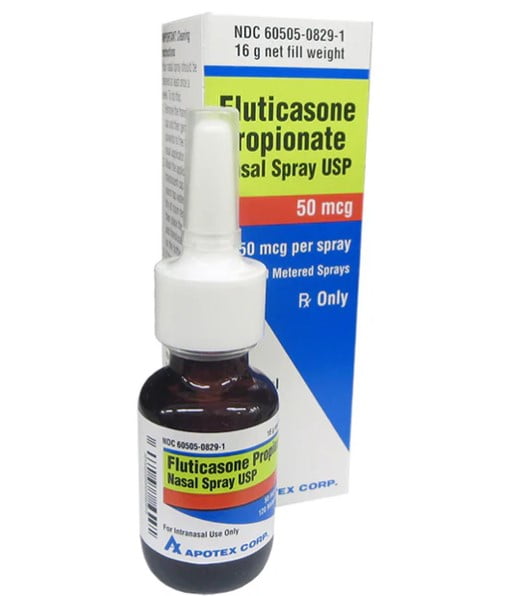
Fluticasone – Nasal Spray
Buy Fluticasone Nasal Spray Online
Secure Encrypted Payments
Fluticasone nasal spray is an intranasal corticosteroid used to relieve seasonal and year-round allergy symptoms in the nose. It can be ordered online, with current pricing shown during checkout so you can choose the available strength and quantity that match your clinician’s directions or the product label.
Many labels describe fluticasone propionate nasal spray 50 mcg per spray, a metered nasal suspension for topical use inside the nostrils. The spray works best when used consistently, because it reduces inflammation that drives congestion, sneezing, runny nose, and nasal itching.
Price, Quantity, and Ordering Details
Fluticasone nasal spray pricing depends on the bottle count, manufacturer, and supply quantity selected at the time of ordering. People paying out of pocket often look at the fluticasone nasal spray price without insurance, the cash price for generic Flonase-style products, and whether a larger quantity lowers the per-bottle expense.
Choose the available strength and quantity that align with the directions you have been given. If the product is labeled as fluticasone propionate nasal spray USP 50 mcg, each actuation delivers a measured spray amount, but the number of sprays per bottle may vary by presentation. Current US delivery from Canada details are shown during the order process.
Quick tip: Keep the bottle, cap, and outer label together so dose instructions and spray count remain easy to find.
What Fluticasone Nasal Spray Treats
Fluticasone nasal spray is used for nasal symptoms of allergic rhinitis, including sneezing, stuffy nose, runny nose, and itchy nose. Allergic rhinitis may be seasonal, such as pollen-related hay fever, or perennial, meaning symptoms continue through the year from triggers like dust mites, pet dander, or mold.
The medicine is not intended for sudden breathing trouble or acute asthma symptoms. It acts locally in the nasal passages, not as a rescue inhaler. If sinus pressure, fever, thick discharge, wheezing, or severe facial pain develops, a clinician can help determine whether allergies, infection, asthma, nasal polyps, or another condition is involved.
For broader condition education, the allergic rhinitis section explains common triggers and treatment approaches. People managing multiple allergy symptoms can also browse the allergies condition area for related background.
How It Works in the Nose
Fluticasone propionate is a corticosteroid. In plain terms, it calms inflammatory activity in the nasal lining. When allergens trigger swelling and mucus production, a daily intranasal corticosteroid can reduce that response and help keep the nasal passages more comfortable.
This is different from many oral antihistamines, which primarily block histamine throughout the body. A nasal steroid works directly where congestion and irritation begin. That local action is why fluticasone allergy nasal spray is often used when congestion is a major symptom, while antihistamines may be added when itching, sneezing, or eye symptoms remain bothersome.
Flonase is a well-known brand associated with fluticasone propionate nasal spray. Generic fluticasone nasal spray products contain the same active ingredient name, though bottle design, inactive ingredients, and spray feel may differ by manufacturer and country of origin.
How to Use the Spray Correctly
Use the spray according to the product label or instructions from a healthcare professional. Adults are commonly instructed to use a once-daily schedule at the start of treatment, then continue with the lowest effective amount, but individual directions can differ. Children need age-appropriate directions and supervision.
Before dosing, gently blow your nose. Shake the bottle if the label instructs you to do so. Prime the pump before first use and again after several days without use, until a fine mist appears. Insert the tip into one nostril, close the other nostril with a finger, and aim the spray slightly away from the nasal septum, the center wall between the nostrils.
Press the pump while breathing in gently through the nose. Avoid sniffing hard, because that can pull medicine into the throat instead of keeping it on the nasal lining. Wipe the nozzle after use and replace the cap. If the nozzle clogs, follow the cleaning instructions rather than using a pin or sharp object.
Why it matters: Good spray technique can reduce irritation, limit wasted doses, and improve symptom control.
When Relief May Start
Some people notice improvement after the first few doses, especially with sneezing or runny nose. Full benefit can take several days of steady use because nasal inflammation needs time to settle. For seasonal allergies, some clinicians recommend starting before pollen exposure becomes intense.
Daily consistency matters more than taking extra sprays when symptoms flare. Do not increase the dose or use it more often than directed. If symptoms continue despite proper technique, review your plan with a healthcare professional, especially if you also have repeated sinus infections, chronic nasal blockage, or reduced sense of smell.
People diagnosed with nasal polyps may need a different product, dose form, or treatment strategy. The nasal polyps condition section can help frame questions to ask during care visits.
Strengths, Forms, and Product Differences
Fluticasone nasal spray is commonly supplied as a metered aqueous nasal suspension in multi-dose bottles. Labels may describe fluticasone propionate nasal spray 50 mcg per spray, including USP-labeled versions. Bottle sizes and spray counts can differ, and manufacturers may use different pumps or excipients.
Flonase Sensimist and Veramyst are associated with fluticasone furoate, a related corticosteroid, not the same active ingredient name as fluticasone propionate. Xhance is another fluticasone product with a different delivery system used for specific nasal conditions. These names can appear in searches, but they should not be treated as interchangeable without clinician guidance.
Azelastine fluticasone nasal spray refers to a combination product that includes an antihistamine plus a corticosteroid. It may suit some allergy plans, but it is not the same as a single-ingredient fluticasone propionate nasal spray. Matching the active ingredient and directions matters when switching between products.
Side Effects, Warnings, and Monitoring
Common side effects are usually local to the nose and throat. They may include nasal burning, dryness, irritation, headache, sore throat, cough, altered taste or smell, and nosebleeds. Mild irritation may improve with better technique, especially aiming away from the septum and avoiding forceful sniffing.
Serious problems are uncommon but need attention. Contact a healthcare professional if you develop persistent or heavy nosebleeds, nasal sores that do not heal, severe nasal pain, whistling sounds from the nose, vision changes, or signs of an allergic reaction such as swelling, rash, or trouble breathing. Local Candida infection, ulceration, and nasal septum perforation have been reported with intranasal corticosteroids.
People with recent nasal surgery, nasal trauma, active nasal ulcers, untreated infections, glaucoma, cataracts, or a history of increased eye pressure should discuss suitability before use. Children using intranasal corticosteroids may need growth monitoring, especially with long-term or high-dose use. Using more than one corticosteroid product can increase total steroid exposure.
Interactions and Important Cautions
Tell a healthcare professional about all medicines, supplements, and nasal products you use. Strong CYP3A4 inhibitors, such as ritonavir or ketoconazole, may increase systemic exposure to fluticasone. This matters because higher exposure can raise the chance of steroid-related effects, even though the spray is used in the nose.
Avoid spraying onto open sores or areas healing after surgery unless a clinician has specifically advised it. If you have a contagious infection, immune suppression, or frequent fungal infections, ask whether an intranasal steroid is appropriate. Do not share the spray bottle, because the nozzle can carry nasal secretions.
Saline sprays or rinses may be used as supportive care when appropriate, but spacing and technique can matter. If you use several nasal products, ask which should be used first and how long to wait between them.
Storage, Travel, and Shipping
Store the bottle at room temperature as directed on the label, upright with the cap in place. Protect it from excessive heat, moisture, and direct light. Do not freeze the product. Keep it out of reach of children and discard it when the labeled spray count or expiration date has been reached.
For travel, keep the nasal spray in its original packaging with the label visible. Carrying it in hand luggage helps prevent exposure to extreme temperatures in checked bags or vehicles. If the pump has not been used for several days, prime it again before dosing.
Orders may be handled with prompt, express shipping when available for the selected supply. Products sourced through licensed pharmacy channels may vary by manufacturer or country of origin, so always rely on the label that arrives with your medication.
Who May Benefit and Who Should Ask First
Fluticasone intranasal spray may fit adults and children who need ongoing control of allergic nasal symptoms. It is often considered when congestion is persistent, symptoms return during pollen season, or non-drowsy allergy support is preferred. It may also be part of a broader plan that includes trigger reduction, saline rinses, or an oral antihistamine.
Ask a healthcare professional before use if you have frequent nosebleeds, chronic nasal sores, eye disease, recent nasal injury, recent surgery, or infections that are not fully treated. Parents should confirm age-appropriate use for children and watch for irritation, nosebleeds, or growth concerns during longer treatment periods.
If your symptoms are mainly cough, chest tightness, wheezing, fever, or one-sided facial pain, nasal allergy treatment alone may not address the cause. A different evaluation may be needed before continuing daily use.
Comparing Allergy Treatment Choices
Fluticasone nasal spray is one option within a larger allergy care plan. Intranasal corticosteroids are commonly chosen for congestion and nasal inflammation. Oral antihistamines may be easier for occasional itching or sneezing, while eye drops, saline rinses, and trigger control can address specific symptom patterns.
The allergies product category can help you see related allergy-care choices. If country of origin matters for your ordering preferences, the Canada-origin listings group products that may be relevant to cross-border cash-pay planning.
When comparing fluticasone with Flonase, Sensimist, Veramyst, Xhance, or azelastine-fluticasone combinations, focus on active ingredient, dose instructions, device design, and intended use. Similar names do not guarantee the same formulation or clinical role.
Questions to Ask a Healthcare Professional
- Is fluticasone nasal spray suitable for my allergy symptoms?
- How long should I use it during pollen season?
- What dose schedule should I follow for my age?
- Can I combine it with an antihistamine or saline rinse?
- What should I do if I get frequent nosebleeds?
- Do my eye history or other medicines affect safety?
- Which product names should I avoid confusing with this spray?
Authoritative Sources
| Resource | What it supports |
|---|---|
| DailyMed fluticasone propionate nasal spray label | Active ingredient, 50 mcg spray labeling, administration, warnings, and adverse reactions |
| MedlinePlus fluticasone nasal spray information | Patient-facing use, side effects, precautions, and safe-use basics |
| Flonase manufacturer information | Brand education for fluticasone-containing nasal allergy products |
This content is for informational purposes only and is not a substitute for professional medical advice.
Express Shipping - from $29.99
Prices:
- Dry-Packed Products $29.99
- Cold-Packed Products $39.99
Shipping Countries:
- United States (all contiguous states**)
- Worldwide (excludes some countries***)
Standard Shipping - $19.99
Shipping with this method takes 5-10 days
Prices:
- Dry-Packed Products $19.99
- Not available for Cold-Packed products
Shipping Countries:
- United States (all contiguous states**)
- Worldwide (excludes some countries***)
What is fluticasone nasal spray used for?
Fluticasone nasal spray is used to relieve nasal allergy symptoms such as congestion, sneezing, runny nose, and itchy nose. It may be used for seasonal hay fever or year-round allergic rhinitis when the product directions fit the patient’s age and situation.
Is fluticasone spray the same as Flonase?
Flonase is a brand name associated with fluticasone propionate nasal spray. Generic fluticasone propionate products contain the same active ingredient name, but bottle design, inactive ingredients, spray feel, and labeling can differ by manufacturer.
Is fluticasone nasal spray a strong steroid?
Fluticasone is a corticosteroid, but it is sprayed into the nose to act mainly on the nasal lining. It should still be used only as directed, because overuse or combined steroid exposure can increase the risk of side effects.
What are the disadvantages of fluticasone nasal spray?
Possible disadvantages include nasal irritation, dryness, sore throat, headache, altered taste or smell, and nosebleeds. Rare but important risks include nasal sores, septum problems, eye-related effects, and increased steroid exposure with certain interacting medicines.
How long does fluticasone nasal spray take to work?
Some people notice relief after the first few doses, but full benefit may take several days of consistent use. Daily use as directed is usually more effective than taking extra sprays only when symptoms flare.
Rewards Program
Earn points on birthdays, product orders, reviews, friend referrals, and more! Enjoy your medication at unparalleled discounts while reaping rewards for every step you take with us.
You can read more about rewards here.
POINT VALUE
How to earn points
- 1Create an account and start earning.
- 2Earn points every time you shop or perform certain actions.
- 3Redeem points for exclusive discounts.
You Might Also Like
Select options
This product has multiple variants. The options may be chosen on the product page
Select options
This product has multiple variants. The options may be chosen on the product page
Select options
This product has multiple variants. The options may be chosen on the product page
Select options
This product has multiple variants. The options may be chosen on the product page