
Please note: a valid prescription is required for all prescription medication.
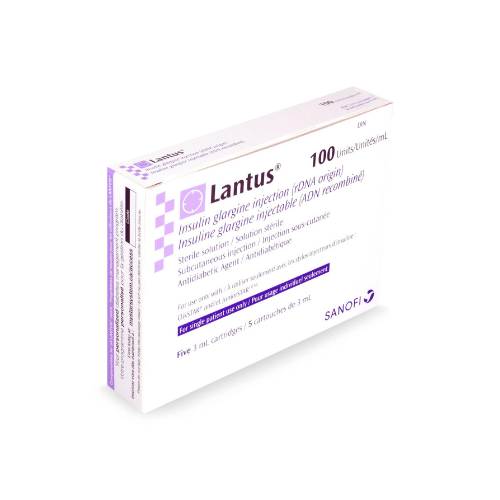
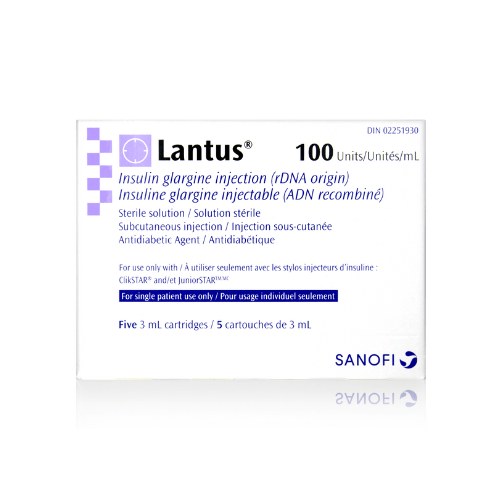
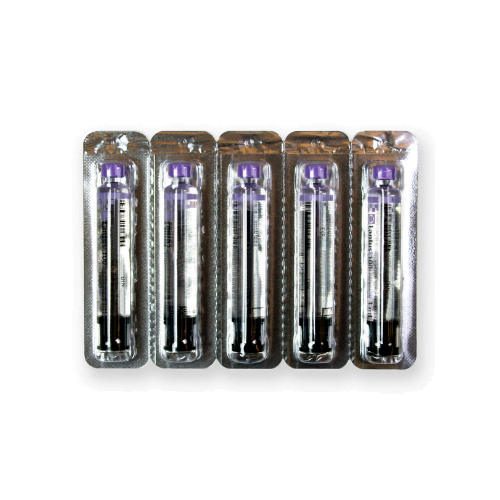
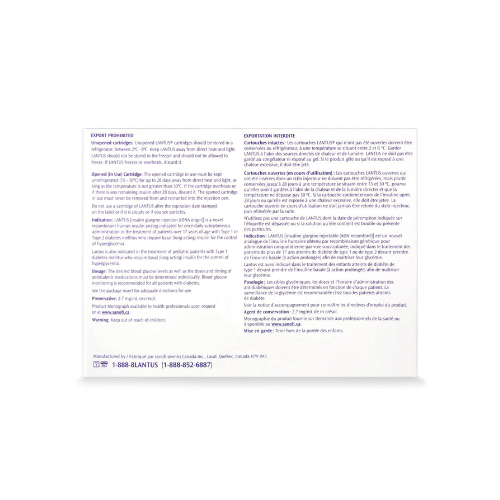
Lantus Cartridges
Buy Lantus Cartridges Online
Secure Encrypted Payments
Lantus Cartridges contain insulin glargine, a long-acting basal insulin used to help manage blood sugar in people with diabetes. You can buy Lantus Cartridges online, view the current price, and choose the cartridge strength and quantity shown during ordering to match your clinician’s directions. These cartridges are designed for compatible reusable insulin pens and are supplied through licensed pharmacy channels with US delivery from Canada.
Lantus Cartridges Price and Ordering Details
Lantus cartridges price can vary by quantity, supply, and the strength selected during ordering. The common cartridge presentation is Lantus 100 unit/mL in 3 mL cartridges, and many shoppers review the number of cartridges in the pack against their usual refill schedule. If you pay out of pocket, the cartridge count and refill timing can matter as much as the per-pack cost.
When placing an order, match the insulin name, concentration, cartridge format, and quantity to the directions from your diabetes care team. Do not switch between Lantus cartridges, vials, disposable pens, or another insulin glargine product unless a clinician has told you how to do it safely. Devices, dose increments, and insulin action can differ even when products appear similar.
People looking for Lantus cartridges without insurance often compare Canadian pricing, refill quantities, and reusable pen supplies. You can also browse related diabetes medicines and supplies in Diabetes Care when planning your refill needs.
What Is in a Lantus Cartridge?
Each Lantus cartridge contains insulin glargine, a long-acting human insulin analog. Insulin glargine is formulated to release slowly after subcutaneous injection, helping provide background insulin coverage between meals and overnight. This basal effect supports fasting glucose control and is often part of a broader diabetes plan that may include meal planning, activity, glucose monitoring, and other medicines.
Lantus is used to improve glycemic control in adults and pediatric patients with diabetes mellitus. In type 1 diabetes, basal insulin is not a substitute for mealtime insulin; rapid-acting insulin is still commonly needed with food. In type 2 diabetes, long-acting insulin may be used alone or with other glucose-lowering medicines when the treatment plan calls for basal insulin support.
The cartridges are for pen use only. They should not be injected into a vein, used in an insulin pump, mixed with other insulins, or transferred into another container. For condition-specific background, see Type 1 Diabetes and Type 2 Diabetes.
Cartridge Form, Strength, and Pen Compatibility
Lantus 3 mL cartridges are intended for compatible reusable insulin pens. The supplied concentration is commonly described as 100 units/mL, also written as U-100. Always use the cartridge only with the pen system named in the device instructions, because cartridge fit, dose dialing, and dose delivery depend on the correct pen.
Before the first injection, inspect the cartridge. The solution should look clear and colorless. Do not use it if it appears cloudy, colored, thickened, frozen, or contains particles. If the cartridge is cracked, damaged, or has leaked, use a replacement and ask a pharmacist about next steps.
Do not refill cartridges. Do not withdraw insulin from a cartridge with a syringe unless your clinician or pharmacist has given product-specific instructions for an emergency situation. Pen cartridges are designed to be used as a complete system, and transferring insulin can lead to dosing errors or contamination.
How This Long-Acting Insulin Is Used
Lantus is usually injected under the skin once daily at the same time each day. Your individualized dose depends on glucose readings, diabetes type, other medicines, meals, activity, illness, and treatment goals. Dose changes should be made only with professional guidance, because too much insulin can cause hypoglycemia and too little can lead to high blood sugar.
Common injection areas include the abdomen, thigh, and upper arm. Rotate within the same general region to reduce lumps, thickened skin, or pitted areas that can affect absorption. Avoid injecting into skin that is tender, bruised, scarred, hardened, or irritated.
Basic pen-use habits can reduce preventable dosing problems:
- Wash hands before handling the cartridge or pen.
- Attach a new needle for every injection.
- Prime the pen according to the device manual.
- Dial the dose carefully before injecting.
- Keep the needle in place long enough for full delivery.
- Remove the needle after use to reduce leakage and air entry.
- Record glucose readings and insulin timing as instructed.
Quick tip: Keep your reusable pen manual with your diabetes supplies so cartridge loading and priming steps are easy to verify.
Storage, Travel, and Shipping Handling
Unopened Lantus cartridges are generally stored in a refrigerator and protected from freezing. After first use, the cartridge may be kept at room temperature for the in-use period described in the official product information. Keep insulin away from direct heat, sunlight, and extreme cold, and discard any cartridge that has been frozen or exposed to unsafe conditions.
When traveling, carry insulin and pen supplies in hand luggage instead of checked baggage. Keep cartridges in the original packaging when possible so the product name and strength remain visible. Bring extra needles, a glucose source, testing supplies, and enough insulin for schedule changes or delays.
Temperature-sensitive medicines require careful handling in transit, and orders may use prompt, express shipping when appropriate. After arrival, unpack insulin promptly and store it as directed. If you believe the package was exposed to excessive heat or freezing temperatures, contact the pharmacy before using the product.
Benefits and Practical Expectations
Lantus provides steady basal insulin coverage, which can help smooth fasting and between-meal glucose patterns when used consistently. Many people value the once-daily schedule and cartridge format because reusable pens are portable and allow dose dialing without drawing insulin from a vial.
Insulin response is individual. Morning readings may improve as timing, storage, injection technique, and dose adjustments stabilize, but glucose changes should be interpreted with your care team. Illness, missed meals, alcohol, physical activity, menstrual cycle changes, stress, and other medicines can all affect insulin needs.
Weight gain can occur with insulin therapy because improved glucose use may reduce calorie loss through urine. It is not a reason to stop insulin on your own. If weight changes, frequent lows, or persistent high readings occur, discuss food patterns, activity, dose timing, and medicine combinations with your clinician.
Side Effects, Warnings, and Monitoring
The most common and important risk with Lantus is low blood sugar, also called hypoglycemia. Symptoms may include shakiness, sweating, hunger, headache, fast heartbeat, confusion, irritability, dizziness, or weakness. Severe hypoglycemia can cause seizures, loss of consciousness, or injury, and it requires urgent treatment.
Other possible side effects include injection-site redness, itching, swelling, mild pain, skin thickening or depressions at repeated sites, swelling in the hands or feet, weight gain, rash, or allergic reactions. Serious allergic reactions can include widespread rash, trouble breathing, fast pulse, low blood pressure, or swelling of the face, tongue, or throat.
Monitoring is part of safe insulin use. Check blood glucose as directed, and ask whether overnight or fasting checks are needed after dose changes, travel, illness, or major routine changes. Potassium levels may require attention in some people, because insulin can lower potassium in the blood.
Tell your healthcare professional about all prescription medicines, nonprescription products, and supplements you use. Corticosteroids, some diuretics, certain contraceptives, thyroid medicines, and some psychiatric medicines may raise glucose. Alcohol, ACE inhibitors, and other medicines can increase the risk of lows. Beta blockers may hide warning symptoms such as tremor or palpitations.
Thiazolidinediones used with insulin can cause fluid retention and may worsen heart failure in susceptible people. SGLT2 inhibitors have been associated with ketoacidosis in some situations, including illness or reduced insulin intake. Lantus should not be used during episodes of hypoglycemia or by anyone with a known allergy to insulin glargine or product ingredients.
Missed Doses and Routine Changes
If a dose is missed, follow the plan provided by your care team. Do not double a dose to make up for a missed injection unless a clinician has specifically instructed you to do so. More frequent glucose checks may be needed after a missed dose because blood sugar can rise or fall unpredictably.
Travel, shift work, fasting, illness, and changes in physical activity can affect insulin timing. Ask in advance how to handle time zones, altered meals, or sick-day glucose readings. Keep fast-acting carbohydrates available in case of low blood sugar, and know when to seek urgent care for vomiting, dehydration, ketones, or severe symptoms.
Sharps Disposal and Single-Patient Use
Insulin pens and needles should never be shared, even if the needle is changed. Sharing can transmit infections and can also cause dosing confusion. Use a new sterile needle for each injection, and remove it from the pen after use.
Place used needles in an FDA-cleared sharps container or another puncture-resistant container allowed by local rules. Do not throw loose needles into household trash. Community drop boxes, mail-back programs, or pharmacy guidance may be available depending on your area.
Keep cartridges, pens, and needles out of the reach of children and pets. Store the pen without a needle attached, and protect it from dirt, moisture, and mechanical damage.
Lantus Cartridges Compared With Other Insulin Options
Lantus cartridges differ from vials and disposable prefilled pens mainly in how the insulin is delivered. A vial requires a syringe. A disposable pen comes prefilled and is discarded when empty. A cartridge is inserted into a compatible reusable pen, so the pen device is retained while the cartridge is replaced.
Other basal insulins may have different durations, dose schedules, concentration options, or device systems. Switching between basal insulin products can change glucose patterns and should be planned carefully. People evaluating long-acting choices may also want condition-focused reading in the Type 1 Diabetes articles or Type 2 Diabetes articles.
If your clinician discusses product origin or cross-border ordering, you can view items associated with Canada. Product origin should not replace clinical decision-making; the insulin type, concentration, device compatibility, storage needs, and monitoring plan remain the main safety points.
Questions to Ask Before Refilling
Good refill planning helps prevent urgent gaps and reduces device mistakes. Before ordering Lantus cartridge refills, make sure the insulin name, cartridge format, concentration, and quantity align with the treatment plan you are already using.
- Which reusable pen is compatible with these cartridges?
- How long should one cartridge last at my current dose?
- What should I do if my fasting readings change?
- How should I manage travel across time zones?
- When should I check overnight glucose?
- What symptoms mean I need urgent care?
- How should I store an in-use cartridge?
Why it matters: Cartridge and pen mismatches can lead to missed doses, inaccurate dosing, or wasted insulin.
Authoritative Sources
Official prescribing information | Health Canada product record
This content is for informational purposes only and is not a substitute for professional medical advice.
Blood Glucose Unit Converter
Convert glucose readings between mg/dL and mmol/L without changing the clinical value.
mg/dL
-
US reporting unit
mmol/L
-
International reporting unit
These calculations are for education only and do not replace clinical advice, diagnosis, or treatment. Always confirm medical decisions with a qualified healthcare professional.
HbA1c & eAG Calculator
Convert between HbA1c percentage and estimated average glucose using the ADAG relationship.
HbA1c
-
percentage
eAG mg/dL
-
estimated average glucose
eAG mmol/L
-
estimated average glucose
These calculations are for education only and do not replace clinical advice, diagnosis, or treatment. Always confirm medical decisions with a qualified healthcare professional.
Carb Serving Calculator
Convert total carbohydrate grams into carb choices for meal planning and diabetes education.
Carb choices
-
total carbs divided by choice size
Rounded choices
-
nearest half choice
Carb calories
-
4 kcal per gram
These calculations are for education only and do not replace clinical advice, diagnosis, or treatment. Always confirm medical decisions with a qualified healthcare professional.
CGM Time-in-Range Summary
Summarise CGM percentages across very low, low, in-range, high, and very high glucose bands.
Entered total
-
should equal 100%
Below range
-
very low plus low
Above range
-
high plus very high
Summary
-
common adult CGM targets vary by patient
These calculations are for education only and do not replace clinical advice, diagnosis, or treatment. Always confirm medical decisions with a qualified healthcare professional.
HOMA-IR Calculator
Estimate insulin resistance from fasting glucose and fasting insulin values collected from the same blood draw.
HOMA-IR
-
screening estimate, not a diagnosis
Formula used
-
depends on glucose unit
These calculations are for education only and do not replace clinical advice, diagnosis, or treatment. Always confirm medical decisions with a qualified healthcare professional.
Express Shipping - from $29.99
Shipping with this method takes 3-5 days
Prices:
- Dry-Packed Products $29.99
- Cold-Packed Products $39.99
Shipping Countries:
- United States (all contiguous states**)
- Worldwide (excludes some countries***)
Standard Shipping - $19.99
Shipping with this method takes 5-10 days
Prices:
- Dry-Packed Products $19.99
- Not available for Cold-Packed products
Shipping Countries:
- United States (all contiguous states**)
- Worldwide (excludes some countries***)
Does Lantus come in cartridges?
Yes. Lantus is available as cartridges for compatible reusable insulin pens. The current cartridge copy describes 3 mL cartridges containing U-100 insulin glargine, but you should match the cartridge and pen system to your clinician’s directions and device instructions.
What is in a Lantus cartridge?
A Lantus cartridge contains insulin glargine, a long-acting basal insulin. It is designed to provide background insulin coverage after subcutaneous injection and is used to help improve blood sugar control in people with diabetes.
Which pen is used for Lantus cartridges?
Lantus cartridges must be used only with a compatible reusable insulin pen specified for the cartridge. Check the pen manual or ask a pharmacist before use, because cartridge fit and dose delivery depend on the correct device.
Is Lantus available in vials as well as cartridges?
Lantus is supplied in more than one delivery format in some markets, including vials, cartridges, and disposable pens. Do not switch formats on your own, because the device, dose measurement, and handling steps differ.
What are the main side effects of Lantus?
The main risk is low blood sugar, which may cause sweating, shaking, hunger, confusion, dizziness, or weakness. Other possible effects include injection-site reactions, skin changes at repeated sites, swelling, weight gain, rash, and rare serious allergic reactions.
How should Lantus cartridges be stored?
Unopened cartridges are generally kept refrigerated and protected from freezing. After first use, follow the official product information for room-temperature storage time, and keep cartridges away from direct heat and sunlight.
Rewards Program
Earn points on birthdays, product orders, reviews, friend referrals, and more! Enjoy your medication at unparalleled discounts while reaping rewards for every step you take with us.
You can read more about rewards here.
POINT VALUE
How to earn points
- 1Create an account and start earning.
- 2Earn points every time you shop or perform certain actions.
- 3Redeem points for exclusive discounts.
You Might Also Like
Select options
This product has multiple variants. The options may be chosen on the product page
Select options
This product has multiple variants. The options may be chosen on the product page
Select options
This product has multiple variants. The options may be chosen on the product page
Select options
This product has multiple variants. The options may be chosen on the product page