

Please note: a valid prescription is required for all prescription medication.
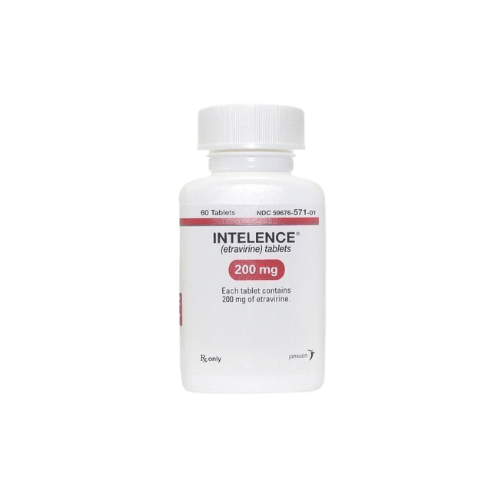
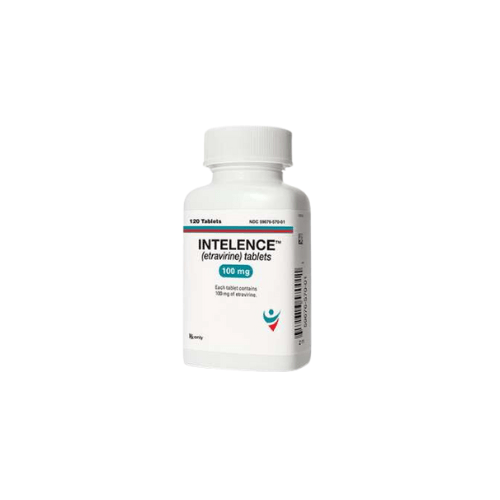
Intelence
Intelence Tablets: Buy With Prescription Guidance
Price:
Price range: $1,079.99 through $1,123.99
Secure Encrypted Payments
Intelence is a prescription antiretroviral medicine used as part of combination therapy for HIV-1. This listing supports US shipping from Canada and includes a pathway for people paying cash without insurance. The details below explain how the medication works, typical use patterns, and key safety points to review with a licensed healthcare professional.
What Intelence Is and How It Works
This medicine contains etravirine, a non-nucleoside reverse transcriptase inhibitor (NNRTI), which is a type of antiviral used to help control HIV-1. Reverse transcriptase is an enzyme the virus uses to copy itself. By blocking that enzyme, etravirine helps reduce viral replication when taken with other HIV medicines as part of a complete regimen.
Because HIV can develop resistance, this therapy is not used alone. It is usually selected when a regimen needs an NNRTI option, often based on treatment history and resistance testing. Prescriptions are confirmed with the prescriber before any medication is dispensed.
Why it matters: HIV treatment choices often depend on resistance patterns and drug interactions.
Who It’s For
Etravirine is used to treat HIV-1 infection in combination with other antiretroviral medications. It is not a cure for HIV, but it can help keep the virus controlled so the immune system can function better. Care teams typically consider prior HIV treatment exposure, current lab results (like viral load and CD4 count), and any known drug resistance when deciding whether an NNRTI-containing regimen is appropriate.
This medication may not be appropriate for people with a known hypersensitivity to etravirine or any component of the tablet. Some drug combinations may be avoided due to interaction risks, and certain health conditions—such as underlying liver disease—may require closer monitoring. For broader context on HIV care topics and terminology, the HIV Hub is a browseable collection of related materials.
Dosage and Usage
Dosage depends on the full regimen, prior treatment history, and other clinical factors. In adults, a common labeled schedule for etravirine is twice daily dosing taken after a meal, because food can affect absorption. Intelence should be taken exactly as prescribed and continued as part of the full combination plan, even when symptoms are not present.
Tablets are typically swallowed whole with liquid. For people who have difficulty swallowing, labeled directions may allow dispersing tablets in water and then drinking the mixture right away; this method should be followed carefully to ensure the full dose is taken. Missed-dose instructions can differ by regimen, so it’s important to follow the official directions provided with the prescription and avoid “doubling up” unless specifically instructed by a clinician.
For related regimen background and adherence considerations, these guides may help frame questions for appointments: Beginners Guide To Biktarvy and Lifestyle Changes With Biktarvy.
Strengths and Forms
This product is supplied as film-coated tablets for oral use. Intelence is commonly available in 100 mg and 200 mg tablet strengths, and the prescribed strength and tablet count will depend on the regimen and dosing plan. Availability can vary by pharmacy partner and current sourcing channels, so the exact presentation provided may differ while keeping the same active ingredient and labeled strength.
The table below summarizes the typical presentations people see for etravirine tablets.
| Form | Strength | Notes |
|---|---|---|
| Film-coated tablet | 100 mg | Used to build the prescribed dose; do not change without guidance. |
| Film-coated tablet | 200 mg | Often used in adult regimens; taken with food per label. |
Quick tip: Keep tablets in the original container to reduce moisture exposure.
Storage and Travel Basics
Store etravirine tablets at controlled room temperature and protect them from moisture. Keep the bottle tightly closed and follow any package instructions about desiccants (drying agents) included with the container. Avoid storing medication in humid areas such as bathrooms, and keep it away from excessive heat or direct sunlight.
For travel, carry the medication in its original packaging to help with identification and to preserve labeling instructions. If a dose needs to be taken with food, planning meals or snacks during travel can help maintain the intended routine without changing the regimen. When crossing time zones, clinicians often suggest keeping dosing intervals consistent; the best approach depends on the overall antiretroviral schedule and should be confirmed with the prescribing team.
Side Effects and Safety
Like many antiretrovirals, this medicine can cause side effects. Commonly reported effects may include rash, nausea, diarrhea, abdominal discomfort, and headache. Some people notice fatigue or changes in sleep. Many side effects are manageable, but any new or worsening symptom should be discussed with a healthcare professional, especially when multiple HIV medications are started or changed at once.
Intelence has important safety warnings related to severe skin reactions and hypersensitivity. Seek urgent medical care for a widespread rash, blistering, peeling skin, mouth sores, facial swelling, fever, or trouble breathing. Liver problems can also occur with some antiretroviral therapies, so clinicians may monitor liver enzymes, particularly in people with hepatitis coinfection or pre-existing liver disease. Medications are supplied through licensed Canadian partner pharmacies.
To learn how effectiveness and tolerability are discussed for other HIV regimens (as a reference point for reading medication information), see Biktarvy Effectiveness Overview.
Drug Interactions and Cautions
Etravirine can interact with many prescription medicines, over-the-counter products, and supplements. Some interactions can lower antiretroviral levels (raising the risk of treatment failure), while others can increase levels (raising side effect risk). Interaction checks are especially important when other antivirals, seizure medicines, antibiotics, antifungals, anticoagulants, or hormone-containing therapies are involved.
Interaction checks that matter
Before starting or changing therapy, clinicians typically review a complete medication list, including vitamins and herbal products. St. John’s wort is a common example of a supplement that can affect drug metabolism and is often avoided with antiretroviral regimens. Alcohol and recreational substances can also complicate adherence and liver health. If another prescriber adds a new medication, it is helpful to mention that an NNRTI is part of the HIV regimen so the team can screen for metabolism-based interactions and adjust the overall plan if needed.
For additional reading on how one HIV medication is positioned among other options, this overview can provide useful context: Tenvir EM Compared.
Compare With Alternatives
Within HIV care, alternatives depend on treatment goals and resistance testing. Other NNRTIs may be considered in some regimens, and many people use different drug classes such as integrase inhibitors or protease inhibitors. The “best fit” is individualized and can change if resistance develops, side effects appear, or interacting medications are needed for other conditions.
Intelence is a treatment medication for HIV-1 and is not the same as HIV prevention (PrEP) options. For reference, the prevention medicine cabotegravir has a different role and dosing form; related listings include Apretude and Apretude Injectable Suspension. These are not substitutes for antiretroviral treatment regimens and should not be swapped without clinician oversight.
If learning about other HIV medicines helps when discussing options, this guide may be useful background reading: Aptivus How It Works.
Pricing and Access
Access requirements are straightforward: a valid prescription is needed, and the prescription details must match the intended regimen. Many people compare overall costs when coverage is limited, and Intelence may be obtained on a cash-pay basis for those without insurance. If available, updates and limited-time programs are listed on the Current Promotions page.
BorderFreeHealth coordinates fulfillment through partner pharmacies and supports cross-border access when documentation is complete. Ships from Canada to US once the prescription is verified and order requirements are met. Cash-pay options can help when coverage is unavailable.
For general education around staying engaged in care and community resources, see HIV Testing Day Guide and the research discussion in Metformin And HIV Research.
Authoritative Sources
For the most reliable, label-based details—especially contraindications, interaction tables, and warnings—use official sources and review them with a clinician. These references can also help when reconciling medication lists across different clinics and pharmacies.
FDA product labeling and regulatory details are available here: Drugs@FDA Intelence overview.
NIH Clinicalinfo provides patient-focused drug information here: NIH etravirine patient drug record.
To place an order or upload prescription details, select the option that matches the prescription and choose prompt, express shipping.
This content is for informational purposes only and is not a substitute for professional medical advice.
Express Shipping - from $25.00
Shipping with this method takes 3-5 days
Prices:
- Dry-Packed Products $25.00
- Cold-Packed Products $35.00
Shipping Countries:
- United States (all contiguous states**)
- Worldwide (excludes some countries***)
Standard Shipping - $15.00
Shipping with this method takes 5-10 days
Prices:
- Dry-Packed Products $15.00
- Not available for Cold-Packed products
Shipping Countries:
- United States (all contiguous states**)
- Worldwide (excludes some countries***)
What is etravirine and what does it treat?
Etravirine is an antiretroviral medication in the NNRTI class (non-nucleoside reverse transcriptase inhibitor). It is used, together with other HIV medicines, to treat HIV-1 infection. NNRTIs work by blocking reverse transcriptase, an enzyme HIV needs to make copies of itself. Because HIV can develop resistance, etravirine is not used on its own and should be taken exactly as part of the full regimen prescribed. The choice of regimen is typically guided by treatment history, resistance testing, and potential drug interactions.
Do I need to take this medication with food?
Etravirine is commonly taken after a meal because food can change how much of the medication is absorbed. Taking doses consistently in relation to meals can help keep drug exposure steadier across days. “With food” usually means a meal or substantial snack rather than taking it on an empty stomach, but the exact instructions should match the prescription label and counseling provided by the pharmacy. If meal timing is difficult due to work schedules or travel, a clinician or pharmacist can help clarify practical options that still follow labeled directions.
Can the tablet be split, crushed, or mixed with water?
Some people have trouble swallowing tablets, and product instructions may allow dispersing etravirine tablets in water and drinking the mixture promptly. This approach should be done exactly as described in the official medication instructions to ensure the full dose is taken. Tablet splitting or crushing is not always interchangeable with dispersing, and altering tablets can affect how much medicine is taken or tolerated. If swallowing is an issue, it’s best to ask a pharmacist to confirm the approved method and any step-by-step handling tips.
What side effects should prompt urgent medical attention?
Seek urgent care if a rash is severe or comes with fever, blistering, peeling skin, mouth sores, facial swelling, trouble breathing, or other signs of a serious allergic reaction. These symptoms can indicate a severe skin reaction or hypersensitivity, which requires prompt evaluation. Also get medical attention for symptoms that could suggest liver problems, such as yellowing of the skin or eyes, dark urine, severe fatigue, or persistent nausea and abdominal pain. For any sudden or concerning change after starting or switching HIV medicines, contact a healthcare professional right away.
What monitoring is usually done while taking this medicine?
Monitoring for HIV treatment typically includes viral load testing to confirm the regimen is controlling HIV and CD4 counts to assess immune status. Clinicians may also order liver function tests, especially if there is a history of liver disease or viral hepatitis coinfection. Because drug interactions can alter medication levels, medication lists are often reviewed at visits and whenever new prescriptions are added. If a rash develops, the care team may assess severity and associated symptoms to decide whether treatment can continue safely. The exact monitoring plan depends on the full regimen and medical history.
What should I ask my clinician before starting or changing therapy?
Useful questions include: whether resistance testing supports the regimen; how to take each medication in relation to meals; and which side effects need immediate attention versus routine follow-up. It’s also important to review a complete list of prescriptions, over-the-counter products, and supplements to screen for interactions. Ask how missed doses should be handled for the specific regimen and whether any lab monitoring is needed sooner due to liver health, other conditions, or concurrent medications. If pregnancy is possible or other therapies are planned, discuss how that might affect regimen selection.
Rewards Program
Earn points on birthdays, product orders, reviews, friend referrals, and more! Enjoy your medication at unparalleled discounts while reaping rewards for every step you take with us.
You can read more about rewards here.
POINT VALUE
How to earn points
- 1Create an account and start earning.
- 2Earn points every time you shop or perform certain actions.
- 3Redeem points for exclusive discounts.
How to book an appointment
- 1Create Begin by completing a profile or log into your existing account. This step ensures we have the necessary information to provide you with a service that's tailored to your needs. account and start earning.
- 2Scheduling an appointment with our online booking system is easy. Pick a day and time that suits you. You’ll receive an immediate confirmation, without the wait.
- 3Discuss your concerns and symptoms and receive a thorough diagnosis from one of our licensed doctors during a confidential video appointment.
- 4If you've been prescribed medication, your Rx is sent directly to one of our licensed pharmacies and delivered right to your door.
Get Started
To book an online doctor appointment, register for an account or login. After doing so, you can book your visit on this page.
You Might Also Like
Select options
This product has multiple variants. The options may be chosen on the product page
Select options
This product has multiple variants. The options may be chosen on the product page
Select options
This product has multiple variants. The options may be chosen on the product page
Select options
This product has multiple variants. The options may be chosen on the product page