
Shipping with this method takes 3-5 days
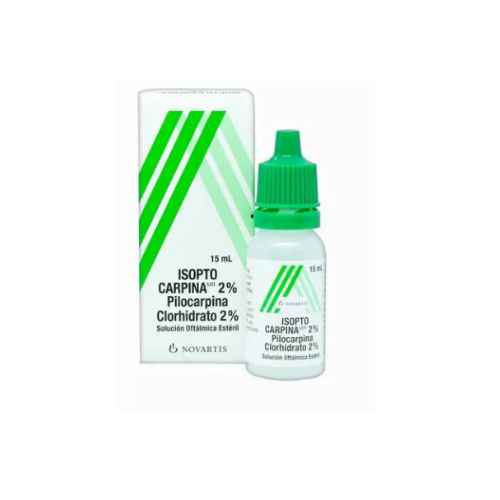
Isopto Carpine
Buy Isopto Carpine Online
Secure Encrypted Payments
Isopto Carpine is a pilocarpine ophthalmic solution used in the eye to help lower elevated intraocular pressure. It can be ordered online, with dose and strength choices matched to the directions you already have from your eye-care clinician. Commonly referenced strengths include Isopto Carpine 1% eye drops, Isopto Carpine 2% eye drops, and Isopto Carpine 4% eye drops.
The active ingredient, pilocarpine hydrochloride, belongs to a group of medicines called miotics or cholinergic agents. These drops make the pupil smaller and help fluid drain from inside the eye, which can reduce pressure in glaucoma or ocular hypertension. Because the effect can change vision in dim light, safe use depends on clear dosing instructions, regular eye-pressure monitoring, and attention to side effects.
Price, Strength Selection, and Ordering
Isopto Carpine price depends on the strength, bottle size, manufacturer supply, and country of origin shown during ordering. Cash-pay customers often look at both the brand and generic pilocarpine eye drops price before deciding which version best matches their treatment plan. If more than one concentration is shown, choose the strength that matches your clinician’s directions rather than switching based on cost alone.
During ordering, review the label name, concentration, quantity, and origin details before proceeding. Canadian sourcing may help customers assess Isopto Carpine Canadian pricing, especially when paying without insurance. The medicine may be supplied through licensed pharmacies, and order details are checked for consistency with the requested eye-drop strength.
US delivery from Canada is available for this product. Keep your bottle count in mind when planning refills, because multi-dose glaucoma medicines are usually used on a consistent schedule. Running out can make it harder for your clinician to interpret pressure readings at follow-up visits.
What Isopto Carpine Is Used For
Isopto Carpine eye drops are used to reduce elevated intraocular pressure in people with open-angle glaucoma or ocular hypertension. Intraocular pressure is the pressure inside the eye. When it remains too high, it can contribute to optic nerve damage and gradual vision loss, so treatment often focuses on keeping pressure within a target range set by an eye-care professional.
For glaucoma education beyond this medicine, the glaucoma condition section explains how pressure, optic nerve health, and visual field testing fit together. If your concern is elevated pressure without established glaucoma damage, the ocular hypertension section gives broader context on monitoring and treatment decisions.
This medication may be used alone or with other eye-pressure medicines when a different mechanism is useful. It is not the same as lubricating eye drops, antibiotic drops, or redness relievers. It is a pressure-lowering medicine, and its benefits are judged through eye exams and pressure checks rather than by how the eye feels day to day.
How Pilocarpine Eye Drops Work
Pilocarpine stimulates muscarinic receptors in the eye. This causes the ciliary muscle to contract and the pupil to constrict. The change can open drainage pathways in the trabecular meshwork, allowing aqueous humor, the clear fluid inside the eye, to leave more easily.
The smaller pupil is part of the medicine’s expected action, but it can also affect daily activities. Some people notice blurred vision, brow ache, or more difficulty seeing in low light. Night driving, poorly lit work areas, and tasks requiring sharp contrast may feel different after dosing, especially when treatment is new or the concentration is higher.
Alcon Isopto Carpine has been used in glaucoma care for many years, and generic pilocarpine eye drops may also be considered when clinically appropriate. Brand and generic names can vary by market, so focus on the active ingredient, concentration, and directions on the bottle you receive.
How to Use the Eye Drops Safely
Use the drops exactly as directed by your eye-care clinician. Many pilocarpine regimens involve dosing the affected eye or eyes more than once daily, but the right schedule depends on pressure goals, tolerability, and other medicines in your routine. Do not increase frequency or change from pilocarpine 1% eye drops to a higher concentration unless your clinician tells you to do so.
Wash your hands before each dose. Tilt your head back, gently pull down the lower eyelid, and place one drop into the pocket without letting the bottle tip touch your eye, eyelashes, fingers, or skin. After the drop goes in, close your eye and press lightly at the inner corner for about one minute. This can reduce drainage into the nose and may limit unwanted body-wide effects.
If you use more than one ophthalmic medicine, separate drops by at least five minutes unless told otherwise. This helps prevent one drop from washing out another. Use thicker gels or ointments after liquid drops unless your clinician gives different instructions. For broader eye-treatment browsing, the ophthalmology category includes related eye-care medicines.
Strengths, Forms, and Generic Pilocarpine
Isopto Carpine is typically supplied as a multi-dose ophthalmic solution. Commonly published concentrations include 1%, 2%, and 4%. Availability can vary by manufacturer and country of origin, and bottle sizes or preservative content may differ between brand and generic versions.
Lower concentrations may be used when a gentler miotic effect is appropriate, while higher concentrations may provide stronger pupil constriction and pressure-lowering effect for some patients. Higher strength can also mean more noticeable blur, brow ache, or low-light vision changes. The right concentration is a clinical decision, not simply a price or availability choice.
Generic pilocarpine eye drops contain the same active ingredient, pilocarpine hydrochloride, but packaging, manufacturer, bottle size, inactive ingredients, or country-specific naming may differ. If your treatment plan allows substitution, compare the active ingredient and strength carefully before ordering.
Missed Dose, Timing, and Follow-Up
If a dose is missed, use it when remembered unless it is close to the next scheduled time. In that case, skip the missed dose and return to the usual schedule. Do not use extra drops to catch up, because more medicine may increase irritation, blur, headache, or other unwanted effects without improving long-term control.
Consistent timing helps your eye-care clinician judge whether the medicine is working. Pressure readings can be misleading if doses are often missed or taken at unusual times before visits. A phone reminder, written schedule, or pairing doses with daily routines may help maintain steady use.
Follow-up usually includes intraocular pressure checks and periodic assessment of the optic nerve and visual fields. Report any new visual symptoms promptly, especially flashes, floaters, a shadow or curtain over vision, sudden loss of vision, or severe eye pain.
Storage, Handling, and Travel
Store the bottle at room temperature, away from direct light and excess heat. Keep the cap tightly closed when not in use, and do not share the bottle with another person. A contaminated dropper tip can introduce bacteria into the eye, so avoid contact between the tip and any surface.
If you wear soft contact lenses, ask your eye-care clinician how to manage them with pilocarpine. Some ophthalmic solutions contain preservatives such as benzalkonium chloride, which can be absorbed by soft lenses. Many clinicians recommend removing lenses before dosing and waiting before reinserting them.
For travel, keep the bottle in a carry-on bag and protect it from freezing or overheating. Do not leave eye drops in a hot car, near a heater, or in direct sun. Country-of-origin information may be shown for some medicines, and the Canada origin section can help you understand how Canadian-sourced products are categorized.
Side Effects, Warnings, and Monitoring
The most common pilocarpine side effects involve the eye. These can include burning, stinging, redness, tearing, blurred vision, reduced night vision, brow ache, and headache. Some effects are more noticeable soon after dosing or after a strength change. Tell your clinician if symptoms interfere with reading, driving, work, or daily tasks.
- Burning or stinging after instilling the drop
- Redness, tearing, or local irritation
- Blurred vision, especially in dim lighting
- Small pupil and reduced night vision
- Brow ache or headache
Serious eye symptoms need urgent attention. Seek care quickly for sudden vision loss, severe eye pain, new flashes or floaters, a curtain-like shadow, or persistent inflammation. Pilocarpine may be unsuitable for some people with active eye inflammation, certain retinal risks, or conditions that could worsen with pupil constriction.
Body-wide cholinergic effects are uncommon with eye-drop use but can matter in sensitive patients. Tell your clinician about breathing conditions such as asthma, heart concerns, peptic ulcer disease, or medicines with anticholinergic effects. Anticholinergic medicines can oppose pilocarpine’s action, while other miotics may increase similar effects. For practical background on reactions, the side effects guide discusses when symptoms may need follow-up.
How It Compares With Other Glaucoma Medicines
Glaucoma treatment often uses medicines from different classes. Pilocarpine is a miotic, meaning it constricts the pupil and improves fluid outflow through a specific drainage route. Prostaglandin analogs, beta blockers, carbonic anhydrase inhibitors, and alpha agonists lower eye pressure through different mechanisms and have different dosing patterns and cautions.
Latanoprost is a prostaglandin analog often used for open-angle glaucoma or ocular hypertension. It is different from pilocarpine and does not work by making the pupil smaller in the same way. If your clinician is considering a prostaglandin option, latanoprost may be part of that discussion.
Timolol is a topical beta blocker that can reduce aqueous humor production. It is not the same as pilocarpine and may require caution in people with certain breathing or heart conditions. The timolol maleate ophthalmic solution option can help you identify a related class if your clinician has mentioned beta-blocker drops.
Isopto Carpine, Isopto Atropine, and Other Eye Drops
Isopto Carpine is not the same as Isopto Atropine. Pilocarpine makes the pupil smaller, while atropine generally dilates the pupil and relaxes focusing muscles. Because they have opposite effects on pupil size, they are used for different eye-care reasons and should not be substituted for each other.
Isopto Carpine is also different from presbyopia-focused pilocarpine products, artificial tears, allergy drops, and antibiotic eye drops. The same active ingredient can sometimes appear in products used for different eye conditions, so the label, concentration, and intended use matter. If a bottle name looks unfamiliar, confirm the active ingredient before applying it.
For additional eye-health education and seasonal awareness content, the ophthalmology articles section covers broader vision topics. Educational reading can support better questions at appointments, but it should not replace individualized instructions for glaucoma therapy.
Questions to Ask Before Refilling
Refills are a good time to confirm that the strength and schedule still match your eye-pressure plan. Ask whether your pressure readings are at target, whether any side effects suggest a strength change, and how to space Isopto Carpine with other drops. If you have difficulty using the bottle, mention hand strength, tremor, or vision limitations.
Also ask whether generic pilocarpine eye drops are acceptable for your plan. Some people can use a generic version, while others may be told to stay with a specific formulation because of tolerability, preservative sensitivity, or clinical response. If the bottle appearance changes after a refill, verify the concentration before use.
Quick tip: Keep a current list of all eye drops, strengths, and dosing times in your wallet or phone.
Authoritative Sources
Official prescribing information
This content is for informational purposes only and is not a substitute for professional medical advice.
Express Shipping - from $29.99
Prices:
- Dry-Packed Products $29.99
- Cold-Packed Products $39.99
Shipping Countries:
- United States (all contiguous states**)
- Worldwide (excludes some countries***)
Standard Shipping - $19.99
Shipping with this method takes 5-10 days
Prices:
- Dry-Packed Products $19.99
- Not available for Cold-Packed products
Shipping Countries:
- United States (all contiguous states**)
- Worldwide (excludes some countries***)
What is Isopto Carpine used for?
Isopto Carpine is used to help lower elevated pressure inside the eye in conditions such as open-angle glaucoma and ocular hypertension. Its active ingredient, pilocarpine hydrochloride, helps eye fluid drain more effectively.
What is the most common side effect of pilocarpine eye drops?
Common side effects include burning or stinging after the drop, eye redness, tearing, blurred vision, brow ache, headache, and reduced night vision. Contact an eye-care clinician promptly for sudden vision changes, severe pain, flashes, floaters, or a curtain-like shadow.
Is Isopto Atropine the same as Isopto Carpine?
No. Isopto Carpine contains pilocarpine, which makes the pupil smaller. Isopto Atropine contains atropine, which generally dilates the pupil. They are used for different purposes and should not be substituted for each other.
Is latanoprost the same as pilocarpine?
No. Latanoprost is a prostaglandin analog, while pilocarpine is a miotic cholinergic medicine. Both can be used in glaucoma care, but they lower eye pressure through different mechanisms and have different side-effect profiles.
Can I choose between Isopto Carpine 1%, 2%, and 4% eye drops?
Choose the strength that matches your clinician’s directions. Commonly referenced concentrations include 1%, 2%, and 4%, but switching strengths can change both pressure-lowering effect and side effects such as blur or brow ache.
Rewards Program
Earn points on birthdays, product orders, reviews, friend referrals, and more! Enjoy your medication at unparalleled discounts while reaping rewards for every step you take with us.
You can read more about rewards here.
POINT VALUE
How to earn points
- 1Create an account and start earning.
- 2Earn points every time you shop or perform certain actions.
- 3Redeem points for exclusive discounts.
You Might Also Like
Select options
This product has multiple variants. The options may be chosen on the product page
Select options
This product has multiple variants. The options may be chosen on the product page
Select options
This product has multiple variants. The options may be chosen on the product page
Select options
This product has multiple variants. The options may be chosen on the product page