

Please note: a valid prescription is required for all prescription medication.
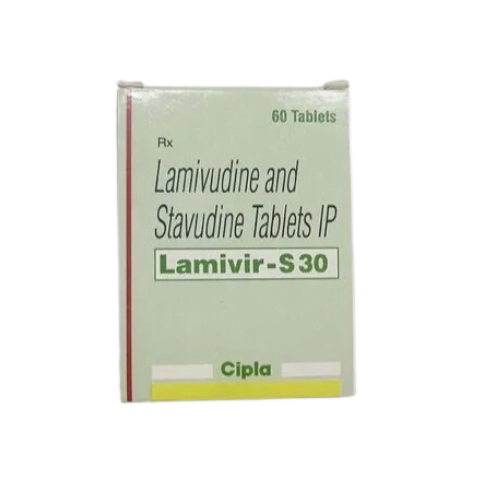
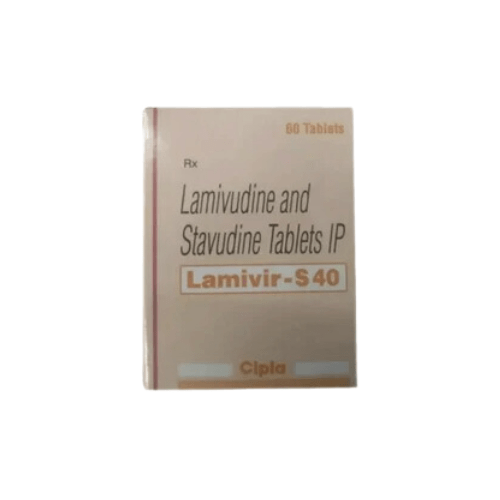
Lamivir S
Buy Lamivir S Online
Secure Encrypted Payments
Lamivir S is a combination antiretroviral medicine that contains lamivudine and stavudine for HIV treatment regimens. It can be bought online, with current Lamivir S price information shown during ordering and dose or strength choices matched to your clinician’s directions. The medicine is supplied through licensed pharmacies, and US delivery from Canada is available for cross-border cash-pay access.
Lamivir S Price, Strength Selection, and Ordering
Lamivir S cost can vary by strength, quantity, manufacturer, and current sourcing. During checkout, choose the strength and quantity that correspond with the directions you have been given. The listed cash-pay amount helps you understand the out-of-pocket total before completing your order.
Commonly referenced presentations include Lamivir S 150/30 mg tablets and Lamivir S 150/40 mg tablets. These descriptions refer to lamivudine 150 mg combined with either stavudine 30 mg or stavudine 40 mg. Your dose selection should follow the regimen chosen for your weight, kidney function, treatment history, and overall HIV plan.
Many people look for Lamivir S without insurance because HIV medicines may be costly when paid for out of pocket. If you are comparing lamivudine stavudine price across sources, look beyond the per-tablet number. Quantity, strength, origin, labeling, and the need to stay synchronized with companion antiretroviral medicines all affect the practical value of a fill.
Quick tip: Keep all HIV medicines on the same refill calendar when possible, so you do not run short of one part of your regimen.
What Lamivir S Treats
Lamivir S is used as part of combination antiretroviral therapy for human immunodeficiency virus, commonly called HIV. HIV treatment aims to reduce viral replication, support immune recovery, and lower the risk of HIV-related complications when a complete regimen is taken consistently. This medicine is not a cure for HIV and is not used by itself as a complete treatment plan.
The two active ingredients, lamivudine and stavudine, are nucleoside reverse transcriptase inhibitors. This class is often shortened to NRTIs. They interfere with reverse transcriptase, an enzyme HIV uses to copy its genetic material. When the drug components are incorporated into viral DNA, they help stop further chain building and slow viral replication.
For broader condition context, the HIV treatment category groups medicines and information related to antiretroviral care. You can also browse the wider antiviral medicines category when you need to coordinate Lamivir S with other therapies that may appear in a complete regimen.
How Lamivudine and Stavudine Work Together
Lamivudine and stavudine act at the same stage of the HIV life cycle, but they are not interchangeable. Each has its own dosing considerations, resistance profile, safety concerns, and interaction issues. Combining them in one tablet may simplify a regimen compared with taking separate components, provided the fixed doses match the intended plan.
Clinicians consider prior antiretroviral exposure, viral resistance results, kidney function, liver history, neurologic symptoms, pregnancy considerations, and companion medicines before choosing this backbone. Some modern HIV regimens use different NRTI combinations because tolerability and guideline preferences have evolved. Lamivir S may still be considered when the ingredients fit a specific treatment history and clinical need.
Stavudine is associated with important toxicity risks, so it requires careful monitoring. Lamivudine is widely used in HIV care, but it also carries warnings, especially for lactic acidosis, liver problems, and hepatitis B flare risk when therapy is stopped in people with hepatitis B coinfection. These points make ongoing lab follow-up and symptom reporting important.
Who May Be a Candidate
Lamivir S may be considered for adults and adolescents with HIV when lamivudine and stavudine are suitable components of a broader antiretroviral regimen. It is most relevant when the fixed strengths align with body weight, kidney function, and treatment goals. A complete HIV plan usually includes additional antiretroviral medicines from other classes to improve viral suppression and reduce resistance risk.
This combination may not be suitable for people with significant peripheral neuropathy, a history of pancreatitis, advanced liver disease, or risk factors for lactic acidosis. It also requires caution in people with hepatitis coinfection, heavy alcohol use, or medicines that increase pancreatic, neurologic, kidney, or liver stress. Pregnancy planning and breastfeeding require individualized HIV care guidance.
Stavudine should generally not be combined with zidovudine because zidovudine can reduce stavudine’s antiviral activity. Combining stavudine with didanosine has been associated with higher risks of pancreatitis, liver toxicity, and lactic acidosis. Tell your healthcare team about every prescription medicine, over-the-counter product, supplement, and herbal product you use.
How to Take Lamivir S
Take Lamivir S exactly as directed by your healthcare professional. Combination tablets are commonly taken by mouth, and some regimens use twice-daily dosing, but your schedule should match the instructions given for your specific therapy. The medicine may be taken with or without food when tolerated, unless your clinician provides different directions.
Consistent timing matters in HIV treatment. Missed or irregular doses can allow viral replication and may contribute to resistance. If nausea, diarrhea, neuropathy symptoms, or fatigue make adherence difficult, contact your care team rather than stopping on your own. A dose adjustment, supportive strategy, or regimen change may be safer than continuing to struggle silently.
Kidney impairment can affect how lamivudine and stavudine are cleared from the body. Because Lamivir S contains fixed doses, it may not be the best choice when individual component adjustments are needed. Lab monitoring helps determine whether the combination remains appropriate over time.
Missed Dose and Daily Timing
If you miss a dose, follow the instructions provided with your medicine or those given by your clinician. In general, many oral medicines are taken when remembered unless it is nearly time for the next scheduled dose. Do not take extra tablets to make up for missed doses unless specifically instructed.
Use practical reminders to protect adherence. A phone alarm, pill organizer, travel checklist, or dosing routine tied to meals can reduce missed doses. If you vomit soon after taking a tablet, ask a pharmacist or clinician what to do next, because the answer can depend on timing and your overall regimen.
When traveling across time zones, plan dose times before departure. Carry the medicine in the original labeled container and keep it in hand luggage. This reduces the risk of missed therapy if checked bags are delayed or lost.
Strengths, Forms, and Origin Details
Lamivir S is supplied as fixed-dose tablets containing lamivudine plus stavudine. International references commonly describe lamivudine 150 mg with stavudine 30 mg, and an alternative presentation pairs lamivudine 150 mg with stavudine 40 mg. Packaging, manufacturer, and country of origin can vary by supply channel.
The difference between 150/30 mg and 150/40 mg matters because the stavudine amount changes. Do not substitute one strength for another unless your healthcare professional confirms that the change fits your regimen. If your directions name a specific strength, match the tablet strength exactly during ordering.
Some Lamivir S supply may be associated with international manufacturers. When origin is important for your purchase records, the India-sourced product collection can help you understand how country-of-origin groupings are organized across the store.
Side Effects, Warnings, and Monitoring
Lamivir S can cause side effects ranging from mild stomach upset to serious reactions that require urgent care. Commonly reported issues with lamivudine or stavudine may include headache, fatigue, nausea, diarrhea, abdominal discomfort, rash, and changes in body fat distribution. Some people develop peripheral neuropathy, which may feel like burning, tingling, pain, or numbness in the hands or feet.
Serious warnings include lactic acidosis and severe liver enlargement with fatty change. Symptoms that need prompt medical attention include unusual weakness, shortness of breath, rapid breathing, severe stomach pain, persistent nausea or vomiting, dark urine, yellowing of the skin or eyes, or feeling unusually cold or dizzy. Pancreatitis is another serious concern, especially when stavudine is used with didanosine or in people with a pancreatitis history.
Immune reconstitution inflammatory syndrome may occur after effective HIV therapy begins. As the immune system recovers, it can react to infections that were previously hidden or quiet. Report new fever, swollen glands, worsening cough, unusual skin lesions, vision changes, or other new symptoms after starting or changing therapy.
Monitoring usually includes HIV viral load, CD4 count, kidney function, liver tests, and assessment for neurologic symptoms. People with hepatitis B coinfection need special attention because stopping lamivudine-containing therapy can worsen hepatitis B. Keep scheduled lab visits even when you feel well, because treatment response is measured mainly through laboratory results.
Interactions and Medicines to Discuss
Before using Lamivir S, discuss all current medicines with your healthcare team. Zidovudine and stavudine are generally avoided together because of antagonism. Didanosine with stavudine is a high-risk combination due to pancreatitis, neuropathy, liver toxicity, and lactic acidosis concerns.
Medicines that affect kidney function may change exposure to antiretroviral components or increase side effect risk. Ribavirin or interferon used for viral hepatitis can add safety concerns in coinfected patients. Alcohol may worsen pancreatitis and neuropathy risks, so heavy intake should be discussed honestly with a clinician.
Do not start, stop, or swap HIV medicines based only on product availability or cost. Antiretroviral combinations must work together against your virus and resistance pattern. If Lamivir S is difficult to tolerate or coordinate with other medicines, ask about alternatives rather than interrupting therapy.
Storage, Handling, and Travel
Store Lamivir S tablets at room temperature in the original container, with the lid closed tightly. Keep the medicine away from excess heat, moisture, and direct light. Do not store tablets in a bathroom or hot vehicle. Keep all antiretroviral medicines out of reach of children and pets.
Do not use tablets that are damaged, discolored, or past the expiration date printed on the label. If you have questions about appearance, storage conditions, or an accidental spill, ask a pharmacist before taking the medicine. Safe storage helps preserve product quality and reduces accidental exposure.
For travel, carry enough medicine for the full trip plus extra time in case of delays. Keep tablets with you rather than in checked luggage. International or extended travel may require additional planning so your dosing schedule stays consistent.
What to Expect During Treatment
Most people do not feel an immediate effect after taking Lamivir S. HIV treatment progress is usually measured by viral load and CD4 count rather than a same-day physical change. A falling viral load suggests the regimen is controlling viral replication, while CD4 trends help assess immune recovery.
Side effects can appear early or develop later. Neuropathy symptoms deserve attention because they may worsen if ignored. Stomach symptoms, fatigue, or headache may improve with time for some people, but severe, persistent, or unusual symptoms should be reported promptly.
Over time, HIV therapy may be updated because guidelines change, resistance emerges, lab results shift, or a better-tolerated regimen becomes appropriate. Keep a written medication list and bring it to appointments. This makes it easier to review interactions and coordinate refills.
How Lamivir S Compares With Other HIV Options
Lamivir S is a two-drug NRTI combination and usually needs other antiretroviral medicines to form a complete regimen. Many newer HIV regimens use different NRTI backbones or include integrase inhibitors, non-nucleoside reverse transcriptase inhibitors, protease inhibitors, or other classes. The right comparison depends on prior therapy, resistance testing, tolerability, and comorbid conditions.
Lamivir S is not the same as single-ingredient lamivudine. A single-component product may offer more dose flexibility when kidney adjustment or regimen customization is needed. Fixed-dose tablets can simplify pill burden, but they reduce flexibility when one ingredient needs to be changed.
If the goal is to understand nearby therapy categories, browsing antiviral medicines can help organize the conversation with your healthcare team. Use product differences to ask practical questions: which ingredients are needed, which strength matches your instructions, how side effects will be monitored, and whether your full regimen remains guideline-appropriate.
Questions to Ask Before Continuing or Switching
- Does this strength match my current HIV regimen?
- Do my kidney or liver results affect whether a fixed-dose tablet is suitable?
- What symptoms of neuropathy, pancreatitis, or lactic acidosis should I watch for?
- Are any of my current medicines unsafe with stavudine or lamivudine?
- How often should viral load, CD4 count, kidney function, and liver tests be monitored?
- What should I do if I miss doses for more than one day?
- Are there better-tolerated alternatives for my treatment history?
Why it matters: HIV therapy works best when every medicine in the regimen is chosen together and taken consistently.
Authoritative Sources
MedlinePlus lamivudine drug information
NIH HIVinfo lamivudine patient drug record
This content is for informational purposes only and is not a substitute for professional medical advice.
Research & Education Tool
Lamivir S Dosage Calculator
Enter the vial amount, diluent volume, and target amount to estimate concentration, draw volume on a 1 mL U-100 syringe, and approximate vial yield.
For research and educational use only. Check all values against the product label, certificate of analysis, and any applicable professional guidance before relying on the result.
mg
Concentration
-
mcg / mL
Volume per Dose
-
-
Estimated Draws / Vial
-
rounded down to whole draws
Draw Reference
Enter values to estimate the syringe mark.
0
-
-
-
-
eGFR Calculator
Estimate kidney filtration using the 2021 CKD-EPI creatinine equation.
eGFR
-
mL/min/1.73 m2
G category
-
requires clinical context
These calculations are for education only and do not replace clinical advice, diagnosis, or treatment. Always confirm medical decisions with a qualified healthcare professional.
Creatinine Clearance Calculator
Estimate creatinine clearance using the Cockcroft-Gault equation.
CrCl
-
mL/min estimate
These calculations are for education only and do not replace clinical advice, diagnosis, or treatment. Always confirm medical decisions with a qualified healthcare professional.
Body Surface Area Calculator
Calculate body surface area from height and weight using the Mosteller equation.
BSA
-
m2, Mosteller equation
These calculations are for education only and do not replace clinical advice, diagnosis, or treatment. Always confirm medical decisions with a qualified healthcare professional.
Ideal & Adjusted Body Weight Calculator
Estimate ideal body weight with the Devine equation and adjusted body weight when actual weight is above the estimate.
Ideal body weight
-
Devine equation
Adjusted body weight
-
IBW + 0.4 x excess weight
Difference from IBW
-
actual minus ideal
These calculations are for education only and do not replace clinical advice, diagnosis, or treatment. Always confirm medical decisions with a qualified healthcare professional.
Express Shipping - from $29.99
Shipping with this method takes 3-5 days
Prices:
- Dry-Packed Products $29.99
- Cold-Packed Products $39.99
Shipping Countries:
- United States (all contiguous states**)
- Worldwide (excludes some countries***)
Standard Shipping - $19.99
Shipping with this method takes 5-10 days
Prices:
- Dry-Packed Products $19.99
- Not available for Cold-Packed products
Shipping Countries:
- United States (all contiguous states**)
- Worldwide (excludes some countries***)
What is Lamivir S used for?
Lamivir S is used as part of combination antiretroviral therapy for HIV. It contains lamivudine and stavudine, which help reduce HIV replication when paired with other appropriate HIV medicines.
Is Lamivir S the same as lamivudine alone?
No. Lamivir S contains lamivudine plus stavudine in one fixed-dose tablet. Lamivudine alone contains only one active ingredient and may allow different dose adjustments when a clinician needs more flexibility.
What strengths of Lamivir S are commonly referenced?
Common references include Lamivir S 150/30 mg tablets and Lamivir S 150/40 mg tablets. The first number refers to lamivudine 150 mg, while the second refers to the stavudine amount.
What side effects should I watch for with Lamivir S?
Possible side effects include headache, fatigue, nausea, diarrhea, abdominal discomfort, rash, and peripheral neuropathy symptoms such as tingling or numbness. Serious warning signs include severe stomach pain, rapid breathing, unusual weakness, jaundice, or persistent numbness.
Can Lamivir S be taken by itself for HIV?
Lamivir S is not a complete HIV regimen by itself. It is typically used with other antiretroviral medicines chosen according to treatment history, resistance results, safety factors, and clinician guidance.
How should Lamivir S be stored?
Store Lamivir S tablets at room temperature in the original container, away from heat, moisture, and direct light. Keep the container tightly closed and out of reach of children and pets.
Rewards Program
Earn points on birthdays, product orders, reviews, friend referrals, and more! Enjoy your medication at unparalleled discounts while reaping rewards for every step you take with us.
You can read more about rewards here.
POINT VALUE
How to earn points
- 1Create an account and start earning.
- 2Earn points every time you shop or perform certain actions.
- 3Redeem points for exclusive discounts.
You Might Also Like
Select options
This product has multiple variants. The options may be chosen on the product page
Select options
This product has multiple variants. The options may be chosen on the product page
Select options
This product has multiple variants. The options may be chosen on the product page
Select options
This product has multiple variants. The options may be chosen on the product page