
Please note: a valid prescription is required for all prescription medication.
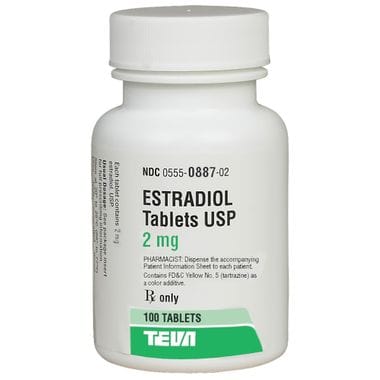
Lupin-Estradiol
Buy Lupin-Estradiol Online
Secure Encrypted Payments
Buy Lupin-Estradiol Tablets and Choose the Right Strength
Lupin-Estradiol is an oral estradiol tablet used as systemic estrogen therapy for menopausal symptoms such as hot flashes, night sweats, and vaginal dryness. You can buy Lupin-Estradiol online and choose the available strength that matches your clinician’s directions, including commonly referenced 0.5 mg, 1 mg, and 2 mg tablets.
This medication contains estradiol, a form of estrogen that circulates through the body after swallowing the tablet. Because it is systemic hormone therapy, the fit depends on your symptoms, health history, other medicines, and whether estrogen is appropriate for you. BorderFreeHealth works with licensed Canadian pharmacies to supply regulated medications for U.S. customers, with US delivery from Canada available as part of the service.
Estradiol tablets may help when menopause symptoms affect sleep, temperature regulation, mood comfort, and genital tissues at the same time. They are not the same as local vaginal estrogen products, which mainly treat vaginal and urinary tissue symptoms with less whole-body exposure. If your symptoms are mostly vaginal dryness, burning, or discomfort with sex, local products may be part of the discussion instead of, or alongside, a systemic option.
Price, Cash-Pay Cost, and Strength Selection
The Lupin-Estradiol price can vary by strength, quantity, and the details shown during checkout. Cash-pay customers can view the current cost before completing an order, then select the strength that matches the directions they were given. Do not substitute a different tablet strength to change cost unless your clinician has told you how to take the new strength safely.
Commonly referenced Lupin-Estradiol tablets include 0.5 mg, 1 mg, and 2 mg strengths. A lower strength may be used when a conservative systemic estrogen dose is preferred, while a higher strength may be used only when the individual benefit-risk discussion supports it. Tablet appearance, manufacturer packaging, and national label details can vary, so the labeled strength on the container matters more than pill color or shape.
| Strength | Form | Practical buying note |
|---|---|---|
| 0.5 mg | Oral tablet | Often considered when a lower systemic estrogen dose is appropriate. |
| 1 mg | Oral tablet | A commonly used estradiol tablet strength for systemic symptom control. |
| 2 mg | Oral tablet | A higher oral strength that calls for careful benefit-risk review. |
Quick tip: Match the strength in your cart to the exact strength written on your medication directions.
How to Use Lupin-Estradiol Safely
Lupin-Estradiol tablets are generally taken by mouth, often once daily when directed that way. Swallow the tablet with water and follow the schedule on your medication label. Taking the tablet at the same time each day can make symptom tracking easier and can reduce missed-dose confusion.
If you miss a dose, follow the instructions from your clinician or the pharmacy label. Do not double the next dose unless you were specifically told to do so. Inconsistent use can make hot flashes or night sweats harder to interpret and may make side effects more difficult to connect with treatment.
The usual goal with systemic estrogen is the lowest effective dose for the shortest period that still fits the treatment plan. That does not mean everyone stops quickly; it means the dose and ongoing need should be revisited. New health changes, surgery, immobilization, smoking status, migraines, bleeding, or a new medicine can all change the safety discussion.
What Lupin-Estradiol Treats
Lupin-Estradiol is used in the menopause setting to replace estrogen when declining estrogen levels contribute to bothersome symptoms. Common treatment goals include reducing vasomotor symptoms, such as hot flashes and night sweats, and improving estrogen-related vaginal discomfort. In some situations, estrogen therapy may also be considered as part of a broader bone-health plan after menopause.
Systemic estrogen reaches many tissues. That can be helpful when symptoms are widespread, but it also means the medicine requires careful screening. If a uterus is present, estrogen may need to be balanced with a progestogen to help protect the uterine lining. Unopposed estrogen can stimulate the lining of the uterus and may increase the risk of endometrial problems.
People exploring menopause treatment choices can browse menopausal symptoms information or the women’s health category for related pharmacy options. Broader educational articles are also available in women’s health articles, but individualized treatment decisions should stay grounded in your own medical history.
Who May Not Be a Good Fit
Estradiol is not appropriate for everyone. It may be unsafe or require specialist input when there is unexplained vaginal bleeding, active liver disease, a history of certain blood clots, stroke, heart attack, estrogen-sensitive cancer, or a known clotting disorder. Pregnancy is also a reason to avoid estrogen therapy in this context.
Risk can be higher in people who smoke, have uncontrolled high blood pressure, have migraine with aura, have high triglycerides, or have significant gallbladder disease. A strong family history of clotting or breast cancer may also affect the decision. The safest plan begins with a full health history rather than symptom severity alone.
New vaginal bleeding after menopause should be assessed promptly. Chest pain, sudden shortness of breath, one-sided weakness, severe leg swelling, sudden vision loss, or a severe new headache needs urgent medical attention. These symptoms are uncommon, but they matter because systemic estrogen can increase clot and stroke risk in some people.
Side Effects, Warnings, and Monitoring
Common side effects with oral estradiol can include breast tenderness, nausea, bloating, headache, mood changes, leg cramps, and spotting or breakthrough bleeding. Some people notice fluid retention or weight changes, although weight can also shift because of menopause, sleep disruption, diet, activity, or other medicines.
Serious risks are less common but more important. Systemic estrogen has been associated with blood clots, stroke, gallbladder problems, and certain hormone-sensitive cancers in some patients. People with a uterus may need added uterine protection, because estrogen taken without an appropriate balancing hormone can increase the risk of endometrial hyperplasia and cancer.
- Report new or unusual vaginal bleeding promptly.
- Seek urgent care for chest pain, sudden shortness of breath, or one-sided weakness.
- Get medical help for severe leg swelling or sudden vision changes.
- Tell your clinician about worsening migraines or new severe headaches.
- Keep up with breast screening and blood pressure checks as advised.
Monitoring is not only about side effects. Follow-up helps decide whether symptoms still justify systemic estrogen, whether a lower dose could work, and whether new health issues have changed the risk-benefit balance. Bring updates about surgeries, long travel with immobility, smoking, new diagnoses, and any medicine changes.
Drug Interactions and Health Cautions
Oral estradiol is processed through body pathways that can be affected by other medicines and supplements. A complete medication list should include seizure medicines, rifampin-like antibiotics, certain HIV or hepatitis treatments, thyroid medicines, St. John’s wort, and any hormone-containing products. Some drugs may reduce estradiol exposure, while others may increase side effect risk.
Thyroid replacement may need attention because estrogen can alter thyroid-binding proteins. Diabetes, lipid disorders, liver conditions, and gallbladder disease can also change how clinicians think about systemic hormone therapy. If you use blood thinners or have a clotting history, do not treat estradiol as a routine refill decision without a current medical review.
Estradiol is different from estrogen-lowering medicines used in some breast cancer settings. For background on non-estrogen hormone-related treatments, articles such as Premarin for menopause symptoms and hot flashes and vaginal dryness can help clarify how estrogen products are used for menopause rather than cancer hormone suppression.
Storage, Travel, and Shipping Basics
Store Lupin-Estradiol tablets at room temperature in a dry place, away from excess heat, direct light, and moisture. Bathrooms and vehicles are poor long-term storage spots because humidity and temperature swings can affect tablets. Keep the medicine in its original labeled container and out of reach of children and pets.
For travel, carry the labeled container rather than transferring tablets into an unmarked organizer for the entire trip. Keeping medication in hand luggage can help prevent missed doses if checked bags are delayed. The label also helps reduce confusion if your tablet strength has changed over time.
After order details are reviewed, logistics may include prompt, express shipping. Inspect the package when it arrives, read the label carefully, and make sure the strength and directions match what you expected. Contact the pharmacy if the label, quantity, or tablet strength seems inconsistent before taking the medicine.
How Oral Estradiol Compares With Other Menopause Options
Oral estradiol may suit people who need systemic estrogen and prefer tablets. Other estrogen routes may be considered when skin delivery, local vaginal treatment, or a different release pattern is preferred. The best choice depends on symptom pattern, safety history, uterine status, convenience, and previous response to hormone therapy.
Transdermal estradiol products deliver estrogen through the skin. Some people discuss options such as an estradiol patch, Estradot or Vivelle-Dot, or Climara when they want a non-oral route. Gels such as EstroGel or Divigel may also be considered when a topical systemic option fits the treatment plan.
Local vaginal estrogen is different. It is often used when vaginal dryness, burning, urinary discomfort, or pain with sex are the main issues. Educational articles on Imvexxy uses and the generic Vagifem guide explain how local estrogen products differ from systemic tablets. No estrogen route is automatically better; the safer choice is the one that fits the symptom target and medical history.
Questions to Ask Before Starting or Refilling
Good hormone-therapy decisions are specific. Ask what symptom improvement to expect, how long to try the current strength, and when follow-up should happen. If you have a uterus, ask whether another hormone is needed for uterine protection. If you have migraines, high blood pressure, clotting concerns, or a breast-health history, ask how those factors change your risk.
Also ask what to do if spotting occurs, which warning symptoms need urgent care, and whether any current medicines or supplements interact with estradiol. Clarify how to handle missed doses and whether planned surgery or long periods of immobility require temporary changes. These questions help make the medicine safer to use at home.
Why it matters: The right estradiol strength can change over time as symptoms, age, and health risks change.
Authoritative Sources
For official Canadian labeling, see the PrLUPIN-ESTRADIOL product monograph. For product status information, review the Health Canada drug product record. For broader estradiol safety context, the Mayo Clinic estradiol overview provides patient-facing background.
This content is for informational purposes only and is not a substitute for professional medical advice.
Express Shipping - from $29.99
Shipping with this method takes 3-5 days
Prices:
- Dry-Packed Products $29.99
- Cold-Packed Products $39.99
Shipping Countries:
- United States (all contiguous states**)
- Worldwide (excludes some countries***)
Standard Shipping - $19.99
Shipping with this method takes 5-10 days
Prices:
- Dry-Packed Products $19.99
- Not available for Cold-Packed products
Shipping Countries:
- United States (all contiguous states**)
- Worldwide (excludes some countries***)
What is Lupin-Estradiol used for?
Lupin-Estradiol is an oral estradiol tablet used as systemic estrogen therapy for menopausal symptoms such as hot flashes, night sweats, and vaginal dryness. In some cases, estrogen therapy may also be considered as part of a broader postmenopausal bone-health plan.
What strengths do Lupin-Estradiol tablets come in?
Commonly referenced Lupin-Estradiol tablet strengths include 0.5 mg, 1 mg, and 2 mg. Choose the strength shown during ordering that matches your medication directions, and do not change strengths without clinician guidance.
How do you take Lupin-Estradiol tablets?
Lupin-Estradiol tablets are taken by mouth according to the directions on the medication label. Many oral estradiol regimens are once daily, but you should follow your own label and avoid doubling doses after a missed dose unless told to do so.
What are common Lupin-Estradiol side effects?
Common side effects can include headache, nausea, breast tenderness, bloating, mood changes, leg cramps, and spotting. Seek urgent care for symptoms such as chest pain, sudden shortness of breath, one-sided weakness, severe leg swelling, or sudden vision changes.
Is Lupin-Estradiol the same as vaginal estrogen?
No. Lupin-Estradiol is a systemic oral estrogen tablet, so estrogen circulates through the body. Vaginal estrogen products are usually designed to act mainly in vaginal and urinary tissues and may be considered when symptoms are mostly local.
Does Lupin-Estradiol cause weight gain?
Some people report fluid retention or weight changes while using systemic estrogen, but weight changes can also relate to menopause, sleep, diet, activity, and other medicines. Report rapid swelling or concerning changes to a clinician.
How should Lupin-Estradiol be stored?
Store Lupin-Estradiol tablets at room temperature in a dry place, away from excess heat, light, and moisture. Keep tablets in the original labeled container and out of reach of children and pets.
Rewards Program
Earn points on birthdays, product orders, reviews, friend referrals, and more! Enjoy your medication at unparalleled discounts while reaping rewards for every step you take with us.
You can read more about rewards here.
POINT VALUE
How to earn points
- 1Create an account and start earning.
- 2Earn points every time you shop or perform certain actions.
- 3Redeem points for exclusive discounts.
You Might Also Like
Select options
This product has multiple variants. The options may be chosen on the product page
Select options
This product has multiple variants. The options may be chosen on the product page
Select options
This product has multiple variants. The options may be chosen on the product page
Select options
This product has multiple variants. The options may be chosen on the product page