
Please note: a valid prescription is required for all prescription medication.
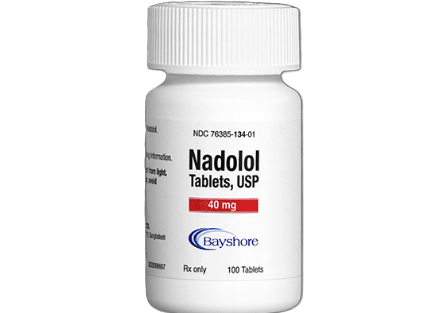
Nadolol
Buy Nadolol Online
Secure Encrypted Payments
Nadolol is a beta blocker medicine used for high blood pressure and chronic angina, a type of recurring chest pain. Nadolol tablets can be bought online, with the dose or strength chosen from the available selections and matched to your clinician’s directions. BorderFreeHealth offers cash-pay ordering with US delivery from Canada for customers managing ongoing cardiovascular treatment.
Nadolol Price, Strengths, and Ordering
When you buy Nadolol online, the main practical choices are strength, quantity, and current cash-pay price. Nadolol tablets are commonly supplied in labeled strengths such as 20 mg, 40 mg, 80 mg, and 120 mg, although stock and manufacturer availability may vary over time. Choose the strength shown during ordering that matches the directions you were given, and avoid switching tablet strength unless a clinician has confirmed how your daily amount should be taken.
Nadolol price can vary by tablet strength, manufacturer, and quantity. Customers paying out of pocket often look at a multi-month supply once their regimen is stable, because fewer refills may help with planning. The cost of Nadolol without insurance should be assessed alongside follow-up care, home blood pressure supplies, and any other heart medicines in your plan.
Quick tip: Keep your tablet bottle and medication list together so strength, quantity, and refill timing are easy to confirm.
Customers can also browse related heart medicines and treatment categories in the Cardiovascular section. Category browsing can be useful when your clinician has discussed another beta blocker, a blood pressure combination plan, or a separate medicine for angina symptoms.
What Nadolol Treats
Nadolol is used to treat hypertension and to help prevent chronic stable angina. Hypertension means persistently high blood pressure, which can strain blood vessels, the heart, kidneys, brain, and eyes over time. Chronic stable angina is chest discomfort that tends to occur with predictable triggers, such as exertion or stress, when the heart needs more oxygen than narrowed coronary arteries can supply.
For high blood pressure, nadolol may be used alone or with other cardiovascular medicines. For angina, it is taken regularly to reduce the chance of episodes rather than to relieve sudden chest pain already happening. A separate fast-acting medicine may be needed for acute angina attacks if your clinician has prescribed one.
Condition information can help you understand the treatment goal. BorderFreeHealth has patient-friendly sections on Hypertension and Angina, which explain common symptoms, risk factors, and why steady control matters.
How Nadolol Works in the Body
Nadolol is a nonselective beta-adrenergic receptor blocker. In plain language, it blocks beta signals that normally make the heart beat faster and harder. By slowing heart rate and reducing the heart’s workload, it can lower blood pressure and decrease the heart’s oxygen demand.
Nonselective means nadolol affects both beta-1 and beta-2 receptors. Beta-1 effects are mainly related to the heart. Beta-2 effects can involve the airways and blood vessels, which is why breathing conditions such as asthma or significant chronic obstructive pulmonary disease require special caution with this type of beta blocker.
Corgard is the original brand name associated with nadolol. Generic nadolol contains the same active ingredient, but product appearance, manufacturer, and market availability can differ. If your tablets look different after a refill, confirm the active ingredient and strength on the bottle before taking them.
How to Take Nadolol Tablets
Nadolol is typically taken once daily. Taking it at the same time each day can help keep blood levels steady and make missed doses less likely. It may be taken with or without food, but consistency is useful if stomach upset or timing with other medicines becomes an issue.
Swallow tablets with water. Do not stop nadolol suddenly unless a healthcare professional tells you to do so, because abrupt withdrawal can worsen angina or cause other heart-related problems in some people. If the medicine needs to be stopped, the plan is usually gradual and supervised.
People often ask about the best time to take nadolol. The best schedule depends on your daily routine, blood pressure pattern, pulse, other medicines, and any side effects such as dizziness or fatigue. If a dose is missed, take it when remembered unless it is close to the next dose; do not double doses to catch up.
Monitoring Blood Pressure, Pulse, and Response
Nadolol blood pressure response develops with steady use and follow-up. Home blood pressure readings can show whether treatment is helping outside the clinic. Many people are also asked to track resting pulse, because beta blockers can slow the heart rate more than intended.
Keep a simple record with date, time, blood pressure, pulse, and symptoms such as dizziness, faintness, chest discomfort, shortness of breath, or unusual fatigue. Bring that record to appointments. It helps your clinician decide whether the current strength fits your treatment goals.
For angina, the expected benefit is fewer predictable episodes and improved tolerance of usual activity. Nadolol is not a substitute for emergency care. Seek urgent help for severe chest pain, chest pain that is new or different, fainting, or shortness of breath that feels serious.
Side Effects, Warnings, and When to Get Help
The most common side effects of nadolol are related to its heart-rate and blood-pressure effects. Fatigue, dizziness, slow pulse, cold hands or feet, and lightheadedness may occur, especially when starting therapy or after changes in the regimen. Some people also report nausea, stomach upset, sleep changes, vivid dreams, or decreased sexual interest.
Serious reactions need prompt medical attention. These can include very slow heart rate, fainting, low blood pressure, heart block, worsening heart failure, bronchospasm, or severe shortness of breath. People with asthma, significant COPD, severe bradycardia, heart block greater than first degree, cardiogenic shock, or uncontrolled heart failure may be advised to avoid nadolol or use another medicine.
Diabetes requires extra care because beta blockers can mask some warning signs of low blood sugar, especially a fast heartbeat. Sweating, confusion, shakiness, hunger, or weakness may still occur. Thyroid disease is another reason to use caution, because beta blockers can hide certain symptoms of an overactive thyroid.
Weight gain is not usually the main side effect people notice with nadolol, but some beta blockers have been associated with small weight changes in certain patients. Report rapid weight gain, swelling in the legs, or worsening shortness of breath, because those symptoms may point to fluid retention or heart failure rather than ordinary day-to-day variation.
Drug Interactions and Cautions
Nadolol can interact with medicines that also lower heart rate, affect blood pressure, or change heart rhythm. Non-dihydropyridine calcium channel blockers such as verapamil or diltiazem can increase the risk of bradycardia or heart block when combined with beta blockers. Our article on verapamil uses and interactions explains why careful monitoring matters with this class.
- Clonidine: stopping clonidine while taking a beta blocker requires careful sequencing.
- Antiarrhythmics: some rhythm medicines can add to heart conduction effects.
- Insulin or sulfonylureas: low blood sugar warning signs may be less obvious.
- NSAIDs: some anti-inflammatory medicines may reduce blood pressure control.
- Anesthesia: surgical teams should know about beta blocker use before procedures.
Alcohol, dehydration, heat exposure, and sudden position changes may worsen dizziness. Share all medicines, supplements, and over-the-counter products with your healthcare team, especially if you take multiple cardiovascular therapies. Do not self-adjust nadolol to compensate for missed doses, high readings, or side effects.
Storage, Travel, and Refills
Store nadolol tablets at room temperature in a dry place away from excess heat, light, and moisture. Keep the bottle tightly closed and out of reach of children and pets. A bathroom cabinet is often too humid for long-term storage.
For travel, keep tablets in hand luggage inside the original labeled container. Carry an up-to-date medication list that includes the active ingredient, strength, schedule, and the reason you take it. If you are crossing borders, allow extra time for screening and keep healthcare contact information accessible.
Refill planning is important with beta blockers because missed doses or abrupt gaps can affect angina and blood pressure control. If you use Nadolol ships to US service wording while planning, remember that prompt, express shipping still requires enough time for order processing, packing, and transit. Set reminders before the bottle runs low.
How Nadolol Compares With Other Beta Blockers
Nadolol differs from some beta blockers because it is nonselective and is often taken once daily. Cardioselective beta blockers mainly target beta-1 receptors at usual doses, which may be preferred for some people with airway concerns, although individual risk still matters. Differences in kidney clearance, dosing schedule, heart-rate effect, and side effect profile can influence the choice.
Atenolol is another beta blocker used in cardiovascular care and may be discussed when a clinician wants a different beta-blocker profile. Propranolol is also nonselective, but extended-release forms are used differently from immediate-release tablets. These medicines are not interchangeable milligram-for-milligram without clinical direction.
If your clinician is considering alternatives, the broader cardiovascular articles can help you understand common treatment categories. Treatment decisions should be based on your conditions, pulse, blood pressure goals, airway history, kidney function, and other medicines.
Availability, Substitutions, and Brand Context
Nadolol is the active ingredient, while Corgard is a brand name historically associated with it. Generic tablets may come from different manufacturers and may vary in color, shape, or imprint. The active ingredient and strength on the label are the key details to confirm after each refill.
Availability can change by manufacturer and strength. If a specific manufacturer or tablet strength is not available, a pharmacist or clinician may recommend a suitable way to fill the therapy using an equivalent product or adjusted quantity. Never split, combine, or substitute tablets in a new way unless you have clear directions.
Country-specific naming, packaging, and supply pathways can differ between Canada and the United States. That difference does not change the need to follow the directions given for your own treatment. For customers specifically seeking Canadian-sourced medicine, the Canada country-of-origin section may help with browsing.
Who Should Discuss Suitability Carefully
Nadolol may not be appropriate for everyone. A clinician should know if you have asthma, COPD, slow pulse, heart block, heart failure, diabetes, kidney disease, thyroid disease, severe circulation problems, a history of severe allergic reactions, or upcoming surgery. Pregnancy and breastfeeding also require individualized discussion.
Kidney function is especially relevant because nadolol is cleared through the kidneys. Some people with kidney impairment may need a different dosing interval or closer monitoring. Older adults may also be more sensitive to dizziness, low pulse, or falls when blood pressure changes quickly.
Why it matters: The safest beta blocker is the one that fits your heart rhythm, breathing history, kidney function, and treatment goal.
Questions to Ask Before Starting or Refilling
- What blood pressure and resting pulse range should I report?
- Is nadolol intended mainly for blood pressure, angina prevention, or both?
- Should I take it in the morning, evening, or another consistent time?
- What should I do if dizziness, fatigue, or shortness of breath occurs?
- Do any of my current medicines increase the risk of slow heart rate?
- How should missed doses or travel across time zones be handled?
- Are there signs that should lead to urgent care rather than waiting?
These questions help connect the tablet strength you choose with daily use and safety monitoring. They are especially useful if you take other cardiovascular medicines or have had changes in kidney function, exercise tolerance, or angina symptoms.
Authoritative Sources
| Reference | Link |
|---|---|
| MedlinePlus drug information | Nadolol: MedlinePlus Drug Information |
| NCBI Bookshelf clinical review | Nadolol – StatPearls |
This content is for informational purposes only and is not a substitute for professional medical advice.
Blood Pressure Average Calculator
Average home blood pressure readings and show a simple screening range.
Average BP
-
entered readings only
Range
-
screening category
These calculations are for education only and do not replace clinical advice, diagnosis, or treatment. Always confirm medical decisions with a qualified healthcare professional.
Mean Arterial Pressure Calculator
Calculate estimated mean arterial pressure from systolic and diastolic blood pressure.
MAP
-
DBP + one-third pulse pressure
These calculations are for education only and do not replace clinical advice, diagnosis, or treatment. Always confirm medical decisions with a qualified healthcare professional.
Pulse Pressure Calculator
Calculate pulse pressure from systolic and diastolic blood pressure.
Pulse pressure
-
SBP - DBP
These calculations are for education only and do not replace clinical advice, diagnosis, or treatment. Always confirm medical decisions with a qualified healthcare professional.
Target Heart Rate Calculator
Estimate exercise heart-rate zones using age, resting heart rate, and the Karvonen method.
Max HR estimate
-
220 - age
Target zone
-
Karvonen method
These calculations are for education only and do not replace clinical advice, diagnosis, or treatment. Always confirm medical decisions with a qualified healthcare professional.
Express Shipping - from $29.99
Shipping with this method takes 3-5 days
Prices:
- Dry-Packed Products $29.99
- Cold-Packed Products $39.99
Shipping Countries:
- United States (all contiguous states**)
- Worldwide (excludes some countries***)
Standard Shipping - $19.99
Shipping with this method takes 5-10 days
Prices:
- Dry-Packed Products $19.99
- Not available for Cold-Packed products
Shipping Countries:
- United States (all contiguous states**)
- Worldwide (excludes some countries***)
What is nadolol used for?
Nadolol is used to treat high blood pressure and to help prevent chronic stable angina. It lowers heart workload by slowing the heart rate and reducing the force of contraction.
What is the most common side effect of nadolol?
Common effects include fatigue, dizziness, slow pulse, and cold hands or feet. Contact a healthcare professional promptly for fainting, severe shortness of breath, very slow pulse, or worsening chest pain.
Is weight gain a side effect of nadolol?
Weight gain is not usually the main side effect reported with nadolol, but beta blockers can be associated with weight changes in some people. Rapid weight gain, swelling, or worsening shortness of breath should be assessed because those symptoms may suggest fluid retention or heart failure.
Why do people ask if nadolol was discontinued?
People may ask because brand availability, manufacturers, and tablet strengths can change over time. Nadolol remains an established beta blocker medicine, but specific brand or generic supply can vary by market and manufacturer.
What is the best time to take nadolol?
Nadolol is commonly taken once daily, and consistency is more important than a specific clock time for many people. Your clinician may recommend morning or evening use based on blood pressure readings, pulse, side effects, and other medicines.
Rewards Program
Earn points on birthdays, product orders, reviews, friend referrals, and more! Enjoy your medication at unparalleled discounts while reaping rewards for every step you take with us.
You can read more about rewards here.
POINT VALUE
How to earn points
- 1Create an account and start earning.
- 2Earn points every time you shop or perform certain actions.
- 3Redeem points for exclusive discounts.
You Might Also Like
Select options
This product has multiple variants. The options may be chosen on the product page
Select options
This product has multiple variants. The options may be chosen on the product page
Select options
This product has multiple variants. The options may be chosen on the product page
Select options
This product has multiple variants. The options may be chosen on the product page