

Please note: a valid prescription is required for all prescription medication.
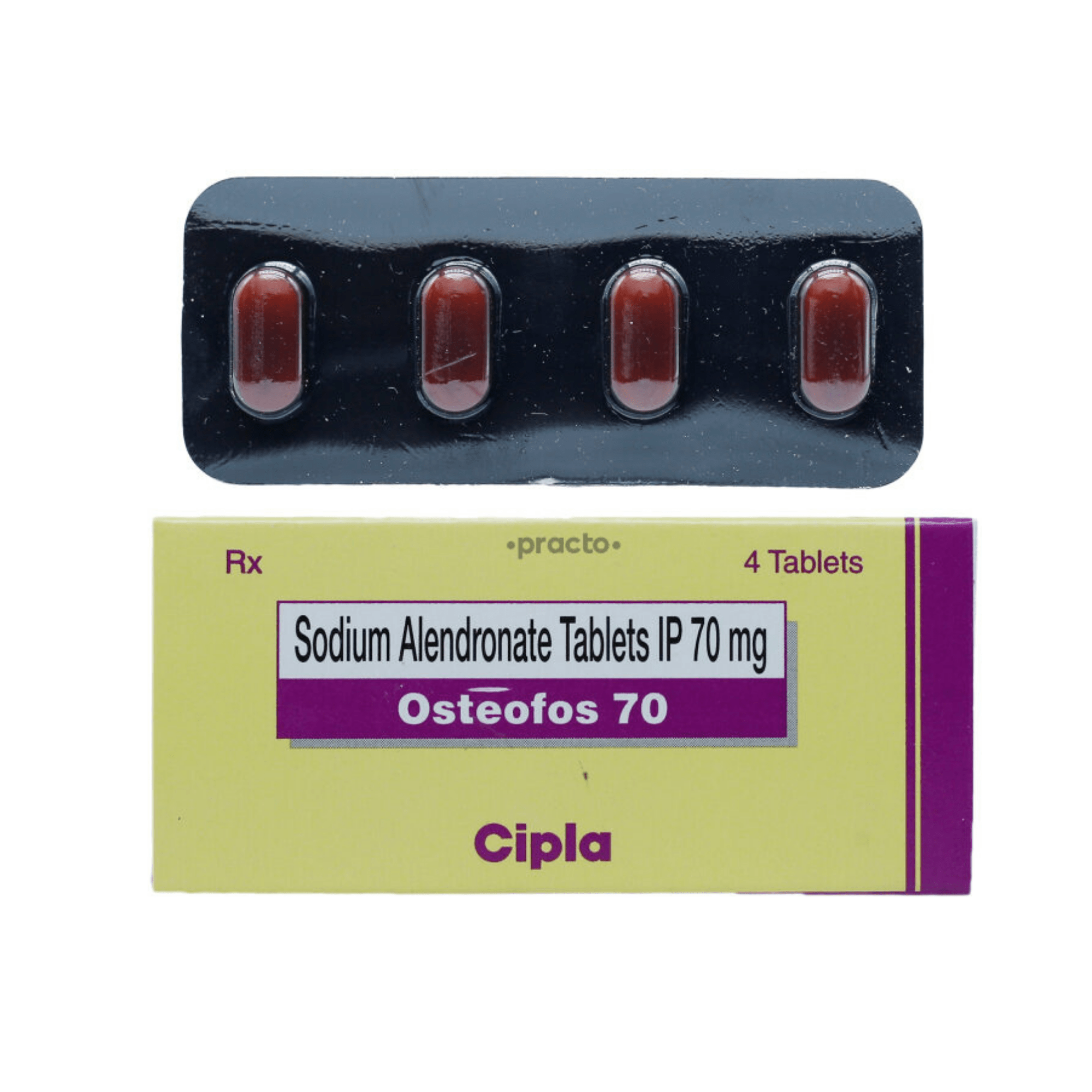
Osteofos
Buy Osteofos Online
Secure Encrypted Payments
Osteofos is an alendronate tablet used to help treat osteoporosis and reduce bone breakdown over time. It can be ordered online, and you can choose the Osteofos strength shown during ordering that matches your clinician’s directions. Current price information may vary by strength, quantity, and pharmacy sourcing, including US delivery from Canada when appropriate.
Osteofos Price and Strength Selection
Osteofos price depends on the tablet strength, the quantity filled, and current pharmacy cost. Many customers look for Osteofos 70 mg price or Osteofos 35 mg price because weekly alendronate regimens commonly use those strengths for different osteoporosis goals. The strength should match the directions from your clinician rather than personal preference or convenience.
During ordering, select the dose or strength available for Osteofos and compare it with the directions on your medication plan. If the strength displayed does not match what you were told to take, ask a pharmacist or clinician before using it. Alendronate is sensitive to timing and administration, so the label directions are part of the treatment, not just packaging information.
Cash-pay customers often compare out-of-pocket costs for long-term bone-health therapy. BorderFreeHealth can support cash-pay ordering for people managing medication costs without insurance, while products are supplied through licensed pharmacies. If offered for your destination, prompt, express shipping may be selected during checkout.
What Osteofos Is Used For
Osteofos contains alendronate, a bisphosphonate medicine. Bisphosphonates slow the activity of osteoclasts, the cells that break down bone. For osteoporosis, this helps reduce ongoing bone loss and may lower the risk of certain fractures when used consistently with adequate calcium, vitamin D, and follow-up care.
Alendronate tablets are commonly used for osteoporosis in postmenopausal women and in men. They may also be used when bone loss risk is increased by long-term corticosteroid treatment. Osteoporosis-specific background, fracture-risk factors, and related therapy categories can be explored through the osteoporosis condition section.
Osteofos is not a pain reliever and does not rebuild bone overnight. Benefits are usually assessed over months through bone-density testing, fracture history, and clinical follow-up. The medication works best when administration steps are followed closely, because food, minerals, and many drinks can sharply reduce absorption.
How Alendronate Tablets Are Usually Taken
Osteofos 70 mg tablet is commonly associated with once-weekly alendronate treatment schedules for osteoporosis. Osteofos 35 mg tablet is often associated with prevention-focused weekly schedules. Other alendronate schedules may exist, so your actual regimen should come from the label and clinician instructions tied to your treatment plan.
Alendronate is usually taken first thing in the morning with a full glass of plain water. After swallowing the tablet whole, people are commonly instructed to remain upright and wait before eating, drinking anything other than plain water, or taking other medicines. This reduces the chance of esophagus irritation and helps absorption.
Quick tip: Plain water is preferred; coffee, juice, milk, and mineral water can interfere with absorption.
If a weekly dose is missed, many alendronate labels advise taking it the next morning after remembering, then returning to the usual weekly schedule. Two doses should not be taken on the same day unless a clinician specifically instructs it. If missed doses happen often, ask for help choosing a safer weekly reminder routine.
| Strength | Common schedule context | Practical note |
|---|---|---|
| 35 mg | Once weekly | Often used in prevention-focused osteoporosis regimens |
| 70 mg | Once weekly | Often used in treatment-focused osteoporosis regimens |
What to Know Before Ordering Osteofos
Osteofos should be used only when the tablet strength and schedule fit your clinical plan. People with swallowing problems, active upper gastrointestinal irritation, or a history of esophagus narrowing may need a different approach. The medicine is also generally avoided when low blood calcium has not been corrected.
Kidney function matters with alendronate. Clinicians often consider kidney history, calcium and vitamin D status, dental health, fracture risk, and the ability to stay upright after dosing. If you take several morning medicines, ask how to space them so alendronate is not blocked by calcium, iron, antacids, or supplements.
Calcium disorders can complicate bone treatment decisions. The hypercalcemia condition section may help you prepare questions about calcium balance, though individual interpretation belongs with a healthcare professional. Bone metastases can also affect bone-strength and calcium decisions; related context is available in the bone metastases condition section.
Storage and Travel Basics
Store Osteofos tablets at room temperature in a dry place, away from excess heat and moisture. Keep tablets in their original bottle or blister packaging until use when possible. Bathrooms, kitchen sinks, and hot cars are poor storage locations because humidity and temperature changes can damage many tablets.
For travel, keep the medicine in its labeled container so the strength and directions remain clear. Weekly dosing can be easier to manage with a consistent day-of-week reminder. If crossing time zones, avoid taking extra doses to “catch up” and follow the schedule provided by your clinician or pharmacist.
Keep all medicines out of reach of children and pets. Check the expiration date before using tablets that have been stored for a long time. If tablets look damaged, wet, or different from prior fills, ask the dispensing pharmacy before taking them.
Side Effects, Warnings, and Monitoring
Common alendronate side effects often involve the digestive tract. Heartburn, stomach discomfort, nausea, constipation, diarrhea, gas, or abdominal pain may occur. Muscle, joint, or bone pain can also happen, and some people report symptoms that affect daily activity. Persistent or severe symptoms should be discussed promptly.
Serious esophagus irritation is an important warning with oral alendronate. New or worsening trouble swallowing, pain when swallowing, chest pain, severe heartburn, or vomiting blood needs urgent medical attention. Taking the tablet with plain water, swallowing it whole, and staying upright after dosing helps reduce this risk.
Why it matters: Swallowing pain or severe heartburn can signal esophagus injury and should not be ignored.
Rare but serious risks include osteonecrosis of the jaw, atypical femur fractures, severe bone or joint pain, and low calcium symptoms such as cramps, spasms, or tingling. Tell your dentist that you use alendronate, especially before invasive dental procedures. New thigh, hip, or groin pain should be reported because it can precede unusual femur fractures.
Alendronate can interact with calcium, iron, magnesium, aluminum-containing antacids, and many supplements by reducing absorption. Food and drinks other than plain water can do the same. Nonsteroidal anti-inflammatory drugs may increase stomach irritation in some people, so it is sensible to review over-the-counter pain relievers along with prescription medicines.
Monitoring may include bone-density testing, fracture history, kidney function, calcium or vitamin D status, and symptom review. Long-term bisphosphonate therapy is sometimes reassessed after several years because benefits and risks can change. Do not stop or restart Osteofos on your own without discussing the reason and timing with a clinician.
Osteofos Compared With Other Bone Treatments
Osteofos is one oral bisphosphonate option. Other medicines in the same class include risedronate, ibandronate, and intravenous zoledronic acid. Differences can include dosing frequency, fasting instructions, kidney considerations, gastrointestinal tolerability, and how closely administration steps must be followed.
Non-bisphosphonate options may include injectable medicines such as denosumab or anabolic therapies that help build bone in selected patients. These choices are usually based on fracture risk, prior treatment response, kidney status, dental considerations, and whether oral tablets are practical. If fasting or upright-time requirements are difficult, a clinician may consider a non-oral treatment plan.
People managing several chronic medicines often need help coordinating timing. Thyroid medicines, for example, may also require fasting routines. Category browsing in the endocrine thyroid medicines section and condition articles in the endocrine thyroid article section can help you prepare spacing questions for a pharmacist.
Country, Manufacturer, and Product Naming Notes
Osteofos may be associated with alendronate sodium tablets and, in some markets, manufacturer-specific names such as Cipla Osteofos 70. Packaging, tablet appearance, and country of origin can vary by sourcing route. Treat the dispensed pharmacy label as the primary reference for the actual strength, manufacturer, and directions.
Some customers specifically search for Osteofos 70 mg from Canada or Osteofos ships to US because they are comparing cross-border cash-pay options. Service wording does not change how alendronate should be taken or monitored. The same administration and safety principles apply regardless of the country source shown on the package.
If product origin is important to you, the site also organizes items by attributes such as country of origin India. Attribute pages can support browsing, but the medication label and pharmacist instructions remain the key references for safe use.
Authoritative Sources
Regulator-backed and major medical sources are useful for checking alendronate administration steps, contraindications, and warning symptoms. They can also help clarify why upright time, plain water, dental communication, and calcium or vitamin D status matter. If a source conflicts with your dispensed label or clinician’s direction, follow the clinician-specific instruction.
- MedlinePlus provides patient-friendly alendronate information: MedlinePlus alendronate information
- NIAMS explains osteoporosis risks, diagnosis, and prevention strategies: NIAMS osteoporosis information
This content is for informational purposes only and is not a substitute for professional medical advice.
Express Shipping - from $29.99
Shipping with this method takes 3-5 days
Prices:
- Dry-Packed Products $29.99
- Cold-Packed Products $39.99
Shipping Countries:
- United States (all contiguous states**)
- Worldwide (excludes some countries***)
Standard Shipping - $19.99
Shipping with this method takes 5-10 days
Prices:
- Dry-Packed Products $19.99
- Not available for Cold-Packed products
Shipping Countries:
- United States (all contiguous states**)
- Worldwide (excludes some countries***)
What is Osteofos used for?
Osteofos contains alendronate, a bisphosphonate used for osteoporosis treatment and prevention in appropriate patients. It helps slow bone breakdown and may reduce certain fracture risks when used with clinician-directed calcium, vitamin D, and monitoring.
When is the best time to take Osteofos 70 mg?
Alendronate tablets are commonly taken first thing in the morning with a full glass of plain water. People are usually told to stay upright and wait before food, other drinks, or other medicines so absorption is not reduced and the esophagus is less irritated.
Can Osteofos cause bone pain?
Yes. Bone, joint, or muscle pain can occur with alendronate. Mild aches may be temporary, but severe, persistent, or new thigh, hip, or groin pain should be reported promptly because rare serious bone-related problems have been described with bisphosphonates.
What are common Osteofos side effects?
Common side effects include heartburn, stomach upset, nausea, abdominal discomfort, constipation, diarrhea, gas, and muscle or joint pain. Trouble swallowing, chest pain, severe heartburn, vomiting blood, jaw problems, or low-calcium symptoms need urgent medical attention.
Can calcium or antacids be taken with Osteofos?
Calcium, iron, magnesium, and aluminum-containing antacids can reduce alendronate absorption if taken too close to the dose. Many labels advise taking Osteofos with plain water first, then waiting before supplements or other medicines. Ask a pharmacist for exact spacing.
Rewards Program
Earn points on birthdays, product orders, reviews, friend referrals, and more! Enjoy your medication at unparalleled discounts while reaping rewards for every step you take with us.
You can read more about rewards here.
POINT VALUE
How to earn points
- 1Create an account and start earning.
- 2Earn points every time you shop or perform certain actions.
- 3Redeem points for exclusive discounts.
You Might Also Like
Select options
This product has multiple variants. The options may be chosen on the product page
Select options
This product has multiple variants. The options may be chosen on the product page
Select options
This product has multiple variants. The options may be chosen on the product page
Select options
This product has multiple variants. The options may be chosen on the product page