
Please note: a valid prescription is required for all prescription medication.
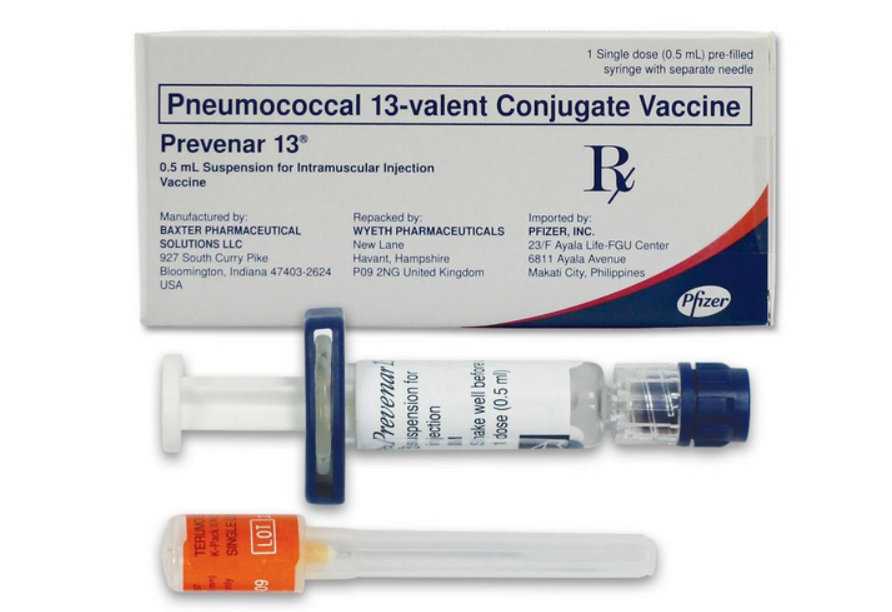
Prevenar
Buy Prevenar Online
Secure Encrypted Payments
Prevenar is a pneumococcal conjugate vaccine used to help protect against disease caused by Streptococcus pneumoniae. It can be bought online through licensed pharmacy channels, with current pricing shown during ordering and the product selection matched to the directions from the administering healthcare professional.
Prevenar is used in immunization planning for people who may benefit from protection against invasive pneumococcal disease, pneumonia, and, in pediatric schedules, certain ear infections caused by covered pneumococcal serotypes. Because vaccine schedules differ by age, health status, and previous pneumococcal vaccination, the clinic giving the dose should confirm which pneumococcal product and timing fit the person receiving it.
Prevenar Price and Product Selection
Prevenar 13 price and Prevenar cost questions usually come down to the product supplied, the quantity needed, and any professional administration requirements at the clinic. The current cash price is displayed during ordering, so you can review the out-of-pocket amount before completing checkout. If more than one pneumococcal vaccine is clinically relevant, confirm the exact brand and schedule before choosing a product.
Choose the Prevenar dose or strength shown during ordering only when it matches the healthcare professional’s directions. Pneumococcal conjugate vaccines are not interchangeable simply because their names look similar. Prevenar, Prevenar 13, Prevnar 13, and newer PCV products may differ in covered serotypes, label wording, and schedule recommendations by country.
U.S. delivery from Canada may be used for this product when the order is completed through the available service pathway. If a clinic will administer the vaccine, ask whether the vaccine should be shipped directly to the administering site or handled according to the clinic’s cold-chain process.
Quick tip: Keep a dated immunization record with the vaccine name, lot number, and administration date.
What Prevenar Is Used For
Prevenar is a pneumococcal conjugate vaccine, often abbreviated as a PCV. It helps the immune system recognize selected serotypes of Streptococcus pneumoniae, a bacterium that can cause serious infections such as meningitis, bloodstream infection, and pneumonia. Conjugate means the vaccine links bacterial sugars to a carrier protein, which helps create stronger immune memory than plain polysaccharide antigen alone.
The vaccine is used for active immunization, which means it trains the body to respond if it later encounters covered pneumococcal types. It does not treat an active infection. If pneumococcal disease is suspected, a healthcare professional may need to assess symptoms, order tests, and consider antibiotics or hospital care depending on severity.
Pneumococcal disease can affect several parts of the body. Invasive disease can enter normally sterile areas such as blood or the lining around the brain. Pneumonia affects the lungs, while some pediatric schedules also address acute otitis media, a type of middle ear infection. Related condition information is available in the pneumococcal infection, pneumonia, and ear infection sections.
Who May Be Offered a Pneumococcal Conjugate Vaccine
Pneumococcal conjugate vaccination is commonly considered for infants and young children, older adults, and people with health conditions that raise the risk of severe pneumococcal illness. Risk can be higher with certain chronic heart, lung, liver, kidney, or immune conditions, as well as with some medicines that suppress immune function. Local public health schedules guide which vaccine is recommended and when.
Adults may see references to Prevenar for adults, Prevenar 13 for adults, PCV13, PCV15, or PCV20. These names matter because recommendations have changed as broader-valency conjugate vaccines became available. In some regions, older PCV13-based adult schedules have been replaced or narrowed, while pediatric schedules and catch-up recommendations may still reference specific PCV products.
People should not receive a pneumococcal conjugate vaccine if they have had a severe allergic reaction, such as anaphylaxis, after a previous dose or to a vaccine component. Vaccination may be delayed during a moderate or severe acute illness, especially when fever is present. Mild illness is handled case by case by the administering professional.
How the Vaccine Is Given
Prevenar is given as an injection, usually into a muscle, by trained healthcare staff. The schedule depends on age, prior pneumococcal vaccines, health conditions, and the specific PCV product chosen. Pediatric schedules may involve a series of doses, while adult recommendations may use a single conjugate vaccine dose or a sequence with another pneumococcal vaccine.
Do not self-adjust vaccine timing based only on brand names or internet schedules. A clinic should reconcile the immunization history before administration, especially if the person previously received PCV13, PPSV23, PCV15, or PCV20. Duplicate doses can happen when records are incomplete, so bringing a written or digital vaccine history is useful.
Other vaccines can sometimes be given at the same visit using different injection sites, depending on guidance and clinical judgment. The administering clinic may separate vaccines in certain circumstances, such as recent illness, a history of reactions, or concerns about interpreting side effects after multiple injections.
Forms, Packaging, and Administration Details
Prevenar is supplied as a sterile suspension for injection. Some product information and search terms refer to Prevenar 13 suspension for injection or a 0.5 mL prefilled syringe, but the exact presentation available during ordering should be matched to the healthcare professional’s instructions and the clinic’s administration process.
Vaccine administration includes more than giving the injection. Trained staff typically check the product name, expiration date, appearance, storage history, dose, route, injection site, and lot number. These steps support safe use and make the vaccine traceable in the medical record if follow-up questions arise.
| Practical point | Why it matters |
|---|---|
| Product name | Prevents confusion between PCV13, PCV15, PCV20, and other pneumococcal vaccines |
| Vaccine history | Helps avoid duplicate doses or incorrect sequencing |
| Lot and date record | Supports documentation and follow-up if a reaction occurs |
| Cold-chain handling | Protects vaccine integrity before administration |
Storage, Cold Chain, and Travel Handling
Prevenar is a cold-chain vaccine. Pneumococcal conjugate vaccines are generally stored under refrigeration and protected from freezing. Freezing can damage vaccine components and may reduce effectiveness, even if the product later appears normal.
Clinics and pharmacies usually maintain monitored refrigeration, document temperatures, and follow manufacturer handling instructions. If a clinic asks you to bring the vaccine to an appointment, clarify the transport plan before the order is placed. Many clinics prefer to control storage directly to reduce the chance of temperature excursions.
Prompt, express shipping may be selected when available, but shipping speed does not replace proper refrigerated handling at the receiving end. Plan the appointment and delivery location so the vaccine is not left unrefrigerated or carried around without clear instructions.
Why it matters: Temperature mistakes can affect vaccine quality before anyone notices a visible change.
Side Effects, Warnings, and Precautions
Prevenar can cause side effects similar to many vaccines. Common reactions include pain, redness, swelling, or tenderness at the injection site. Some people may also experience tiredness, headache, muscle aches, chills, irritability in children, decreased appetite, or low-grade fever. These effects are usually short term.
Serious allergic reactions are uncommon but require urgent care. Seek emergency help for trouble breathing, swelling of the face or throat, widespread hives, dizziness, collapse, or other symptoms that suggest anaphylaxis. Clinics that administer vaccines are expected to have processes for recognizing and treating severe immediate reactions.
People with bleeding disorders or those taking anticoagulants may need extra care with intramuscular injections. The clinic may apply firm pressure after the dose or use specific injection-site precautions. Immunosuppressive medicines, such as high-dose systemic corticosteroids or some cancer therapies, may reduce the immune response, so timing can matter.
Vaccination decisions should account for current illness, allergy history, prior vaccine reactions, pregnancy or immune status when relevant, and the person’s pneumococcal vaccine record. For broader infectious disease reading, the infectious disease product category and infectious disease articles group related prevention and treatment topics.
How Prevenar Compares With Other Pneumococcal Vaccines
Prevenar belongs to the pneumococcal conjugate vaccine family. PCV products are designed to protect against selected pneumococcal serotypes and support immune memory. A polysaccharide vaccine, often called PPSV23, works differently and covers a broader set of serotypes, but it is not used the same way in every age group.
Prevenar 13 and Prevnar 13 are closely related naming conventions used in different markets. Prevenar 20 or Prevnar 20 refers to a newer 20-valent pneumococcal conjugate vaccine. The number generally reflects how many pneumococcal serotypes are included, but a higher number alone does not tell you which vaccine fits a specific schedule.
Some people ask why Prevnar 13 is no longer broadly recommended for certain adults. In many guidelines, the answer is not that it stopped being a vaccine; rather, newer PCV options changed preferred adult schedules. Recommendations still depend on age, health risks, prior vaccination, and local guidance.
Pneumococcal vaccines are also different from vaccines for unrelated infections. A pneumonia vaccine helps reduce risk from pneumococcal bacteria; it does not prevent every cause of pneumonia, such as influenza, COVID-19, RSV, or other bacteria. If you are browsing products by source or supply context, the Canada country-of-origin section may help organize available items.
Questions to Confirm Before Administration
Before buying Prevenar, confirm the exact vaccine name and timing with the clinic that will administer it. Ask whether the person needs PCV13, PCV20, another pneumococcal conjugate vaccine, or a sequence that includes a polysaccharide vaccine. This is especially important for adults who received a prior pneumococcal vaccine years ago.
Bring a list of current medicines and previous vaccines to the appointment. Include immune-suppressing treatments, anticoagulants, past allergic reactions, and recent illnesses. These details help the administering professional decide whether to proceed, delay, or take extra precautions.
After the injection, follow the clinic’s instructions for observing immediate reactions and managing expected local symptoms. Contact a healthcare professional if fever is high, symptoms worsen, swelling is extensive, or a reaction lasts longer than expected. Emergency symptoms should be treated as urgent.
Authoritative Sources
Official labeling and public health guidance should be used for exact indications, contraindications, schedule details, and co-administration recommendations. These sources may be updated as vaccine products and immunization schedules change.
- Pfizer Prevenar 13 prescribing information
- CDC pneumococcal conjugate vaccine information statement
- European Medicines Agency Prevenar 13 medicine information
This content is for informational purposes only and is not a substitute for professional medical advice.
Express Shipping - from $29.99
Shipping with this method takes 3-5 days
Prices:
- Dry-Packed Products $29.99
- Cold-Packed Products $39.99
Shipping Countries:
- United States (all contiguous states**)
- Worldwide (excludes some countries***)
Standard Shipping - $19.99
Shipping with this method takes 5-10 days
Prices:
- Dry-Packed Products $19.99
- Not available for Cold-Packed products
Shipping Countries:
- United States (all contiguous states**)
- Worldwide (excludes some countries***)
What is the Prevenar vaccine used for?
Prevenar is used to help protect against disease caused by Streptococcus pneumoniae. Depending on age and schedule, it may help reduce the risk of invasive pneumococcal disease, pneumonia, and certain pneumococcal ear infections in children.
Is Prevenar the same as the pneumonia vaccine?
Prevenar is one type of pneumonia-related vaccine because it targets pneumococcal bacteria, a major cause of bacterial pneumonia. It does not protect against every cause of pneumonia, including viral infections or all bacterial strains.
Is Prevnar 13 a lifetime vaccine?
Protection and schedule needs depend on age, immune status, previous pneumococcal vaccines, and current public health guidance. Some people need a series or a different pneumococcal vaccine later, so the administering clinic should review the vaccine record.
Why is Prevnar 13 no longer recommended for some adults?
In some guidelines, newer pneumococcal conjugate vaccines with broader serotype coverage have changed preferred adult schedules. That does not mean Prevnar 13 or Prevenar 13 stopped being a vaccine; it means the best choice depends on current guidance and prior vaccination.
What side effects can Prevenar cause?
Common side effects include injection-site pain, redness, swelling, tiredness, headache, muscle aches, irritability in children, and low-grade fever. Severe allergic reactions are uncommon but require urgent medical care.
How should Prevenar be stored before use?
Prevenar is a cold-chain vaccine that should be refrigerated and protected from freezing according to the manufacturer’s instructions. The administering clinic should confirm how the vaccine will be stored and transported before the appointment.
Rewards Program
Earn points on birthdays, product orders, reviews, friend referrals, and more! Enjoy your medication at unparalleled discounts while reaping rewards for every step you take with us.
You can read more about rewards here.
POINT VALUE
How to earn points
- 1Create an account and start earning.
- 2Earn points every time you shop or perform certain actions.
- 3Redeem points for exclusive discounts.
You Might Also Like
Select options
This product has multiple variants. The options may be chosen on the product page
Select options
This product has multiple variants. The options may be chosen on the product page
Select options
This product has multiple variants. The options may be chosen on the product page
Select options
This product has multiple variants. The options may be chosen on the product page