
Please note: a valid prescription is required for all prescription medication.
Qulipta
Buy Qulipta Online
Secure Encrypted Payments
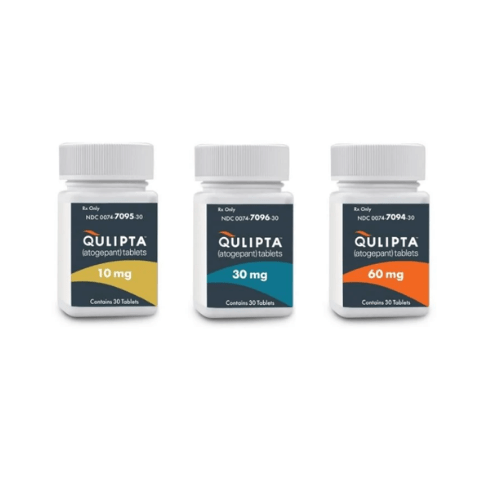
Qulipta is an oral tablet used for the preventive treatment of migraine in adults. It contains atogepant, a calcitonin gene-related peptide receptor antagonist, and is taken once daily according to clinician directions. When you buy Qulipta online, choose the strength shown during ordering that matches your treatment plan and review the current price before proceeding.
Qulipta tablets are intended to reduce migraine frequency over time, not to stop a migraine attack that has already started. People often consider this medicine when they want a daily preventive option and prefer tablets over injectable migraine preventives. BorderFreeHealth offers US delivery from Canada for customers using licensed pharmacy channels.
Qulipta Price, Strengths, and Ordering Details
Qulipta price can vary by tablet strength, quantity, and supply source. During ordering, match the strength and quantity to your clinician’s directions rather than choosing based on cost alone. The total out-of-pocket amount may also differ for people paying cash, comparing Qulipta without insurance, or planning a multi-month fill.
Commonly published tablet strengths include Qulipta 10 mg, Qulipta 30 mg, and Qulipta 60 mg. The current product selection may show the strength available for purchase, including Qulipta 60 mg tablets when stocked for ordering. If your directions mention atogepant 30 mg or atogepant 60 mg, confirm that the brand name, active ingredient, and tablet strength align before checkout.
Quick tip: Keep the medication name, strength, and daily schedule together when reviewing your order details.
Cash-pay customers may compare Qulipta cost with nearby preventive options, but the lowest total is not always the best clinical fit. Your migraine pattern, other medicines, liver and kidney health, and tolerability history can affect which dose or alternative is appropriate. For broader condition information, see our Migraine section.
What Qulipta Treats
Qulipta is indicated for the preventive treatment of migraine in adults. Preventive therapy aims to reduce the number of migraine days, lessen the overall burden of attacks, and support a more consistent treatment routine. It is not an acute pain reliever and should not replace a separate rescue plan for breakthrough migraine attacks.
Adults with episodic or chronic migraine may be considered for atogepant depending on their history and treatment goals. A clinician may look at migraine frequency, attack severity, acute medicine use, previous preventive treatments, and other medical conditions before recommending it. People who have struggled with injectable therapies may value the once-daily oral format.
Migraine is a neurological condition, not simply a bad headache. Symptoms may include one-sided head pain, nausea, light sensitivity, sound sensitivity, visual changes, and reduced ability to function. You can browse additional therapies in Neurology if your care plan includes more than one migraine-related medicine.
How Atogepant Works
Qulipta contains atogepant, a CGRP receptor antagonist. CGRP, or calcitonin gene-related peptide, is involved in migraine pathways and can contribute to pain signaling and blood vessel changes during attacks. By blocking the CGRP receptor, atogepant helps interfere with a pathway associated with migraine activity.
This mechanism is different from many older migraine preventives, such as some blood pressure medicines, antidepressants, or anti-seizure medicines used off-label or for migraine prevention. It is also different from triptans, which are typically used after an attack starts. Qulipta belongs in a preventive plan, while acute medicines are used for attacks that occur despite prevention.
The medicine does not usually work like an immediate painkiller. Some people may notice improvement after consistent daily use, while others need more time to judge benefit. A headache diary can make progress easier to evaluate because it records migraine days, triggers, acute medicine use, and side effects in one place.
Dosing and Daily Use
Qulipta dosing is once daily, with or without food, at about the same time each day. The specific Qulipta dosage depends on the clinical situation, migraine pattern, other medicines, and organ function considerations. Follow the schedule provided by your healthcare professional and the official product label.
Swallow tablets whole with water unless your care team gives different instructions. A steady routine, such as taking the tablet after breakfast or before bed, can help prevent missed doses. Do not take extra tablets to speed up results or make up for an earlier missed dose unless you have been specifically instructed to do so.
If you miss a dose, take it later the same day when you remember. If it is close to the next scheduled dose, skip the missed tablet and resume the regular schedule. Doubling doses can increase side effect risk without improving migraine prevention.
When to Expect Results
Qulipta does not treat an active migraine immediately. It is designed for ongoing prevention, so the most useful measure is change over time. Track the number of migraine days per month, how long attacks last, whether acute medicines are needed less often, and how side effects affect daily life.
Clinicians often reassess preventive migraine treatment after a period of consistent use. If benefit is unclear, your diary can show whether migraine days, severity, or rescue medicine use changed. It can also help identify patterns related to sleep, dehydration, alcohol, stress, hormones, or missed tablets.
Questions about weight can come up with this medicine. Qulipta is not a weight-loss treatment. Decreased appetite can occur in some people, and any unintended weight change should be discussed with a healthcare professional, especially if it is persistent or accompanied by nausea, fatigue, or other symptoms.
Side Effects, Warnings, and Monitoring
Common side effects reported with Qulipta include nausea, constipation, fatigue or sleepiness, and decreased appetite. These effects are often manageable, but they should be taken seriously if they are severe, persistent, or disruptive. Hydration, routine meals, and a regular bowel pattern can help you notice changes early.
- Nausea: report ongoing nausea, vomiting, or reduced food intake.
- Constipation: seek advice if constipation becomes severe or painful.
- Fatigue or sleepiness: use caution with driving until you know your response.
- Lower appetite: monitor unintended weight change or poor nutrition.
Serious allergic reactions are uncommon but require urgent attention. Warning signs may include swelling of the face or throat, trouble breathing, hives, or a widespread rash. Contact a healthcare professional promptly for severe abdominal pain, yellowing of the skin or eyes, dark urine, or other symptoms that may suggest liver-related problems.
People with severe liver disease may need another preventive option. Kidney function can also matter for some dosing decisions, especially when other medicines are involved. Share your full medication list, including supplements and herbal products, because some substances can affect how atogepant is processed in the body.
Interactions and Cautions
Atogepant is affected by certain drug-metabolizing enzymes and transport pathways. Strong CYP3A4 inhibitors or inducers, and some transporter inhibitors, may require a different dosing approach or another migraine preventive. Examples can include some antifungals, antibiotics, seizure medicines, HIV medicines, and herbal products such as St. John’s wort, depending on the exact regimen.
Do not combine multiple CGRP-targeted preventive therapies unless your care team specifically directs it. The safety and value of overlapping medicines depend on the individual situation. If you use acute migraine medicines, keep them listed separately so your clinician can evaluate total use and the possibility of medication-overuse headache.
Pregnancy, plans for pregnancy, and breastfeeding should be discussed before starting or continuing Qulipta. The decision may depend on migraine severity, available alternatives, and the known or unknown risks of treatment during that period. Never stop or start a preventive medicine during pregnancy planning without individualized medical guidance.
Storage, Travel, and Refills
Store Qulipta tablets at room temperature in the original container, away from excess heat, moisture, and direct light. Keep the bottle out of reach of children and pets. Do not store tablets in a car, bathroom, or other place where temperature and humidity can fluctuate.
When traveling, carry the labeled bottle in hand luggage so doses are not lost with checked bags. If you cross time zones, aim for a consistent once-daily interval rather than taking doses too close together. Bring enough medication for the trip and plan refills early to avoid gaps in preventive therapy.
Orders may be handled with prompt, express shipping when appropriate for the selected product and route. Country-of-origin information can matter to customers comparing Canadian supply channels; see Canada for relevant browsing context.
How It Compares With Other Migraine Options
Qulipta is a preventive medication. It is different from acute migraine treatments that are taken when symptoms begin. Some people use both types: a daily preventive to reduce attack frequency and a separate rescue medicine for breakthrough attacks.
Other preventive options may include beta blockers, certain antidepressants, anti-seizure medicines, onabotulinumtoxinA for selected chronic migraine cases, and other CGRP-targeted therapies. The best choice depends on medical history, side effect tolerance, coexisting conditions, pregnancy considerations, and whether you prefer tablets or injections.
Qulipta is not the same as Nurtec ODT. Both involve the CGRP pathway, but they are different medicines with different labeled uses, dosing patterns, and formulations. If you are switching from another CGRP medicine or adding an acute therapy, ask your clinician how the products fit together.
Good Questions Before Starting
Bring practical questions to your next appointment so the treatment plan is clear before you place an order. A short list can help you confirm the dose, timing, safety concerns, and how success will be measured. It also helps prevent confusion between preventive and acute migraine medicines.
- Is this medicine intended for episodic migraine, chronic migraine, or both in my case?
- Which tablet strength should I take, and when should I take it?
- Do any of my current medicines create an interaction concern?
- How long should I track migraine days before judging benefit?
- What side effects should prompt a call or urgent care?
- What should I use for breakthrough migraine attacks?
- Are there reasons my liver or kidney health changes the plan?
For general education on nervous-system medicines and migraine-related care, our Neurology articles may help you prepare for a more focused conversation. Use educational content to organize questions, not to replace individualized care.
Authoritative Sources
Official prescribing information
This content is for informational purposes only and is not a substitute for professional medical advice.
Express Shipping - from $29.99
Shipping with this method takes 3-5 days
Prices:
- Dry-Packed Products $29.99
- Cold-Packed Products $39.99
Shipping Countries:
- United States (all contiguous states**)
- Worldwide (excludes some countries***)
Standard Shipping - $19.99
Shipping with this method takes 5-10 days
Prices:
- Dry-Packed Products $19.99
- Not available for Cold-Packed products
Shipping Countries:
- United States (all contiguous states**)
- Worldwide (excludes some countries***)
What is Qulipta used for?
Qulipta is used for the preventive treatment of migraine in adults. It is taken daily to help reduce migraine burden over time and is not meant to treat an active migraine attack.
Does Qulipta work immediately?
Qulipta is not an immediate pain reliever. Some people may notice fewer migraine days after consistent use, while others need more time. Tracking migraine days and acute medicine use can help measure response.
What are the major side effects of Qulipta?
Common side effects include nausea, constipation, fatigue or sleepiness, and decreased appetite. Seek urgent help for signs of a serious allergic reaction, such as swelling, trouble breathing, or widespread hives.
Do you lose weight with Qulipta?
Qulipta is not a weight-loss medicine. Decreased appetite can occur, and unintended weight change should be discussed with a healthcare professional, especially if it persists or affects nutrition.
Is Qulipta the same as Nurtec?
No. Qulipta and Nurtec ODT are different medicines, although both involve the CGRP migraine pathway. They have different dosing patterns, formulations, and labeled uses, so a clinician should guide any switch or combination plan.
Rewards Program
Earn points on birthdays, product orders, reviews, friend referrals, and more! Enjoy your medication at unparalleled discounts while reaping rewards for every step you take with us.
You can read more about rewards here.
POINT VALUE
How to earn points
- 1Create an account and start earning.
- 2Earn points every time you shop or perform certain actions.
- 3Redeem points for exclusive discounts.
You Might Also Like
Select options
This product has multiple variants. The options may be chosen on the product page
Select options
This product has multiple variants. The options may be chosen on the product page
Select options
This product has multiple variants. The options may be chosen on the product page
Select options
This product has multiple variants. The options may be chosen on the product page