

Please note: a valid prescription is required for all prescription medication.
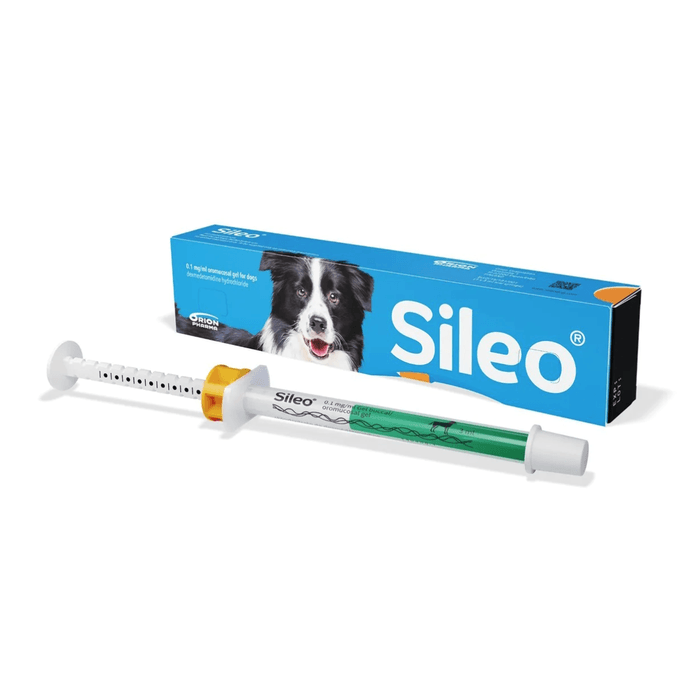
Sileo Gel
Sileo Gel for Dogs: Buy With Prescription Guidance
Price:
$52.99
Secure Encrypted Payments
Sileo Gel is a prescription veterinary medicine used to help manage fear and anxiety associated with loud noises in dogs. This page summarizes how the treatment works, practical handling basics, and key safety points so a veterinarian’s directions are easier to follow. It also explains access steps for cash-pay households, including those without insurance, and notes US shipping from Canada.
Because noise fear can look different from dog to dog, the most useful information is often the “how to use it safely” details: what the gel is designed to do, when it is typically given, what effects can be expected, and when to contact a clinic.
What Sileo Gel Is and How It Works
Ships from Canada to US for fulfillment through our partner network, with prescription requirements still applying. The active ingredient is dexmedetomidine, an alpha-2 adrenergic agonist that can reduce norepinephrine signaling in the brain, supporting a calmer response to triggering sounds. It is an oromucosal gel, meaning it is placed in the mouth and absorbed through the oral lining (mucosa), rather than relying only on swallowing and digestion.
Medications are supplied through licensed Canadian partner pharmacies.
This medicine is not meant to “erase” noise triggers. Instead, it may take the edge off panic so a dog can settle, recover more quickly, and better tolerate noise-management strategies. Some dogs may seem sleepier, while others look mostly normal but less reactive. A predictable routine—quiet room, white noise, closed curtains, familiar bedding—often helps the overall plan work better.
For other prescription options and formats across conditions, the Pet Medications hub can be browsed by category.
Who It’s For
Veterinarians commonly prescribe Sileo Gel for dogs that show acute fear behaviors during predictable noise events. Examples include thunderstorms, fireworks, construction sounds, or sudden bangs that reliably trigger shaking, panting, pacing, hiding, vocalizing, or attempts to escape. It is intended for situational noise aversion, not long-term daily anxiety management unless a prescriber specifically directs that approach.
Not every dog is a candidate. A clinician may avoid this treatment in dogs with certain heart rhythm concerns, significant cardiovascular disease, or serious systemic illness, because alpha-2 agonists can affect heart rate and blood pressure. Extra caution may be needed for very young, senior, debilitated, pregnant, or breeding animals, and for dogs with a history of fainting or collapse. A complete medication list matters, including supplements.
Why it matters: Matching the right tool to the right trigger can reduce risk and frustration.
For broader context on anxious behaviors and common triggers, the Anxiety and Noise Aversion collections group related topics and therapies.
Dosage and Usage
Dosing is individualized and based on the dog’s body weight and response, using the dose markings on the provided syringe. The gel is placed against the cheek and gumline so it can be absorbed through the mouth lining. A veterinarian may recommend giving a dose at the first signs of distress, or ahead of a predictable event, depending on a dog’s pattern and the household’s ability to anticipate triggers.
Re-dosing rules are part of safe use. The product labeling sets a minimum time between doses and a maximum total amount within a defined period. If the first dose does not seem to help, repeating too soon can increase side effects without improving control. If repeated doses are often needed, that pattern is worth discussing with a clinic, since some dogs benefit from a broader behavior plan or different medication strategy.
Quick tip: Keep a simple log of event time, dose time, and observed effects.
Households managing multiple pet prescriptions may also appreciate medication-handling guides such as Cerenia For Dogs Guide, which covers common administration pitfalls and monitoring themes that apply across many veterinary drugs.
Strengths and Forms
This product is supplied as a ready-to-use oromucosal gel in a dosing syringe with calibrated markings. The syringe format helps measure small, weight-based amounts and supports repeatability from one event to the next. Availability of pack size and presentation can vary, and a pharmacist will dispense what matches the prescription directions.
Because it is a gel designed for absorption through the mouth lining, handling is different from a chewable tablet. The label directions generally focus on correct placement in the cheek pouch, minimizing immediate swallowing, and avoiding accidental exposure to humans. Keeping the cap on between doses and storing the syringe in its carton can help prevent drying or contamination.
For households that manage several pet therapies at once, it may help to keep each medicine in its original packaging and avoid transferring syringes or applicators between products.
Storage and Travel Basics
Store the syringe as directed on the pharmacy label, typically at controlled room temperature and protected from temperature extremes. Avoid leaving it in a car, near heaters, or in direct sun, since heat can degrade many medications. Keep the cap secured and place the carton out of reach of children and animals.
For travel planning, it helps to carry a copy of the prescription label and keep the product in its original carton. If a dog is likely to face predictable noise exposure—holiday fireworks, storms in a new region, or hotel hallway sounds—planning with a veterinarian ahead of time is safer than making last-minute changes. For general pet medication travel considerations, resources like Capstar Flea Treatment can be a useful reminder about storage, timing, and avoiding mix-ups in busy routines.
Side Effects and Safety
Like many calming medications, Sileo Gel can cause drowsiness or a quieter demeanor, and some dogs may appear less coordinated. Gastrointestinal upset such as drooling or vomiting can occur, especially if a portion is swallowed. Because dexmedetomidine can influence cardiovascular function, changes such as slowed heart rate, pale gums, weakness, or unusual lethargy can be more concerning.
Prescriptions are confirmed with the original veterinary clinic before dispensing.
Contact a veterinary clinic promptly if a dog seems difficult to wake, collapses, has breathing trouble, shows persistent vomiting, or has gum color changes that do not quickly resolve. Clinics may also want to know if a dog’s noise fear is escalating despite treatment, since severe panic can create injury risk. If this medicine is used alongside other sedating drugs, the combined effect can be stronger than expected.
For examples of how monitoring is discussed with other veterinary prescriptions, see Doxycycline For Dogs And Cats and Cephalexin For Dogs And Cats, which outline common “when to call the clinic” patterns.
Drug Interactions and Cautions
Sileo Gel may interact with other medicines that affect the central nervous system or cardiovascular system. Sedatives, opioids, some anesthetics, and certain anxiety medicines can increase sleepiness and slow breathing. Drugs that influence blood pressure or heart rhythm may also require careful review before this gel is used.
Important cautions are often practical. If a dog is already ill, dehydrated, or recovering from surgery, a prescriber may choose a different approach or delay use. If a household uses multiple veterinary medicines, the timing of each product matters, and a clinic should know about all prescriptions, over-the-counter products, and supplements. Even “natural calming” supplements can contribute to sedation when combined.
As a general reminder on medication-history sharing, articles like Clavamox For Cats And Dogs and Baytril For Dogs And Cats highlight why complete lists help clinicians prevent avoidable interactions.
Compare With Alternatives
Noise aversion is often managed with a layered plan, and medication is only one tool. Some dogs do well with behavior modification (desensitization and counterconditioning), environmental changes (quiet interior room, sound masking), and predictable routines. Others need a different prescription approach, such as situational anxiolytics, longer-acting daily therapies, or combination strategies selected by a veterinarian.
When comparing options, it can help to focus on practical differences: onset expectations, duration of effect, degree of sleepiness, and how reliably the trigger can be predicted. Some alternatives are oral tablets or capsules; others are gels or transmucosal products. A clinician will weigh medical history and concurrent medications to reduce risk.
Separate from anxiety care, some households manage multiple pet prescriptions in different forms. Examples of non-anxiety products with distinct administration styles include Revolution For Dog (topical) and Interceptor Plus (oral), which can help illustrate why clear labeling and scheduling matter across a pet’s overall medication routine.
Pricing and Access
Costs for Sileo Gel can vary based on prescription details and pharmacy dispensing factors, and this platform supports cash-pay access for qualifying prescriptions. A valid prescription from a licensed veterinary prescriber is required, and orders are routed through Canadian dispensing partners under applicable regulations. If assistance programs or seasonal offers are available, they may be listed on Current Promotions.
Cash-pay access can help when patients are without insurance.
To help prevent delays, it is useful to have the prescribing clinic’s contact details on hand when placing the request. Pharmacies may need to confirm directions, clarify refills, or verify patient information before dispensing. If the planned use is for predictable seasonal events, requesting refills early can reduce last-minute stress when pharmacies need time for verification steps.
Authoritative Sources
For the most reliable prescribing and safety information, the official label and regulator listings are the best references. These sources describe indications, dosing instructions, contraindications, and key warnings in the language used for clinical decision-making.
A neutral place to confirm approval status and labeling references is the FDA’s database: Animal Drugs @FDA listings and labels.
For site actions, add the item to cart and complete checkout for prompt, express shipping.
This content is for informational purposes only and is not a substitute for professional medical advice.
Express Shipping - from $25.00
Shipping with this method takes 3-5 days
Prices:
- Dry-Packed Products $25.00
- Cold-Packed Products $35.00
Shipping Countries:
- United States (all contiguous states**)
- Worldwide (excludes some countries***)
Standard Shipping - $15.00
Shipping with this method takes 5-10 days
Prices:
- Dry-Packed Products $15.00
- Not available for Cold-Packed products
Shipping Countries:
- United States (all contiguous states**)
- Worldwide (excludes some countries***)
What is Sileo Gel used for in dogs?
Sileo Gel is a prescription veterinary medicine used to help manage fear and anxiety associated with noise aversion in dogs. It is generally intended for situational events such as thunderstorms or fireworks, where a dog shows distress behaviors like shaking, pacing, hiding, or vocalizing. A veterinarian decides whether it fits a dog’s history and whether it should be used alone or as part of a broader plan that can include behavior modification and environmental changes. It is not automatically the right choice for every type of anxiety.
How is dexmedetomidine oromucosal gel different from a pill?
Dexmedetomidine oromucosal gel is designed to be absorbed through the lining of the mouth (oromucosal absorption). That is different from a pill, which is swallowed and absorbed through the gastrointestinal tract. This difference affects how the medicine is administered and why placement in the cheek and gum area matters. It also means that eating, drooling, or swallowing right away can change how consistently the dose is absorbed. A pharmacist or veterinarian can clarify the exact technique described on the label.
How do I use the dosing syringe correctly?
The dosing syringe is calibrated so the prescribed amount can be measured using the markings. The usual label instructions emphasize placing the gel between the cheek and gumline rather than aiming for the back of the throat. Before giving a dose, it helps to confirm the marking that matches the prescription directions and to check the syringe tip and cap for cleanliness. If the syringe sticks, the gel looks unusual, or the markings are hard to read, a pharmacist should be contacted before continuing.
What side effects should be monitored after giving Sileo Gel?
Common effects can include drowsiness, a calmer or quieter demeanor, and sometimes drooling or stomach upset. More serious concerns relate to excessive sedation or cardiovascular effects, such as weakness, collapse, pale gums, or unusual breathing changes. Monitoring should include the dog’s alertness, ability to stand and walk normally, gum color, and breathing pattern. If a dog is difficult to wake, seems to faint, or has persistent vomiting, veterinary care is important. Clinics also want to know about any other sedating medicines being used.
Can Sileo be used with other medications or supplements?
It depends on the other products involved and the dog’s health history. Medicines that cause sedation (including some pain medicines, anxiety drugs, and anesthetic agents) can have additive effects when used together. Some heart or blood-pressure medications may also require extra caution because dexmedetomidine can influence cardiovascular function. Supplements marketed for calming can contribute to sleepiness as well. A veterinarian should review a complete list of prescriptions, over-the-counter products, and supplements before combining therapies, especially for dogs with heart or systemic conditions.
What should I ask my veterinarian before using Sileo for noise fear?
Helpful questions include: whether the dog’s signs fit noise aversion versus another condition, what the exact dosing instructions are for body weight, and what the maximum re-dosing limits are on the label. It is also reasonable to ask what side effects are expected versus urgent, and what to do if the first dose is not effective. If the dog has any heart disease, fainting episodes, breathing problems, or other chronic illness, those should be discussed. Asking how medication fits with training and environmental management can improve overall results.
Rewards Program
Earn points on birthdays, product orders, reviews, friend referrals, and more! Enjoy your medication at unparalleled discounts while reaping rewards for every step you take with us.
You can read more about rewards here.
POINT VALUE
How to earn points
- 1Create an account and start earning.
- 2Earn points every time you shop or perform certain actions.
- 3Redeem points for exclusive discounts.
How to book an appointment
- 1Create Begin by completing a profile or log into your existing account. This step ensures we have the necessary information to provide you with a service that's tailored to your needs. account and start earning.
- 2Scheduling an appointment with our online booking system is easy. Pick a day and time that suits you. You’ll receive an immediate confirmation, without the wait.
- 3Discuss your concerns and symptoms and receive a thorough diagnosis from one of our licensed doctors during a confidential video appointment.
- 4If you've been prescribed medication, your Rx is sent directly to one of our licensed pharmacies and delivered right to your door.
Get Started
To book an online doctor appointment, register for an account or login. After doing so, you can book your visit on this page.
You Might Also Like
Select options
This product has multiple variants. The options may be chosen on the product page
Select options
This product has multiple variants. The options may be chosen on the product page
Select options
This product has multiple variants. The options may be chosen on the product page
Select options
This product has multiple variants. The options may be chosen on the product page