
Please note: a valid prescription is required for all prescription medication.
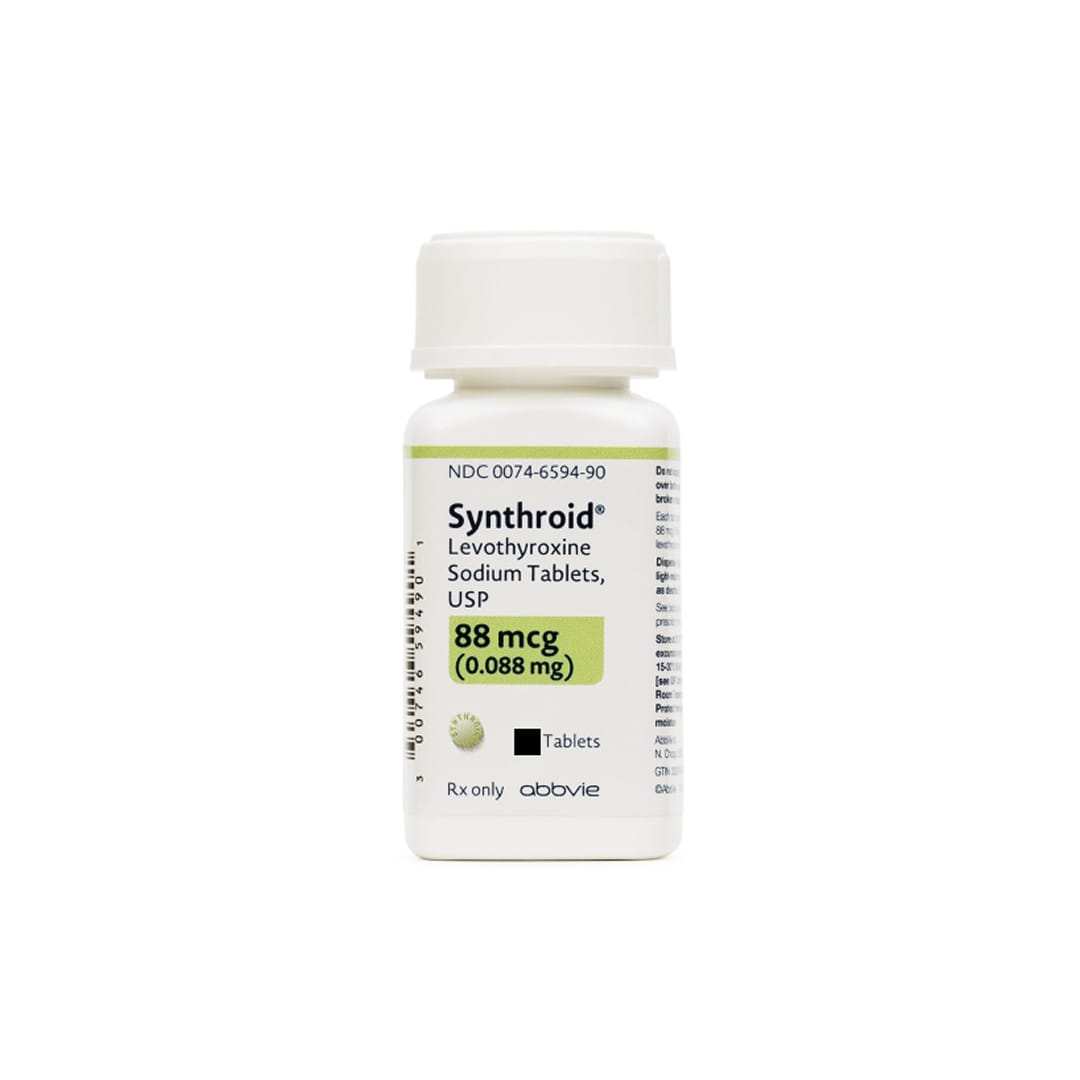
Synthroid
Buy Synthroid Online
Secure Encrypted Payments
Synthroid is a brand-name levothyroxine sodium medicine used as thyroid hormone replacement for people with low thyroid hormone. You can buy Synthroid online, view the current price, and choose the tablet strength that matches your clinician’s directions and established thyroid treatment plan.
Because thyroid replacement is sensitive to small changes, the exact microgram strength and routine matter. Many people stay with the same brand or manufacturer once thyroid bloodwork is stable, especially when symptoms, pregnancy planning, childhood treatment, or thyroid cancer follow-up require close monitoring.
Synthroid Price and Strength Selection
Synthroid price can vary by strength, quantity, and whether the order is for the brand-name medicine rather than a generic levothyroxine tablet. During ordering, match the dose strength shown to the directions you were given, not just the tablet color or a previous bottle appearance. A one-step difference in micrograms can be meaningful for thyroid levels.
The Synthroid cost without insurance may be an important planning point for people paying cash. BorderFreeHealth offers U.S.-from-Canada service context for eligible medication purchases, and products are supplied through licensed pharmacies. If the dose has changed recently, make sure the strength you choose reflects the current plan before continuing treatment.
Quick tip: Keep a photo or written record of your current label, strength, and daily schedule so refills match your routine.
How to Order Synthroid and What to Confirm First
Order Synthroid only when the strength, directions, and timing are clear. Thyroid hormone replacement is usually monitored with blood tests, so changes in brand, manufacturer, dose, or daily habits can make results harder to interpret. If your last refill looked different, ask about the active ingredient and strength before taking the next tablet.
Many customers compare Synthroid tablets by exact microgram amount, daily schedule, and continuity with prior therapy. If the instructions involve alternating strengths on different days, follow the written schedule carefully. Tablet color can help identify a strength, but it should never replace the label and dose instructions.
People managing thyroid conditions can also browse the Endocrine Thyroid category for related endocrine and thyroid medicines. Category browsing can help when a clinician has discussed another thyroid product or when you need to understand how brand and generic options differ.
What Synthroid Is Used to Treat
Synthroid medication is used to replace thyroid hormone in hypothyroidism, a condition where the thyroid does not make enough hormone. Thyroid hormone helps regulate energy use, temperature, heart rate, digestion, and many other body functions. When levels are low, people may experience fatigue, constipation, dry skin, cold sensitivity, hair changes, slower thinking, or weight changes.
This medicine may be used in adults and children with confirmed low thyroid hormone, including many people diagnosed with Hypothyroidism. In specialist care, levothyroxine may also be used to help manage thyroid-stimulating hormone after certain types of Thyroid Cancer. People being evaluated for thyroid enlargement may also read about Goiter, but an enlarged thyroid can have several causes and needs individualized assessment.
Synthroid is not a weight-loss medicine. Weight may change as low thyroid levels are corrected, but taking extra thyroid hormone can cause dangerous overreplacement. Too much thyroid hormone may strain the heart, worsen anxiety or insomnia, and contribute to bone loss over time.
Synthroid Generic Name and Brand Differences
The generic drug name for Synthroid is levothyroxine sodium. Synthroid is the brand-name tablet, while generic levothyroxine tablets contain the same active hormone but may differ in inactive ingredients, appearance, and manufacturer. Some people do well on generic therapy, while others need tighter product consistency because their thyroid levels shift after changes.
Brand versus generic choice is usually practical rather than cosmetic. If thyroid bloodwork has been stable on Synthroid, a clinician may prefer staying with the same product. If switching from Synthroid to generic levothyroxine, or between generic manufacturers, follow-up lab testing is often used to confirm the new routine is working as intended.
Country-specific naming and substitution rules can differ. The important buying decision is to match the active ingredient, microgram strength, and brand instructions that apply to your treatment plan. If your instructions specify the brand name, choose Synthroid rather than assuming any levothyroxine tablet is interchangeable for your situation.
Common Tablet Strengths and Daily Use Basics
Synthroid tablets are available in several color-coded microgram strengths, which helps clinicians make fine dose adjustments. Common searched strengths include Synthroid 25 mcg, 50 mcg, 75 mcg, 88 mcg, 100 mcg, 112 mcg, 125 mcg, 137 mcg, 150 mcg, and 200 mcg. The right strength is individualized and should match the directions you have been given.
| Strength range | Examples | Practical buying note |
|---|---|---|
| Lower range | 25 mcg, 50 mcg, 75 mcg | Often used for cautious starts or smaller dose adjustments. |
| Middle range | 88 mcg, 100 mcg, 112 mcg, 125 mcg, 137 mcg | Common maintenance strengths for many adults. |
| Higher range | 150 mcg, 175 mcg, 200 mcg | Used when larger replacement amounts are needed. |
| Specialty high strength | 300 mcg | Reserved for select situations with close clinical monitoring. |
The usual routine is once daily at the same time, taken with water on an empty stomach. Many people take it 30 to 60 minutes before breakfast. Some clinicians approve bedtime dosing, but that routine needs to stay consistent and separated from food, supplements, and interacting medicines.
Why it matters: Food, coffee, minerals, and timing changes can alter absorption and shift thyroid lab results.
- Take it the same way each day.
- Use water rather than coffee or juice.
- Keep calcium and iron well separated.
- Do not rely on tablet color alone.
- Ask what to do if a dose is missed.
Can Synthroid Be Taken at Night?
Synthroid can be taken at night for some people when a clinician agrees and the timing is consistent. Bedtime use may work best when the tablet is taken several hours after the last meal, supplement, or interacting medicine. The goal is the same as morning dosing: predictable absorption from day to day.
Night dosing is not automatically better than morning dosing. It can become less reliable if dinner times vary, late snacks are common, or evening supplements contain calcium, iron, magnesium, or other minerals. If changing from morning to bedtime, bloodwork may be needed later to confirm the dose still fits.
Consistency matters more than the clock itself. A routine that works with your meals, work schedule, and other medicines is easier to maintain. If symptoms change after altering timing, record when you take the tablet and discuss whether lab testing should be repeated.
Storage, Travel, and Delivery Planning
Store Synthroid tablets at room temperature in a dry place, protected from excess heat, moisture, and light. Bathrooms, cars, and humid kitchen spaces are poor long-term storage areas. Keeping tablets in the original labeled container reduces mix-ups and preserves strength, lot, and identification details.
For travel, carry enough medicine for the full trip and keep a current medication list with the strength and schedule. If your routine involves more than one tablet strength during the week, pack them separately and label the schedule clearly. Running out can disrupt thyroid replacement and make symptoms harder to interpret.
Where available, orders may be sent with prompt, express shipping. Plan refills before only a few tablets remain, especially if your strength is less common or your directions recently changed. Broader thyroid reading is available in the Endocrine Thyroid Articles section for people who want more context alongside medication decisions.
Side Effects, Warnings, and Monitoring
Side effects from Synthroid often reflect too much thyroid hormone for the current dose, timing, or absorption pattern. Possible symptoms include fast heartbeat, palpitations, tremor, sweating, heat intolerance, nervousness, trouble sleeping, diarrhea, increased appetite, or unintentional weight loss. Temporary hair shedding can occur early in treatment or after a dose change.
More urgent symptoms need prompt medical attention. These include chest pain, fainting, severe shortness of breath, marked palpitations, sudden confusion, or signs of a serious allergic reaction such as swelling or trouble breathing. Older adults and people with heart disease, rhythm problems, or bone loss risk may be more sensitive to overreplacement.
Monitoring usually involves thyroid blood tests after starting therapy, changing strength, switching products, or changing timing habits. Results are not typically immediate after a change, so testing is often scheduled after several weeks. Symptoms still matter, but dose decisions should not be based on energy, mood, or weight alone.
Untreated adrenal insufficiency is an important caution because thyroid hormone can worsen adrenal problems if they are not addressed first. Pregnancy, childhood treatment, thyroid cancer follow-up, celiac disease, stomach surgery, and other absorption-related conditions can also require closer monitoring.
Interactions and What to Avoid Around Dosing
Several products can reduce Synthroid absorption when taken too close together. Calcium, iron, magnesium, aluminum-containing antacids, sucralfate, bile acid binders, phosphate binders, some ulcer medicines, soy, high-fiber meals, and coffee can all affect how much levothyroxine reaches the bloodstream. Spacing is often more important than stopping the other product.
Other medicines may need closer monitoring when thyroid replacement changes. These include warfarin, insulin or other diabetes medicines, digoxin, seizure medicines, and estrogen-containing therapies. Biotin does not block absorption, but it can interfere with some thyroid lab tests and confuse interpretation if the testing team does not know you take it.
- List all supplements during medication reviews.
- Separate minerals from the thyroid tablet as directed.
- Tell the lab team about biotin use.
- Report new palpitations, chest pain, or fainting.
- Avoid using thyroid hormone for weight loss.
How Synthroid Compares With Related Thyroid Options
Synthroid is a brand-name levothyroxine tablet. Generic levothyroxine contains the same active hormone, but inactive ingredients and manufacturer consistency can differ. Other brand tablets, softgel capsules, or liquid levothyroxine forms may be discussed when swallowing needs, excipient sensitivity, or absorption concerns affect treatment.
| Option | Key difference | When it may matter |
|---|---|---|
| Synthroid | Brand-name levothyroxine sodium tablet | Often chosen when product consistency is important. |
| Generic levothyroxine | Same active hormone in tablet form | May be suitable, but manufacturer switches can matter. |
| Other brand tablets | Different branded levothyroxine tablets | May be considered for brand continuity or tolerance. |
| Softgel or liquid levothyroxine | Different formulation of the same hormone | May help selected people with absorption or excipient concerns. |
No thyroid formulation is best for everyone. The practical decision depends on prior stability, lab goals, pregnancy plans, thyroid cancer monitoring, swallowing needs, and whether your treatment plan specifies a particular brand. If the product changes, later lab testing helps confirm the replacement level remains appropriate.
Authoritative Sources
For label-based information on indications, dosing principles, warnings, interactions, and monitoring, review the FDA Synthroid prescribing information.
For manufacturer prescribing information, see the AbbVie Synthroid prescribing information.
For a patient-friendly explanation of levothyroxine use and precautions, Mayo Clinic provides an oral levothyroxine overview.
This content is for informational purposes only and is not a substitute for professional medical advice.
BMI Calculator
Estimate adult body mass index from height and weight, with metric and imperial units.
BMI
-
kg/m2 equivalent
Category
-
Adult screening range
These calculations are for education only and do not replace clinical advice, diagnosis, or treatment. Always confirm medical decisions with a qualified healthcare professional.
Body Surface Area Calculator
Calculate body surface area from height and weight using the Mosteller equation.
BSA
-
m2, Mosteller equation
These calculations are for education only and do not replace clinical advice, diagnosis, or treatment. Always confirm medical decisions with a qualified healthcare professional.
Ideal & Adjusted Body Weight Calculator
Estimate ideal body weight with the Devine equation and adjusted body weight when actual weight is above the estimate.
Ideal body weight
-
Devine equation
Adjusted body weight
-
IBW + 0.4 x excess weight
Difference from IBW
-
actual minus ideal
These calculations are for education only and do not replace clinical advice, diagnosis, or treatment. Always confirm medical decisions with a qualified healthcare professional.
Customer Reviews
5.0 Based on 6 Reviews
Write a Review Ask a Question - Reviews
- Questions
Filter Reviews:
FS
10/14/2024
Francis S.  US
USSynthroid
I have used it for years to good effect.
10/15/2024
borderfreehealth.com
Hi Francis,Thank you for sharing your experience with Synthroid! We're glad to hear that it has been effective for you over the years.If you have any questions or need further assistance, please let us know, we're here to support you.Thank you for choosing Border Free Health. Have an amazing day!
CJ
10/08/2024
Catherine J. USSynthroid
I prefer the brand name drug to the generic, levothyroxine. I believe I get a better and more consistent result.
10/08/2024
borderfreehealth.com
Hi Catherine,Thank you for sharing your preference for the brand-name Synthroid over the generic, levothyroxine. We're glad to hear you're finding better and more consistent results with it—your well-being is our top priority!If you have any questions or need further assistance, please let us know, we're here to support you.Thank you for choosing Border Free Health. Have an amazing day!
FS
08/28/2024
Francis S. USSynthroid
I have taken Synthroid for years, and it works well.
08/29/2024
borderfreehealth.com
Hi Francis,Thank you for your feedback on Synthroid! We're pleased to hear that it has been working well for you over the years. We appreciate your support with us.If you have any questions or need further assistance, please let us know, we're here to support you.Thank you for choosing Border Free Health. Have an amazing day!
CJ
06/26/2024
Catherine J. USGreat Service and Price
This is routine medication for me and everything went smoothly with this transaction.
06/27/2024
borderfreehealth.com
Hi Catherine,Thank you for your feedback! We're glad to hear that everything went smoothly with your transaction and that you're satisfied with our service and pricing. If you have any questions or need further assistance, please don't hesitate to reach out. We're here to support you.Thank you for choosing Border Free Health. Have a great day!
CS
06/25/2024
Constantine S. USSynthroid
Good
06/26/2024
borderfreehealth.com
Hi Constantine,Thank you for your feedback! We're glad to hear that you're satisfied with Synthroid. If you have any questions or need further assistance, please don't hesitate to reach out. We're here to support you.Thank you for choosing Border Free Health. Have a great day!
Express Shipping - from $29.99
Shipping with this method takes 3-5 days
Prices:
- Dry-Packed Products $29.99
- Cold-Packed Products $39.99
Shipping Countries:
- United States (all contiguous states**)
- Worldwide (excludes some countries***)
Standard Shipping - $19.99
Shipping with this method takes 5-10 days
Prices:
- Dry-Packed Products $19.99
- Not available for Cold-Packed products
Shipping Countries:
- United States (all contiguous states**)
- Worldwide (excludes some countries***)
What is Synthroid used to treat?
Synthroid is used as thyroid hormone replacement for hypothyroidism, when the thyroid does not make enough hormone. In specialist care, levothyroxine may also be used to help manage thyroid-stimulating hormone after certain thyroid cancers.
What is the generic name for Synthroid?
The generic name for Synthroid is levothyroxine sodium. Generic levothyroxine contains the same active hormone, but tablets may differ by manufacturer, inactive ingredients, and appearance.
Can Synthroid be taken at night?
Some people take Synthroid at night when their clinician agrees. It should be taken consistently and separated from meals, supplements, and interacting medicines so absorption stays predictable.
What should be avoided close to a Synthroid dose?
Calcium, iron, magnesium, aluminum antacids, sucralfate, bile acid binders, some ulcer medicines, coffee, soy, and high-fiber meals can reduce absorption if taken too close to Synthroid. Ask how far apart to space them.
Is Synthroid the same as levothyroxine?
Synthroid is a brand-name levothyroxine sodium tablet. Levothyroxine is the active thyroid hormone, while Synthroid is one branded version with specific inactive ingredients and tablet characteristics.
What are common Synthroid side effects?
Common dose-related symptoms can include palpitations, fast heartbeat, tremor, sweating, heat intolerance, nervousness, insomnia, diarrhea, increased appetite, or temporary hair shedding. Chest pain, fainting, or severe shortness of breath needs urgent care.
Rewards Program
Earn points on birthdays, product orders, reviews, friend referrals, and more! Enjoy your medication at unparalleled discounts while reaping rewards for every step you take with us.
You can read more about rewards here.
POINT VALUE
How to earn points
- 1Create an account and start earning.
- 2Earn points every time you shop or perform certain actions.
- 3Redeem points for exclusive discounts.
You Might Also Like
Select options
This product has multiple variants. The options may be chosen on the product page
Select options
This product has multiple variants. The options may be chosen on the product page
Select options
This product has multiple variants. The options may be chosen on the product page
Select options
This product has multiple variants. The options may be chosen on the product page