
Please note: a valid prescription is required for all prescription medication.
Tivicay
Buy Tivicay Online
Secure Encrypted Payments
Buy Tivicay and Choose the Right Strength
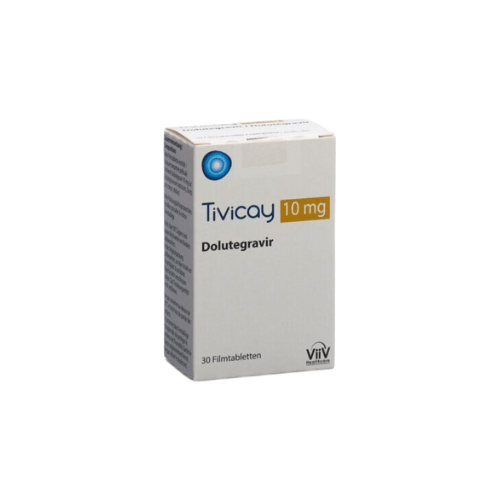
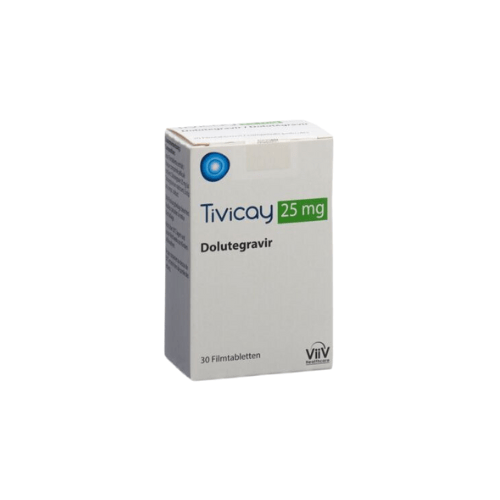
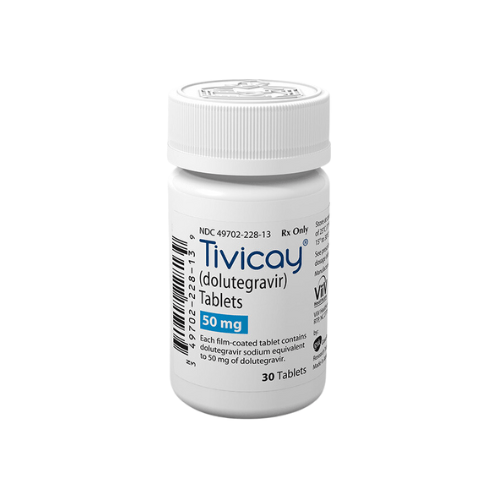
Tivicay is an HIV-1 medicine containing dolutegravir, an antiretroviral used as part of a treatment regimen. Tivicay can be bought online, with current price information shown during ordering, and the dose or strength should match the directions from your clinician. U.S. delivery from Canada may be available for customers using cash-pay, cross-border medication access.
Tivicay is not intended to be used casually or as a stand-alone purchase decision. HIV treatment depends on a complete regimen, past treatment history, resistance testing, adherence, and other medicines you take. If your clinician has recommended dolutegravir Tivicay, choose only the tablet or pediatric form that matches the treatment plan.
The most common adult presentation discussed in clinical use is Tivicay 50 mg tablets. Tivicay PD is a pediatric formulation made as tablets for oral suspension, prepared as directed rather than supplied as a ready-to-use bottle of liquid. Film-coated tablets and tablets for oral suspension should not be swapped without clinician direction because the dose and administration instructions differ.
Tivicay Price, Cost, and Ordering Basics
Tivicay price can vary by strength, form, quantity, source, and the other HIV medicines used with it. View the current cash price during checkout and compare the total regimen cost, not only the dolutegravir cost. For people paying without insurance, planning refills early can help avoid gaps in therapy.
Before ordering, match the medication name, active ingredient, strength, directions, and quantity to your current treatment plan. This is especially important if the plan uses Tivicay 50mg tablets, dolutegravir 50 mg, or Tivicay PD for a child. We may help review order details when pharmacy documentation needs clarification.
HIV medicines work best when taken consistently. If travel, address changes, or a regimen switch is coming up, start refill planning before the supply runs low. Prompt, express shipping may be available as a neutral logistics option during purchase processing, but medication timing should be planned with enough buffer for clinical and pharmacy steps.
For broader treatment navigation, the HIV condition section can help organize related questions about antiretroviral therapy, monitoring, and follow-up care. The antiviral medicines category is useful for browsing medication classes, although HIV regimen decisions require individualized clinical review.
What Tivicay Is Used For
Tivicay is used to treat HIV-1 infection. Its active ingredient, dolutegravir, belongs to a class called integrase strand transfer inhibitors, often shortened to INSTIs. Integrase is a viral enzyme HIV uses to insert its genetic material into human cells; blocking it helps reduce viral replication when the rest of the regimen is active.
Tivicay for HIV is used with other antiretroviral medicines in many treatment plans. It may also be used with rilpivirine as a complete regimen in certain adults who are replacing a stable antiretroviral regimen, when the labeled criteria are met. Your clinician considers viral load, CD4 count, resistance history, hepatitis B status, kidney and liver history, pregnancy plans, and other medicines before choosing a plan.
Tivicay does not cure HIV. It also does not prevent transmission by itself. Effective HIV care usually combines continuous treatment, lab monitoring, safer-sex counseling when relevant, and regular follow-up with a care team.
Why it matters: Taking only part of an HIV regimen can allow the virus to become harder to treat.
How Tivicay Works in Combination Therapy
Dolutegravir Tivicay reduces HIV replication by inhibiting the integrase step in the viral life cycle. When paired with compatible antiretroviral agents, this can help the full regimen lower viral activity. The companion medicines matter because different drug classes block different points in HIV replication.
Regimen selection is not based only on convenience or pill count. A clinician may choose a dolutegravir-based plan because of prior treatment response, expected tolerability, resistance results, drug interaction profile, or organ-function considerations. Some people start therapy with an INSTI-containing regimen, while others switch after viral suppression or tolerability concerns.
Tivicay medicine should not be substituted for PrEP, post-exposure prophylaxis, or another prevention plan unless a clinician specifically changes the strategy. Treatment for established HIV and prevention after potential exposure are different clinical decisions.
Dosage and How Often Tivicay Is Taken
Tivicay dosage is set by the clinician and the official labeling for the person taking it. Many adult regimens use once-daily dosing, while some situations require different timing, such as certain drug interactions or resistance patterns. Pediatric dosing is weight-based and may use the PD formulation instead of film-coated tablets.
Tivicay oral tablets are usually taken with or without food. Mineral-containing products need careful timing because magnesium, aluminum, calcium, and iron can reduce dolutegravir absorption. Antacids, multivitamins, calcium supplements, iron supplements, and buffered products should be discussed with a pharmacist or clinician so spacing instructions are clear.
If a dose is missed, follow the directions supplied with the medication or ask the care team what to do. Do not double doses unless instructed. Consistent routines, phone reminders, and a pill organizer can reduce accidental gaps.
Quick tip: Keep one written medication list with every HIV medicine, strength, and dosing time.
Forms, Strengths, and Product Identification
Tivicay tablets and Tivicay PD are different dosage forms. The film-coated tablet is commonly used for adults and some adolescents, while tablets for oral suspension are intended for pediatric weight-based dosing. The PD form is mixed as directed before administration and should be prepared only according to label or pharmacist instructions.
| Form | Common use context | Important handling point |
|---|---|---|
| Film-coated tablet | Adults and some adolescents | Swallow as directed and follow the dosing schedule provided by the care team. |
| Tablets for oral suspension | Pediatric weight-based dosing | Prepare only as directed; do not replace with film-coated tablets unless the clinician changes the plan. |
Packaging may show the brand name, active ingredient, lot number, expiration date, and manufacturer or distributor information. Keep the original container available so the strength and form can be confirmed during follow-up visits, travel, or refill planning.
Storage and Travel Handling
Store dolutegravir tablets at room temperature and protect them from excess heat and moisture. Keep the container closed, and avoid storing medication in a humid bathroom cabinet. The expiration date and lot number should remain readable until the medication is finished.
When traveling, carry Tivicay in the original labeled container. Keep doses in hand luggage when possible, and carry a written medication list in a separate place. This helps if a bag is delayed, a clinician needs the regimen details, or a pharmacy needs to confirm the exact form.
Caregivers using Tivicay PD should keep preparation supplies organized and follow the instructions every time. Children and pets should not be able to reach any HIV medication, including tablets waiting to be prepared.
Side Effects, Warnings, and Monitoring
Tivicay side effects can include headache, trouble sleeping, fatigue, nausea, and diarrhea. Some people notice mood changes, unusual dreams, or appetite changes after starting or switching therapy. Tracking when symptoms occur, whether the dose was taken with food, and which other medicines were used can help the care team interpret the pattern.
Serious reactions require prompt medical assessment. Warning signs can include rash with fever, facial swelling, breathing difficulty, mouth sores, yellowing of the skin or eyes, dark urine, persistent abdominal pain, severe depression, or suicidal thoughts. A history of serious hypersensitivity to dolutegravir or tablet ingredients is a reason to avoid the medicine unless a clinician determines otherwise.
Immune reconstitution inflammatory syndrome, or IRIS, can occur after effective HIV therapy begins. IRIS means the recovering immune system reacts strongly to a previously hidden infection. New fever, swollen glands, worsening cough, neurological symptoms, or unusual inflammation should be reported.
Dolutegravir can cause a small rise in serum creatinine by affecting kidney tubular secretion. This does not always mean kidney injury, but lab results still need clinical interpretation. Ongoing monitoring may include viral load, CD4 count, liver tests, kidney-related labs, and checks for side effects or interactions.
Drug Interactions and Cautions
Dolutegravir has important interactions with several medication groups. Give the care team a complete list that includes prescription medicines, nonprescription products, vitamins, minerals, protein powders with minerals, and herbals. Interaction risk can change when another medication is started, stopped, or taken at a different time.
- Mineral products: magnesium, aluminum, calcium, and iron can reduce dolutegravir absorption if timing is not managed.
- Enzyme inducers: rifampin, some seizure medicines, and St. John’s wort may lower dolutegravir levels.
- Metformin: monitoring or dose adjustment may be needed because dolutegravir can increase metformin exposure.
- Dofetilide: the combination is contraindicated because dolutegravir can raise dofetilide levels.
- Pregnancy planning: discuss treatment goals early so the regimen fits current guidance and personal risk factors.
Timing matters as much as the product name. For example, calcium or iron may be handled differently depending on whether Tivicay is taken with food. A pharmacist can help clarify spacing directions, while the clinician decides whether the overall regimen should change.
How Tivicay Compares With Related HIV Options
Tivicay is one INSTI option, but HIV treatment is usually compared by complete regimen rather than by one ingredient. Other plans may include bictegravir-based single-tablet therapy, dolutegravir with lamivudine, dolutegravir with rilpivirine, abacavir/dolutegravir/lamivudine, non-nucleoside reverse transcriptase inhibitor regimens, or boosted protease inhibitor regimens.
Some alternatives reduce pill burden. Others are chosen because of resistance history, hepatitis B coinfection, pregnancy considerations, kidney and bone health, or interaction concerns. A dolutegravir-based plan may still be appropriate when the companion medicines are selected carefully and the person can take it consistently.
Country-specific naming and generic availability can differ. A product described as dolutegravir tablets should still be matched by active ingredient, strength, formulation, and clinical directions. The Canada country-of-origin section may help identify Canadian-sourced listings when reviewing medication source information.
Questions to Ask Before Starting or Refilling
Before starting Tivicay or requesting a refill, ask whether every medicine in the HIV regimen is still current. This includes companion antiretrovirals, medicines for hepatitis B if relevant, and any short-term antibiotics, tuberculosis medicines, seizure medicines, or stomach medicines that could affect dolutegravir levels.
Ask how often labs should be checked and which symptoms should prompt urgent contact. People with liver disease, kidney concerns, mental health history, pregnancy plans, or prior resistance may need closer discussion. If Tivicay PD is used for a child, caregivers should also ask how weight changes affect dosing and when the formulation should be reassessed.
Refill conversations should include adherence barriers. If nausea, sleep problems, pill timing, travel, work schedules, or food routines make dosing difficult, tell the care team before gaps occur. Small practical changes can sometimes support consistent treatment without changing the regimen.
Authoritative Sources
Official and expert sources can help confirm labeled indications, contraindications, interaction management, and monitoring recommendations. Use them alongside clinician guidance, not as a replacement for individualized HIV care.
- Official prescribing information
- NIH ClinicalInfo dolutegravir patient record
- European Medicines Agency Tivicay record
This content is for informational purposes only and is not a substitute for professional medical advice.
Express Shipping - from $29.99
Shipping with this method takes 3-5 days
Prices:
- Dry-Packed Products $29.99
- Cold-Packed Products $39.99
Shipping Countries:
- United States (all contiguous states**)
- Worldwide (excludes some countries***)
Standard Shipping - $19.99
Shipping with this method takes 5-10 days
Prices:
- Dry-Packed Products $19.99
- Not available for Cold-Packed products
Shipping Countries:
- United States (all contiguous states**)
- Worldwide (excludes some countries***)
What is Tivicay used for?
Tivicay is used to treat HIV-1 infection. It contains dolutegravir, an integrase inhibitor, and is used as part of an antiretroviral treatment plan. It does not cure HIV and does not prevent transmission by itself.
Can Tivicay be taken by itself?
Tivicay is generally used with other antiretroviral medicines. In specific adults, dolutegravir may be used with rilpivirine as a complete replacement regimen when labeled criteria are met. Your clinician decides whether the full regimen is appropriate.
What are common Tivicay side effects?
Common side effects can include headache, nausea, diarrhea, fatigue, and trouble sleeping. Some people report mood changes or unusual dreams. Serious rash, swelling, breathing trouble, jaundice, severe depression, or suicidal thoughts need urgent medical assessment.
How often do you take Tivicay?
Many adult regimens use once-daily Tivicay, but some situations require different dosing, such as certain interactions or resistance patterns. Pediatric dosing is weight-based. Follow the directions provided for your exact form and regimen.
What is the difference between Tivicay tablets and Tivicay PD?
Tivicay tablets are film-coated tablets commonly used for adults and some adolescents. Tivicay PD is made as tablets for oral suspension for pediatric weight-based dosing. The two forms should not be substituted for each other unless the clinician changes the plan.
What medicines or supplements can interact with Tivicay?
Mineral products containing magnesium, aluminum, calcium, or iron can reduce dolutegravir absorption if timing is not managed. Rifampin, some seizure medicines, St. John’s wort, metformin, and dofetilide are also important interaction concerns.
Rewards Program
Earn points on birthdays, product orders, reviews, friend referrals, and more! Enjoy your medication at unparalleled discounts while reaping rewards for every step you take with us.
You can read more about rewards here.
POINT VALUE
How to earn points
- 1Create an account and start earning.
- 2Earn points every time you shop or perform certain actions.
- 3Redeem points for exclusive discounts.
You Might Also Like
Select options
This product has multiple variants. The options may be chosen on the product page
Select options
This product has multiple variants. The options may be chosen on the product page
Select options
This product has multiple variants. The options may be chosen on the product page
Select options
This product has multiple variants. The options may be chosen on the product page