
Please note: a valid prescription is required for all prescription medication.
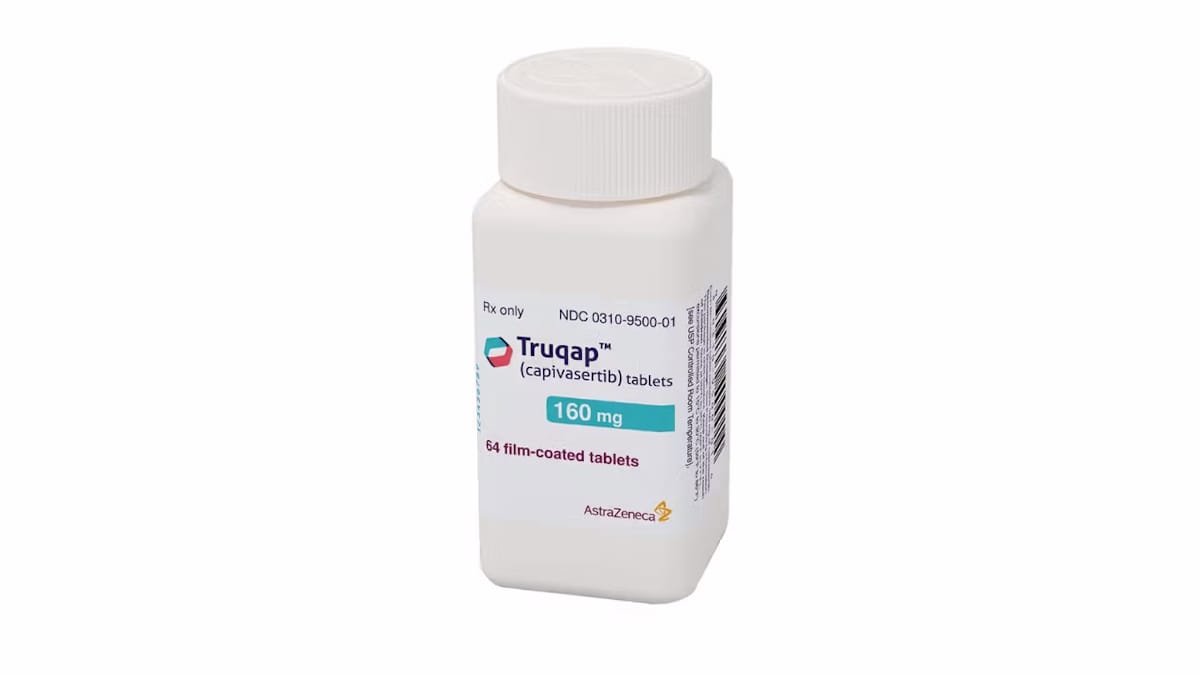
Truqap (Capivasertib)
Buy Truqap Capivasertib Online
Secure Encrypted Payments
Truqap (capivasertib) is an oral targeted cancer medicine used with fulvestrant for certain adults with HR-positive, HER2-negative advanced breast cancer. Truqap capivasertib tablets can be bought online, with current pricing and available strengths shown during ordering so the quantity can match your cancer care team’s directions. We support US delivery from Canada through licensed pharmacy channels for patients paying out of pocket or coordinating costs outside insurance.
Truqap Price, Strengths, and Ordering Basics
Truqap price can vary by strength, quantity, supply source, and changes in pharmacy acquisition cost. During ordering, choose the strength and tablet quantity shown for Truqap and align the selection with the schedule your oncology team has written. If your regimen uses a specific combination of tablet strengths, confirm the total daily amount before checkout so the supply fits your four-days-on, three-days-off cycle.
Truqap tablets are commonly supplied in 160 mg and 200 mg strengths. The phrase Truqap 200 mg tablets usually refers to one of the labeled tablet strengths used to build a prescribed dose. Packaging may vary by country and lot, so rely on the pharmacy label, tablet strength, and care-team instructions rather than appearance alone.
Many patients look at Truqap cost, Capivasertib price, and cash-pay supply size together because treatment is often ongoing while disease control and tolerability remain acceptable. Current cash price information is displayed at checkout. If you are planning refills, ask your care team how many cycles to keep on hand and whether upcoming scans, lab tests, or dose changes could affect the next quantity.
Quick tip: Keep a written copy of your cycle calendar with the tablet bottle so refill timing matches your treatment rhythm.
What Truqap Treats
Truqap is used in combination with fulvestrant for adults with hormone receptor-positive, HER2-negative locally advanced or metastatic breast cancer. The tumor should have a qualifying PIK3CA, AKT1, or PTEN alteration confirmed by an approved test. This use is generally considered after the cancer has progressed on endocrine therapy.
HR-positive means the cancer cells use estrogen or progesterone signals to grow. HER2-negative means the cancer does not have high HER2 activity driving treatment decisions. Locally advanced cancer has spread nearby, while metastatic cancer has spread to distant parts of the body. For more condition context, see breast cancer treatment information.
Fulvestrant is the endocrine partner in this regimen and is given by intramuscular injection. Truqap does not replace oncology visits, tumor testing, lab monitoring, or imaging. It is one part of a broader treatment plan that may also include symptom management, scans, blood work, and supportive medicines.
How Capivasertib Works
Capivasertib inhibits AKT, a signaling protein in the PI3K/AKT pathway. In some breast cancers, alterations in PIK3CA, AKT1, or PTEN can make this pathway more active, helping cancer cells survive and grow despite endocrine therapy. By blocking AKT activity, Truqap may help slow disease progression when used with fulvestrant in patients whose tumors have the relevant alteration.
This targeted mechanism is different from chemotherapy. Chemotherapy often affects rapidly dividing cells more broadly, while AKT inhibition is aimed at a defined cancer-growth pathway. That distinction does not mean side effects are minor; Truqap can still cause serious reactions and requires careful monitoring.
Some people ask about the success rate of Truqap. Individual outcomes depend on tumor biology, prior treatments, overall health, adherence, side effects, and how the cancer responds over time. Your oncology team can interpret trial results in the context of your diagnosis rather than applying an average result to your personal prognosis.
How Truqap Is Taken With Fulvestrant
The usual Truqap schedule is a repeating weekly pattern: tablets are taken twice daily for four days, followed by three days off treatment. Fulvestrant is usually scheduled separately, often at the start, again around day 15, and then every 28 days. Follow the treatment calendar provided by your cancer care team, especially when scans, labs, or injection appointments change.
Swallow tablets whole with water. They may be taken with or without food, preferably at about the same times on dosing days. Do not crush, chew, or split tablets. If vomiting occurs after a dose, do not take an extra tablet; wait until the next scheduled dose unless your clinician has given different instructions.
Avoid grapefruit and grapefruit juice because they can affect drug metabolism. Keep a simple medication list, including supplements, antidiarrheal medicines, diabetes medicines, antibiotics, antifungals, seizure medicines, and herbal products. Sharing that list before each treatment cycle helps your care team identify avoidable interactions.
Missed Dose and Cycle Timing
If you miss a Truqap dose, follow the missed-dose instructions provided with your treatment plan. In general, do not double up to make up for a missed tablet. Maintaining the four-days-on and three-days-off rhythm matters because the schedule is designed around periods of drug exposure and rest.
Set two reminders on dosing days if your plan uses morning and evening tablets. A paper calendar can also help during weeks that include fulvestrant injections, imaging appointments, or travel. If several doses are missed, contact your oncology team for direction rather than restarting the cycle on your own.
Time zones can make twice-daily schedules confusing. Before travel, ask for a written plan that keeps doses roughly spaced while preserving the correct on-treatment and off-treatment days. Carry tablets in hand luggage with the original labeled container.
Storage, Handling, and Travel
Keep Truqap tablets in the original child-resistant container with the label intact. Store them at room temperature, away from excess heat, direct light, and moisture. Do not move tablets into an unlabeled pill organizer unless your care team says that is appropriate for your situation.
A Truqap tablet bottle should remain tightly closed when not in use. Keep it away from children, pets, and anyone for whom it was not intended. If a tablet is damaged, ask the pharmacy or oncology clinic how to handle it safely.
For travel, pack enough tablets for the trip plus extra for reasonable delays. Keep your dosing calendar, medication list, and oncology contact details with you. Orders may use prompt, express shipping when relevant to the supply route, but refill requests should still be planned early because cancer treatment schedules leave little room for gaps.
Side Effects, Warnings, and Monitoring
Common side effects can include diarrhea, rash or skin redness, mouth sores, nausea, vomiting, decreased appetite, fatigue, weakness, and changes in blood sugar. Some effects can start early in treatment. Reporting symptoms quickly gives your care team more options to manage them before they become severe.
- Diarrhea can lead to dehydration if it is persistent or severe.
- Rash may need topical care, oral medicines, interruption, or urgent assessment.
- High blood sugar may cause increased thirst, frequent urination, blurred vision, fatigue, or confusion.
- Mouth sores can make eating and drinking difficult.
- Liver enzyme changes may be detected on blood tests before symptoms appear.
Serious risks can include severe hyperglycemia, significant skin reactions, dehydration from diarrhea, and liver test abnormalities. People with diabetes or elevated baseline glucose need close coordination because Truqap can raise blood sugar. Seek urgent help for severe rash, confusion, persistent vomiting, fainting, signs of dehydration, or symptoms of very high blood sugar.
Truqap can harm an unborn baby. People who are pregnant, planning pregnancy, or breastfeeding should discuss safer timing and alternatives with their clinician before treatment starts. Effective contraception may be needed during treatment and for the label-specified period after the last dose.
Monitoring commonly includes glucose checks, liver tests, skin assessment, symptom review, and imaging to evaluate treatment response. The exact schedule depends on baseline health, early side effects, other medicines, and the treatment cycle. Do not stop, restart, or change the amount of Truqap without oncology guidance.
Drug Interactions and Cautions
Truqap is affected by CYP3A, a liver enzyme involved in drug metabolism. Strong CYP3A inhibitors, such as certain macrolide antibiotics or azole antifungals, can increase capivasertib exposure. Strong CYP3A inducers, such as rifampin, carbamazepine, or St. John’s wort, can lower exposure and may reduce treatment effect.
Blood sugar medicines may need closer monitoring because capivasertib can increase glucose. Other medicines that cause diarrhea, affect liver enzymes, or irritate the skin may complicate side effect management. Bring every medication, vitamin, and herbal product to oncology visits so interactions are assessed before they become a problem.
People with a history of severe hypersensitivity to capivasertib or any tablet component should not take Truqap. Significant uncontrolled diabetes, severe active illness, or major liver concerns may require additional planning. Suitability is an individualized clinical decision based on test results, treatment history, and current health.
How Truqap Compares With Other Breast Cancer Treatments
Truqap is not the same as Ibrance. Ibrance is a CDK4/6 inhibitor, while Truqap is an AKT inhibitor. Both are oral targeted therapies used in hormone receptor-positive breast cancer settings, but they act on different pathways and are chosen for different clinical reasons.
Other treatment options for HR-positive, HER2-negative advanced breast cancer may include endocrine therapy, CDK4/6 inhibitors, PI3K-pathway medicines, chemotherapy, antibody-drug conjugates, or clinical-trial approaches. The right sequence depends on prior treatments, gene test results, organ function, symptoms, and treatment goals. Broader browsing is available under cancer medicines and the cancer education category.
Truqap may be considered when the tumor has a qualifying PIK3CA, AKT1, or PTEN alteration and the care plan includes fulvestrant. If that testing has not been done, ask whether tumor tissue or blood-based testing is appropriate. A targeted medicine is most useful when the cancer biology matches the labeled use.
Paying Cash and Planning Refills
Patients paying out of pocket often track Truqap cash price, Capivasertib 200 mg price, and the number of tablets needed per cycle. Because dose changes or temporary holds can happen after side effects, avoid stockpiling without a plan from your oncology team. A balanced refill schedule helps reduce waste while protecting against treatment interruptions.
If you are trying to pay cash for Truqap, gather the strength, total daily dose, cycle schedule, and upcoming appointment dates before ordering. That information helps align the tablet quantity with real use. For location context related to sourcing, see products associated with Canada.
Keep receipts and medication records if you plan to seek reimbursement, apply for assistance, or document out-of-pocket spending. Your clinic social worker, financial navigator, or oncology pharmacist may be able to explain manufacturer programs, insurance appeal steps, or local support resources.
Questions to Discuss With Your Oncology Team
Before starting or refilling Truqap, use the visit to confirm the facts that affect safe use and cost planning. These questions can help make the order match the treatment plan:
- Does my tumor have a qualifying PIK3CA, AKT1, or PTEN alteration?
- Which tablet strength or combination of strengths should I use?
- How are my four dosing days and three off days marked on the calendar?
- When will fulvestrant injections, labs, and scans be scheduled?
- What symptoms should trigger same-day contact?
- How should diarrhea, rash, mouth sores, or high blood sugar be managed?
- Which medicines, supplements, or foods should I avoid?
- Could upcoming test results change my next refill quantity?
Why it matters: The most useful refill is the one that matches both the current dose and the next clinical checkpoint.
Authoritative Sources
For detailed clinical information, consult the official prescribing information provided with Truqap, your oncology clinic’s medication handouts, and regulator or manufacturer materials available in your region. These sources contain full dosing, warnings, interaction, pregnancy, and adverse-reaction details that are beyond a product summary.
Bring any printed or digital medication information to appointments if instructions seem inconsistent. Cancer treatment plans are individualized, and your oncology team can reconcile label information with lab results, prior therapies, and current symptoms.
This content is for informational purposes only and is not a substitute for professional medical advice.
Blood Glucose Unit Converter
Convert glucose readings between mg/dL and mmol/L without changing the clinical value.
mg/dL
-
US reporting unit
mmol/L
-
International reporting unit
These calculations are for education only and do not replace clinical advice, diagnosis, or treatment. Always confirm medical decisions with a qualified healthcare professional.
HbA1c & eAG Calculator
Convert between HbA1c percentage and estimated average glucose using the ADAG relationship.
HbA1c
-
percentage
eAG mg/dL
-
estimated average glucose
eAG mmol/L
-
estimated average glucose
These calculations are for education only and do not replace clinical advice, diagnosis, or treatment. Always confirm medical decisions with a qualified healthcare professional.
eGFR Calculator
Estimate kidney filtration using the 2021 CKD-EPI creatinine equation.
eGFR
-
mL/min/1.73 m2
G category
-
requires clinical context
These calculations are for education only and do not replace clinical advice, diagnosis, or treatment. Always confirm medical decisions with a qualified healthcare professional.
Express Shipping - from $29.99
Shipping with this method takes 3-5 days
Prices:
- Dry-Packed Products $29.99
- Cold-Packed Products $39.99
Shipping Countries:
- United States (all contiguous states**)
- Worldwide (excludes some countries***)
Standard Shipping - $19.99
Shipping with this method takes 5-10 days
Prices:
- Dry-Packed Products $19.99
- Not available for Cold-Packed products
Shipping Countries:
- United States (all contiguous states**)
- Worldwide (excludes some countries***)
What is capivasertib used for?
Capivasertib, sold as Truqap, is used with fulvestrant for certain adults with HR-positive, HER2-negative locally advanced or metastatic breast cancer. The tumor should have a qualifying PIK3CA, AKT1, or PTEN alteration confirmed by an approved test.
How much does Truqap cost?
Truqap cost depends on the tablet strength, quantity, and current supply pricing. Check the displayed cash price during ordering and confirm the needed quantity against your treatment calendar before refill planning.
Is Truqap the same as Ibrance?
No. Truqap is an AKT inhibitor, while Ibrance is a CDK4/6 inhibitor. Both may be used in hormone receptor-positive breast cancer settings, but they target different pathways and are selected for different clinical reasons.
What are common Truqap side effects?
Common side effects include diarrhea, rash, mouth sores, nausea, vomiting, decreased appetite, fatigue, weakness, and high blood sugar. Severe diarrhea, severe rash, dehydration, or symptoms of very high blood sugar need urgent medical attention.
How is Truqap usually taken?
Truqap is usually taken twice daily for four days, followed by three days off, in repeating weekly cycles. It is used with fulvestrant injections. Follow the calendar from your oncology team and do not double doses after a missed tablet.
Rewards Program
Earn points on birthdays, product orders, reviews, friend referrals, and more! Enjoy your medication at unparalleled discounts while reaping rewards for every step you take with us.
You can read more about rewards here.
POINT VALUE
How to earn points
- 1Create an account and start earning.
- 2Earn points every time you shop or perform certain actions.
- 3Redeem points for exclusive discounts.
You Might Also Like
Select options
This product has multiple variants. The options may be chosen on the product page
Select options
This product has multiple variants. The options may be chosen on the product page
Select options
This product has multiple variants. The options may be chosen on the product page
Select options
This product has multiple variants. The options may be chosen on the product page