
Please note: a valid prescription is required for all prescription medication.
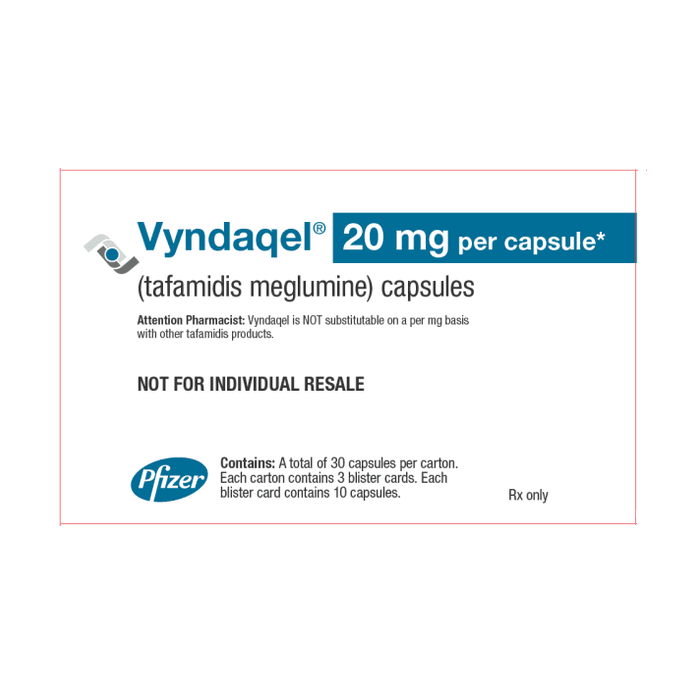
Vyndaqel
Buy Vyndaqel Online
Secure Encrypted Payments
Vyndaqel is a Pfizer tafamidis medication used in specific transthyretin amyloidosis settings. You can buy Vyndaqel online, view current price information, and choose the dose or strength shown for the product so it matches the directions from your clinician. The exact tafamidis brand, capsule strength, and local labeling matter because Vyndaqel and Vyndamax are not written the same way.
Vyndaqel Price, Strength Choice, and Ordering Basics
Vyndaqel price questions usually depend on the strength being ordered, the quantity, and the clinical instructions tied to the medicine. During ordering, select the Vyndaqel strength displayed for this product and compare it with the directions you received. If you have seen Vyndaqel 20 mg, Vyndaqel 61 mg, tafamidis 20 mg, or tafamidis meglumine mentioned online, pause long enough to match the brand and strength wording carefully.
Some people research U.S. delivery from Canada when a specialty heart medication is difficult to source locally or when cash-pay cost is a major factor. We may review order information for completeness, and the medicine is supplied through licensed pharmacy channels. Keep your diagnosis notes, current medication list, and clinic instructions together so the product name and tafamidis formulation can be matched without guesswork.
Quick tip: Use the exact brand and strength wording from your clinic instructions when comparing tafamidis products.
What Vyndaqel Is Used For
Vyndaqel contains tafamidis meglumine, a transthyretin stabilizer. In current U.S. tafamidis labeling, tafamidis products are used in adults with wild-type or hereditary transthyretin-mediated amyloid cardiomyopathy, often called ATTR-CM. This condition happens when transthyretin protein becomes unstable, misfolds, and contributes to amyloid deposits that can affect the heart.
Vyndaqel is not a general heart failure capsule and should not be selected based only on swelling, fatigue, or shortness of breath. ATTR-CM often requires a careful workup because its symptoms can resemble more common heart conditions. Testing may include heart imaging, blood work to rule out other amyloid types, and sometimes genetic testing to distinguish hereditary disease from wild-type disease.
People learning about transthyretin disease may also find condition background helpful. The transthyretin amyloidosis cardiomyopathy section focuses on heart involvement, while transthyretin amyloidosis polyneuropathy covers nerve-related disease context. These conditions can sound similar, but product labeling and treatment goals can differ.
How Tafamidis Works
Tafamidis works by binding to transthyretin, a transport protein that normally circulates in the blood. The goal is to stabilize the transthyretin tetramer, meaning the four-part protein structure is less likely to separate into pieces that can misfold. This mechanism is why tafamidis is described as a transthyretin stabilizer rather than a diuretic, blood pressure drug, or rhythm medicine.
That distinction matters when reviewing a heart medication plan. A person with ATTR-CM may also take medicines for fluid balance, rhythm control, blood pressure, or other cardiovascular conditions. Those medicines can support symptoms or related risks, but they do not replace tafamidis when a transthyretin stabilizer is the intended treatment.
For broader heart-care reading, the cardiovascular product category and cardiovascular articles can help separate amyloid-specific therapy from other cardiac treatments. Keeping those roles clear makes medicine discussions easier, especially when several clinicians are involved.
Vyndaqel 20 mg, 61 mg Searches, and Vyndamax Differences
Many searches for Vyndaqel mention 61 mg, but the distinction between Vyndaqel and Vyndamax is important. U.S. references commonly describe Vyndaqel as a 20 mg tafamidis meglumine capsule and Vyndamax as a 61 mg tafamidis capsule. The two names relate to tafamidis therapy, but the strength expression and formulation wording are different.
Do not assume that Vyndaqel and Vyndamax can be swapped by matching numbers alone. A tafamidis meglumine strength and a tafamidis free-acid strength are not written the same way. The safest comparison is the one that uses the exact product name, capsule strength, and instructions from your clinician.
| Product name | Common U.S. label wording | Practical meaning |
|---|---|---|
| Vyndaqel | 20 mg tafamidis meglumine capsule | Strength and formulation wording should match the intended brand. |
| Vyndamax | 61 mg tafamidis capsule | The capsule strength is expressed differently from Vyndaqel. |
If your care plan involves tafamidis but the brand name has changed, review the related Vyndamax product information. A side-by-side look is useful only when the exact active ingredient form and strength wording are clear.
Who May Be Considered for Tafamidis Therapy
Tafamidis therapy is generally considered after transthyretin amyloidosis has been identified and the intended disease setting is clear. For ATTR-CM, the diagnosis matters because other forms of amyloidosis and other causes of heart failure require different approaches. Symptoms alone cannot reliably identify the correct amyloid subtype.
Adults being evaluated for ATTR-CM often have overlapping health issues, including high blood pressure, valve disease, kidney concerns, rhythm problems, or fluid retention. That overlap can make treatment decisions more complex. A complete medicine list helps reduce the risk of confusing symptom changes from amyloid cardiomyopathy with effects from another medicine.
Older adults may be especially likely to manage more than one heart condition at the same time. For practical background on age-related cardiac concerns, see heart health after 60. If chest discomfort is part of the symptom picture, angina symptom information can help frame questions for a clinician, although it does not replace amyloid evaluation.
- Diagnosis clarity: ATTR subtype and heart involvement should be understood.
- Brand accuracy: Vyndaqel and Vyndamax use different strength wording.
- Medication history: heart, cancer, immune, and over-the-counter medicines should be included.
- Pregnancy planning: tafamidis products require special caution.
- Follow-up plan: symptom changes should be tracked over time.
Daily Use and Missed-Dose Basics
Tafamidis capsules are generally taken on a regular daily schedule according to the product label and clinician instructions. Capsules should usually be swallowed whole. Do not open, crush, or mix capsule contents unless the official product information or your care team gives that instruction.
Vyndaqel is not an as-needed medicine for sudden shortness of breath, chest pain, swelling, or fatigue. If a dose is missed, follow the patient leaflet or ask a pharmacist how to resume treatment. Taking extra capsules to make up for a missed dose can create avoidable risk, especially when brand and strength wording are already easy to confuse.
Keep the same labeled product in use from day to day. Mixing capsules from older bottles, different strengths, or different tafamidis brand names can make it difficult to know what was taken. If a refill looks different, verify the label before continuing.
Storage, Travel, and Handling
Store Vyndaqel capsules at room temperature unless the container label gives different instructions. Keep capsules in the original container, away from excess heat, moisture, and direct light. The labeled bottle also helps identify the exact product if a pharmacist, clinician, airport screener, or caregiver needs to verify it.
For travel, carry the medicine in hand luggage when possible and keep it with an updated medication list. Avoid moving capsules into an unmarked pill case for long trips because tafamidis brand and strength details matter. If the label becomes damaged or hard to read, ask for clarification before leaving home.
When shipping applies, handling may include prompt, express shipping. Plan refills early enough to avoid interruptions, especially because amyloidosis medicines are often part of a long-term care plan rather than a short course.
Side Effects, Warnings, and Monitoring
Many people do not report major day-to-day side effects with tafamidis, but the official leaflet for the exact product should guide expectations. Reported effects in tafamidis patient information can include stomach upset, diarrhea, abdominal discomfort, tiredness, or urinary symptoms. The list can vary by market and indication, so the product label should remain the main reference.
Some symptoms need careful interpretation because ATTR-CM itself can cause fatigue, swelling, reduced exercise tolerance, and shortness of breath. Do not automatically blame every change on the capsule. Track when symptoms begin, what else changed in the medicine list, and whether swelling, breathing, dizziness, or chest symptoms are worsening.
Serious allergic-type symptoms require urgent medical attention. Seek help for sudden facial swelling, trouble breathing, severe rash, or other severe new symptoms. Tafamidis products may cause fetal harm, so pregnancy, plans to become pregnant, and breastfeeding should be discussed before treatment continues.
Why it matters: Amyloid symptoms and medication effects can overlap, so sudden changes deserve careful assessment.
Drug Interactions and Important Cautions
Tafamidis can affect certain drug transport pathways. Official prescribing information highlights breast cancer resistance protein, often shortened to BCRP, as an interaction pathway to consider. Medicines such as rosuvastatin, methotrexate, or imatinib may need extra attention when used with tafamidis because exposure to the other medicine could increase.
Interaction screening should include prescription medicines, nonprescription products, vitamins, and herbal supplements. This is especially important for people with ATTR-CM because many are older adults taking several cardiovascular medicines. Kidney disease, liver concerns, swallowing difficulty, or a recent hospital stay can also change how safely a medication plan works.
Some heart medicines found in the same chart have different purposes. For example, antiplatelet therapy discussed in Brilinta uses relates to clot prevention in specific cardiovascular settings, not transthyretin stabilization. Research about vascular disease and diabetes medicines, such as SGLT2 inhibitors and vascular disease, also belongs to a different treatment category.
Vyndaqel Compared With Other Heart Medicines
Vyndaqel should be compared first with tafamidis products, not with general heart failure or blood pressure medicines. The closest product question is often Vyndaqel and Vyndamax because both names involve tafamidis therapy. The main practical difference is the formulation language and strength expression used on the label.
Other heart medications may still be important. A person with ATTR-CM may need diuretics for fluid, anticoagulants or antiplatelets in selected situations, rhythm medicines, or blood pressure treatment. Those medicines may improve a separate cardiovascular problem, but they are not the same as a transthyretin stabilizer.
| Medicine type | Main role | Buying decision point |
|---|---|---|
| Tafamidis brand | Transthyretin stabilization | Match brand, formulation, and strength wording. |
| Heart failure support | Fluid or cardiac workload management | Used for symptoms or hemodynamics, not as a tafamidis substitute. |
| Rhythm or clot-related therapy | Manages separate cardiac risks | Requires medication-list screening for interactions and overlap. |
Questions to Ask Before Starting or Continuing
Useful questions are specific. Ask which transthyretin amyloidosis type is being treated, which tafamidis brand is intended, and whether the capsule strength you are ordering matches the clinic instructions. Also ask what symptom changes should prompt urgent care versus routine follow-up.
Bring one updated medication list to every appointment. Include supplements and occasional medicines, not only daily tablets. If more than one clinician manages your heart, kidney, nerve, or cancer care, a shared list helps identify interaction risks and duplicate therapy.
Price and continuity also matter with a long-term specialty medicine. Review current cost before reordering and plan ahead for travel or refill timing. If the medicine is part of a chronic ATTR-CM plan, missed refills can disrupt a schedule that is meant to stay consistent.
Authoritative Sources
For current U.S. product labeling, review Official Pfizer prescribing information for tafamidis products.
For patient-focused safety details, see the FDA patient information for tafamidis brands.
For European regulatory context, review the EMA Vyndaqel medicine overview.
This content is for informational purposes only and is not a substitute for professional medical advice.
Express Shipping - from $29.99
Shipping with this method takes 3-5 days
Prices:
- Dry-Packed Products $29.99
- Cold-Packed Products $39.99
Shipping Countries:
- United States (all contiguous states**)
- Worldwide (excludes some countries***)
Standard Shipping - $19.99
Shipping with this method takes 5-10 days
Prices:
- Dry-Packed Products $19.99
- Not available for Cold-Packed products
Shipping Countries:
- United States (all contiguous states**)
- Worldwide (excludes some countries***)
What is Vyndaqel used for?
Vyndaqel is a tafamidis meglumine medication used in specific transthyretin amyloidosis settings. Current U.S. tafamidis labeling includes use in adults with wild-type or hereditary transthyretin-mediated amyloid cardiomyopathy, also called ATTR-CM.
Is Vyndaqel the same as Vyndamax?
Vyndaqel and Vyndamax both involve tafamidis therapy, but they are not written the same way. U.S. references commonly describe Vyndaqel as 20 mg tafamidis meglumine and Vyndamax as 61 mg tafamidis, so brand and strength wording should be matched carefully.
How does Vyndaqel work?
Tafamidis stabilizes transthyretin, a blood protein that can misfold and contribute to amyloid deposits. By helping keep transthyretin from separating, tafamidis targets the disease process differently from standard heart failure or blood pressure medicines.
What side effects can happen with tafamidis?
Reported effects can include stomach upset, diarrhea, abdominal discomfort, tiredness, or urinary symptoms, depending on the product information and market. Sudden swelling, breathing changes, severe rash, facial swelling, or other severe symptoms need prompt medical attention.
Why do people search for Vyndaqel 61 mg?
The 61 mg strength is commonly associated with Vyndamax in U.S. labeling, while Vyndaqel is commonly described as 20 mg tafamidis meglumine. The numbers should not be compared without checking the exact brand and formulation wording.
How should Vyndaqel be stored?
Store capsules at room temperature unless the container label says otherwise. Keep them in the original labeled container, protected from excess heat, moisture, and direct light, and away from children and pets.
What interactions should be reviewed with Vyndaqel?
Tafamidis can affect the BCRP drug transport pathway. Medicines such as rosuvastatin, methotrexate, or imatinib may need attention, and the medication list should include nonprescription products and supplements.
Rewards Program
Earn points on birthdays, product orders, reviews, friend referrals, and more! Enjoy your medication at unparalleled discounts while reaping rewards for every step you take with us.
You can read more about rewards here.
POINT VALUE
How to earn points
- 1Create an account and start earning.
- 2Earn points every time you shop or perform certain actions.
- 3Redeem points for exclusive discounts.
You Might Also Like
Select options
This product has multiple variants. The options may be chosen on the product page
Select options
This product has multiple variants. The options may be chosen on the product page
Select options
This product has multiple variants. The options may be chosen on the product page
Select options
This product has multiple variants. The options may be chosen on the product page