
Please note: a valid prescription is required for all prescription medication.
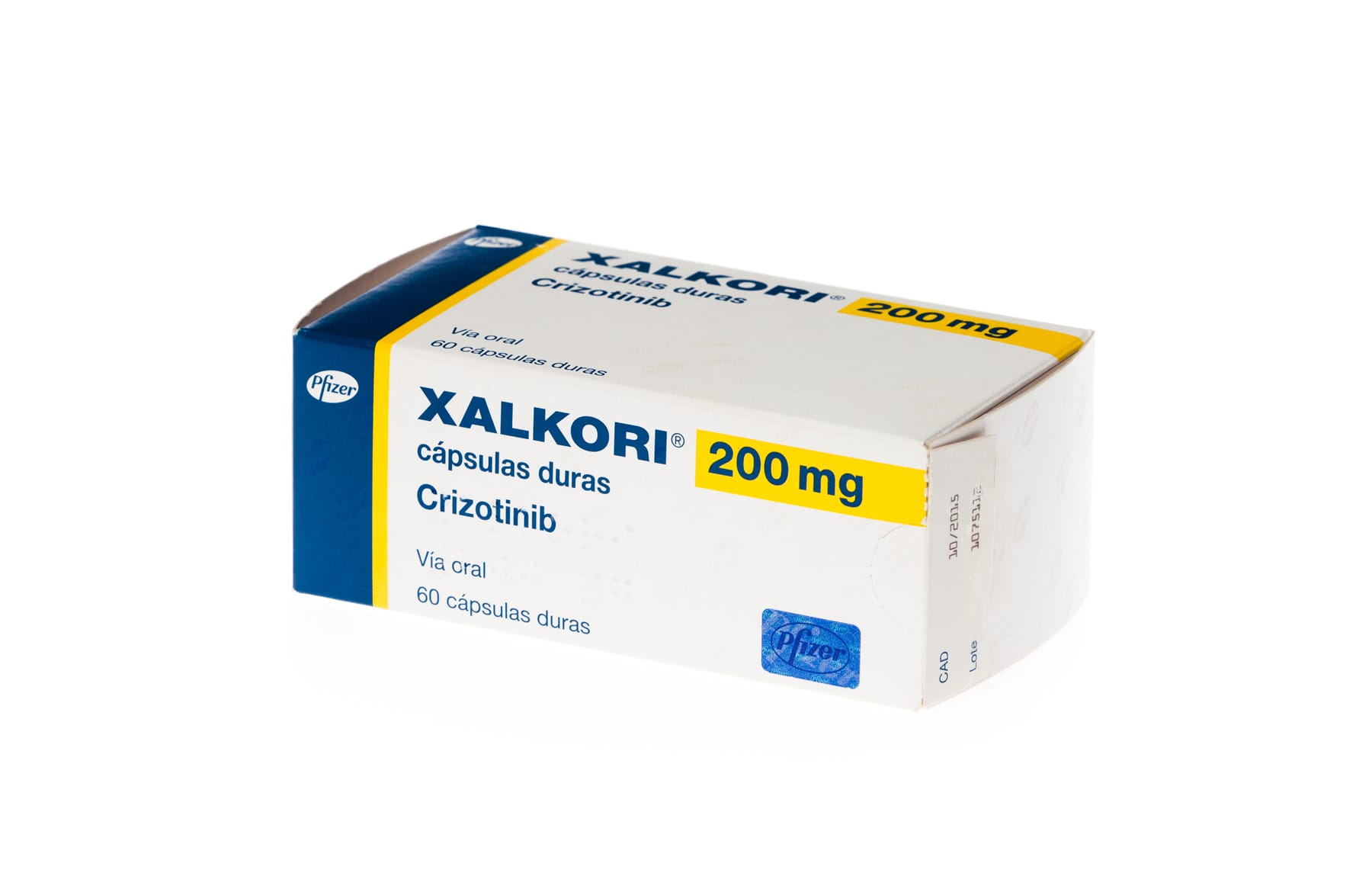
Xalkori
Buy Xalkori Online
Secure Encrypted Payments
Xalkori is the brand name for crizotinib capsules, an oral targeted cancer medicine used for certain tumors driven by ALK or ROS1 changes. You can buy Xalkori online, view the current Xalkori price, and choose the capsule strength shown during ordering so it matches your clinician’s directions. BorderFreeHealth offers US delivery from Canada through licensed pharmacy channels.
Price, Strength Selection, and Ordering
Xalkori cost can vary by capsule strength, pack size, market supply, and cash-pay pharmacy rates. When you place Xalkori in your cart, use the product strength and quantity shown during ordering to estimate the out-of-pocket cost before proceeding. This is especially useful for people comparing Xalkori Canadian pricing with a local cash quote.
The two commonly referenced capsule strengths are Xalkori 250 mg capsules and Xalkori 200 mg capsules. Your oncology team determines the exact schedule and any dose changes based on cancer type, biomarker results, tolerance, liver tests, kidney function, and interacting medicines. Do not switch between strengths or adjust the total daily amount unless your treating clinician tells you to.
Searches for Crizotinib 250 mg price, Crizotinib 200 mg price, and Xalkori cash price usually reflect the same practical question: what will the medicine cost at the strength being used? The active ingredient is crizotinib, but brand and generic naming can differ by country and supply channel. Review the medicine name, strength, and quantity carefully before completing an order.
Quick tip: Keep your current treatment instructions nearby when selecting the strength, because oncology dosing often depends on recent labs and tolerability.
What Xalkori Treats
Xalkori is used for metastatic non-small cell lung cancer, often shortened to NSCLC, when the tumor tests positive for ALK or ROS1. ALK and ROS1 are gene changes that can act as growth signals in cancer cells. Testing is usually done on tumor tissue or another validated sample before this type of targeted therapy is chosen.
For more background on the diagnosis, staging, and biomarker context, see our non-small cell lung cancer section. You can also browse oncology medicines in the cancer category when discussing related treatment paths with your care team.
This medicine is not a general chemotherapy for every lung cancer. It is selected for cancers with specific molecular drivers, which is why biomarker confirmation matters. If your tumor does not have an ALK or ROS1 alteration, another treatment class may be more appropriate.
How Crizotinib Works
Crizotinib is a tyrosine kinase inhibitor. Tyrosine kinases are enzymes that help send growth and survival signals inside cells. In ALK-positive or ROS1-positive cancer, abnormal signaling can push tumor cells to grow and spread.
Xalkori blocks ALK and ROS1 activity, which may slow tumor growth in people whose cancer depends on those signals. Because this approach is targeted, treatment decisions rely heavily on tumor genetics, prior therapies, overall health, and safety monitoring. Response and tolerability can differ widely from one person to another.
Targeted therapy still affects the body beyond the tumor. Side effects, drug interactions, and lab abnormalities are possible, so ongoing follow-up remains part of responsible treatment. Keep all oncology appointments and report changes in breathing, vision, swelling, heart symptoms, or digestion promptly.
Capsule Strengths and How to Take Them
Xalkori is taken by mouth as capsules. The supplied strengths commonly referenced in labeling are 250 mg and 200 mg. Many adults begin with a twice-daily schedule, but the correct amount for you comes from your oncology team and may change if side effects, liver tests, kidney function, or interacting medicines require adjustment.
Swallow capsules whole with water. Do not open, crush, or chew them. Xalkori may be taken with or without food. If nausea occurs, ask your care team whether taking each dose with a small snack is reasonable for your situation.
Try to take doses at roughly the same times each day. A phone reminder, pill diary, or caregiver check-in can help keep the schedule consistent. If you are traveling across time zones, ask your oncology clinic how to preserve the intended spacing without taking doses too close together.
Missed Dose, Vomiting, and Daily Timing
If you miss a dose, follow the official patient instructions or contact your healthcare professional. In general, missed-dose guidance depends on how close you are to the next scheduled dose. Do not take two doses at the same time to make up for one you forgot.
If vomiting occurs after taking a capsule, do not automatically take another capsule. Resume with the next scheduled dose unless your care team gives different instructions. Taking extra capsules can increase the risk of side effects without improving treatment control.
Keep a simple record of missed doses, vomiting, diarrhea, dizziness, or vision changes. This helps your oncology team decide whether supportive medicine, timing changes, lab checks, or treatment adjustments are needed.
Storage, Handling, and Travel
Store Xalkori capsules at room temperature in the original container, tightly closed, and away from excess moisture. Keep the medicine out of reach of children and pets. Avoid bathroom storage because humidity can affect many oral medicines.
When traveling, carry capsules in hand luggage with the labeled container. Bring a copy of your current medication list and treatment instructions. If your trip is long, ask your oncology clinic how much supply is appropriate and how to handle time-zone changes.
Orders may be arranged with prompt, express shipping. Plan refills early because oncology medicines should not be interrupted without clinical direction. Refill reminders are helpful when treatment is continuous and appointments are spaced several weeks apart.
Side Effects, Warnings, and Monitoring
Common Xalkori side effects include vision changes, nausea, vomiting, diarrhea, constipation, swelling, fatigue, dizziness, decreased appetite, abdominal discomfort, taste changes, and numbness or tingling. Vision effects may include blurred vision, light trails, flashes, or changes in visual clarity. Tell your care team if these symptoms affect driving, balance, reading, or daily safety.
Serious risks can include liver injury, interstitial lung disease or pneumonitis, QT prolongation, slow heart rate, severe neutropenia, and significant vision disorders. Seek urgent medical help for trouble breathing, new or worsening cough, chest pain, fainting, severe dizziness, yellowing of the skin or eyes, dark urine, unusual bleeding, fever, or sudden vision loss.
Monitoring commonly includes liver function tests, blood counts, symptom checks, and evaluation for heart rhythm concerns when clinically appropriate. Your care team may also ask about vision changes, swelling, gastrointestinal symptoms, and signs of lung inflammation. Do not ignore new symptoms simply because they seem mild at first.
Xalkori can interact with medicines that affect CYP3A enzymes. Strong CYP3A inhibitors may raise crizotinib exposure, while strong inducers may reduce exposure. Grapefruit or grapefruit juice can also affect CYP3A activity, so avoid it unless your healthcare professional says otherwise.
Medicines that prolong the QT interval or slow the heart rate may increase cardiac risk when combined with crizotinib. Share all prescription medicines, over-the-counter products, vitamins, and supplements with your oncology team, including St. John’s wort. People with liver impairment, kidney impairment, heart rhythm problems, slow heartbeat, or existing lung disease may need closer evaluation.
Xalkori can harm a developing fetus. Discuss pregnancy testing, contraception, fertility concerns, and breastfeeding with your healthcare team before and during treatment. Breastfeeding is generally avoided during therapy and for a period after the last dose according to official labeling.
What to Expect During Treatment
Early side effects often involve the stomach, vision, swelling, or fatigue. Some people notice visual trails or flashes soon after starting therapy, especially with changes in lighting. Report symptoms rather than waiting for a scheduled visit, because your care team can help decide whether monitoring or supportive care is needed.
Imaging is usually scheduled at intervals to assess whether the cancer is responding or remaining stable. The timing depends on your treatment plan, symptoms, prior therapies, and clinic practice. Blood tests may be more frequent early in therapy, especially when checking liver function and blood counts.
Keep notes on appetite, weight changes, swelling, bowel habits, nausea, missed doses, dizziness, and activity level. A short symptom diary can make appointments more productive. It can also help separate treatment side effects from cancer symptoms or unrelated illnesses.
For broader lung health awareness and prevention discussions, you may find our cancer articles useful. Lifestyle measures cannot replace targeted therapy, but supportive habits and timely symptom reporting can help you stay engaged in your care.
How Xalkori Compares With Related Cancer Medicines
Xalkori is one option within targeted cancer therapy, and the best sequence depends on the tumor’s biomarker profile. For ALK-positive disease, clinicians may consider other ALK-directed medicines depending on prior therapy, brain involvement, side effects, and current guideline recommendations. One related ALK option is Lorbrena, which may be discussed in certain treatment settings.
Other lung cancer medicines target different mutations. Iressa is associated with EGFR-mutated NSCLC rather than ALK or ROS1 disease. This distinction matters because a medicine that fits one biomarker may not fit another. Always base treatment choice on validated testing and oncology guidance.
Some targeted oncology medicines are used outside lung cancer or for different gene changes. Retevmo is a separate targeted therapy with its own labeled uses, safety profile, and monitoring needs. Do not substitute targeted agents based only on the fact that they are all oral cancer medicines.
If you are reviewing multiple cancer treatments, use the active ingredient, biomarker target, strength, dosing instructions, and safety warnings as the main comparison points. General cancer information, including prevention-focused reading such as simple lifestyle tips for cancer risk reduction, can support health discussions but should not replace oncology treatment planning.
Cost-Saving Questions to Discuss
Xalkori without insurance can create a significant out-of-pocket burden. Before starting or refilling therapy, ask your care team whether your current dose is expected to continue, whether lab results could change the plan, and whether a multi-month supply is appropriate. This can help avoid paying for medicine that may soon need adjustment.
When estimating Crizotinib cost, include more than the capsule price. Blood tests, imaging, clinic visits, supportive medicines, and travel for appointments can affect the total treatment expense. Comparing local cash rates with Crizotinib from Canada may help you understand your options, but clinical fit and continuity of therapy remain essential.
Keep refill timing visible on a calendar. Running short can create stress and may interrupt a carefully planned cancer regimen. If side effects are worsening or scans are coming soon, ask your oncology clinic whether to refill now or wait for the next treatment decision.
Questions to Ask Your Oncology Team
- Is my cancer ALK-positive, ROS1-positive, or driven by another biomarker?
- Which Xalkori strength should I use, and when might it change?
- What labs or ECG monitoring will I need during the first months?
- Which vision changes should I report immediately?
- Should I avoid grapefruit, St. John’s wort, or any current medicines?
- What symptoms suggest lung inflammation, liver problems, or heart rhythm issues?
- How often will scans be done to evaluate response?
- What are the next treatment choices if this medicine stops working or is not tolerated?
Authoritative Sources
This content is for informational purposes only and is not a substitute for professional medical advice.
Body Surface Area Calculator
Calculate body surface area from height and weight using the Mosteller equation.
BSA
-
m2, Mosteller equation
These calculations are for education only and do not replace clinical advice, diagnosis, or treatment. Always confirm medical decisions with a qualified healthcare professional.
eGFR Calculator
Estimate kidney filtration using the 2021 CKD-EPI creatinine equation.
eGFR
-
mL/min/1.73 m2
G category
-
requires clinical context
These calculations are for education only and do not replace clinical advice, diagnosis, or treatment. Always confirm medical decisions with a qualified healthcare professional.
Creatinine Clearance Calculator
Estimate creatinine clearance using the Cockcroft-Gault equation.
CrCl
-
mL/min estimate
These calculations are for education only and do not replace clinical advice, diagnosis, or treatment. Always confirm medical decisions with a qualified healthcare professional.
QTc Calculator
Calculate corrected QT interval from measured QT and heart rate.
QTc
-
milliseconds
RR interval
-
seconds
These calculations are for education only and do not replace clinical advice, diagnosis, or treatment. Always confirm medical decisions with a qualified healthcare professional.
Absolute Neutrophil Count Calculator
Calculate ANC from white blood cell count, neutrophil percentage, and optional band percentage.
ANC-cells/uL
ANC-10^9/L
These calculations are for education only and do not replace clinical advice, diagnosis, or treatment. Always confirm medical decisions with a qualified healthcare professional.
Express Shipping - from $29.99
Shipping with this method takes 3-5 days
Prices:
- Dry-Packed Products $29.99
- Cold-Packed Products $39.99
Shipping Countries:
- United States (all contiguous states**)
- Worldwide (excludes some countries***)
Standard Shipping - $19.99
Shipping with this method takes 5-10 days
Prices:
- Dry-Packed Products $19.99
- Not available for Cold-Packed products
Shipping Countries:
- United States (all contiguous states**)
- Worldwide (excludes some countries***)
What is Xalkori used for?
Xalkori is used for certain metastatic non-small cell lung cancers that test positive for ALK or ROS1 changes. Biomarker testing helps determine whether this targeted therapy fits a specific cancer.
What strengths does Xalkori come in?
Xalkori capsules are commonly referenced in 250 mg and 200 mg strengths. The correct strength and schedule should match the treatment directions from your oncology team.
What are common Xalkori side effects?
Common side effects can include vision changes, nausea, vomiting, diarrhea, constipation, swelling, fatigue, dizziness, appetite changes, abdominal discomfort, taste changes, and numbness or tingling.
Can Xalkori interact with other medicines?
Yes. Crizotinib is affected by CYP3A interactions, and medicines that affect heart rhythm or slow heart rate may add risk. Share all medicines and supplements with your care team.
How should Xalkori capsules be stored?
Store Xalkori at room temperature in the original container, tightly closed, and away from moisture. Keep it out of reach of children and pets, and carry it in hand luggage when traveling.
Rewards Program
Earn points on birthdays, product orders, reviews, friend referrals, and more! Enjoy your medication at unparalleled discounts while reaping rewards for every step you take with us.
You can read more about rewards here.
POINT VALUE
How to earn points
- 1Create an account and start earning.
- 2Earn points every time you shop or perform certain actions.
- 3Redeem points for exclusive discounts.
You Might Also Like
Select options
This product has multiple variants. The options may be chosen on the product page
Select options
This product has multiple variants. The options may be chosen on the product page
Select options
This product has multiple variants. The options may be chosen on the product page
Select options
This product has multiple variants. The options may be chosen on the product page