
Please note: a valid prescription is required for all prescription medication.
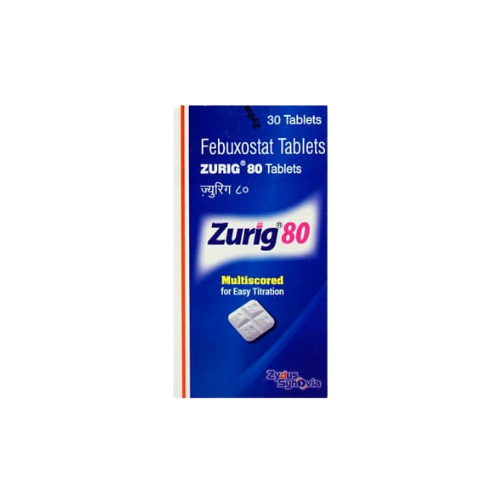
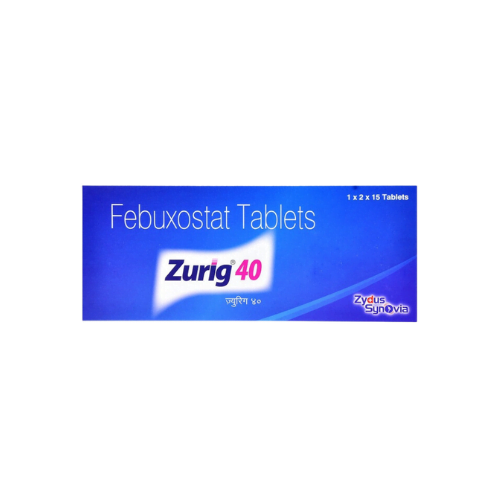
Zurig
Buy Zurig Online
Secure Encrypted Payments
Zurig is a febuxostat tablet used for long-term uric acid control in adults with gout. It can be ordered online with US delivery from Canada, and you can choose the strength shown during ordering to match your clinician’s directions. Febuxostat helps lower serum urate over time, but it is not a fast pain reliever for an active gout attack.
Many people look at Zurig 40 mg tablets, Zurig 80 mg tablets, and febuxostat tablets cash price when comparing urate-lowering therapy. The most important purchase decisions are the active ingredient, tablet strength, quantity, current price, and whether the medicine fits your health history and current medications.
Zurig Price, Strengths, and Ordering Details
Current Zurig Canadian pricing is displayed during ordering, so you can see the cost for the strength and quantity available at that time. If you are paying without insurance, compare the total tablet quantity and strength rather than looking only at the per-package amount. This helps you understand the practical monthly cost of long-term urate-lowering therapy.
Zurig is commonly associated with febuxostat 40 mg and 80 mg tablet strengths. Choose the dose or strength available for the product only if it matches the directions you were given. Do not split, double, or substitute strengths unless a clinician has told you how to do so safely.
Orders are supplied through licensed pharmacies, and order details may be reviewed before release. If you are comparing Zurig 40 mg price with Zurig 80 mg price, remember that strength is a clinical decision first and a cost decision second. The right choice depends on uric acid targets, tolerability, other medicines, and monitoring plans.
What Zurig Tablets Are Used For
Zurig contains febuxostat, a xanthine oxidase inhibitor. Xanthine oxidase is an enzyme involved in uric acid production. By blocking this enzyme, febuxostat can reduce the amount of uric acid circulating in the blood.
Lower uric acid levels may help reduce the formation of urate crystals that trigger gout flares. Over time, sustained urate lowering can support fewer attacks for some patients. The benefit depends on consistent use, blood-test follow-up, and a clear uric acid goal.
Zurig febuxostat is used for chronic management of hyperuricemia in adults with gout. Hyperuricemia means uric acid is higher than desired. It is not intended for people who have high uric acid but no gout symptoms unless a clinician has a specific reason to treat.
For broader condition context, the gout condition information explains why uric acid crystals cause painful joint inflammation and why long-term control differs from flare treatment.
How Febuxostat Works Over Time
Febuxostat does not dissolve crystals instantly. Serum urate may decline within weeks, but gout flares can still happen early in treatment. This early flare pattern can occur because changing uric acid levels may disturb existing deposits.
Some clinicians use temporary flare-prevention medicine when starting urate-lowering therapy. Common options may include colchicine or a nonsteroidal anti-inflammatory drug when appropriate. The choice depends on kidney function, stomach bleeding risk, heart history, other medicines, and previous reactions.
Why it matters: Continuing urate-lowering therapy consistently is often part of long-term gout control, even if early flares are frustrating.
Zurig should not be used as the only medicine to relieve sudden severe joint pain from an acute gout attack. Flare care usually needs a separate plan. Ask what to do if pain, redness, swelling, or fever appears while you are taking febuxostat.
When to Take Zurig
Zurig is generally taken once daily, with or without food. Taking it at the same time each day can make the routine easier to remember. Morning or evening may both be reasonable if it fits the schedule you were given.
If stomach upset occurs, taking the tablet with food may help some people tolerate it. Do not change the amount taken because a flare occurs. Sudden stops and restarts can make uric acid control harder to maintain.
If you miss a dose, take it when remembered on the same day. If it is close to the next scheduled dose, skip the missed dose and return to the usual schedule. Do not take two doses at once to make up for a missed tablet.
Quick tip: Pair the tablet with a daily habit, such as brushing your teeth, to reduce missed doses.
Safety, Side Effects, and Monitoring
Commonly reported side effects with febuxostat can include gout flares, nausea, joint pain, rash, and liver enzyme changes. Some people also report headache, diarrhea, swelling, or dizziness. Side effects can vary by individual, dose, other health conditions, and interacting medicines.
Serious risks need prompt attention. Seek urgent care for chest pain, shortness of breath, sudden weakness on one side, trouble speaking, facial drooping, or a widespread blistering rash. Severe allergic reactions, including swelling of the face or throat, can be medical emergencies.
Febuxostat labeling has included important cardiovascular safety warnings. People with a history of heart attack, stroke, unstable angina, or other major cardiovascular disease should discuss the risk-benefit balance carefully. Another urate-lowering option may be preferred for some people.
Liver monitoring is often part of febuxostat treatment. Your clinician may order liver function tests before and during therapy, along with uric acid testing to assess response. Report yellowing of the skin or eyes, dark urine, severe fatigue, or persistent upper abdominal pain.
Rash deserves caution because rare severe skin reactions can occur. Stop-and-start decisions should not be made without medical input, but a spreading rash, skin peeling, mouth sores, or fever with rash should be treated as urgent.
Drug Interactions and Who Should Use Extra Caution
Febuxostat should not be combined with azathioprine or mercaptopurine because it can raise exposure to these medicines and cause dangerous toxicity. These medicines may be used in transplant care, inflammatory bowel disease, autoimmune conditions, or some cancer regimens. Always keep an updated medication list.
Theophylline may also require caution and monitoring. Warfarin interaction concerns are generally less prominent, but INR monitoring is often sensible whenever long-term medicines change. Diuretics, low-dose aspirin, alcohol intake, dehydration, and dietary patterns can also influence gout control.
People with significant liver disease, major cardiovascular history, severe kidney concerns, or complex medication regimens should have a careful suitability discussion. Febuxostat was not studied in every high-risk group, so monitoring plans may differ.
Tell your healthcare professional about all prescription medicines, over-the-counter products, supplements, and recent medicine changes. This is especially important if you take immune-suppressing drugs, blood thinners, heart medicines, or treatments for chronic inflammatory disease.
Storage, Handling, and Travel
Store Zurig tablets at room temperature in a dry place, away from direct light. Keep tablets in the original container with the label intact so the medicine, strength, and directions remain clear. Avoid bathrooms, car glove compartments, and other places with high heat or moisture.
Keep all medicines out of reach of children and pets. Do not use tablets that appear damaged, wet, or significantly changed in appearance. If you have concerns about a tablet’s condition, ask a pharmacist before taking it.
When traveling, carry the medicine in hand luggage along with the labeled container. Pack enough for the trip and allow for delays. Border or security staff may ask to see labeled medication, so keeping tablets in their original container can prevent avoidable problems.
Orders may use prompt, express shipping when available. Plan refills early because gout control depends on steady use and because running out can interrupt urate-lowering progress.
What Results to Expect With Long-Term Use
The goal of febuxostat therapy is a sustained reduction in serum urate, not immediate pain relief. Blood tests are the clearest way to know whether the uric acid level is moving toward target. Symptoms alone can be misleading during the early months.
Some people experience more flares soon after starting therapy, even though uric acid is improving. This can feel discouraging, but it is a recognized pattern with urate-lowering treatment. A flare-prevention plan can help you manage that transition safely.
As urate levels remain controlled, gout attacks may become less frequent. Tophi, which are deposits of urate crystals under the skin, may also improve over longer periods in some people. Results depend on adherence, baseline urate level, kidney function, diet, alcohol intake, weight changes, and other medical factors.
Regular follow-up helps determine whether the current strength is enough or whether another approach is needed. Do not judge treatment success from one flare alone. Use uric acid results, flare frequency, side effects, and daily function together.
Zurig Compared With Other Gout Medicines
Zurig and generic febuxostat share the same active ingredient when the product is febuxostat-based. Brand names, packaging, available strengths, and country-specific labeling can differ. Always match the active ingredient and strength with the directions you were given.
Allopurinol is another xanthine oxidase inhibitor and is commonly used as a first-line urate-lowering medicine. Febuxostat may be considered when allopurinol is not tolerated or does not achieve treatment goals, but cardiovascular history can influence that decision.
Medicines used for acute flares are different from urate-lowering tablets. Colchicine, NSAIDs, or corticosteroids may be used for flare treatment or prevention in certain situations. They do not replace the long-term uric acid control role of febuxostat.
If you want to browse adjacent store categories, the other medication category can help you see nearby catalog items. Use any comparison to support a clinician discussion, not to self-switch therapy.
Questions to Ask Before Ordering
- What uric acid target should I aim for?
- Should I use flare-prevention medicine when starting or changing therapy?
- How often should uric acid and liver tests be repeated?
- Does my cardiovascular history affect whether febuxostat is appropriate?
- Do any of my medicines interact with febuxostat?
- Which strength should I use, and when should it be reassessed?
- What should I do if a gout flare occurs after starting treatment?
These questions help connect the purchase decision with safe long-term use. They also clarify whether Zurig 40 mg tablets, Zurig 80 mg tablets, or another urate-lowering choice best fits your treatment plan.
Authoritative Sources
Health Canada product record for febuxostat
This content is for informational purposes only and is not a substitute for professional medical advice.
Express Shipping - from $29.99
Shipping with this method takes 3-5 days
Prices:
- Dry-Packed Products $29.99
- Cold-Packed Products $39.99
Shipping Countries:
- United States (all contiguous states**)
- Worldwide (excludes some countries***)
Standard Shipping - $19.99
Shipping with this method takes 5-10 days
Prices:
- Dry-Packed Products $19.99
- Not available for Cold-Packed products
Shipping Countries:
- United States (all contiguous states**)
- Worldwide (excludes some countries***)
What is Zurig used for?
Zurig contains febuxostat and is used for long-term management of high uric acid in adults with gout. It helps lower uric acid production but is not intended to provide immediate pain relief during an acute gout flare.
What is Zurig 80 mg used for?
Zurig 80 mg is a higher-strength febuxostat tablet used when that strength matches a clinician-directed uric acid control plan. The right strength depends on serum urate goals, response, tolerability, and safety considerations.
When is the best time to take Zurig 40 mg?
Zurig is generally taken once daily, with or without food. The best time is usually the time you can take it consistently each day, unless your clinician gave different directions.
What side effects can Zurig cause?
Common side effects can include gout flares, nausea, joint pain, rash, and liver enzyme changes. Serious symptoms such as chest pain, stroke-like symptoms, severe allergic reaction, or widespread rash need urgent medical attention.
Can Zurig be taken with azathioprine or mercaptopurine?
No. Febuxostat should not be used with azathioprine or mercaptopurine because it can increase exposure to these medicines and cause serious toxicity. Share a full medication list before using febuxostat.
What is the price of Zurig?
Zurig price depends on the tablet strength, quantity, and current pharmacy supply. During ordering, review the displayed cost for the available strength and quantity so you can estimate your ongoing cash-pay expense.
Rewards Program
Earn points on birthdays, product orders, reviews, friend referrals, and more! Enjoy your medication at unparalleled discounts while reaping rewards for every step you take with us.
You can read more about rewards here.
POINT VALUE
How to earn points
- 1Create an account and start earning.
- 2Earn points every time you shop or perform certain actions.
- 3Redeem points for exclusive discounts.
You Might Also Like
Select options
This product has multiple variants. The options may be chosen on the product page
Select options
This product has multiple variants. The options may be chosen on the product page
Select options
This product has multiple variants. The options may be chosen on the product page
Select options
This product has multiple variants. The options may be chosen on the product page