
Please note: a valid prescription is required for all prescription medication.
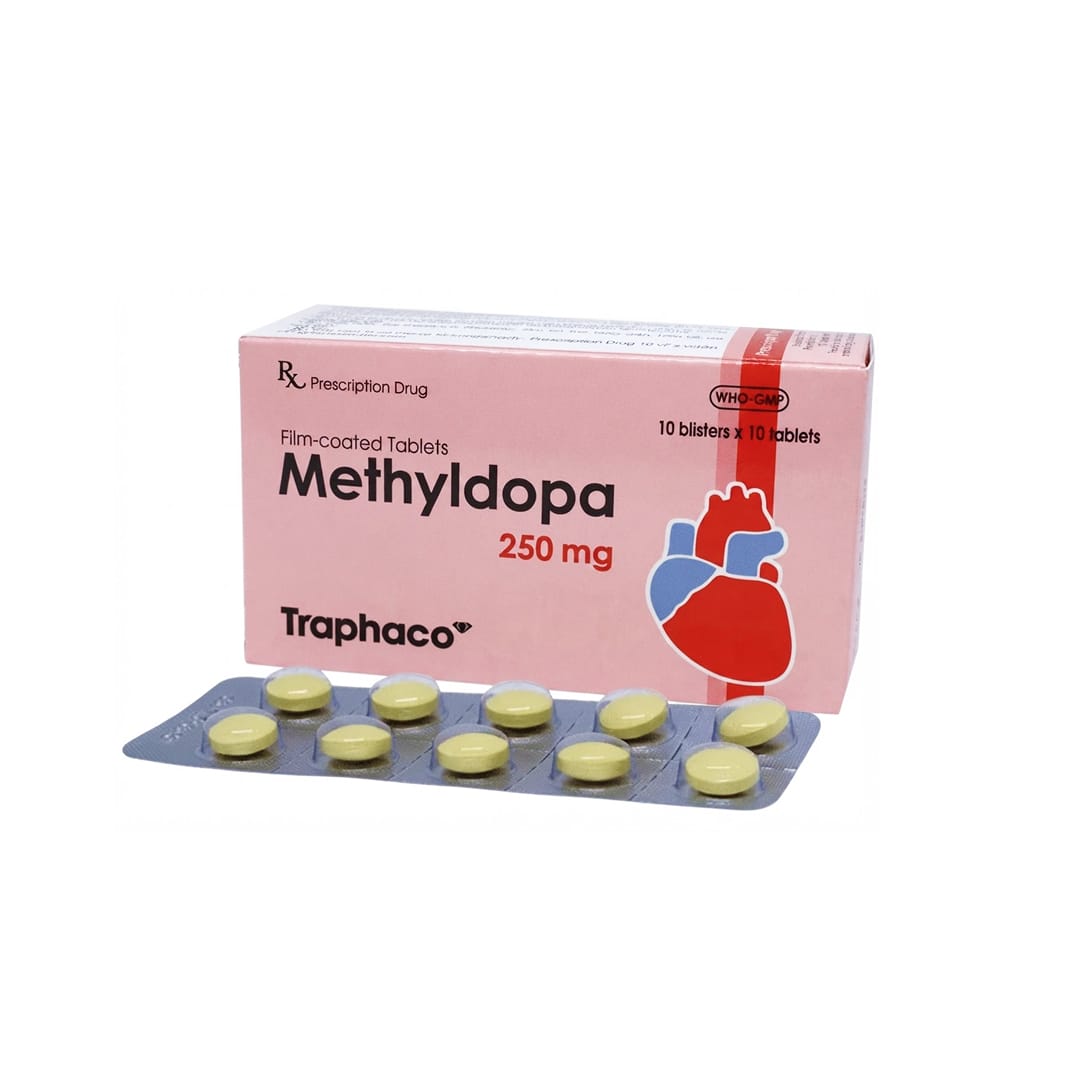
Methyldopa
Buy Methyldopa Tablets Online
Secure Encrypted Payments
Methyldopa is an oral antihypertensive medicine used to treat high blood pressure. You can buy Methyldopa online, view current pricing, and choose the tablet strength shown during ordering to match the directions from your healthcare professional. BorderFreeHealth provides US delivery from Canada for customers managing ongoing blood pressure treatment.
Methyldopa Price, Tablet Strengths, and Ordering
Methyldopa price can vary by tablet strength, quantity, manufacturer, and the current pharmacy supply. The ordering flow shows the current cost before checkout, so you can confirm the Methyldopa tablets that match your treatment plan and budget. If you are paying without insurance, reviewing the total quantity and strength can help you understand the cash-pay cost more clearly.
Common tablet strengths include 125 mg, 250 mg, and 500 mg. A Methyldopa 250 mg tablet is often used when a lower individual tablet strength is needed, while a Methyldopa 500 mg tablet may be chosen when a higher tablet strength fits the daily plan. Do not switch between strengths or change the number of tablets unless your healthcare professional tells you to do so.
Packaging, color, scoring, and imprint can differ by manufacturer. The active ingredient remains methyldopa when the medicine is dispensed as a generic. If you have trouble swallowing tablets, notice a different imprint, or need a specific strength for your routine, ask a pharmacist or healthcare professional before making any changes.
Quick tip: Keep your blood pressure log nearby when discussing refills, tablet strength, or dose timing with your healthcare professional.
What Methyldopa Treats
Methyldopa is used for hypertension, the medical term for high blood pressure. Lowering blood pressure helps reduce strain on the heart, blood vessels, kidneys, and brain over time. Treatment usually works best when medicine is combined with everyday habits such as lower sodium intake, regular activity, weight management when appropriate, and follow-up care.
For broader condition education, see our hypertension condition information. Methyldopa may be used alone or with other blood pressure medicines when a healthcare professional decides a combination plan is appropriate. It is not a rescue treatment for sudden symptoms, chest pain, stroke symptoms, or a hypertensive emergency.
Some people may recognize the older brand name Aldomet. Methyldopa is the active ingredient associated with Aldomet tablets, although generic products are commonly used. Brand and generic naming can differ by market, so the practical point is to follow the active ingredient, tablet strength, and directions provided with your medicine.
Drug Class and How It Works
Methyldopa belongs to a class called centrally acting antihypertensives. More specifically, it acts through alpha-2 adrenergic pathways in the central nervous system. In plain language, it helps reduce nerve signals that can tighten blood vessels, allowing blood to flow with less resistance.
People sometimes ask whether methyldopa is an alpha-2 blocker. It is better described as a central alpha-2 agonist, not a blocker. An agonist activates a receptor response, while a blocker prevents one. This distinction matters because methyldopa lowers sympathetic nerve activity from the brain rather than directly blocking alpha receptors in blood vessels.
This mechanism can make methyldopa useful in selected treatment plans, but it can also cause drowsiness, dizziness, and fatigue. Those effects relate to its central nervous system action. Your healthcare professional may consider your work schedule, driving needs, other medicines, and blood pressure readings when deciding whether this class fits you.
Who May Be Given Methyldopa
Methyldopa is intended for people who need medication therapy for high blood pressure. It may be considered when another blood pressure class is not suitable, when prior therapy has not been tolerated, or when a healthcare professional wants a centrally acting option. In some pregnancy-related blood pressure situations, methyldopa has been used when the expected benefit is judged to outweigh risk.
It is not right for everyone. People with active liver disease, a history of liver problems caused by methyldopa, or hemolytic anemia need careful medical evaluation. A prior positive Coombs test related to methyldopa use is also important to report. Depression, kidney impairment, and heavy alcohol use may affect whether this medicine is appropriate.
Because blood pressure treatment often changes over time, bring a complete list of medicines and supplements to each appointment. Include non-prescription products, iron supplements, sleep aids, alcohol use, and any previous reaction to blood pressure medicine. These details help reduce avoidable side effects and interactions.
Dosage and Daily Use Basics
Take Methyldopa exactly as directed on your medicine label. It is commonly taken in divided doses by mouth, often two or three times daily, but your exact schedule depends on your individual plan. Try to take each dose at consistent times, because routine timing supports steadier blood pressure control.
Tablets should be swallowed with water. Food does not meaningfully change the effect for many people, but taking it the same way each day can make your routine easier to remember. If your plan includes other antihypertensives, your healthcare professional will explain whether they should be taken together or separated.
Iron products can reduce methyldopa absorption when taken at the same time. If you use iron tablets, multivitamins with iron, or prenatal vitamins, ask how far apart to space them. Do not stop iron or blood pressure medicine on your own; spacing instructions can usually solve the interaction concern.
If you miss a dose, take it when you remember unless it is close to the next scheduled dose. Skip the missed dose if the next dose is due soon. Do not double the dose. If missed doses happen often, reminders, labeled organizers, or a simplified schedule discussion may help.
What to Expect During Treatment
Blood pressure may improve after the medicine is established in your routine, but readings can fluctuate with stress, salt intake, pain, caffeine, missed doses, and measurement technique. Home monitoring can help your healthcare professional see whether the plan is working beyond office readings. Use a validated cuff, sit quietly before measuring, and record the date and time.
Drowsiness is one of the most common effects people notice, especially early in treatment or after a dose change. Some people find it less noticeable after the body adjusts. Until you know how Methyldopa affects you, use caution with driving, machinery, ladders, or tasks requiring alertness.
Methyldopa is used less often today than some newer first-line blood pressure medicines because other classes may be easier to dose, cause less sedation, or have broader outcome data in certain groups. That does not mean methyldopa has no role. It remains a recognized antihypertensive that may fit selected situations when a healthcare professional chooses it for specific reasons.
Storage, Travel, and Refills
Store Methyldopa tablets at room temperature in a dry place away from excess heat, moisture, and direct light. Keep the container closed and out of reach of children and pets. Bathrooms, hot cars, and windowsills are poor storage locations because heat and humidity can damage tablets.
When traveling, keep tablets in the original labeled container and pack them in carry-on luggage. Bring enough supply for the trip plus a small buffer in case plans change. If you cross time zones, ask how to keep dose intervals consistent without accidentally taking doses too close together.
Ships from Canada to US may apply as the service context for this medicine. Plan refills before your bottle runs low so your blood pressure routine is not interrupted. If the appearance of your tablets changes between refills, confirm the active ingredient and strength before taking them.
Side Effects, Warnings, and Monitoring
Common side effects include drowsiness, dizziness, lightheadedness, dry mouth, headache, fatigue, nausea, constipation, nasal congestion, and mild swelling. These effects can be more noticeable when starting therapy, after dose changes, or when Methyldopa is combined with other medicines that lower blood pressure.
Serious reactions are less common but need prompt attention. Contact a healthcare professional urgently for yellow skin or eyes, dark urine, severe fatigue, persistent fever, unusual bruising, unexplained weakness, shortness of breath, or symptoms that suggest anemia. Methyldopa has been associated with liver injury and hemolytic anemia in some patients.
Monitoring may include blood pressure checks, symptom review, liver function tests, and sometimes blood tests such as a Coombs test. Keep follow-up appointments even if you feel well, because hypertension often has no symptoms. A normal-feeling day does not always mean blood pressure is controlled.
Alcohol, sedatives, sleep medicines, and other central nervous system depressants can increase drowsiness. Other antihypertensives can add to blood pressure lowering and may increase dizziness or fainting risk. Stand up slowly from sitting or lying down, especially when starting treatment.
Why it matters: Reporting dizziness, fainting, jaundice, fever, or unusual tiredness early can help prevent more serious complications.
Interactions and Health Conditions to Discuss
Tell your healthcare professional about every medicine, supplement, and herbal product you take. Iron preparations are a practical interaction because they may reduce absorption of methyldopa. Monoamine oxidase inhibitors, often called MAO inhibitors, are generally not used together with methyldopa because of interaction concerns.
Other blood pressure medicines, diuretics, opioids, sleep medicines, anxiety medicines, muscle relaxants, and alcohol may increase dizziness or sedation. If you take diabetes medicines, dizziness from low blood pressure can sometimes feel similar to low blood sugar symptoms, so monitoring and clear action plans are important.
Liver disease, prior hepatitis, kidney impairment, depression, anemia, and pregnancy planning all deserve direct discussion. Methyldopa may interfere with certain laboratory tests, so tell healthcare workers you use it before testing. Never stop blood pressure medicine suddenly without medical guidance, as untreated hypertension can carry serious risks.
How Methyldopa Compares With Other Blood Pressure Medicines
Many people with hypertension use medicines from classes such as angiotensin receptor blockers, calcium channel blockers, beta blockers, ACE inhibitors, and thiazide diuretics. Methyldopa differs because it acts mainly through the brain’s central blood pressure control pathways. This central action explains both its usefulness and its tendency to cause sleepiness.
Related cardiovascular medicines may be considered when a healthcare professional wants a different mechanism, dosing schedule, or side effect profile. To browse other therapy areas within the same broad category, visit our cardiovascular medicines category. For additional articles on heart and blood pressure topics, see the cardiovascular education articles.
No blood pressure medicine is best for every person. Age, kidney function, pregnancy status, other conditions, side effects, drug interactions, and home blood pressure patterns all influence choice. If drowsiness, dry mouth, or dizziness becomes hard to manage, ask whether adjusting timing or considering another class would be appropriate.
Questions to Ask Before and During Use
- What blood pressure range should I aim for at home?
- Should I take Methyldopa with food or at a specific time?
- How should I separate iron supplements from this medicine?
- Which side effects should prompt same-day medical attention?
- Will I need liver tests or blood tests during treatment?
- Could this medicine affect driving, shift work, or operating equipment?
- How should this fit with my other blood pressure medicines?
- What should I do if pregnancy is planned or possible?
Authoritative Sources
Official Aldomet prescribing information
MedlinePlus methyldopa drug information
This content is for informational purposes only and is not a substitute for professional medical advice.
Blood Pressure Average Calculator
Average home blood pressure readings and show a simple screening range.
Average BP
-
entered readings only
Range
-
screening category
These calculations are for education only and do not replace clinical advice, diagnosis, or treatment. Always confirm medical decisions with a qualified healthcare professional.
Mean Arterial Pressure Calculator
Calculate estimated mean arterial pressure from systolic and diastolic blood pressure.
MAP
-
DBP + one-third pulse pressure
These calculations are for education only and do not replace clinical advice, diagnosis, or treatment. Always confirm medical decisions with a qualified healthcare professional.
Pulse Pressure Calculator
Calculate pulse pressure from systolic and diastolic blood pressure.
Pulse pressure
-
SBP - DBP
These calculations are for education only and do not replace clinical advice, diagnosis, or treatment. Always confirm medical decisions with a qualified healthcare professional.
Pregnancy Due Date Calculator
Estimate due date and gestational age from last menstrual period.
Estimated due date
-
280 days plus cycle adjustment
Gestational age
-
based on today
These calculations are for education only and do not replace clinical advice, diagnosis, or treatment. Always confirm medical decisions with a qualified healthcare professional.
Express Shipping - from $29.99
Shipping with this method takes 3-5 days
Prices:
- Dry-Packed Products $29.99
- Cold-Packed Products $39.99
Shipping Countries:
- United States (all contiguous states**)
- Worldwide (excludes some countries***)
Standard Shipping - $19.99
Shipping with this method takes 5-10 days
Prices:
- Dry-Packed Products $19.99
- Not available for Cold-Packed products
Shipping Countries:
- United States (all contiguous states**)
- Worldwide (excludes some countries***)
What class of drug is Methyldopa?
Methyldopa is a centrally acting antihypertensive. It works through alpha-2 adrenergic pathways in the brain to reduce nerve signals that tighten blood vessels, which can help lower blood pressure.
Is Methyldopa an alpha-2 blocker?
Methyldopa is better described as a central alpha-2 agonist, not an alpha-2 blocker. It activates central alpha-2 pathways that reduce sympathetic nerve activity and lower vascular resistance.
What is the most common side effect of Methyldopa?
Drowsiness or sedation is one of the most commonly reported effects. Dizziness, lightheadedness, dry mouth, fatigue, headache, nausea, and constipation can also occur.
Why is Methyldopa used less often today?
Methyldopa is used less often than many newer blood pressure medicines because other classes may be easier to dose or cause less sedation for some people. It can still be appropriate in selected treatment plans.
Can Methyldopa be used during pregnancy?
Methyldopa has been used in some pregnancy-related hypertension situations, but the decision must be individualized. Discuss pregnancy, pregnancy planning, or breastfeeding with a healthcare professional before using it.
Can iron supplements be taken with Methyldopa?
Iron can reduce methyldopa absorption if taken at the same time. Ask a healthcare professional how far apart to separate iron tablets, prenatal vitamins, or multivitamins containing iron from Methyldopa.
Rewards Program
Earn points on birthdays, product orders, reviews, friend referrals, and more! Enjoy your medication at unparalleled discounts while reaping rewards for every step you take with us.
You can read more about rewards here.
POINT VALUE
How to earn points
- 1Create an account and start earning.
- 2Earn points every time you shop or perform certain actions.
- 3Redeem points for exclusive discounts.
You Might Also Like
Select options
This product has multiple variants. The options may be chosen on the product page
Select options
This product has multiple variants. The options may be chosen on the product page
Select options
This product has multiple variants. The options may be chosen on the product page
Select options
This product has multiple variants. The options may be chosen on the product page