
Please note: a valid prescription is required for all prescription medication.
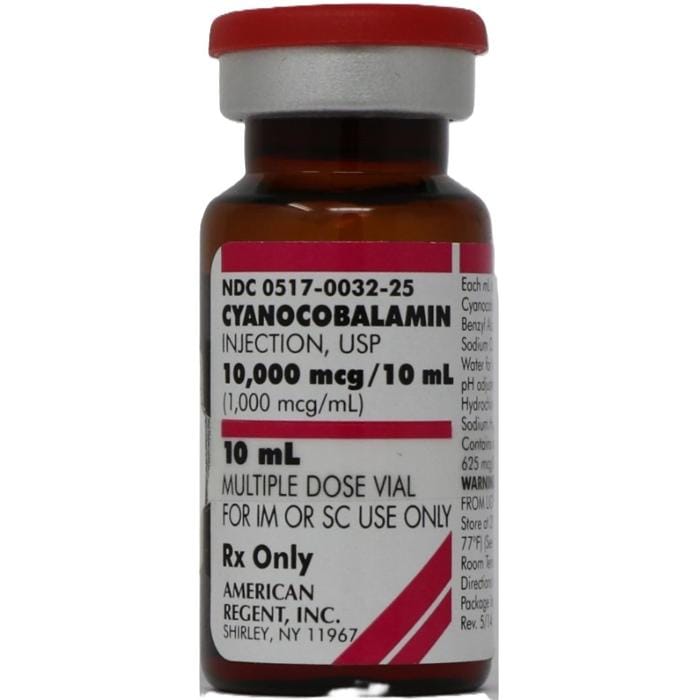
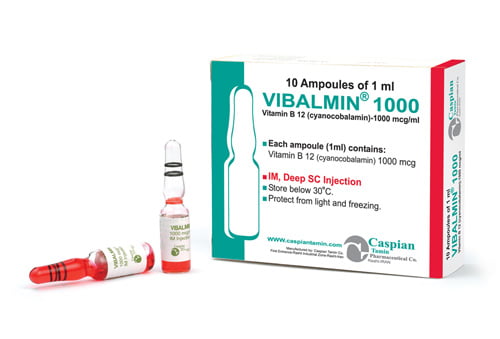
Cyanocobalamin
Buy Cyanocobalamin Online
Secure Encrypted Payments
Cyanocobalamin is a form of vitamin B12 used to treat or help prevent vitamin B12 deficiency. It can be bought online, with the dose or strength chosen during ordering and matched to the directions from your clinician or product label. BorderFreeHealth provides U.S. delivery from Canada for many eligible medication orders, with products supplied through licensed pharmacies.
Vitamin B12 supports red blood cell formation, nerve function, and DNA synthesis. Low levels can cause fatigue, weakness, numbness or tingling, balance concerns, mouth soreness, mood changes, and certain types of anemia. Cyanocobalamin helps replace B12 when intake, absorption, or medical conditions make levels too low.
Price, Strength, and Form Selection
Cyanocobalamin price can vary by form, strength, quantity, and whether the product is handled as a medication or a supplement-style vitamin product. During ordering, choose the displayed dose or strength that matches your clinician’s directions or the label you have been told to use. If your care plan names a specific presentation, match the form carefully before completing the request.
Common cyanocobalamin presentations include tablets, sublingual tablets or lozenges, and injectable solutions. Search terms often reference strengths such as cyanocobalamin 1000 mcg tablet, 500 mcg tablet, 2000 mcg tablet, 250 mcg tablet, and 1000 mcg/mL injection. Exact choices depend on the product shown at checkout, so avoid substituting a different strength or route unless a healthcare professional has told you it is appropriate.
Cash-pay customers can use the current product price to estimate out-of-pocket cost before proceeding. The lowest-cost form is not always the right clinical choice. A person with dietary B12 deficiency may be managed differently from someone with pernicious anemia, bowel disease, or absorption problems after stomach or intestinal surgery.
Quick tip: Keep your recent B12 labs and medication list available when discussing form or strength with your clinician.
How Ordering Works
You can order cyanocobalamin by selecting the available form, strength, and quantity that match your intended use. Some vitamin B12 products are sold as supplements, while some injectable or regulated pharmacy products may have different access requirements. Because requirements can differ by product category and location, follow the instructions shown during ordering and provide any requested information accurately.
Order details may be checked before the product is supplied. This helps make sure the selected medicine, strength, and directions are consistent with safe use. If you are replacing a previous product, compare the active ingredient, route, concentration, and units rather than relying only on the front label name.
Cyanocobalamin from Canada may be useful for people managing ongoing B12 replacement and paying cash. Shipping and handling details depend on the product category, packaging, and pharmacy requirements. When available, prompt, express shipping may support continuity of care, but you should plan refills before you run out.
What Cyanocobalamin Treats
Cyanocobalamin treats or prevents vitamin B12 deficiency. B12 deficiency may come from low intake, limited absorption, pernicious anemia, certain gastrointestinal conditions, or medicines associated with reduced B12 levels. Replacement may also be used as part of care for megaloblastic anemia, a type of anemia where red blood cells become unusually large because DNA production is impaired.
For condition-specific context, BorderFreeHealth has information on Vitamin B12 Deficiency, Pernicious Anemia, and Megaloblastic Anemia. These conditions can overlap, but the reason B12 is low often determines how long treatment continues and which form is preferred.
Cyanocobalamin is generally considered beneficial when it is used to correct a true deficiency or prevent deficiency in people at risk. It is not an energy stimulant for people with normal B12 levels. If fatigue is the main symptom, testing and clinical evaluation matter because anemia, thyroid disease, sleep problems, depression, iron deficiency, and other conditions can feel similar.
How Vitamin B12 Works in the Body
Cyanocobalamin is a synthetic form of vitamin B12. After absorption, the body converts it into active cobalamin forms used by cells. These active forms help maintain the myelin sheath, the protective covering around nerves, and support normal red blood cell maturation.
Vitamin B12 and cyanocobalamin are related but not identical terms. Vitamin B12 is the nutrient category; cyanocobalamin is one specific form of that vitamin. Other B12 forms, such as methylcobalamin or hydroxocobalamin, may also be used depending on product availability, clinician preference, and the clinical situation.
B12 deficiency symptoms can improve with treatment, but response depends on severity, duration, and cause. Blood counts may improve before nerve symptoms fully settle. Long-standing neurologic symptoms may need closer follow-up, and some symptoms may not resolve completely if deficiency has been present for a long time.
Tablets, Sublingual Products, and Injections
Oral cyanocobalamin tablets are often chosen for convenience, especially when absorption is adequate or maintenance therapy is the goal. Tablets are usually swallowed with water and may be taken with or without food unless the package label says otherwise. Consistency is important because missed doses can matter when replacement is being used for a confirmed deficiency.
Sublingual cyanocobalamin is designed to dissolve under the tongue. People who dislike swallowing tablets may prefer this form. Technique matters: swallowing the product immediately may not match how the manufacturer intended it to be used. Follow the label directions for how long to let it dissolve.
Injectable cyanocobalamin may be used when absorption is impaired, symptoms are significant, or a clinician wants a more predictable way to deliver B12. Injections may be administered by a healthcare professional or by trained patients when appropriate. If injection supplies are part of your care routine, the General Care Supplies category can help with browsing related non-medication items.
How to Use It Safely
Use cyanocobalamin exactly as directed on your label or by your clinician. Dosing can differ widely depending on whether the product is oral, sublingual, or injectable; whether treatment is for prevention or correction; and whether the deficiency cause is temporary or ongoing. Some regimens use a loading phase followed by maintenance, while others use steady daily dosing.
Do not switch from an injection to a tablet, or from one strength to another, without clinical guidance if you are being treated for a diagnosed deficiency. A change that seems small on the label can affect the amount of B12 you receive. Concentrated liquid products also require careful measurement.
People often ask what to avoid while taking cyanocobalamin. There is no single food that everyone must avoid, but alcohol misuse, inconsistent dosing, and unreviewed medication changes can interfere with a clear treatment plan. Tell your clinician about acid-reducing medicines, metformin, antibiotics, planned anesthesia, supplements, and any new neurologic symptoms.
Side Effects, Warnings, and Monitoring
Most people tolerate vitamin B12 replacement well. Possible side effects with oral products include mild stomach upset, nausea, diarrhea, headache, itching, or rash. Injectable products can cause pain, redness, or swelling at the injection site. Report side effects that are persistent, worsening, or unusual for you.
Seek urgent medical care for signs of a serious allergic reaction, such as swelling of the face or throat, trouble breathing, chest tightness, or widespread hives. Cyanocobalamin may not be appropriate for people with a known allergy to cobalamin or cobalt. People with rare inherited eye conditions such as Leber’s hereditary optic neuropathy should use vitamin B12 products only with careful clinical direction because of vision-related risk concerns.
Monitoring may include vitamin B12 levels, complete blood count, methylmalonic acid, homocysteine, potassium, or other labs depending on the reason for therapy. Severe anemia can require closer follow-up early in treatment. Contact a healthcare professional promptly for shortness of breath, chest discomfort, new weakness, worsening numbness, trouble walking, confusion, or sudden vision changes.
Why it matters: Correcting B12 deficiency protects blood and nerve health, but monitoring helps confirm the replacement plan is working.
Drug Interactions and Clinical Cautions
Several medicines and exposures can affect B12 status or response. Long-term acid suppression may reduce B12 absorption in some people, and metformin has been associated with lower B12 levels in certain patients. Chloramphenicol may interfere with the blood response to B12 in some situations, so clinicians may follow blood counts more closely when that antibiotic is involved.
Nitrous oxide exposure is especially important to mention before procedures or recreational exposure. Nitrous oxide can inactivate B12 and may worsen neurologic problems in susceptible people. If anesthesia is planned, tell the healthcare team about known B12 deficiency, pernicious anemia, neurologic symptoms, and current replacement therapy.
Food cravings are not a reliable way to diagnose low B12. Some people with deficiency report appetite changes or cravings, but symptoms are nonspecific. Blood testing and clinical assessment are more dependable than using cravings, fatigue, or mood changes alone.
Storage and Travel Basics
Storage directions depend on the exact form and packaging. Many tablets should be kept at room temperature in a dry place, away from heat, humidity, and direct light. Bathrooms and kitchens may expose products to moisture or temperature swings, so a bedroom cabinet or other dry location may be better.
Injectable cyanocobalamin usually has more specific handling needs. Protect sterile vials or ampoules from contamination, follow the label for light and temperature instructions, and do not use a solution that looks cloudy, discolored, or contains particles unless the label clearly says that appearance is expected. Never reuse needles or syringes.
When traveling, keep cyanocobalamin in its original container when possible. Carry medicines in hand luggage instead of checked bags, especially if temperature exposure is a concern. A copy of the pharmacy label, clinician instructions, or travel medication list can help with continuity of care.
Comparing Cyanocobalamin With Other B12 Choices
Cyanocobalamin is one of several vitamin B12 forms. Methylcobalamin is another common form found in some supplements, while hydroxocobalamin may be used in certain clinical settings. The best choice depends on diagnosis, route, tolerance, availability, and how your clinician plans to monitor response.
Oral therapy may work well for many people, including some with low intake or mild deficiency. Injections may be preferred for pernicious anemia, significant neurologic symptoms, or malabsorption. The decision should focus on reliable correction, practical adherence, and follow-up lab results rather than on marketing claims about one form being universally superior.
If your care plan specifically calls for an injectable vitamin B12 product, Vitamin B12 Injection 1000mcg may be relevant to discuss with your clinician. People reviewing country-of-origin preferences can also browse products associated with Canada.
What to Ask Before Starting or Reordering
Before starting cyanocobalamin, ask what caused the low B12 level, what form is preferred, how long treatment should continue, and when labs should be repeated. If symptoms include numbness, tingling, gait changes, memory problems, or vision changes, ask whether closer neurologic follow-up is needed.
For reorders, confirm that the strength, route, and directions match your current care plan. This is especially important if a product label uses micrograms, milligrams, or concentration units such as mcg/mL. Small label differences can be confusing when switching between tablets, sublingual products, and injections.
If you pay out of pocket, compare the total quantity, days supplied, and form rather than judging by package price alone. A higher-strength product may not be a better value if it does not match directions. A lower-priced form may also be inappropriate when absorption is the main clinical problem.
Authoritative Sources
The following sources provide neutral medical background on vitamin B12, cyanocobalamin, deficiency symptoms, and injection use. They can support a more informed conversation with a healthcare professional.
- NIH Office of Dietary Supplements Vitamin B12 fact sheet
- MedlinePlus cyanocobalamin injection drug information
- NCBI Bookshelf clinical review of cyanocobalamin
This content is for informational purposes only and is not a substitute for professional medical advice.
Express Shipping - from $29.99
Shipping with this method takes 3-5 days
Prices:
- Dry-Packed Products $29.99
- Cold-Packed Products $39.99
Shipping Countries:
- United States (all contiguous states**)
- Worldwide (excludes some countries***)
Standard Shipping - $19.99
Shipping with this method takes 5-10 days
Prices:
- Dry-Packed Products $19.99
- Not available for Cold-Packed products
Shipping Countries:
- United States (all contiguous states**)
- Worldwide (excludes some countries***)
Are vitamin B12 and cyanocobalamin the same?
Vitamin B12 is the nutrient category, and cyanocobalamin is one form of vitamin B12. The body converts cyanocobalamin into active B12 forms used for nerve function, red blood cell production, and DNA synthesis.
Is cyanocobalamin good or bad for you?
Cyanocobalamin is generally useful when it is taken to correct or prevent vitamin B12 deficiency. It is not meant to replace evaluation for unexplained fatigue or neurologic symptoms, and people with allergies to cobalamin or cobalt need medical guidance.
What should I avoid when taking cyanocobalamin?
There is no single food everyone must avoid. Tell your clinician about metformin, long-term acid reducers, chloramphenicol, planned nitrous oxide anesthesia, alcohol misuse, and other supplements or medicines so your B12 plan can be monitored appropriately.
What are common cyanocobalamin side effects?
Oral products may cause mild stomach upset, nausea, diarrhea, headache, itching, or rash. Injections may cause pain, redness, or swelling at the injection site. Seek urgent care for trouble breathing, facial or throat swelling, or widespread hives.
How do I choose between cyanocobalamin tablets and injections?
Choice depends on the cause and severity of deficiency, absorption, symptoms, and follow-up plan. Tablets may suit some maintenance needs, while injections may be used when absorption is impaired or predictable delivery is preferred.
What cravings happen when B12 is low?
Cravings are not a reliable sign of low B12. Deficiency more commonly raises concern when fatigue, weakness, numbness, tingling, balance issues, mouth soreness, or anemia appear, and diagnosis should be based on clinical assessment and labs.
Rewards Program
Earn points on birthdays, product orders, reviews, friend referrals, and more! Enjoy your medication at unparalleled discounts while reaping rewards for every step you take with us.
You can read more about rewards here.
POINT VALUE
How to earn points
- 1Create an account and start earning.
- 2Earn points every time you shop or perform certain actions.
- 3Redeem points for exclusive discounts.
You Might Also Like
Select options
This product has multiple variants. The options may be chosen on the product page
Select options
This product has multiple variants. The options may be chosen on the product page
Select options
This product has multiple variants. The options may be chosen on the product page
Select options
This product has multiple variants. The options may be chosen on the product page