
Shipping with this method takes 3-5 days
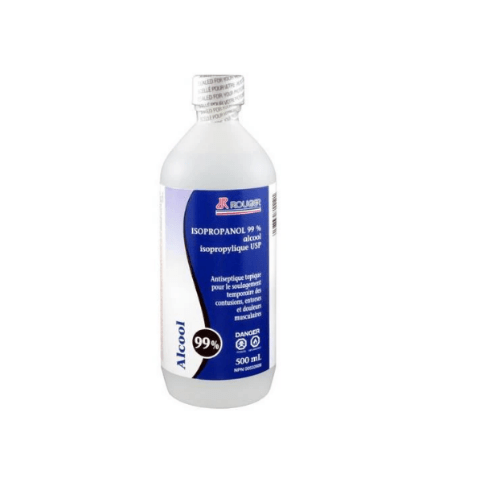
Isopropyl
Buy Isopropyl Alcohol Online
Secure Encrypted Payments
Isopropyl alcohol is a clear, fast-evaporating alcohol solution used for labeled antiseptic, disinfectant, or solvent purposes. It can be bought online with the concentration and quantity shown during ordering, so you can match the bottle or format to the job described on the label. Common choices include isopropyl alcohol 70% and isopropyl alcohol 99%, but the right choice depends on the intended use, surface, skin area, and safety directions.
Isopropyl, also called isopropanol, is widely used in first-aid kits, clinics, workplaces, and household cleaning areas. Rubbing alcohol is often an isopropyl alcohol solution diluted with water, but that name can cover different formulations. Read the active ingredient, concentration, and directions before using it on skin, equipment, or hard surfaces.
Isopropyl Alcohol Price and Concentration Choices
Isopropyl alcohol price should be read together with concentration, total volume, and quantity. A smaller bottle of 99% isopropyl alcohol may not compare directly with a larger bottle of 70 isopropyl rubbing alcohol, even if the product name looks similar. The most practical comparison is the total amount of usable solution, the labeled strength, and the format you will actually use.
Choose isopropyl alcohol 70%, isopropyl alcohol 99%, or another labeled concentration based on the product directions. A higher percentage does not automatically mean better performance for every purpose. Water content changes evaporation time, wet contact time, and how the solution behaves on skin or surfaces.
Cash-pay shoppers can view the current total during checkout and consider similar everyday care items in the General Care Supplies category. This helps keep first-aid and cleaning supplies separate from unrelated medicines while you plan a home, clinic, or workplace stock area.
| Attribute | What to look for | Why it matters |
|---|---|---|
| Concentration | 70%, 99%, or another labeled strength | Strength affects evaporation, contact time, and appropriate use. |
| Format | Bottle, spray, wipes, or another format if offered | Handling and spill risk differ by format. |
| Total volume | Container size, pack count, or total contents | Total contents affect the real cost comparison. |
| Use wording | Antiseptic, disinfectant, or solvent directions | These terms are not interchangeable for safe use. |
Quick tip: Pick the concentration and intended use first, then compare the total price.
How to Order Isopropyl Alcohol Online
To order isopropyl alcohol online, choose the labeled concentration, format, and quantity that match your intended use. Keep the product name and strength consistent from cart to checkout, because isopropyl alcohol solution, isopropanol alcohol, rubbing alcohol, and isopropyl rubbing alcohol may appear in similar product descriptions.
BorderFreeHealth provides a cash-pay ordering path for customers comparing general care supplies. US delivery from Canada may be available according to the order and handling information shown during checkout. Review the product label after arrival before use, especially if the container, cap, or outer packaging appears damaged.
When you buy isopropyl alcohol online US, do not rely only on the headline concentration. Look at whether the product is labeled for skin antiseptic use, hard-surface disinfecting, or solvent cleaning. Some bottles are appropriate for small external skin areas, while others are intended for surfaces or materials only.
What Is Isopropyl Used For?
Isopropyl alcohol is used as an antiseptic, disinfectant, and solvent when the label supports that use. In first-aid settings, some products help reduce bacteria on small skin areas before applying a bandage or performing simple care steps. For simple skin-supply browsing, the Minor Cuts and Scrapes category can help you consider related items such as dressings and basic wound-care supplies.
For surfaces, isopropyl alcohol may be used to reduce certain germs on hard, non-porous materials, but directions matter. Disinfection depends on wet contact time, soil on the surface, concentration, and the organisms present. Alcohol products are not reliable sterilants and may not kill all spores or all non-enveloped viruses under ordinary use conditions.
As a solvent, isopropyl alcohol can dissolve oils, residues, and some adhesives. It evaporates quickly, which can be useful for cleaning tasks but also increases vapor exposure and fire risk. Do not assume it is safe for electronics, screens, plastics, painted surfaces, fabrics, medical devices, or specialty coatings unless both the alcohol label and the item manufacturer allow that use.
Why it matters: The same bottle can be useful or unsafe depending on the surface, skin area, and directions.
Rubbing Alcohol, Isopropanol, and Chemical Identity
Isopropyl alcohol and isopropanol refer to the same chemical, also known as propan-2-ol. Its molecular formula is C3H8O. People may also use the term IPA, but labels can still differ by concentration, grade, water content, fragrance, additives, and intended use.
Rubbing alcohol is commonly an isopropyl alcohol solution diluted with water, often around 70%, although the wording can vary by market and product. A rubbing alcohol label may be designed for external skin use, while a 99 isopropyl alcohol product may be sold for solvent or cleaning tasks. Do not treat the names as automatic substitutes.
The difference between 70% and 99% isopropyl alcohol is not only strength. A 70% solution contains more water, which can slow evaporation and support the wet contact time needed for some labeled antiseptic or disinfectant uses. A 99% solution contains very little water and evaporates faster, which can be useful for certain cleaning or solvent applications when the label allows it.
For chemistry context, the Isopropyl Alcohol Structure article explains the structure and naming of isopropanol. That background can help you distinguish isopropanol from other alcohols used in healthcare, cleaning, and laboratory settings.
Antiseptic, Disinfectant, or Solvent Labeling
An isopropyl alcohol antiseptic is intended for external skin use described on its label. It may be used on small areas for basic first-aid preparation, but it is not a substitute for proper wound cleaning, sterile dressings, or medical assessment when an injury is serious. Avoid using it in deep wounds, puncture wounds, animal bites, serious burns, or large areas of broken skin unless a clinician gives specific instructions.
An isopropyl alcohol disinfectant is intended for surfaces, not automatically for skin. Follow the labeled contact time and allow surfaces to remain wet for the stated period. Dirt, grease, and organic material can reduce disinfectant performance, so some surfaces may need cleaning before disinfecting.
An isopropyl alcohol solvent is chosen for residue removal, degreasing, or cleaning tasks described by the product. Solvent use often involves larger amounts than first-aid use, so ventilation and fire safety become more important. Gloves may be suitable for repeated cleaning tasks, but the glove material should be compatible with alcohol.
Some germs are harder for alcohol to kill. Alcohols generally work well against many bacteria, fungi, and enveloped viruses, but bacterial spores and some non-enveloped viruses can be more resistant. If a task requires a specific pathogen claim, use a product labeled for that organism and follow the directions exactly.
Safe Use on Skin, Surfaces, and Supplies
For skin use, apply only as directed and stop if burning, rash, dryness, or irritation becomes significant. Isopropyl alcohol can sting on damaged skin and may worsen dryness with repeated exposure. It should not be used to lower fever, added to bathwater, or sprayed on bedding, because those uses can increase irritation, inhalation exposure, poisoning risk, or fire risk.
For minor household injuries, do not make isopropyl alcohol the only care item. Many small cuts and scrapes need gentle cleaning, protection, and observation for signs of infection. If redness spreads, pain increases, drainage appears, or healing stalls, seek professional guidance rather than repeatedly applying rubbing alcohol.
For burns, alcohol can worsen pain and irritation. Cool running water and appropriate dressings may be more relevant for simple minor burns, while larger or severe burns need urgent care. The Minor Burns category can help separate routine supply browsing from situations where a clinician should assess the injury.
For surfaces and equipment, allow the treated area to dry fully before using it near heat, sparks, or electrical sources. Alcohol can damage some plastics, finishes, adhesives, rubber parts, and screens. Test only when the item manufacturer allows alcohol cleaning, and avoid soaking parts that can trap liquid.
Storage, Handling, and Shipping Basics
Isopropyl alcohol is flammable and should be stored tightly closed. Keep it away from heat, sparks, open flames, hot surfaces, pilot lights, and smoking materials. Store it out of reach of children and pets, and never transfer it into an unmarked drink bottle or food container.
Use isopropyl alcohol in a well-ventilated area, especially when cleaning larger surfaces. Vapors can build up in small rooms and may irritate the eyes, nose, throat, or lungs. Close the cap between uses to reduce evaporation, spills, and vapor release.
Shipping and handling may involve carrier rules for flammable liquids, including prompt, express shipping limits or package-handling notices. Inspect the container when it arrives. If it is leaking, swollen, cracked, or missing a readable label, keep it away from ignition sources and follow the seller or carrier instructions for reporting the shipment.
Do not mix isopropyl alcohol with bleach, ammonia, acids, or other cleaning chemicals. Mixing cleaning agents can create irritating or hazardous vapors. Use one product at a time, rinse or dry surfaces when directed, and keep containers closed when they are not in use.
Safety Warnings and When to Get Help
Isopropyl alcohol is for external use unless a professional-use label states otherwise. Swallowing it can cause poisoning, vomiting, slowed breathing, low blood pressure, confusion, loss of consciousness, and other serious effects. Children, older adults, and pets are especially vulnerable to accidental ingestion.
Get prompt medical guidance for swallowed alcohol, significant inhalation exposure, eye exposure, or symptoms such as dizziness, breathing discomfort, severe headache, confusion, or fainting. If it gets in the eyes, rinse carefully with water while seeking appropriate advice. Do not wait for symptoms to become severe after a known ingestion.
People with eczema, very dry skin, chemical sensitivities, or open skin should be cautious with repeated exposure. Covering a wet treated area with airtight material can trap vapors and increase irritation. Let skin and surfaces dry fully before applying bandages, gloves, clothing, or heat.
Workplace or clinic use may require additional safety controls, such as ventilation, compatible gloves, spill procedures, and fire-safe storage. Larger volumes increase risk. Keep safety data sheets and product labels accessible when isopropyl alcohol is used outside routine household first aid.
Related General Care Choices
Isopropyl alcohol can be useful, but it should not replace every item in a first-aid or cleaning kit. Sterile dressings, bandages, saline-type wound rinses, gloves, and appropriate surface products may be better suited for some tasks. Match the product to the skin area, surface, or material instead of forcing one alcohol concentration into every role.
If you are choosing between isopropyl alcohol 70% and isopropyl alcohol 99%, start with the label wording. For a minor first-aid kit, a skin antiseptic label matters more than a high number on the bottle. For solvent cleaning, evaporation rate and material compatibility may be more important than skin-use claims.
For clinics, workplaces, and home supply areas, separate skin antiseptics from surface disinfectants and solvents. Clear separation reduces the chance that a product meant for a bench, tool, or surface is applied to skin. It also helps prevent accidental mixing with other cleaning chemicals.
Authoritative Sources
For chemical identity and formula details, the PubChem compound record lists isopropyl alcohol as propan-2-ol with formula C3H8O. Workplace exposure, vapor, and flammability information is summarized in the CDC NIOSH chemical guide. These references support general safety context; the product label remains the practical source for use directions.
This content is for informational purposes only and is not a substitute for professional medical advice.
Express Shipping - from $29.99
Prices:
- Dry-Packed Products $29.99
- Cold-Packed Products $39.99
Shipping Countries:
- United States (all contiguous states**)
- Worldwide (excludes some countries***)
Standard Shipping - $19.99
Shipping with this method takes 5-10 days
Prices:
- Dry-Packed Products $19.99
- Not available for Cold-Packed products
Shipping Countries:
- United States (all contiguous states**)
- Worldwide (excludes some countries***)
What is isopropyl used for?
Isopropyl alcohol is used as an antiseptic, disinfectant, or solvent when the product label supports that purpose. Some products are intended for small external skin areas, while others are meant for hard surfaces or cleaning tasks.
Is rubbing alcohol the same as isopropyl alcohol?
Rubbing alcohol is often an isopropyl alcohol solution diluted with water, commonly around 70%, but labels can vary. Always check the active ingredient, concentration, and intended-use wording before substituting one product for another.
What is the formula for isopropyl alcohol?
The chemical formula for isopropyl alcohol, also called isopropanol or propan-2-ol, is C3H8O. The formula identifies the chemical, but the product concentration and label directions determine safe use.
What bacteria or germs cannot be killed by alcohol?
Alcohols work against many bacteria, fungi, and enveloped viruses, but they are not reliable sterilants. Bacterial spores and some non-enveloped viruses can be more resistant, so use a product labeled for the organism and task when a specific claim is needed.
Is 70% or 99% isopropyl alcohol better?
Neither concentration is best for every use. A 70% solution contains more water and may support labeled wet contact time, while 99% evaporates faster and is often chosen for certain solvent or cleaning tasks when the label allows it.
How should isopropyl alcohol be stored?
Store isopropyl alcohol tightly closed, away from heat, sparks, open flame, hot surfaces, children, and pets. Keep it in its original labeled container and use it in a well-ventilated area.
Rewards Program
Earn points on birthdays, product orders, reviews, friend referrals, and more! Enjoy your medication at unparalleled discounts while reaping rewards for every step you take with us.
You can read more about rewards here.
POINT VALUE
How to earn points
- 1Create an account and start earning.
- 2Earn points every time you shop or perform certain actions.
- 3Redeem points for exclusive discounts.
You Might Also Like
Select options
This product has multiple variants. The options may be chosen on the product page
Select options
This product has multiple variants. The options may be chosen on the product page
Select options
This product has multiple variants. The options may be chosen on the product page
Select options
This product has multiple variants. The options may be chosen on the product page