
Please note: a valid prescription is required for all prescription medication.
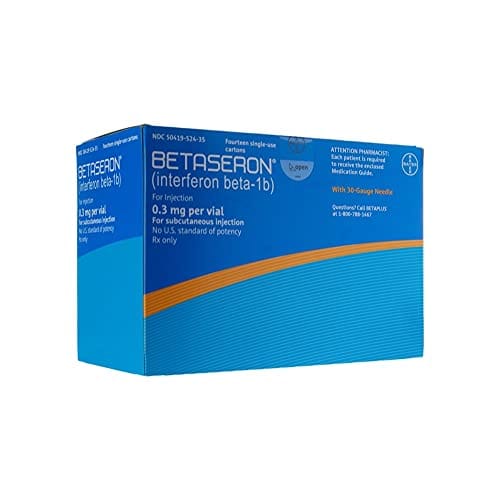
Betaseron
Buy Betaseron Online
Secure Encrypted Payments
Betaseron is an interferon beta-1b injection used in adults with relapsing forms of multiple sclerosis. It can be ordered online, and you can choose the dose or strength shown during ordering and match the kit format to your clinician’s directions. BorderFreeHealth provides U.S.-from-Canada service context for cash-pay customers who need a practical way to plan specialty medication access.
This medicine is supplied as a product that requires preparation before subcutaneous injection, which means injection under the skin. The kit format matters because Betaseron is not the same as a simple tablet refill or a prefilled pen. Matching the medicine name, strength language, quantity, and injection supplies to your clinic instructions helps reduce ordering mistakes.
Keep your neurology team’s written directions nearby when reviewing Betaseron, especially if you are starting therapy, titrating upward, changing refill timing, or replacing supplies. Small differences in vial, diluent, syringe, or kit wording can affect how the medicine fits your injection routine.
Betaseron Price, Cost, and Kit Selection
The current Betaseron price should be read together with the kit description, quantity, and strength information shown during ordering. For this medication, the product name alone is not enough. Betaseron may be described with vial materials, supplied diluent, syringe components, and Betaject Lite syringe kit support, depending on the pack format available.
When estimating Betaseron cost, focus on the full order total and how long the quantity will last under your clinician’s schedule. Injectable MS therapies can involve more supplies than the active medicine vial, so kit contents are part of the practical value. If you use a cash-pay approach or are considering Betaseron without insurance, align refill timing with clinic follow-up, travel plans, and your remaining home supply.
People also search for interferon beta-1b price because Betaseron contains interferon beta-1b. Brand and active-ingredient wording can appear together, but you should not assume two products are interchangeable unless your clinician has specifically allowed that substitution. The safest comparison is the exact medicine name, form, strength, quantity, and kit components.
Quick tip: Keep a photo or written note of your current carton, vial strength language, and injection supplies while reviewing the order.
How to Order Betaseron Online
To buy Betaseron online, choose the product format that matches your treatment plan and review the quantity before checkout. Betaseron is a specialty injectable medication, so order planning should include both the medicine and the supplies needed for preparation, injection, and sharps disposal. If any order details need confirmation, our team may help review the information needed to complete the pharmacy process.
BorderFreeHealth connects U.S. customers with licensed Canadian pharmacy channels for eligible medication orders. Customers often consider Betaseron US delivery from Canada when comparing cash-pay routes for multiple sclerosis therapy. Use US delivery from Canada planning once in your refill calendar, then allow extra time for specialty medication coordination rather than waiting until the last dose is near.
Order Betaseron from Canada only when the product format and quantity match the directions you were given. If your clinic changes your dose schedule, titration plan, or injection supplies, update your next order to match the new instructions. Prompt, express shipping may be used for delivery logistics when available for a completed order.
What Betaseron Treats
Betaseron is used for relapsing forms of multiple sclerosis in adults. Official labeling includes clinically isolated syndrome, relapsing-remitting disease, and active secondary progressive disease. These are MS patterns where relapses, MRI activity, or active inflammatory disease may influence treatment decisions.
The medicine is a disease-modifying therapy. It is intended to reduce relapse activity in appropriate patients, not to give immediate relief during an acute flare. MS treatment decisions depend on relapse history, MRI findings, disability changes, other medical conditions, pregnancy plans, and tolerance for injection-based therapy.
For broader condition browsing, the Multiple Sclerosis section groups related medicines used in MS care. The Neurology category can also help you find products commonly managed by neurology specialists.
Interferon Beta-1b and How the Injection Works
Betaseron contains interferon beta-1b, an immune-modulating protein. Interferons affect immune signaling, and in MS they are used to reduce inflammatory disease activity rather than to treat pain, weakness, or numbness directly. Your clinician may recommend this class when an injectable disease-modifying therapy fits your overall care plan.
The product is given by subcutaneous injection. Labeling describes use every other day, often with gradual titration at the beginning of treatment to improve tolerability. Your clinician’s schedule should guide the exact amount, timing, and ramp-up plan. Do not double doses or change frequency unless a healthcare professional tells you to do so.
Flu-like symptoms are common with interferon medicines, especially early in treatment. Some people are advised by their care team to use symptom-management strategies around injection days, but individualized instructions should come from the clinician who knows your medical history.
Forms, Strengths, and Betaject Lite Syringe Kit Details
Betaseron is commonly described as a lyophilized powder that is mixed before injection. Labeling has described a vial presentation with diluent and injection supplies. Final carton contents can vary by market and distributor, so match the available strength, quantity, and kit wording to the instructions you received.
The Betaseron Betaject Lite syringe kit is intended to support home injections after training. It is different from a prefilled pen because the medicine requires preparation before use. Kit wording may matter for daily handling, how you organize supplies, and whether your home setup matches the technique taught by your clinic.
| Product point | What to match |
|---|---|
| Medicine name | Confirm Betaseron and interferon beta-1b wording fits your clinic directions. |
| Form | Look for vial, powder, diluent, syringe, or kit language. |
| Strength | Match the strength shown during ordering to the written schedule. |
| Supplies | Plan for sterile needles, syringes, swabs, and sharps capacity. |
| Quantity | Align the amount ordered with refill timing and remaining doses. |
Why it matters: A correct kit match helps prevent delays in preparing injections at home.
Administration Basics and Missed-Dose Planning
Betaseron should be prepared and injected only as instructed by a trained healthcare professional and the official patient materials. Typical preparation includes washing your hands, placing supplies on a clean surface, mixing the powder with the supplied diluent, and inspecting the solution before use. Avoid vigorous shaking unless the instructions specifically direct otherwise.
Use a new sterile needle and syringe for each injection. Rotate injection sites such as abdomen, thigh, buttock, or upper arm areas as trained. Avoid injecting into skin that is red, bruised, infected, scarred, unusually painful, or broken. Site rotation helps lower the chance of repeated irritation in one area.
- Set out supplies before mixing the medicine.
- Inspect the vial and solution as directed.
- Record injection date, time, and site.
- Use a rigid sharps container after each injection.
- Ask your clinic what to do after a missed dose.
Labeling commonly advises taking a missed dose when remembered and spacing the next dose appropriately rather than doubling. Because titration schedules can be different, follow the written plan from your care team if your timing is disrupted.
Storage, Handling, and Travel
Store unmixed Betaseron vials in the original carton according to the package instructions. Protect the medicine from light and moisture, and do not freeze it. Once the product is mixed, follow the labeled time limits for use or disposal. Do not keep reconstituted medicine longer than the official instructions allow.
Keep injection materials organized but separated from used sharps. Store the medicine and supplies away from children and pets. A puncture-resistant sharps container is safer than household trash for used needles and syringes. Ask your local waste authority or clinic how to dispose of a full sharps container in your area.
Travel requires more planning than carrying tablets. Keep Betaseron with the pharmacy label, clinic directions, alcohol swabs, sterile supplies, and a travel sharps container. Carry injectable medicines in hand luggage when possible, and consider bringing a brief clinician note if security staff ask about needles or syringes.
Side Effects, Warnings, and Monitoring
Common Betaseron side effects include flu-like symptoms such as fever, chills, muscle aches, fatigue, and headache. Injection site reactions are also common and may include redness, swelling, pain, bruising, itching, or skin color changes. Many people track these effects during the first weeks so their neurology team can judge tolerability.
Serious risks can include depression, suicidal thoughts, liver injury, severe allergic reactions, heart problems in susceptible people, seizure activity, low blood counts, and injection site necrosis. Seek urgent medical help for trouble breathing, swelling of the face or throat, severe rash, chest symptoms, yellowing of the skin or eyes, severe abdominal pain, blackened skin, open sores, or thoughts of self-harm.
Tell your clinician about liver disease, significant depression, seizure disorders, heart disease, alcohol use, pregnancy planning, breastfeeding, and prior severe skin reactions. These factors can affect whether interferon beta-1b remains appropriate. Monitoring often includes liver function tests and complete blood counts, and some people may need thyroid testing or additional follow-up based on symptoms.
- Mood changes: report persistent sadness, anxiety, or suicidal thoughts quickly.
- Liver symptoms: watch for dark urine, jaundice, severe nausea, or unusual fatigue.
- Skin injury: call about worsening pain, open areas, or blackened skin.
- Blood-count concerns: report unusual bruising, bleeding, fever, or sore throat.
- Allergy symptoms: seek urgent care for swelling, wheezing, or severe rash.
Interactions and Health Factors to Discuss
Provide your care team with a complete list of prescription medicines, nonprescription products, supplements, and alcohol use. Extra caution may be needed with therapies that affect the liver, immune system, blood counts, mood, or seizure threshold. Vaccine timing, including live vaccines, should be coordinated with a healthcare professional.
Interferon beta-1b may worsen or reveal certain underlying conditions. New mood symptoms, seizures, unusual fatigue, severe injection site reactions, or signs of infection should be documented and reported. A simple log of injection sites, symptoms, and missed doses can make follow-up visits more useful.
Do not start, stop, or switch MS therapies based only on price, convenience, or injection preference. Disease-modifying therapy changes should account for relapse control, MRI activity, lab monitoring, adverse effects, and how the next therapy is started safely.
Comparing Related MS Options
Betaseron for MS is one option among injectable, oral, and infused disease-modifying therapies. It belongs to the interferon class, while other MS medicines use different immune pathways. The best comparison depends on disease activity, previous treatment response, monitoring burden, pregnancy goals, and comfort with injections.
Some people discuss glatiramer acetate products when comparing non-interferon injectable routines. The Copaxone 40 mg/mL prefilled syringe is a related MS product that may be considered under clinician direction. For side-effect questions in that class, the article on Copaxone side effects can help frame discussion points for your neurology visit.
If you want broader educational reading, the Neurology articles section includes condition and treatment topics that may support informed conversations. Internal resources can help organize questions, but they do not replace individualized medical guidance from your healthcare team.
Authoritative Sources
Official labeling details, including indications, administration, warnings, and monitoring information, are available from the DailyMed Betaseron drug label.
Manufacturer prescribing information provides additional product-specific instructions and safety information in the Bayer Betaseron prescribing information.
This content is for informational purposes only and is not a substitute for professional medical advice.
Research & Education Tool
Betaseron Dosage Calculator
Enter the vial amount, diluent volume, and target amount to estimate concentration, draw volume on a 1 mL U-100 syringe, and approximate vial yield.
For research and educational use only. Check all values against the product label, certificate of analysis, and any applicable professional guidance before relying on the result.
mg
Concentration
-
mcg / mL
Volume per Dose
-
-
Estimated Draws / Vial
-
rounded down to whole draws
Draw Reference
Enter values to estimate the syringe mark.
0
-
-
-
-
Express Shipping - from $29.99
Shipping with this method takes 3-5 days
Prices:
- Dry-Packed Products $29.99
- Cold-Packed Products $39.99
Shipping Countries:
- United States (all contiguous states**)
- Worldwide (excludes some countries***)
Standard Shipping - $19.99
Shipping with this method takes 5-10 days
Prices:
- Dry-Packed Products $19.99
- Not available for Cold-Packed products
Shipping Countries:
- United States (all contiguous states**)
- Worldwide (excludes some countries***)
What is Betaseron used for?
Betaseron is used in adults with relapsing forms of multiple sclerosis, including clinically isolated syndrome, relapsing-remitting disease, and active secondary progressive disease. It is a disease-modifying therapy, not an immediate treatment for an acute MS flare.
Is Betaseron the same as interferon beta-1b?
Betaseron contains interferon beta-1b. The brand name and active ingredient may appear together, but you should match the exact medicine, form, strength, and kit format to your clinician’s directions before ordering.
How is the Betaseron injection given?
Betaseron is given by subcutaneous injection after the medicine is mixed as directed. Labeling describes every-other-day dosing, often with gradual titration at the start of therapy. Follow the schedule taught by your healthcare team.
What are common Betaseron side effects?
Common side effects include flu-like symptoms such as fever, chills, muscle aches, fatigue, and headache. Injection site redness, swelling, pain, bruising, or color changes can also occur. Report severe or worsening reactions to a clinician.
What serious warnings should I know about Betaseron?
Serious risks can include depression or suicidal thoughts, liver injury, severe allergic reactions, seizures, blood count changes, heart problems in susceptible people, and injection site necrosis. Seek urgent help for breathing trouble, severe rash, jaundice, chest symptoms, blackened skin, or thoughts of self-harm.
How should Betaseron be stored?
Store unmixed Betaseron in the original carton according to the package instructions, protected from light and moisture, and do not freeze it. Once mixed, use or discard it within the time allowed by the official instructions.
Rewards Program
Earn points on birthdays, product orders, reviews, friend referrals, and more! Enjoy your medication at unparalleled discounts while reaping rewards for every step you take with us.
You can read more about rewards here.
POINT VALUE
How to earn points
- 1Create an account and start earning.
- 2Earn points every time you shop or perform certain actions.
- 3Redeem points for exclusive discounts.
You Might Also Like
Select options
This product has multiple variants. The options may be chosen on the product page
Select options
This product has multiple variants. The options may be chosen on the product page
Select options
This product has multiple variants. The options may be chosen on the product page
Select options
This product has multiple variants. The options may be chosen on the product page