
Please note: a valid prescription is required for all prescription medication.
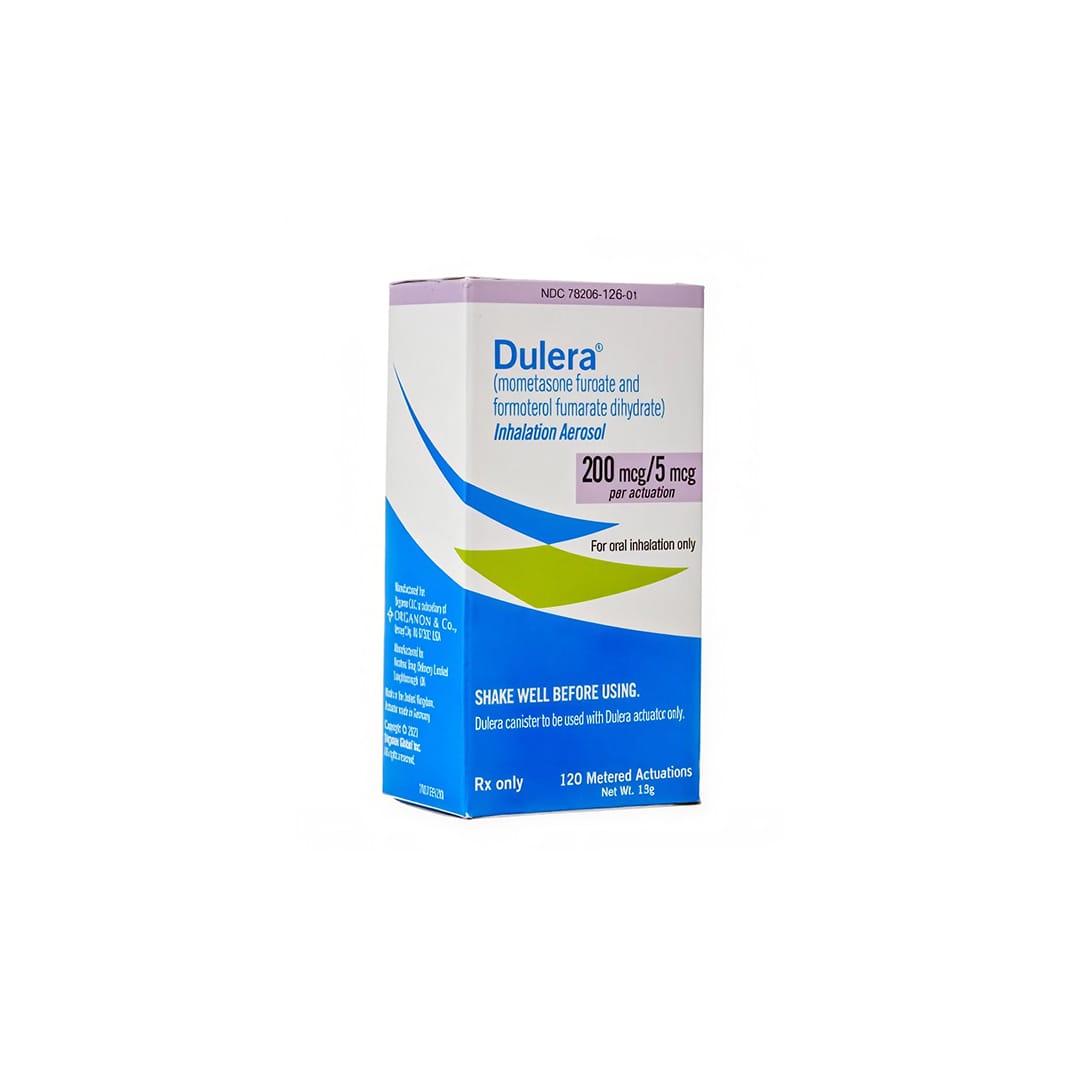
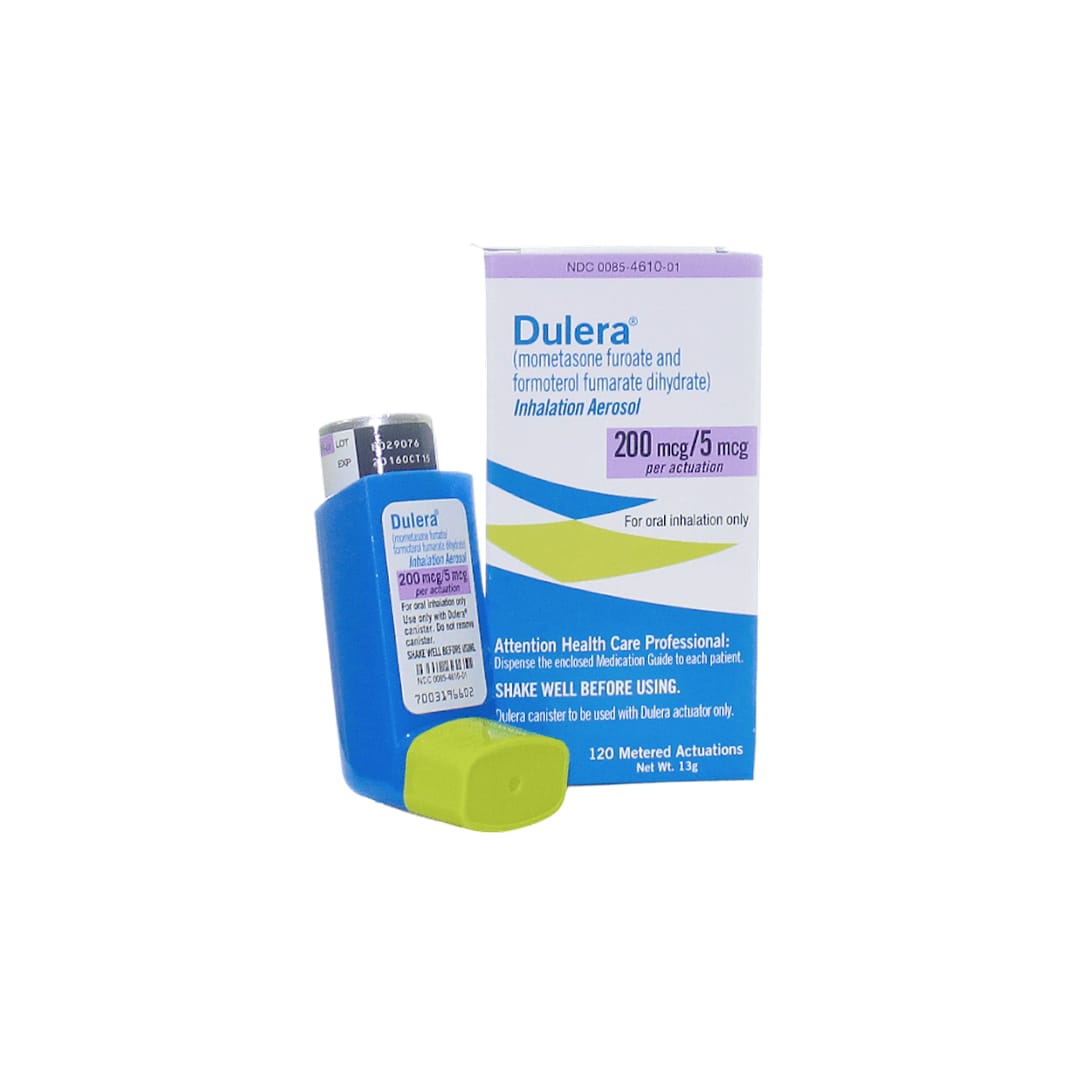
Dulera (Zenhale)
Buy Dulera (Zenhale) Online
Secure Encrypted Payments
Dulera (Zenhale) is a maintenance inhaler used to help control persistent asthma symptoms over time. It combines mometasone furoate with formoterol fumarate in an HFA metered-dose inhaler, and customers can buy Dulera online by choosing the strength shown during ordering that matches their clinician’s directions. BorderFreeHealth offers US delivery from Canada for customers comparing cash-pay asthma controller choices.
Dulera Price, Strengths, and Ordering Basics
Dulera price can vary by strength, quantity, and sourcing market, so the most useful step is to match the inhaler strength to the directions already given for your asthma plan. Commonly published strengths include 100/5 mcg and 200/5 mcg per actuation. The first number refers to mometasone furoate, the inhaled corticosteroid. The second number refers to formoterol fumarate, the long-acting bronchodilator.
Dulera and Zenhale are names used for the same active-ingredient combination in different markets. Dulera is the familiar U.S. brand name, while Zenhale is used in Canada and certain other regions. Packaging, labeling, and canister presentation may differ by country, but the key buying decision remains the same: choose the strength shown for the inhaler and follow the directions from your healthcare professional.
If you are paying out of pocket, Dulera Canadian pricing may help you evaluate a lower cash-pay route compared with local retail quotes. We may review order details for accuracy before the medicine is supplied through licensed pharmacies. Keep your current asthma action plan available so the inhaler you select fits your maintenance regimen rather than your rescue-care needs.
What Dulera (Zenhale) Treats
Dulera (Zenhale) is used as a controller medicine for asthma. Controller inhalers are taken regularly to reduce symptoms such as wheezing, chest tightness, shortness of breath, and nighttime awakenings. This medicine is not a rescue inhaler and should not be used for sudden breathing attacks. Keep the quick-relief medicine recommended by your clinician available for acute symptoms.
As an asthma maintenance treatment, the Dulera inhaler is most relevant when an inhaled corticosteroid alone is not enough or when a combination inhaler has been chosen for ongoing control. It is not a primary treatment for status asthmaticus, which is a severe asthma emergency. People looking for broader disease information can visit the asthma condition section for context on triggers, control goals, and long-term respiratory planning.
Dulera is not approved as a COPD-only treatment in the information reflected by the current U.S. labeling. If you have chronic obstructive pulmonary disease, asthma-COPD overlap, or another lung condition, ask your clinician which controller or bronchodilator plan is appropriate. A maintenance inhaler should fit the diagnosis, symptom pattern, and other medicines already being used.
How the Mometasone Formoterol Inhaler Works
The mometasone formoterol inhaler combines two complementary medicines. Mometasone furoate is an inhaled corticosteroid that reduces airway inflammation. Formoterol fumarate is a long-acting beta2-agonist, often shortened to LABA, which relaxes airway muscles and helps keep breathing passages open for many hours.
Asthma symptoms often involve both swelling inside the airways and tightening of the muscles around them. This combination addresses both processes in one inhaler. Because formoterol is long acting, Dulera should not be combined with another LABA-containing medicine unless a healthcare professional specifically directs the overall plan.
Control usually depends on consistent use, correct technique, and avoiding known triggers when possible. If symptoms worsen, nighttime waking returns, or rescue inhaler use increases, the maintenance plan may need reassessment. Do not add extra puffs beyond the directions on your treatment plan to make up for poor control.
How to Use the HFA Metered-Dose Inhaler
Dulera HFA inhalation aerosol is taken by mouth inhalation. Current labeling commonly describes two inhalations twice daily, about 12 hours apart, but your own directions should guide use. Shake the inhaler well before each puff. If you use a spacer, follow the spacer instructions and the inhaler technique taught by your care team.
- Prime the inhaler before first use and after a gap in use, according to the label.
- Breathe out fully before placing the mouthpiece between your lips.
- Press the canister while breathing in slowly and deeply.
- Hold your breath briefly, then breathe out gently.
- Wait as directed between puffs when more than one inhalation is scheduled.
- Rinse your mouth and spit after use to reduce the chance of thrush.
Quick tip: Ask a pharmacist or clinician to watch your inhaler technique at routine visits, because small timing errors can reduce the delivered dose.
The dose counter, canister feel, and spray strength should not be the only signals used to decide whether medicine remains. Track remaining doses according to the inhaler’s labeling. If the device is dropped, exposed to extreme heat, or does not spray normally after priming steps, ask for professional guidance before relying on it.
Missed Dose, Daily Timing, and What to Expect
If you miss a scheduled maintenance dose, take it when remembered unless it is close to the next planned dose. If the next dose is near, skip the missed dose and return to the usual schedule. Do not double up to catch up. A phone reminder, toothbrush routine, or morning-and-evening habit can make twice-daily use easier.
Some people notice steadier breathing after several days of consistent use, while others need longer to judge control. Dulera does not replace a rescue inhaler during sudden symptoms. Track daytime symptoms, nighttime waking, activity limits, and rescue inhaler use so your clinician has practical information at follow-up.
Maintenance therapy is often adjusted over time. If asthma remains well controlled for an extended period, a clinician may discuss step-down strategies. If symptoms flare during colds, allergy seasons, smoke exposure, or exercise, your action plan should explain when to seek help and how to use reliever medicine safely.
Storage, Handling, and Travel
Store the inhaler at room temperature away from freezing conditions, extreme heat, open flame, and direct high-temperature exposure. Do not puncture the canister, even when it seems empty. Keep the cap on when not in use, and store the inhaler out of reach of children and pets.
When traveling, keep the inhaler in carry-on luggage so it stays accessible and avoids temperature extremes in checked baggage. Bring the original packaging when possible, especially if traveling across borders. Prompt, express shipping may be used for order logistics, but you should plan refills early enough to avoid gaps in controller therapy.
Do not wash the metal canister or place it in water. Follow the cleaning directions for the mouthpiece so dried spray does not build up. If you use multiple inhalers, label or separate them clearly so the controller inhaler is not confused with a quick-relief inhaler during symptoms.
Side Effects, Warnings, and Monitoring
Common side effects reported with mometasone and formoterol inhalation products can include throat irritation, hoarseness, cough, headache, nasal congestion, upper respiratory tract infection, and mouth or throat yeast infection. Rinsing and spitting after each use can lower the risk of oral thrush. Tell a healthcare professional if white patches, mouth pain, fever, or worsening cough appears.
Serious but less common reactions need prompt attention. These include sudden worsening of breathing right after use, allergic reaction, chest pain, fast or irregular heartbeat, faintness, severe dizziness, or signs of infection. Inhaled corticosteroids can contribute to cataracts, glaucoma, reduced bone mineral density, and adrenal suppression, especially with higher exposure or long-term use. Children and adolescents using inhaled steroids may need growth monitoring.
People with heart rhythm problems, high blood pressure, seizure disorders, thyroid disease, diabetes, low potassium risk, eye disease, osteoporosis risk, tuberculosis, untreated infections, or recent exposure to chickenpox or measles should discuss these issues before using a combination controller. This medicine may not be suitable for someone with known hypersensitivity to any ingredient in the inhaler.
Important interaction concerns include strong CYP3A4 inhibitors, which can increase corticosteroid exposure, and beta-blockers, which may reduce bronchodilator effects. Other adrenergic medicines, certain antidepressants, monoamine oxidase inhibitors, and some diuretics may increase cardiovascular or potassium-related risks. Share all medicines, inhalers, supplements, and recent steroid use with your healthcare professional.
How Dulera Compares With Other Asthma Controllers
Dulera is an inhaled corticosteroid and LABA combination. Other asthma controller choices may include different inhaled corticosteroid/LABA pairings, inhaled corticosteroid-only products, leukotriene modifiers, or add-on bronchodilators for selected patients. The right choice depends on symptom severity, age, prior response, inhaler technique, side effects, and the written asthma action plan.
One common comparison is Dulera versus budesonide/formoterol inhalers. Both contain a corticosteroid and formoterol, but the steroid component, device, labeled use details, and dosing instructions can differ. For a related discussion of budesonide/formoterol choices, see respiratory articles and browse the respiratory product category for adjacent inhaler options.
A generic mometasone formoterol inhaler question can be confusing because brand names, regulatory status, and market availability differ by country. Dulera and Zenhale refer to the same active-ingredient combination, while substitution decisions should be based on the medicine supplied, strength, device directions, and clinician approval. Do not switch between inhalers or strengths without confirming the plan, because technique and labeled directions may differ.
Questions to Ask Before and During Use
Good asthma control is easier when you know what each inhaler is for. Before starting or refilling a controller, ask whether the strength matches your current asthma severity, how often your control will be reassessed, and what signs should trigger medical contact. Also ask which inhaler should be used for sudden symptoms, because Dulera is not intended for immediate relief.
- What symptoms or rescue-inhaler pattern suggest my controller is not working well enough?
- Should I use a spacer with this HFA metered-dose inhaler?
- How often should my inhaler technique be rechecked?
- Do my heart, eye, bone, infection, or growth-monitoring risks need follow-up?
- Could any of my other medicines interact with mometasone or formoterol?
- What should I do during colds, allergy flares, wildfire smoke, or travel?
- When should I seek urgent care for worsening breathing?
Why it matters: A clear controller-and-rescue plan helps prevent confusion during asthma symptoms.
Authoritative Sources
Official FDA labeling for Dulera
Manufacturer information for Dulera
Mayo Clinic medicine information for mometasone and formoterol
This content is for informational purposes only and is not a substitute for professional medical advice.
Peak Flow Zone Calculator
Calculate asthma peak-flow zones from personal best and current peak flow.
Current % best-current / personal best
Zone-green >=80%, yellow 50-79%, red <50%
Zone cutoffs-80% and 50% of best
These calculations are for education only and do not replace clinical advice, diagnosis, or treatment. Always confirm medical decisions with a qualified healthcare professional.
Express Shipping - from $29.99
Shipping with this method takes 3-5 days
Prices:
- Dry-Packed Products $29.99
- Cold-Packed Products $39.99
Shipping Countries:
- United States (all contiguous states**)
- Worldwide (excludes some countries***)
Standard Shipping - $19.99
Shipping with this method takes 5-10 days
Prices:
- Dry-Packed Products $19.99
- Not available for Cold-Packed products
Shipping Countries:
- United States (all contiguous states**)
- Worldwide (excludes some countries***)
What is another name for Zenhale?
Zenhale is a brand name used in Canada for the mometasone furoate and formoterol fumarate inhaler combination. Dulera is the brand name commonly used in the United States for the same active-ingredient combination.
What type of inhaler is Dulera (Zenhale)?
Dulera (Zenhale) is an HFA metered-dose maintenance inhaler. It combines an inhaled corticosteroid, mometasone, with a long-acting bronchodilator, formoterol, to help control asthma over time.
Is Dulera for COPD or asthma?
Dulera is used as a controller medicine for asthma. It is not a rescue inhaler and is not approved as a COPD-only treatment in the U.S. labeling reflected for this medicine.
What strengths are commonly published for Dulera or Zenhale?
Commonly published strengths include 100/5 mcg and 200/5 mcg per actuation. The first number is mometasone furoate, and the second is formoterol fumarate. Use the strength directed by your healthcare professional.
Can Dulera be used for sudden asthma symptoms?
No. Dulera is a maintenance controller and does not treat sudden bronchospasm. Keep the quick-relief inhaler recommended in your asthma action plan available for acute symptoms.
What are common side effects of Dulera (Zenhale)?
Common side effects can include throat irritation, hoarseness, cough, headache, nasal congestion, upper respiratory infection, and oral thrush. Rinsing and spitting after use can help lower thrush risk.
How should I store the Dulera inhaler?
Store the inhaler at room temperature, away from freezing, extreme heat, open flame, and direct high-temperature exposure. Keep the cap on, do not puncture the canister, and keep it away from children and pets.
Rewards Program
Earn points on birthdays, product orders, reviews, friend referrals, and more! Enjoy your medication at unparalleled discounts while reaping rewards for every step you take with us.
You can read more about rewards here.
POINT VALUE
How to earn points
- 1Create an account and start earning.
- 2Earn points every time you shop or perform certain actions.
- 3Redeem points for exclusive discounts.
You Might Also Like
Select options
This product has multiple variants. The options may be chosen on the product page
Select options
This product has multiple variants. The options may be chosen on the product page
Select options
This product has multiple variants. The options may be chosen on the product page
Select options
This product has multiple variants. The options may be chosen on the product page