
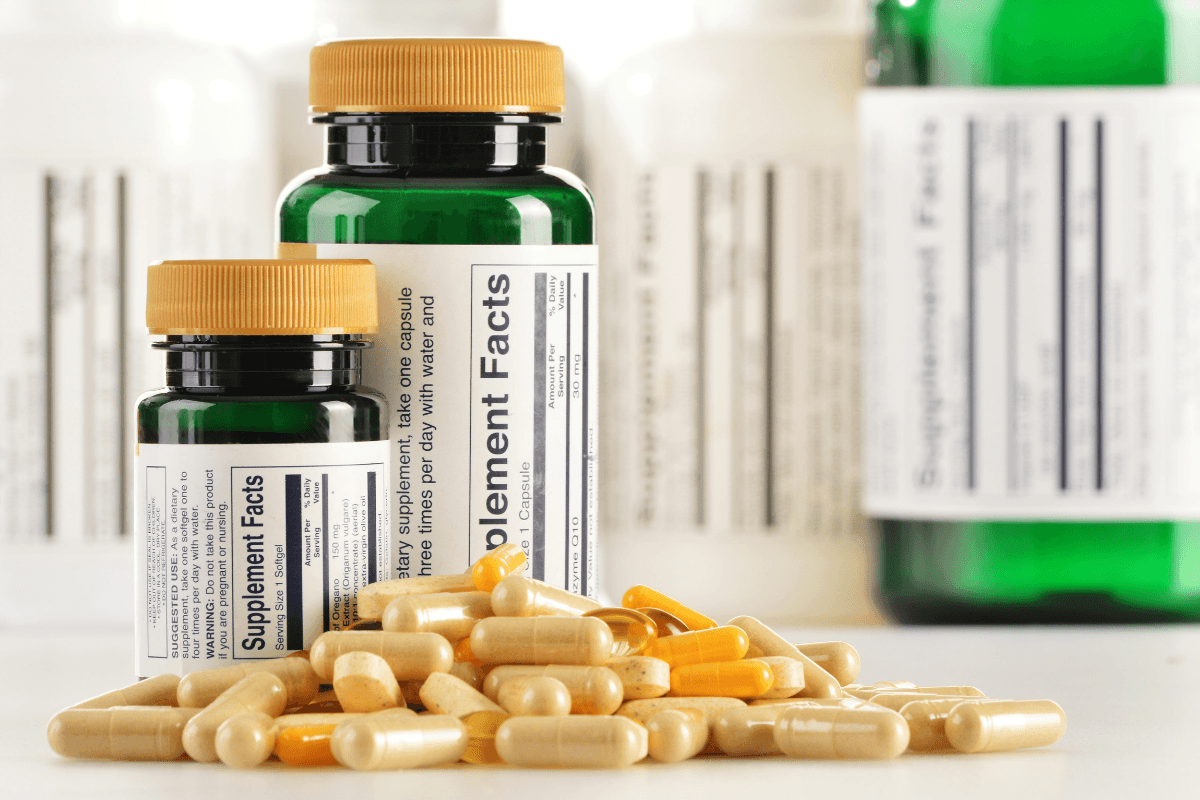
Peptide supplements are not one single product type. The phrase can describe ordinary collagen powders, mixed wellness formulas, or items marketed with medical-sounding claims that may deserve much closer review. That matters because a front label can suggest recovery, skin, weight, or performance benefits while the ingredient panel tells a more complicated story.
Key Takeaways
- Category comes first: A dietary supplement is not reviewed or dispensed like a prescription medicine.
- Labels vary widely: Collagen peptides, protein fragments, blends, and research-style products can look similar online.
- Claims need caution: Muscle, weight, inflammation, or anti-aging promises may exceed what the product category supports.
- Safety depends on context: Medicines, pregnancy, surgery, sports testing, and chronic illness can change the risk picture.
- Ask before combining: A pharmacist or prescriber can screen your full medication and supplement list.
What Peptide Supplements Usually Mean
Peptides are short chains of amino acids, the building blocks of proteins. In everyday retail settings, peptide supplements often mean hydrolyzed proteins, such as collagen peptides, that have been broken into smaller fragments. These products may appear as powders, capsules, drinks, or blended formulas.
The word “peptide” can sound precise, but it does not tell you enough by itself. A collagen peptide powder sold as a dietary supplement is different from an injectable prescription medicine, a compounded product, or an item sold for research use. The route of use, ingredient identity, product category, and regulatory status all matter.
For broader nutrition context, the Vitamins And Supplements collection can help you compare general wellness topics without treating every product as medicine. If you want a wider primer on the term itself, Peptides Explained covers how peptide language is used in patient conversations.
Why it matters: The same keyword can point to very different levels of evidence, oversight, and risk.
What People Use Them For, and Where Claims Can Blur
People often look at peptide supplements for skin support, joint comfort, workout recovery, body composition, or general wellness. Some collagen products are marketed around hair, skin, nails, and connective tissue. Other products lean into performance, inflammation, sleep, weight, or “anti-aging” language.
Those goals are not the same as proven treatment claims. Supplement labels may describe structure or function support, but they should not claim to diagnose, treat, cure, or prevent disease. The U.S. Food and Drug Administration explains this distinction in its dietary supplement consumer guidance.
The most helpful question is not “Are peptides good?” It is “What exact product is this, what does it contain, and what claim is being made?” A plain collagen powder with a clear supplement facts panel raises different questions than a vial, spray, capsule blend, or product promoted for a diagnosed condition.
Collagen and protein-fragment products
Collagen peptide products are among the most common retail examples. They usually contain hydrolyzed collagen from animal sources. Labels may list bovine, marine, porcine, or chicken sources, depending on the product. People with allergies, dietary restrictions, or religious dietary needs should check the source before use.
Blended wellness formulas
Some formulas combine peptide language with vitamins, herbs, caffeine, amino acids, sweeteners, or other active ingredients. These blends can be harder to evaluate because one serving may include several substances that overlap with your current routine. A proprietary blend can make this even less transparent.
Products that sound closer to treatment
Be especially cautious when a product uses condition-specific claims, before-and-after images, or wording that sounds like a medical intervention. If a seller describes an item like a drug, but the label does not clearly identify prescription status, manufacturer details, or appropriate oversight, pause before using it.
Safety Risks and Downsides to Consider
The downside of taking peptide supplements depends on the product, the ingredients, and the person using them. Possible concerns include digestive upset, allergic reactions, unwanted effects from added ingredients, poor-quality labeling, contamination, or false reassurance when symptoms need medical evaluation.
Dietary supplements can also interact with medicines or complicate care plans. The risk is higher when a product includes stimulants, botanicals, hormone-related claims, high vitamin amounts, or several active ingredients in one scoop or capsule. The NIH Office of Dietary Supplements outlines these consumer issues in its supplement safety basics.
Some people should get individualized advice before adding peptide supplements. This includes people who are pregnant or breastfeeding, preparing for surgery, managing kidney or liver disease, competing in tested sports, or taking several prescription medicines. Children and teens also need clinician-guided advice rather than adult supplement marketing.
If your goal involves persistent pain, weight changes, anxiety, sleep disruption, inflammation, neuropathy symptoms, or mood changes, treat that as a health question first. A supplement label cannot replace diagnosis. For weight-related peptide discussions, Peptides For Weight Loss explains why medical context matters.
Quick tip: Photograph the front label, supplement facts panel, warnings, and lot number before asking for help.
How to Read a Peptide Supplement Label
A clear label should identify the ingredient, serving size, source, warnings, manufacturer, lot number, and expiration date. These details do not guarantee quality, but they give you a starting point. A vague label makes it harder to judge what you are taking.
Start with the back of the package, not the marketing headline. Look for the Supplement Facts panel, exact ingredient names, allergens, and added actives. Then compare the warnings against your health history and current medicines.
- Exact ingredient: Look for named peptides or protein sources.
- Source material: Check animal, marine, plant, or synthetic wording.
- Serving details: Note the amount per serving and suggested use.
- Added ingredients: Watch for stimulants, herbs, vitamins, and sweeteners.
- Company details: Confirm manufacturer name and contact information.
- Traceability markers: Look for lot numbers and expiration dates.
Third-party testing can be useful, especially for sports or complex supplement routines. Still, testing seals vary, and they do not turn a supplement into a prescription medicine. The National Center for Complementary and Integrative Health offers practical advice on using dietary supplements wisely.
Supplements, Injectable Peptides, and Prescription Medicines
Peptide supplements are not the same as injectable peptides or prescription peptide-based medicines. The difference is not just wording. It affects review, access, handling, dosing oversight, and the type of professional support involved.
Injectable products raise different questions because sterility, preparation, storage, route of administration, and dosing errors can create serious risks. Some products discussed online may not be approved medicines. Others may be prescription products that require clinician oversight and pharmacy dispensing. For a deeper safety discussion, see Are Peptides Safe.
Some readers also encounter research-use language online. That phrase should not be treated as a shortcut for personal use. If a product is not labeled for human use, or if the seller avoids clear regulatory and manufacturer information, that is a major warning sign.
When a prescribed peptide-related therapy is involved, the access pathway changes. BorderFreeHealth connects U.S. patients with licensed Canadian partner pharmacies, and prescription details may be verified with the prescriber before the pharmacy dispenses when required. This type of process applies to eligible prescription access, not to ordinary retail supplement shopping.
If you are trying to understand injection-specific issues, Peptides Injections covers practical questions about use, access, and oversight. If you are reading about a specific research peptide, DSIP Peptide Dosage explains why research claims and personal-use decisions should not be blended casually.
Practical Steps Before You Add One
A careful review can prevent wasted spending and reduce avoidable risk. You do not need to become a biochemist. You do need a clear product category, a complete ingredient list, and a realistic understanding of what the label can and cannot prove.
- Define the goal. Write down whether you are targeting nutrition, skin, training, sleep, weight, or a symptom.
- Confirm the category. Decide whether the item is a dietary supplement, prescription medicine, or unclear online product.
- Read the full label. Check ingredients, serving size, warnings, allergens, source, and company information.
- List your routine. Include prescriptions, over-the-counter medicines, vitamins, herbs, powders, and drinks.
- Screen for overlap. Look for duplicate stimulants, added vitamins, protein sources, or botanicals.
- Ask about special risks. Mention pregnancy, surgery, sports testing, kidney disease, liver disease, or immune conditions.
- Track changes. Note new symptoms, stomach upset, rash, sleep changes, or unexpected reactions.
Stop and seek urgent medical help for severe allergic symptoms, chest pain, trouble breathing, fainting, or sudden swelling. For less urgent concerns, contact a clinician or pharmacist and bring the label photos.
Common Comparison Questions
Many people compare peptide supplements with protein powders, collagen products, prescription medicines, and injectable products. That comparison only works when you separate category from marketing. A powder for general wellness is not evaluated like a medicine prescribed for a specific condition.
| Product Type | Typical Setting | Main Question |
|---|---|---|
| Collagen peptide supplement | Retail nutrition aisle | Is the source, serving, and allergen information clear? |
| Blended peptide formula | Wellness or performance marketing | What else is included besides the peptide ingredient? |
| Injectable peptide product | Medical, compounded, or unclear online setting | Is it prescribed, sterile, and appropriate for human use? |
| Prescription peptide-based medicine | Clinician-directed care | Is there a valid prescription and pharmacy review? |
Peptide supplements are also not the same as Ozempic or similar prescription medicines. Those medications belong to defined drug categories and require prescribing decisions, patient screening, and monitoring. A supplement cannot be assumed to produce the same effects or follow the same safety rules.
Access Questions Through BorderFreeHealth
Access questions become relevant when a product is actually a prescription therapy, not a standard supplement. In that case, the key issue is not the front-label claim. It is whether the medicine requires a valid prescription, whether it can be dispensed to your jurisdiction, and what information the pharmacy must review.
Some patients without insurance explore cash-pay cross-border prescription options, subject to eligibility and jurisdiction. That route does not apply to every product using peptide language. First confirm whether you are dealing with a supplement, a prescription medicine, or an unclear product that should be avoided until clarified.
What to do next is simple: save the label, write down your full medication list, and ask the right professional for the category. A retail supplement question may be handled by a pharmacist or clinician review. A prescription access question needs prescription verification and pharmacy-specific rules.
Authoritative Sources
Use regulator and national health organization resources to check broad rules before relying on marketplace reviews or influencer posts. These sources cannot verify every brand, but they can help you understand what supplement labels should and should not imply.
Peptide supplements can be simple nutrition products, complex blends, or confusing items that borrow medical language. The safest path is to identify the category first, read the full label, and ask for review when medicines, symptoms, injections, pregnancy, surgery, or chronic illness are involved.
This content is for informational purposes only and is not a substitute for professional medical advice.


