
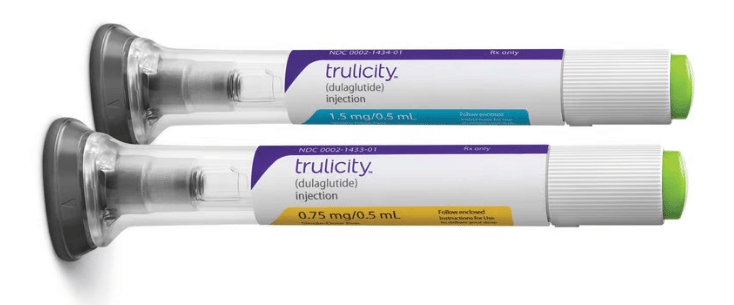
Choosing between Trulicity and Ozempic can feel overwhelming. Both are weekly GLP-1 receptor agonists (hormone-mimicking injections) used for type 2 diabetes. In this guide, we break down trulicity vs ozempic in plain language. You will learn how they differ, what side effects to expect, and how to talk with your clinician about switching or alternatives.
Key Takeaways
- Similar purpose, different details: both are weekly GLP-1s, but devices and formulations differ.
- Side effects vary by person: nausea and GI symptoms are most common early.
- Weight loss can occur: results depend on dose, habits, and consistency over time.
- Switching needs planning: coordinate timing, monitoring, and insurance steps with your clinician.
Trulicity vs Ozempic: What’s the Core Difference?
Trulicity (dulaglutide) and Ozempic (semaglutide) both help lower blood sugar by enhancing glucose-dependent insulin release and slowing gastric emptying. Clinically, they belong to the same class, yet they are different molecules with distinct delivery systems. Some people prefer Trulicity’s single-use, ready-to-inject pen. Others like Ozempic’s multi-dose prefilled pen with adjustable settings. These practical differences can shape confidence, adherence, and day-to-day use.
Both medicines are approved for adults with type 2 diabetes, and each carries a boxed warning about the risk of thyroid C-cell tumors seen in animals. Individual risks, personal history, and monitoring plans should guide the choice. For official details on indications, contraindications, and warnings, see the Trulicity prescribing information and the Ozempic prescribing information. These sources outline safety considerations and provide instructions clinicians use when prescribing.
How They Work and Who They Help
GLP-1 receptor agonists help the body respond to glucose more effectively. They support post-meal insulin release (when glucose is higher) and reduce appetite signals in many people. In plain terms, they help smooth out glucose swings and can reduce overeating urges. These mechanisms may support A1C reduction and weight change for people with type 2 diabetes, especially those with post-meal spikes or weight-related insulin resistance.
Eligibility depends on your medical history, other medications, and treatment goals. Some people use GLP-1s alongside metformin or basal insulin, while others shift therapies based on glucose trends, side effects, or life changes. If you’re weighing advanced options, our overview in Ozempic vs Insulin explains when escalation to insulin may be considered and why clinicians recommend one path over another.
Side Effects and Tolerability
Gastrointestinal effects are most common early on. Nausea, fullness, burping, constipation, or diarrhea can appear, usually during the first weeks or dose escalations. Eating smaller, slower meals and avoiding heavy, greasy foods may help. If symptoms feel unmanageable, contact your care team for personalized guidance and monitoring.
Pancreatitis, gallbladder problems, and kidney concerns are rare but serious. Report severe abdominal pain, persistent vomiting, or jaundice promptly. The boxed warning regarding thyroid C-cell tumors applies to both medications; people with a personal or family history of medullary thyroid carcinoma or MEN 2 should discuss alternatives. For practical relief methods, see Managing Side Effects Of Ozempic for self-care techniques you can discuss with your provider. To compare considerations head-to-head, many patients ask about Trulicity vs Ozempic Side Effects when planning their next refill or titration.
Weight Loss and Metabolic Outcomes
GLP-1s can support weight loss by reducing appetite, slowing gastric emptying, and promoting smaller portions. Results vary due to dose, time on therapy, and lifestyle changes. It’s important to pair medication with nutrition, movement, sleep, and stress strategies. Even modest, sustained changes can improve insulin sensitivity and energy levels.
Some patients and clinicians review trial summaries to set realistic expectations. If you are tracking progress, use simple measures—clothes fit, activity capacity, and glucose patterns—alongside weigh-ins. For dietary fine-tuning, our article Is Popcorn Good For Diabetics explains fiber and portion factors that often matter with GLP-1s. People also search for Trulicity vs Ozempic Weight Loss comparisons; your individual response may differ due to dose tolerance and routine adherence.
Dosing, Titration, and Practical Use
Both medicines are injected once weekly, on the same day each week. Clinicians often start low and increase cautiously if tolerated. This gradual approach can help reduce stomach-related side effects. If you miss a dose or plan travel, ask your care team about timing adjustments and storage. Keep pens within recommended temperature ranges, and avoid freezing.
Preparing for a trip? For packing, storage, and airport screening tips, see Traveling With Ozempic Tips, which covers practical scenarios such as long flights and hotel fridges. Many readers also want a simple framing of Trulicity vs Ozempic Dosage concepts; your prescriber will individualize dosing based on response, side effects, and overall goals.
Considering Alternatives: Mounjaro, Wegovy, and More
Some patients consider alternatives for different goals or tolerability. Tirzepatide (Mounjaro) activates both GIP and GLP-1 receptors, which may enhance appetite control and glycemic effects for some people. Wegovy uses the same active ingredient as Ozempic (semaglutide) but is approved for chronic weight management at higher doses. Coverage, copays, and clinic protocols often influence availability and choices.
If you’re exploring options beyond GLP-1-only medicines, review the device and titration formats before switching. For example, check pen features and storage. For pen format details, see Mounjaro KwikPen to understand how a dual-incretin option is dispensed. Patients also compare Ozempic vs Mounjaro Side Effects when deciding which profile feels more manageable day-to-day.
How Alternatives Compare in Real Life
In daily life, access and routine matter as much as pharmacology. A plan that fits your budget, schedule, and comfort with injections is more likely to stick. Discuss insurance authorizations, step therapy rules, and supply issues upfront. Clarify what to do if the pharmacy is out of stock. Think through your week: meal timing, exercise, and stress. People who prepare for predictable hurdles—work travel, exam weeks, caregiving duties—often maintain consistency during bumps in the road. Tools like reminders, pillboxes, and calendar notes can smooth dose timing. Small, sustainable habits compound into meaningful changes.
Switching Safely Between Medications
Switching requires coordination to prevent overlaps or long gaps. Clinicians often time the next start to minimize side effect flares and glucose swings. They may also adjust the first dose on the new medicine based on tolerability, recent A1C, and other medicines. Blood glucose monitoring before and after the switch helps identify trends that need attention.
Build a short checklist before changing. Confirm storage, injection day, disposal plan, and insurance approval. Ask how to manage nausea if it returns during transition. Keep a symptom diary for the first few weeks. That record helps your team fine-tune the plan. Many people search Switching From Trulicity to Ozempic and benefit from a stepwise plan agreed upon in advance.
Beyond GLP-1s: SGLT2s and Metformin
If heart or kidney protection is a priority, your clinician may consider SGLT2 inhibitors or combinations. These medicines work through the kidneys to help the body excrete glucose. Some patients use both an SGLT2 inhibitor and a GLP-1 for complementary benefits, based on risk and tolerability. For broader treatment frameworks, the American Diabetes Association’s Standards of Care outline evidence-based pathways used by clinicians.
People sometimes compare Ozempic vs Jardiance to weigh blood sugar effects, heart-kidney outcomes, and side effect differences. These medicines belong to different classes, so your overall goals shape the choice. If you are reviewing device options for weekly GLP-1s, the Trulicity Injection Pen page can help you visualize pen components and patient materials before clinic teaching.
Practical Tips, Habits, and Ongoing Support
Set one consistent injection day and add two reminders. Pair the dose with an existing habit, like a weekend breakfast. Eat slowly, stop early at fullness, and favor fiber and lean protein. If a food triggers heartburn or nausea, scale back temporarily, then reintroduce small amounts later. Gentle activity after meals can improve comfort and post-meal glucose.
Write down side effects and questions between visits. Bring your notes to appointments. Clarify how you’ll handle dose changes, missed injections, or new symptoms. If you want to compare devices directly, explore the Ozempic Injection Pen page to see pen specifics you can review with your care team.
Where the Evidence Fits Your Life
Evidence guides care, but lived experience refines it. Your response may differ from study averages because bodies, routines, and stress loads vary. The best plan is one you can sustain. Revisit goals every few months, adjust as needed, and keep your team in the loop. For prescribing information and safety updates, use official labels as your reference points alongside clinical guidance.
For label-based safety details and usage instructions, review the Trulicity prescribing information and the Ozempic prescribing information. These documents are updated periodically and help ground decisions in current evidence.
Recap
Both medicines aim for better glucose control with similar weekly routines. Your decision hinges on tolerability, device preference, and personal goals. Keep the conversation open with your clinician, and revisit the plan as life changes. For many, small consistent habits paired with the right medication deliver steady progress. People often weigh Wegovy vs Ozempic or wonder about Trulicity vs Mounjaro; the right choice is the one that fits your needs today.
Tip: If you feel stuck, return to basics—sleep, hydration, and a gentle walk after meals can make weekly injections easier to tolerate.
This content is for informational purposes only and is not a substitute for professional medical advice.


