
Please note: a valid prescription is required for all prescription medication.
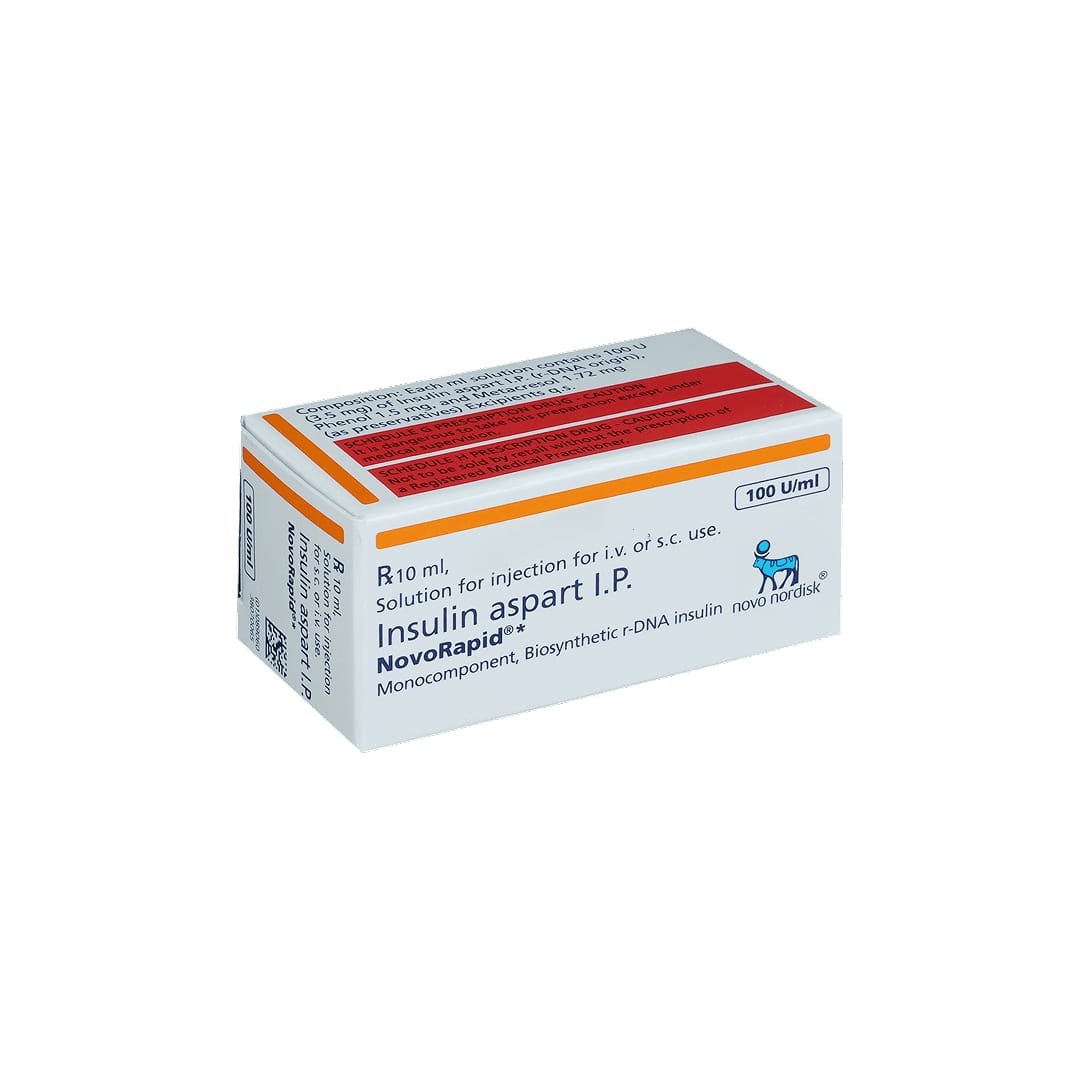
Novorapid Vial
Buy Novorapid Vial Online
Secure Encrypted Payments
NovoRapid Vial is a rapid-acting insulin aspart product used for mealtime blood sugar control in diabetes. It can be ordered online, with current pricing shown during checkout and dose or strength choices matched to the directions from your clinician. Border Free Health supplies medications through licensed pharmacy channels and offers US delivery from Canada for customers using the service.
Novorapid Vial Price, Strength, and Ordering Basics
The Novorapid vial price is shown before checkout, so you can assess the out-of-pocket amount before placing an order. Insulin costs can matter greatly for people paying cash, managing high deductibles, or coordinating several diabetes supplies at once. The vial format may also be preferred when a care plan uses syringes or when a compatible insulin pump reservoir is filled from a vial.
NovoRapid is commonly supplied as insulin aspart U-100, also described as 100 units/mL. The 10 mL vial presentation is often used as a multi-dose vial, but packaging, labels, and available quantities can differ by market and inventory. Choose the strength and quantity displayed during ordering, then match it to the instructions in your diabetes plan.
Quick tip: Before ordering, confirm that your syringes, pump supplies, glucose monitoring supplies, and backup low-glucose treatment are ready for the same refill period.
What NovoRapid Vial Is Used For
NovoRapid contains insulin aspart, a rapid-acting insulin analog used to treat diabetes mellitus. It helps lower blood glucose around meals by replacing or supplementing the insulin your body needs to move glucose from the blood into cells. Rapid-acting insulin is often part of a broader diabetes plan that may also include basal insulin, meal planning, carbohydrate counting, activity adjustments, and glucose monitoring.
People living with type 1 diabetes commonly need mealtime insulin because the body makes little or no insulin. Some people with type 2 diabetes also use rapid-acting insulin when other treatments do not provide enough mealtime control or when clinical needs change. Your clinician may adjust the role of mealtime insulin as meals, activity, illness, weight, kidney function, or other medicines change.
The vial is designed for subcutaneous injection, meaning injection under the skin. In some care plans, the vial may be used to fill an insulin pump reservoir when the device instructions and insulin label support that use. It is not the same as a prefilled pen or cartridge, and the supplies needed for safe administration are different.
What Kind of Insulin Is NovoRapid?
NovoRapid is rapid-acting insulin aspart. Rapid-acting insulins are designed to start working sooner than regular human insulin and are typically used close to meals. They are different from basal insulins, which provide longer background coverage over many hours.
After injection, insulin aspart helps cells take up glucose and reduces glucose production by the liver. This action helps manage the rise in blood sugar that often happens after eating. Because the effect begins quickly, timing with food matters, and glucose should be monitored according to the plan set by your healthcare team.
For broader context on insulin categories, the diabetes care category can help you locate related supplies and diabetes medicines used with different treatment plans. Rapid-acting insulin decisions should stay connected to your glucose readings, meal patterns, and clinical instructions.
Vial, Cartridge, and Pen Differences
The vial format is used with insulin syringes or, when appropriate, to fill a compatible insulin pump reservoir. A cartridge is generally intended for a reusable insulin pen device, while a prefilled pen already contains the insulin and uses pen needles. The medicine may be the same active ingredient across formats, but the handling, dosing steps, and supplies differ.
A vial may suit people who need flexible dose measurement, use a pump, or prefer drawing insulin with syringes. A pen or cartridge may suit people who want a more portable injection device or simpler dose dialing. These format decisions are practical and safety-related; using the wrong syringe, device, or reservoir can cause dosing errors.
If your care plan changes from vial to cartridge or pen, ask your clinician or diabetes educator to review technique. Needle type, priming steps, injection angle, air bubble checks, and storage after first use may differ by device.
How the Vial Is Commonly Used
NovoRapid is generally used close to meals, but exact timing and dose depend on the individual plan. Many people dose based on carbohydrate intake, a set meal dose, a correction factor, or pump settings. Do not change your dose schedule on your own; rapid-acting insulin can cause low blood sugar if it is taken without enough food or if activity increases unexpectedly.
When drawing insulin from a U-100 vial, use U-100 insulin syringes. This helps avoid unit conversion mistakes. Inspect the insulin before use and do not use it if it appears abnormal according to the label. Use a new sterile syringe and needle for each injection, and never share syringes, needles, pumps, or injection supplies.
- Rotate injection sites across approved areas to reduce skin changes.
- Avoid injecting into thickened, pitted, bruised, or irritated skin.
- Keep meals, activity, and glucose checks aligned with your insulin plan.
- For pump use, follow the pump manufacturer’s instructions for reservoir changes and infusion set rotation.
- Keep fast-acting carbohydrates nearby in case blood sugar drops.
Why it matters: Rapid-acting insulin works quickly, so meal timing and monitoring are central to safe use.
Storage, Travel, and Handling
Unopened NovoRapid vials are typically stored in the refrigerator. After first use, the label may allow room-temperature storage for a limited period. Protect insulin from heat, freezing, and direct light. Do not use insulin that has been frozen, exposed to excessive heat, or stored outside the label’s conditions.
During travel, keep insulin and diabetes supplies in hand luggage rather than checked baggage. Pack extra syringes, glucose testing supplies, pump supplies if used, and documentation for security or travel disruptions. A cooling case may help maintain appropriate conditions, but insulin should not be placed directly against ice or frozen gel packs.
Temperature-sensitive medicines may require careful packaging, and orders may include prompt, express shipping when appropriate. Plan refills early enough to avoid running out, especially before weekends, holidays, or travel.
Missed Dose, Meals, and Monitoring
If a mealtime dose is missed, the safest next step depends on when you remember, what you ate, your current glucose level, and your insulin plan. Avoid doubling doses or stacking correction doses close together unless your care instructions specifically explain how to do so. When uncertain, follow your written diabetes plan or contact a healthcare professional.
Glucose monitoring is important because insulin needs can change from day to day. Illness, stress, exercise, alcohol, missed meals, menstrual cycles, kidney or liver changes, and other medicines may affect insulin requirements. Continuous glucose monitors and fingerstick meters can both support safer decisions when used as directed.
People using insulin should understand how to recognize and treat low blood sugar. Symptoms can include sweating, shaking, hunger, headache, fast heartbeat, confusion, irritability, or weakness. Severe low blood sugar can lead to seizure, loss of consciousness, injury, or emergency care.
Side Effects, Warnings, and Interactions
The most important risk with NovoRapid is hypoglycemia, or low blood sugar. Mild injection-site reactions can also occur, including redness, swelling, itching, or discomfort. Some people experience skin thickening or thinning at injection sites, especially when the same area is used repeatedly. Weight changes can occur over time with insulin therapy.
Serious reactions need urgent attention. Seek emergency help for severe low blood sugar, loss of consciousness, seizure, trouble breathing, widespread rash, or swelling of the face, lips, tongue, or throat. Insulin can also contribute to low potassium levels, especially in higher-risk settings, so clinicians may monitor potassium when medically appropriate.
Many medicines can change insulin needs. Beta-blockers may make low-glucose symptoms harder to notice. Corticosteroids, some diuretics, certain antipsychotics, thyroid medicines, and some hormones may raise glucose. Alcohol can increase the risk of hypoglycemia, particularly when food intake is reduced. Other diabetes medicines, including sulfonylureas or additional insulin products, can increase low-glucose risk.
Tell your healthcare team about all medicines, supplements, alcohol use, kidney or liver disease, pregnancy, breastfeeding, recent illness, and major changes in activity. Insulin plans often need review during illness or after a hospitalization.
Who Should Discuss Suitability Before Use
NovoRapid may not be suitable for someone who has had a serious allergy to insulin aspart or any ingredient in the vial. It also requires the ability to monitor glucose, measure doses accurately, store insulin correctly, and respond to low blood sugar. People with recurrent severe hypoglycemia may need closer evaluation and a revised safety plan.
Children, older adults, people with visual or dexterity challenges, and pump users may need additional training or support. Caregivers should understand dose measurement, hypoglycemia treatment, sick-day instructions, and sharps disposal. For people at risk of severe lows, a rescue glucagon product may be discussed with a clinician.
Pregnancy and breastfeeding can change insulin needs. NovoRapid may be used in diabetes care when a clinician determines it is appropriate, but monitoring often becomes more frequent. Any dose changes during pregnancy should be handled by the clinical team managing diabetes care.
Sharps Disposal and Safe Supplies
Used syringes and needles should go directly into an approved sharps container. Do not place loose needles into household trash, recycling, purses, or travel bags. Local rules may vary, so follow community disposal programs, pharmacy instructions, or public health guidance for full containers.
Safe insulin use also depends on having the right supporting supplies. This may include U-100 insulin syringes, alcohol swabs if recommended, a glucose meter or continuous glucose monitor, test strips, lancets, pump infusion supplies if used, and fast-acting carbohydrate. The type 1 diabetes articles and type 2 diabetes articles can support practical questions to discuss with your healthcare team.
How NovoRapid Compares With Other Insulin Choices
NovoRapid is one rapid-acting insulin option. Other mealtime insulins may include insulin lispro, insulin glulisine, or faster formulations of insulin aspart. Basal insulins, premixed insulins, and non-insulin diabetes medicines serve different roles and should not be swapped for a mealtime insulin without clinical direction.
The best format and insulin type depend on glucose patterns, meal timing, pump use, injection comfort, cost, and training. Some people need a vial because of pump therapy or dose flexibility. Others may do better with a pen or cartridge because of portability or ease of use. A change in formulation or device can require new instructions, even when the insulin class is familiar.
If you are evaluating insulin aspart vial price, also consider the total supply plan. Syringes, pump reservoirs, infusion sets, monitoring supplies, sharps containers, and low-glucose treatments can affect monthly diabetes care costs. Coordinating refills can reduce gaps and make the routine easier to manage.
Questions to Ask Your Healthcare Team
- How close to meals should I take this insulin?
- What should I do if I eat less than planned after dosing?
- How should I correct high glucose without stacking insulin?
- What glucose level should prompt urgent action?
- Which injection sites should I use, and how should I rotate them?
- Is this vial appropriate for my pump system?
- How should I store an opened vial at home and during travel?
- Do any of my other medicines change my insulin needs?
Authoritative Sources
| Resource | Link |
|---|---|
| Manufacturer information | Novo Nordisk |
| European product information | NovoRapid product information |
| UK patient information | NovoRapid vial patient leaflet |
NovoRapid Vial is a practical mealtime insulin option for people whose diabetes plan calls for rapid-acting insulin aspart in a vial. Review the current cash price, select the displayed strength and quantity that match your clinician’s directions, and keep storage, monitoring, and low-glucose planning in place before starting each refill.
This content is for informational purposes only and is not a substitute for professional medical advice.
Blood Glucose Unit Converter
Convert glucose readings between mg/dL and mmol/L without changing the clinical value.
mg/dL
-
US reporting unit
mmol/L
-
International reporting unit
These calculations are for education only and do not replace clinical advice, diagnosis, or treatment. Always confirm medical decisions with a qualified healthcare professional.
HbA1c & eAG Calculator
Convert between HbA1c percentage and estimated average glucose using the ADAG relationship.
HbA1c
-
percentage
eAG mg/dL
-
estimated average glucose
eAG mmol/L
-
estimated average glucose
These calculations are for education only and do not replace clinical advice, diagnosis, or treatment. Always confirm medical decisions with a qualified healthcare professional.
Carb Serving Calculator
Convert total carbohydrate grams into carb choices for meal planning and diabetes education.
Carb choices
-
total carbs divided by choice size
Rounded choices
-
nearest half choice
Carb calories
-
4 kcal per gram
These calculations are for education only and do not replace clinical advice, diagnosis, or treatment. Always confirm medical decisions with a qualified healthcare professional.
CGM Time-in-Range Summary
Summarise CGM percentages across very low, low, in-range, high, and very high glucose bands.
Entered total
-
should equal 100%
Below range
-
very low plus low
Above range
-
high plus very high
Summary
-
common adult CGM targets vary by patient
These calculations are for education only and do not replace clinical advice, diagnosis, or treatment. Always confirm medical decisions with a qualified healthcare professional.
Express Shipping - from $29.99
Shipping with this method takes 3-5 days
Prices:
- Dry-Packed Products $29.99
- Cold-Packed Products $39.99
Shipping Countries:
- United States (all contiguous states**)
- Worldwide (excludes some countries***)
Standard Shipping - $19.99
Shipping with this method takes 5-10 days
Prices:
- Dry-Packed Products $19.99
- Not available for Cold-Packed products
Shipping Countries:
- United States (all contiguous states**)
- Worldwide (excludes some countries***)
What is a NovoRapid vial used for?
NovoRapid Vial is used for diabetes mellitus when rapid-acting insulin is needed to help control blood sugar around meals. It contains insulin aspart and is commonly used as part of a broader diabetes plan that may include basal insulin, glucose monitoring, meal planning, and activity adjustments.
What kind of insulin is NovoRapid?
NovoRapid is rapid-acting insulin aspart. It is designed to start working quickly after injection, which is why timing with meals and regular glucose monitoring are important.
What is the difference between NovoRapid vial and cartridge?
The vial is used with U-100 insulin syringes or, when appropriate, for compatible pump reservoir filling. A cartridge is generally used in a reusable pen device. The handling steps, supplies, and injection technique can differ, so device changes should be reviewed with a healthcare professional.
How much does NovoRapid vial cost?
The current Novorapid vial cost is shown before checkout. The amount you pay can depend on the quantity selected, the displayed strength or presentation, and any supplies you need alongside the insulin, such as syringes or pump materials.
How should NovoRapid Vial be stored?
Unopened vials are typically refrigerated. After first use, the label may allow room-temperature storage for a limited period. Keep insulin away from heat, freezing, and direct light, and do not use a vial that has been frozen or stored outside label conditions.
Can NovoRapid Vial cause low blood sugar?
Yes. Low blood sugar is the key safety risk with rapid-acting insulin. Symptoms may include shaking, sweating, hunger, fast heartbeat, confusion, or weakness. Severe symptoms such as seizure or loss of consciousness require emergency help.
Rewards Program
Earn points on birthdays, product orders, reviews, friend referrals, and more! Enjoy your medication at unparalleled discounts while reaping rewards for every step you take with us.
You can read more about rewards here.
POINT VALUE
How to earn points
- 1Create an account and start earning.
- 2Earn points every time you shop or perform certain actions.
- 3Redeem points for exclusive discounts.
You Might Also Like
Select options
This product has multiple variants. The options may be chosen on the product page
Select options
This product has multiple variants. The options may be chosen on the product page
Select options
This product has multiple variants. The options may be chosen on the product page
Select options
This product has multiple variants. The options may be chosen on the product page