

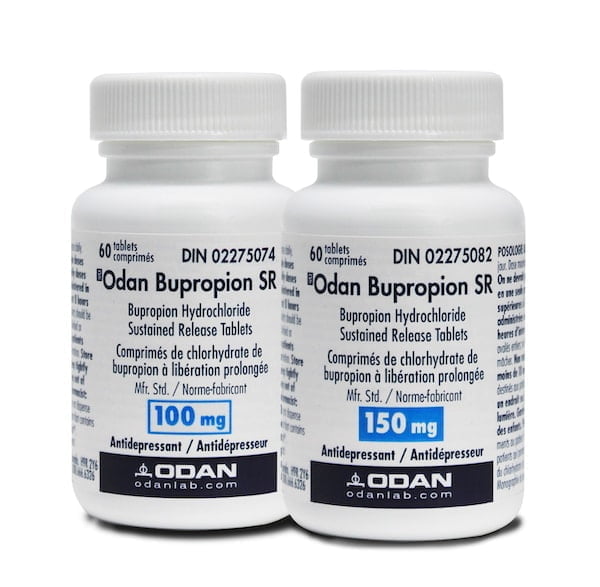
Bupropion Overdose: Symptoms, Time Course, and Safer Management starts with one urgent fact: taking too much bupropion can cause agitation, tremor, a fast heartbeat, hallucinations, and seizures, and some serious effects may appear late, especially with sustained-release or extended-release tablets. That is why a possible overdose needs same-day guidance from Poison Control or emergency evaluation rather than watchful waiting. Even when symptoms seem mild at first, the pattern can change over hours.
Key Takeaways
- Bupropion overdose can affect the brain and heart, not just the stomach.
- Common warning signs include agitation, tremor, confusion, hallucinations, fast heart rate, and seizures.
- XL and SR products can cause delayed symptoms, including seizures many hours later.
- There is no single home rule for a toxic level; formulation, amount, co-ingestants, and symptoms all matter.
- Safer management means early expert help, close observation, and attention to mental health as well as medication safety.
Why it matters: A calm early period does not always mean the danger has passed.
BorderFreeHealth connects eligible U.S. patients with licensed Canadian partner pharmacies.
Bupropion Overdose Symptoms: What They Often Look Like
Bupropion toxicity, sometimes searched as Wellbutrin overdose, often looks like overstimulation of the nervous system. People may become restless, shaky, anxious, sweaty, nauseated, or unusually keyed up. A fast heart rate is common. As toxicity worsens, symptoms can move toward confusion, severe agitation, visual disturbance, hallucinations, muscle jerks, and seizures.
The brain and the heart are the main organs clinicians watch. Severe cases can include status epilepticus (continuous or repeated seizures), coma, or arrhythmias (abnormal heart rhythms). Those are medical emergencies. Not everyone with an overdose develops the worst effects, but the symptom pattern can change quickly enough that early assessment matters.
It also helps to separate overdose from routine side effects. Mild insomnia, dry mouth, or reduced appetite can happen with normal treatment. Overdose is different. The combination of marked tremor, agitation, altered thinking, hallucinations, or seizure-like activity points to a higher-risk problem.
Children, older adults, and people with other medical conditions may need especially careful assessment. Emergency teams also ask about seizure history, eating disorders, stimulant use, and other medicines that can lower seizure threshold or affect the heart.
For broader mental health background, the Mental Health Hub, Depression Symptoms And Treatment, and Anxiety And Depression And Medicines pages explain how these medicines fit into care. That background can be useful, but overdose questions need a separate, more urgent lens.
Why the time course can be delayed
Time course means when symptoms start, how fast they build, and how long monitoring may be needed. With bupropion overdose, that timeline can be misleading. Immediate-release products often cause symptoms sooner. Sustained-release and extended-release forms can produce delayed toxicity because the medication keeps releasing over time.
That delay is one of the most important facts for patients and families. A person can look fairly stable early on and still worsen later. Delayed seizures after bupropion overdose are a known risk, especially with XL products. That is why clinicians may recommend longer observation when the amount is unclear, the product is SR or XL, or symptoms are already evolving.
| Situation | Typical pattern | Why it changes management |
|---|---|---|
| Immediate-release ingestion | Symptoms often appear earlier, sometimes within a few hours | Early improvement does not rule out later complications |
| SR or XL ingestion | Symptoms may be delayed for many hours, including delayed seizures | Observation may last longer because the drug keeps releasing |
| Unknown amount or mixed ingestion | The course is less predictable | Alcohol and other drugs can change mental status and heart risk |
People often search for a toxic level of bupropion, hoping for one reassuring number. There is no simple home cutoff that reliably predicts safety. The formulation, the amount, the person’s size and health, other substances, and the current symptoms all affect risk. That is why poison specialists and emergency clinicians focus on the whole picture rather than a single dose estimate or internet threshold.
Quick tip: Keep the bottle or blister pack nearby before calling for help.
What safer management means in real life
Safer management starts with real-time expert guidance. In the U.S., that usually means calling Poison Control right away or seeking emergency care if the amount was large, the amount is unknown, symptoms are present, or there is any concern about self-harm. The goal is early assessment, not panic. Because bupropion can cause delayed seizures, waiting for symptoms to become obvious can be risky.
Home fixes are not the answer. Do not try to make the person vomit. Do not assume that staying awake or talking normally means the event is minor. If the person is confused, very agitated, having abnormal movements, or seems unwell in any serious way, emergency services are appropriate. If a child was exposed or the tablets belong to someone else, treat the situation as urgent even if you cannot estimate the exact amount.
The most useful details to share are simple:
- Product name and form
- IR, SR, or XL
- Estimated amount taken
- Time of ingestion
- Other drugs or alcohol
- Current symptoms
Those details help determine the likely bupropion overdose time course and whether observation needs to be prolonged. An accidental double dose may still deserve same-day review. A deliberate ingestion needs emergency care and mental health support even if symptoms seem limited at first.
When verification is required, the pharmacy may confirm prescription details with the prescriber.
What emergency care may involve
Emergency care focuses on stabilization and observation. Clinicians start with airway, breathing, circulation, temperature, mental status, and seizure risk. They may use continuous heart monitoring, repeated vital signs, blood glucose checks, and an electrocardiogram, or ECG, to look for conduction problems and rhythm changes.
One term people see online is QTc. QTc is an ECG measurement that reflects how long the heart takes to reset between beats. In bupropion overdose, a QTc change can matter, but it is not interpreted alone. The whole ECG pattern, the person’s symptoms, and any co-ingestants help determine how serious the finding is.
Treatment is usually supportive. That may include IV fluids, oxygen, medication for seizures or severe agitation, correction of low blood sugar if present, and close neurologic and cardiac monitoring. Hospital teams may also decide whether decontamination steps are appropriate, but those decisions depend on timing, symptoms, and airway safety. They are not home remedies.
There is also no single observation period that fits every case. Longer monitoring is more likely when the product is extended-release, when the timing is uncertain, when symptoms are progressing, or when seizures or ECG changes have already appeared. In severe cases, intensive care may be needed for recurrent seizures, shock, or dangerous rhythm problems.
People sometimes look for advice on how to treat a Wellbutrin overdose a few days later. By that stage, the key question is whether symptoms are still happening. Ongoing confusion, chest symptoms, fainting, hallucinations, recurrent vomiting, or abnormal movements still warrant medical assessment. If the acute toxic effects have passed, follow-up usually shifts toward medication review, safer storage, and mental health support.
How overdose differs from routine side effects
Routine side effects and overdose are not the same event. Many antidepressants can cause temporary nausea, headache, dry mouth, or sleep changes when treatment begins. Bupropion overdose raises a different level of concern because it can produce marked stimulation of the nervous system and, in some cases, cardiac effects.
If you are sorting through medication symptoms more generally, Side Effects And Management offers a broad framework. For comparison with other common mental health medicines, you can also review Depression Medication Options, Anxiety And Depression Medications, and Anxiety Medication Options.
That comparison matters because people sometimes think taking too much of a medicine will simply produce stronger versions of ordinary side effects. With bupropion toxicity, that shortcut can be unsafe. Tremor, hallucinations, seizure risk, and delayed progression do not behave like routine startup effects.
Questions that shape risk and recovery
Three questions often shape the next steps: which formulation was taken, were other substances involved, and what symptoms are happening now? Those answers help clinicians predict whether the main concern is delayed neurologic toxicity, a mixed overdose, or a lower-risk exposure that still needs observation.
Immediate-release vs. XL products
Extended-release bupropion deserves extra caution because serious effects may appear later. That is why bupropion XL overdose symptoms can seem out of proportion to an initially reassuring exam. Immediate-release products often declare themselves sooner, but they can still cause major toxicity.
Hallucinations and agitation
Bupropion overdose hallucinations, severe restlessness, and worsening tremor are important warning signs. They are not just unpleasant side effects. In some cases, they can appear before seizures or alongside a rising heart rate.
Heart rhythm changes
Fast heart rate is common. More serious heart rhythm changes are less common, but they matter because they can change monitoring, treatment intensity, and the need for higher-acuity care. When alcohol, stimulants, or other antidepressants are part of the picture, the course becomes harder to predict.
Cash-pay cross-border options depend on eligibility and jurisdiction, including some patients without insurance.
Planning the next conversation after the emergency
Once the urgent phase is over, the next step is usually prevention. Was this a dosing mix-up, a confusing label, a duplicate prescription, or a mental health crisis? Each answer points to a different kind of follow-up.
For accidental ingestions, practical changes may include using a pill organizer, separating old and new bottles, keeping IR and XL products clearly labeled, and reviewing the full medication list with a clinician or pharmacist. For intentional ingestions, follow-up should include crisis support and a careful review of the treatment plan.
That follow-up review matters because prevention is rarely just about willpower. Sometimes the problem is packaging, a recent dose change, two similar bottles in one cabinet, or several prescribers using separate medication lists. Fixing the system around the medicine can be as important as discussing the medicine itself.
If you are looking at broader treatment context after an emergency, the Mental Health Treatments hub can help you browse related categories. Pages such as Zoloft Side Effects and Escitalopram Side Effects also show how side-effect patterns differ across medicines, though overdose questions should always be handled as a separate, higher-risk issue.
Authoritative Sources
- National Library of Medicine overview of bupropion toxicity
- Poison Control guidance on bupropion overdose management
- Poison.org review of Wellbutrin overdose warning signs
Bupropion overdose can look mild early and still become serious later, especially with extended-release forms. Early expert input, careful monitoring, and thoughtful follow-up are the safest way to approach the situation.
This content is for informational purposes only and is not a substitute for professional medical advice.


