

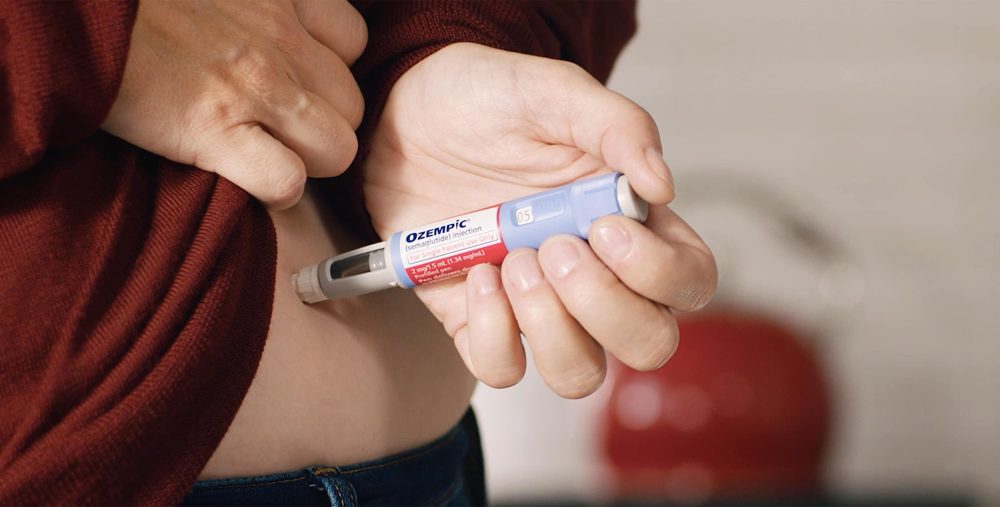
Ozempic for weight loss may help some adults reduce appetite and support weight management, but it is not approved by the FDA as a weight-loss medicine. It contains semaglutide, a GLP-1 receptor agonist (a medicine that mimics a gut hormone). For people with type 2 diabetes, weight change can occur while treating blood sugar. For others, use for weight loss is an off-label decision that needs careful clinician review.
That distinction matters. A safer plan starts with eligibility, side-effect planning, realistic expectations, and follow-up. It should not start with celebrity photos, rapid-loss promises, or self-directed dosing.
Key Takeaways
- Approved use: Ozempic treats type 2 diabetes, not obesity alone.
- Weight effects: Appetite often decreases, but results vary.
- Safety planning: Nausea is common; severe symptoms need care.
- Habits still matter: Protein, fiber, movement, and sleep support outcomes.
- Alternatives exist: Wegovy and other options may fit different goals.
How Semaglutide Supports Weight Change
Semaglutide can reduce hunger and increase fullness by activating GLP-1 receptors involved in appetite and glucose regulation. It may also slow gastric emptying, meaning food leaves the stomach more slowly. Many people describe less “food noise,” smaller portions, or fewer urges to snack.
These effects do not replace nutrition or activity. They can make a structured routine easier to follow. A practical plan often includes regular meals, enough protein, hydration, gentle activity, and symptom tracking. If you are already using this medicine, our Ozempic Diet resource can help you think through simple meal patterns that may feel more comfortable.
Ozempic for weight loss also raises an important access question. Because the medication’s approved indication is type 2 diabetes, a prescriber should decide whether it fits your medical history, current medicines, and treatment goals. BorderFreeHealth connects U.S. patients with licensed Canadian partner pharmacies, and prescription details are verified with the prescriber where required before dispensing by the pharmacy.
Who Might Be Considered, and Who Needs Extra Caution
A clinician may consider semaglutide-based care when the possible benefits outweigh the risks. That review usually includes weight history, blood sugar status, digestive symptoms, kidney function, gallbladder history, pregnancy plans, and current medications. People using insulin or sulfonylureas may need closer glucose monitoring because blood sugar patterns can shift.
Some people should avoid Ozempic or need specialist input. The prescribing information includes a boxed warning about thyroid C-cell tumors seen in rodents. People with a personal or family history of medullary thyroid carcinoma, or multiple endocrine neoplasia syndrome type 2, should discuss this warning carefully. Anyone with past pancreatitis, severe gastrointestinal disease, or active gallbladder problems should also raise those details early.
Why it matters: The safest plan is the one matched to your risks, not someone else’s results.
If you are trying to understand the prescription conversation, see Prescribed Ozempic Safely for a step-by-step look at what clinicians commonly review. This does not replace an appointment, but it can help you prepare better questions.
Results: What to Expect Without Chasing Fast Loss
Weight loss with semaglutide is usually gradual, and early weeks may focus more on tolerability than visible change. Some people notice appetite changes within weeks. Others need more time, especially if side effects limit meals or activity. Plateaus can happen even when the medicine is working.
Many searches focus on “1 month,” “6 week,” or “3 months” results. Those timelines can be useful for check-ins, but they are poor tools for judging personal success. Dose changes, food intake, sleep, stress, alcohol use, other medicines, and medical conditions all influence progress. A clinician can help decide whether a plateau is expected, whether side effects are interfering, or whether the treatment plan needs review.
Ozempic for weight loss also does not target belly fat specifically. When body weight changes, fat loss can occur across different areas. Genetics, hormones, age, and muscle mass influence where changes appear first. Be cautious with “before and after” pictures, especially celebrity posts. Lighting, posing, editing, and unclear timelines can distort expectations.
Use a simple tracker instead of relying only on scale weight. Record appetite, digestion, waist measurement, energy, sleep, and strength. The calculator below can help estimate percent weight change and progress toward a general goal. It does not predict your response or replace clinical guidance.
Weight-Loss Progress Calculator
Track percentage body-weight change and progress toward a target weight.
These calculations are for education only and do not replace clinical advice, diagnosis, or treatment. Always confirm medical decisions with a qualified healthcare professional.
Side Effects and Warning Signs
Ozempic side effects are often gastrointestinal. Nausea, vomiting, diarrhea, constipation, abdominal discomfort, burping, and reduced appetite can occur, especially after starting or changing a dose. Many symptoms improve with time, but they still deserve attention if they affect hydration, eating, or daily function.
Serious reactions are less common but important. Seek urgent medical care for severe or persistent abdominal pain, pain that spreads to the back, repeated vomiting, signs of dehydration, yellowing skin or eyes, or symptoms of a severe allergic reaction. New neck swelling, trouble swallowing, or persistent hoarseness should be assessed because of the thyroid tumor warning in labeling.
Common Effects to Track
- Nausea pattern: Note timing, meals, and triggers.
- Bowel changes: Track constipation or diarrhea frequency.
- Hydration issues: Watch dizziness, dark urine, or weakness.
- Meal tolerance: Record foods that worsen fullness.
- Glucose changes: Monitor if you use diabetes medicines.
Some readers search for ozempic side effects in females. Most known side effects are not limited to one sex, but pregnancy, breastfeeding, menstrual changes, contraception, and fertility planning can change the safety conversation. Tell your prescriber if pregnancy is possible or planned. Do not start, stop, or adjust medication without medical guidance.
For a deeper discussion of symptom patterns and when to call a clinician, visit Managing Ozempic Side Effects. Use that type of resource as preparation for care, not as a substitute for care.
Food Choices That May Improve Comfort
Food choices can reduce discomfort while appetite is lower. Many people tolerate smaller meals better than large portions. Lean protein, cooked vegetables, soups, yogurt, eggs, beans, fish, poultry, and whole grains may be easier to plan around than greasy or very heavy meals. Individual tolerance varies.
People often ask about ozempic foods to avoid. There is no universal banned-food list, but fried foods, large high-fat meals, alcohol, sugary drinks, and very spicy meals may worsen nausea or reflux for some users. Carbonated drinks can also feel uncomfortable when fullness lingers. If a food repeatedly triggers symptoms, reduce the portion or discuss alternatives with a dietitian.
Quick tip: Eat slowly, pause halfway, and stop before fullness becomes uncomfortable.
Protein and resistance activity matter because weight loss can include muscle loss. Your clinician or registered dietitian can help set protein targets if you have kidney disease, diabetes complications, eating disorder history, or complex medical needs. For a focused list of common triggers, see Ozempic Foods to Avoid.
Long-Term Questions: Skin, Face Changes, and Maintenance
Long-term use requires follow-up, not autopilot. Your care team may monitor glucose, kidney function, digestive tolerance, blood pressure, weight trend, and other medicines. If weight changes meaningfully, some medications for diabetes, blood pressure, or lipids may need reassessment by the prescriber.
“Ozempic face” is a popular term for facial hollowing or skin laxity noticed after weight loss. It is not a formal diagnosis. Any significant fat loss can make facial changes more visible, especially with age, genetics, sun exposure, or lower muscle mass. Slower weight change, adequate protein, hydration, and resistance training may support overall body composition, though they cannot prevent every skin change.
Maintenance is another key issue. Stopping a weight-management medicine may lead to increased appetite in some people. That does not mean the treatment “failed.” It means long-term planning matters. Discuss what success looks like, how often you should follow up, and what lifestyle supports you can keep even if medication changes.
How It Compares With Other Injections
Ozempic and Wegovy both contain semaglutide, but they are not the same product for regulatory purposes. Ozempic is approved for type 2 diabetes. Wegovy is approved for chronic weight management in specific eligible groups. Their labeling, dose schedules, and clinical use differ, so comparisons should happen with a licensed clinician.
Other medicines may also come up, including liraglutide-based or tirzepatide-based options. The “best injection” depends on medical history, side-effect tolerance, treatment goals, pregnancy plans, other medicines, access, and clinician judgment. No single choice fits everyone.
If you are comparing semaglutide products, Wegovy vs Ozempic explains key differences in a patient-friendly way. You can also browse the Weight Management collection for related educational topics. Product pages such as Wegovy or Ozempic may provide medication context, but treatment decisions still belong with your prescriber.
Practical Questions to Bring to Your Clinician
Good preparation makes the appointment safer and more useful. Bring a current medication list, supplement list, weight history, relevant lab results, prior gallbladder or pancreas issues, and details about pregnancy plans. Also share any history of disordered eating, severe reflux, gastroparesis (delayed stomach emptying), or repeated dehydration.
- Eligibility: Ask whether semaglutide fits your health profile.
- Approved use: Clarify on-label versus off-label treatment.
- Monitoring: Ask which symptoms or labs need follow-up.
- Interactions: Review diabetes, blood pressure, and stomach medicines.
- Nutrition support: Ask whether a dietitian would help.
- Side-effect plan: Confirm when to call or seek urgent care.
People without insurance may ask about cash-pay options or cross-border prescription pathways. Those details depend on eligibility, jurisdiction, and the prescription process. Keep the access conversation separate from the medical decision so safety remains the priority.
Authoritative Sources
For approved indications, boxed warnings, contraindications, and adverse reactions, review the FDA drug approval details for Ozempic. The official record is the best starting point for label-based safety information.
For semaglutide weight-management labeling, compare the FDA drug approval details for Wegovy. This helps explain why two semaglutide products can have different approved uses.
For plain-language medicine education, the MedlinePlus semaglutide drug information page summarizes key warnings and patient counseling points.
Recap
Ozempic for weight loss is best understood as a semaglutide-related weight effect within diabetes care, or as an off-label option that requires careful medical review. It may reduce appetite and support weight change, but it can also cause side effects and is not suitable for everyone.
Focus on safety first: confirm eligibility, track symptoms, set realistic milestones, and avoid comparing your body with online images. A steady plan with clinician follow-up gives you a better chance of protecting your health while assessing whether treatment still fits your goals.
This content is for informational purposes only and is not a substitute for professional medical advice.


