

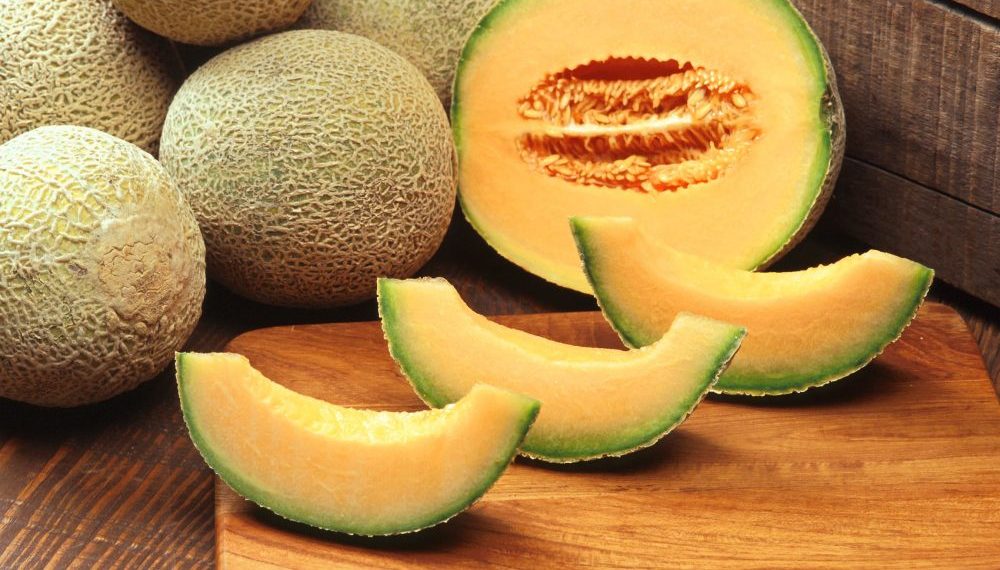
Cantaloupe can fit into a diabetes-friendly eating pattern when you keep the portion measured, pair it with protein or healthy fat, and watch your personal glucose response. The key issue with cantaloupe and diabetes is not that melon is forbidden. It is that the amount, timing, and meal context can change how quickly blood sugar rises.
Why this matters: fruit brings fiber, water, vitamins, and enjoyment. Removing it completely can make eating feel more restrictive than it needs to be. A steadier approach is to treat melon as a carbohydrate food, then build it into meals with intention.
Key Takeaways
- Portion first: start with about 1 cup diced cantaloupe.
- Pair wisely: add yogurt, nuts, seeds, eggs, or cottage cheese.
- Use glucose feedback: check patterns 1–2 hours after eating.
- Compare by serving: glycemic load matters more than sweetness alone.
- Choose whole fruit: juice is easier to overconsume and lacks texture.
Does Cantaloupe Raise Blood Sugar?
Cantaloupe can raise blood sugar because it contains natural carbohydrate. For many people, a measured serving causes a smaller rise than a large bowl of melon or a glass of juice. The difference comes from total carbohydrate, fiber, water, and what else is eaten with it.
One cup of diced cantaloupe is a practical starting portion for many adults. It gives sweetness, hydration, and micronutrients without turning the snack into a large carbohydrate load. If your meal plan uses carbohydrate counting, log melon as part of the meal rather than as a “free” food.
Cantaloupe also contains vitamin C, potassium, and orange carotenoids such as beta-carotene. These nutrients support general health, but they do not cancel out the fruit’s carbohydrate content. That balanced view helps answer a common question: is cantaloupe good for diabetics? It can be a reasonable choice when the portion fits your plan and your glucose readings stay in range.
Some people notice a faster rise when melon is eaten alone, especially in the morning or after a long gap without food. Others tolerate it well after lunch or dinner. If you use insulin or medicines that can cause low blood sugar, avoid changing carbohydrate patterns sharply without guidance from your clinician or diabetes care team.
Portion Size, Glycemic Index, and Glycemic Load
The glycemic index describes how quickly a carbohydrate food may raise blood glucose compared with a reference food. Glycemic load adds serving size to the picture, so it often feels more useful for real meals. Cantaloupe may be described as moderate on glycemic index lists, but a normal serving can still have a manageable glycemic load for many people.
In everyday terms, this means the bowl matters. A small measured cup is different from several cups eaten while standing at the counter. The same fruit can behave differently when the portion doubles or triples.
A simple way to test your own response is to keep the meal steady and change only the fruit portion. For example, try 1 cup of diced cantaloupe with Greek yogurt one day, then compare that with your usual snack on another day. Continuous glucose monitoring, or CGM, can make patterns easier to see. Fingerstick checks can also help if that is how you monitor.
Quick tip: Pre-portion melon before serving, especially at cookouts or buffets.
The calculator below can help you estimate glycemic load when you know the glycemic index, available carbohydrate, and serving amount. It is a general math tool, not a personalized diabetes recommendation.
Glycaemic Load Calculator
Calculate glycaemic load from glycaemic index and available carbohydrate in a serving.
These calculations are for education only and do not replace clinical advice, diagnosis, or treatment. Always confirm medical decisions with a qualified healthcare professional.
If you are learning how fruit portions fit into a wider eating plan, our list of Top Low Sugar Fruits For Diabetes compares lower-sugar options and serving ideas.
How to Eat Cantaloupe with Better Blood Sugar Balance
The most useful strategy is to stop treating melon as a standalone sweet snack. Add protein, fat, or extra fiber so digestion slows and the meal feels more satisfying. This does not guarantee a flat glucose curve, but it often reduces rapid peaks.
Try these balanced combinations:
- Greek yogurt bowl: cantaloupe, plain yogurt, cinnamon, and chia.
- Cottage cheese plate: melon, cottage cheese, cucumber, and pepper.
- Breakfast side: eggs with a half-cup to 1 cup of melon.
- Nut pairing: diced cantaloupe with almonds or pumpkin seeds.
- Salad option: melon, greens, feta, mint, and olive oil.
Timing can also help. Many people do better when fruit comes at the end of a mixed meal instead of first thing on an empty stomach. If evening snacks tend to raise your fasting glucose, test whether melon at night affects your morning numbers.
Texture matters too. Whole diced melon requires chewing and slows the eating pace. Smoothies and juices are easier to drink quickly, and larger amounts of fruit can disappear into one glass. If you enjoy blended drinks, measure the fruit first and add protein, such as plain yogurt, instead of using juice as the base.
Honeydew vs Cantaloupe for Diabetes
Honeydew and cantaloupe can both fit into diabetes meal planning, but neither is automatically “better” for everyone. The best choice depends on serving size, ripeness, what you pair it with, and your glucose response.
Cantaloupe is known for its orange color, which comes from carotenoids. Honeydew is usually pale green, mild, and juicy. Honeydew melon benefits include hydration, potassium, and vitamin C. Cantaloupe offers similar hydration plus beta-carotene. Both fruits are mostly water, which can make a measured serving feel refreshing and filling.
When comparing honeydew vs cantaloupe, avoid judging only by taste. A very ripe melon may seem sweeter, but the real question is how much carbohydrate you eat at once. A cup of either melon is a more useful comparison than a vague bowlful.
How honeydew fits a diabetes plate
Honeydew melon and diabetes can work together when you use the same structure as cantaloupe: measure, pair, and monitor. Try 1 cup with cottage cheese, a few walnuts, or a protein-forward breakfast. If you are asking whether honeydew melon is high in sugar, the answer is relative. It contains natural sugar, but a measured serving is very different from frequent large portions.
Some people find honeydew easier to portion because its flavor is milder. Others prefer cantaloupe because the stronger flavor feels satisfying in a smaller amount. Either way, check your response instead of relying only on general lists.
Watermelon, Pineapple, Grapes, and Other Fruit Choices
Other sweet fruits can still fit for many people with diabetes, but serving size becomes even more important. Watermelon, pineapple, and grapes are common examples because they are easy to overeat and often appear in large fruit bowls.
Watermelon has a high water content, so a cup can look generous while still being fairly light. However, watermelon glycemic load changes as the serving grows. If you wonder how much watermelon a diabetic should eat, a measured 1-cup portion is a common starting point to discuss with your care team or dietitian. Eating it after a meal may work better than eating it alone at night.
Pineapple is another fruit that needs portion awareness. Is pineapple good for diabetes? It can be included in small amounts for some people, especially with protein or fiber. A half-cup of pineapple with cottage cheese or unsweetened yogurt is often more balanced than pineapple juice or a large fruit cup.
Grapes can be nutritious, but they are easy to eat by the handful. If you ask whether a diabetic can eat grapes every day, the better question is whether the serving fits the day’s carbohydrate plan and glucose pattern. Pre-portioning can prevent accidental overeating.
For more fruit-specific context, you may also find our pages on Strawberries And Diabetes, Peaches And Diabetes, and Bananas And Diabetes useful for comparing common choices.
What Is the Best Fruit for People with Diabetes?
There is no single miracle fruit for diabetes. The best fruit is the one that fits your carbohydrate target, supports fullness, and keeps your readings in a safe range. For many people, berries, citrus, kiwi, avocado, peaches, and measured melon portions can all have a place.
Be careful with lists of the “5 worst fruits to eat for diabetics.” They can oversimplify a very personal topic. A fruit that spikes one person may be fine for another in a smaller serving or with a meal. The more useful ranking is based on your meter, your medication plan, and your usual portions.
Fruit form matters as much as fruit type. Whole fruit is usually easier to manage than juice, dried fruit, or canned fruit in heavy syrup. Dried fruit has less water, so the carbohydrate becomes concentrated into a small volume. That can make portions hard to judge.
Avocado is a different kind of fruit because it is higher in fat and lower in carbohydrate than most sweet fruits. If you want a lower-carbohydrate fruit option, our page on Avocados And Diabetes explains how it compares with sweeter choices.
If you live with type 2 diabetes and want broader nutrition reading, the Type 2 Diabetes collection groups related education in one place. For a wider set of diabetes topics, browse the Diabetes collection.
When to Be More Careful with Melon
Cantaloupe and diabetes usually comes down to routine decisions, but some situations need extra caution. If you are pregnant, have kidney disease, use insulin, take medications that can cause hypoglycemia, or have repeated highs or lows, ask your clinician or registered dietitian how fruit should fit your plan.
People with advanced kidney disease may need individualized potassium guidance. Melons contain potassium, and “healthy” foods can still need limits when kidney function is reduced. Your care team can help you balance blood sugar, kidney needs, and heart health goals.
Gastroparesis, or delayed stomach emptying, can also change glucose timing after meals. Fruit may not raise glucose when expected, then contribute to a later rise. If you have nausea, early fullness, unpredictable readings, or frequent lows after eating, individualized advice matters.
Food safety is another practical point. Cantaloupe has a rough rind that can hold bacteria. Wash the outside before cutting, use clean utensils, and refrigerate cut melon promptly. People who are pregnant, older, immunocompromised, or medically fragile should be especially careful with cut fruit storage.
A Simple Melon Plan You Can Try
A repeatable plan can make fruit feel less stressful. Start with one measured serving, pair it with a steady protein source, and check your glucose pattern. Then adjust the portion or timing if needed.
- Measure 1 cup of diced cantaloupe or honeydew.
- Add protein, such as yogurt, eggs, or cottage cheese.
- Include fat or fiber, such as nuts, seeds, or chia.
- Eat it with or after a meal when possible.
- Check your glucose pattern after the first few trials.
- Record what worked, including time of day and portion.
Example: A person who enjoys sweet breakfasts might swap a large fruit bowl for plain Greek yogurt, 1 cup diced cantaloupe, chia, and walnuts. The meal still feels fresh and sweet, but it has more protein and fat than melon alone.
Another example: At a summer gathering, you might serve yourself a measured scoop of melon after grilled chicken and salad. This gives you the fruit you enjoy while avoiding repeated grazing from the serving bowl.
Authoritative Sources
The American Diabetes Association explains that fruit can fit into diabetes meal planning, especially when portions and carbohydrate totals are considered. See its guidance on fruit choices for diabetes.
The Mayo Clinic also addresses the common concern that sweet fruits must always be avoided. Its diabetes nutrition guidance notes that carbohydrate amount and meal context matter; read more in its answer on diabetes and sweet fruits.
For nutrient details, USDA FoodData Central lets readers check fruit nutrition by serving size. You can search its database for cantaloupe and other melons.
Recap
Cantaloupe can be part of a diabetes-friendly pattern when you measure the serving, pair it with protein or fat, and use your glucose readings as feedback. Honeydew, watermelon, pineapple, and grapes can also fit for some people, but portions and timing matter.
The most practical approach is not to fear fruit. Build a repeatable plate, keep servings realistic, and ask for professional guidance when readings are unpredictable or your health situation is more complex.
This content is for informational purposes only and is not a substitute for professional medical advice.


