

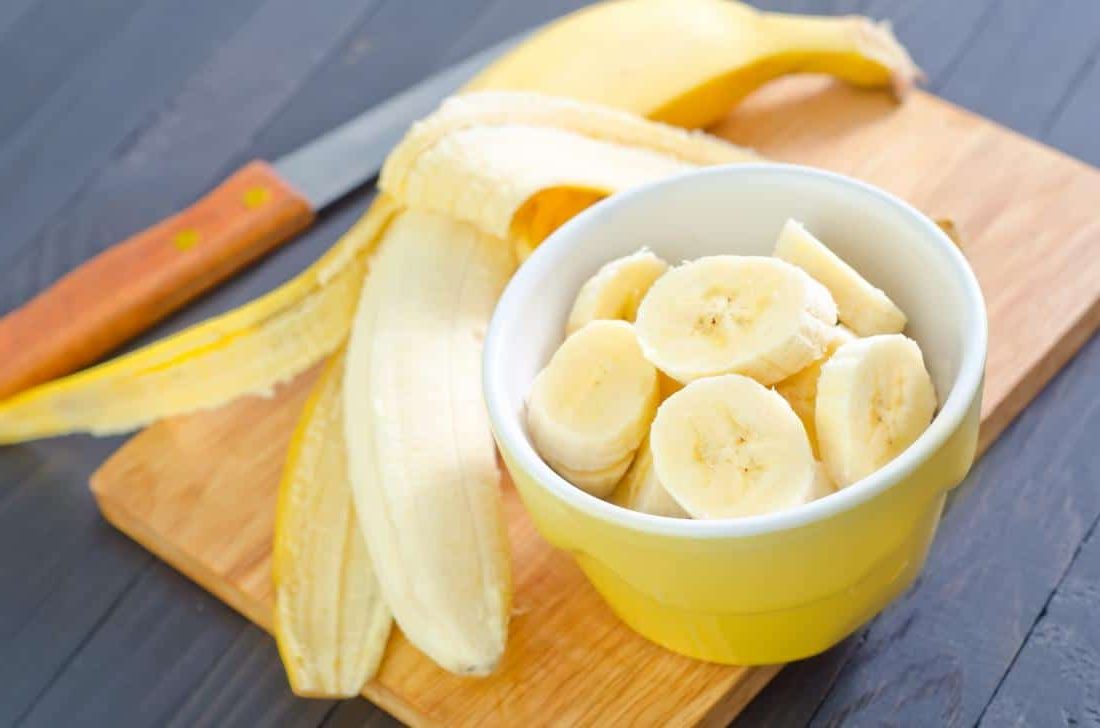
Yes, bananas can fit into many diabetes eating patterns, but they are not a free food. If you are wondering are bananas good for diabetics, the practical answer depends on portion size, ripeness, total carbohydrate, and what else you eat with the fruit.
That nuance matters because fruit advice can feel confusing. Bananas offer fiber, potassium, vitamin B6, and other nutrients. They also contain digestible carbohydrate that can raise blood sugar. Instead of treating bananas as either forbidden or perfect, it helps to look at the amount, the form, and your own glucose pattern. For broader diabetes nutrition topics, you can browse the Diabetes Hub.
Key Takeaways
- Bananas can fit, especially in planned portions.
- Ripeness matters because starch changes into sugar.
- Whole bananas usually beat juice or sweetened products.
- Pairing fruit with meals may soften glucose swings.
- Your meter or CGM pattern matters more than fruit rankings.
Can Diabetics Eat Bananas Safely?
Most people with diabetes can eat bananas in reasonable portions. The key is to count the banana as a carbohydrate food, not as a neutral snack. A small banana, half of a large banana, or a banana eaten with a balanced meal may fit better than a large ripe banana eaten alone.
The same broad idea applies to type 1 and type 2 diabetes, although medication timing can change the picture. People who use insulin or medicines that can cause hypoglycemia may need more individualized guidance. A registered dietitian or diabetes care team can help match fruit choices with carbohydrate targets, activity, and medication plans.
It also helps to separate a plain banana from foods that only contain banana. Banana bread, sweetened smoothies, banana chips, and desserts often include refined flour, added sugars, syrups, or concentrated fruit. Those foods can affect blood sugar differently from a whole banana.
Why it matters: Cutting out all fruit can make eating more restrictive without solving glucose patterns.
How Bananas Affect Blood Sugar
Bananas affect blood sugar because their carbohydrate is partly broken down into glucose. Fiber can slow digestion somewhat, but it does not erase the carbohydrate. This is why bananas and blood sugar are best judged by portion and context.
Carbohydrate, Fiber, and Natural Sugar
Natural sugar is still sugar in a metabolism sense. Your body does not ignore it because it came from fruit. At the same time, a whole banana contains water, fiber, and nutrients that make it different from candy or juice.
Size changes the carbohydrate load. A small banana and an extra-large banana are not equal servings. If you buy large bananas, using half at a time can make your response easier to compare from one meal to the next.
If you track carbohydrate servings, a simple calculator can help you divide total carbohydrate by your usual serving target. It is a math aid, not personal medical advice.
Carb Serving Calculator
Convert total carbohydrate grams into carb choices for meal planning and diabetes education.
These calculations are for education only and do not replace clinical advice, diagnosis, or treatment. Always confirm medical decisions with a qualified healthcare professional.
Glycemic Index and Glycemic Load
The banana glycemic index can be useful, but it does not tell the whole story. Glycemic index estimates how quickly a food may raise blood sugar compared with a reference food. Glycemic load also considers the amount of carbohydrate in the serving.
In daily life, the meal matters more than one number. A smaller banana with plain yogurt may behave differently than a large ripe banana eaten by itself. Activity, sleep, stress, illness, and medication timing can also affect readings.
Ripeness Changes the Glucose Picture
Banana ripeness can change how the fruit behaves for some people. Greener bananas contain more resistant starch, which is starch that resists digestion. As bananas ripen, some starch becomes simpler sugar, which makes the fruit taste sweeter and feel softer.
That does not mean ripe bananas are off-limits. It means a greenish banana, a yellow banana, and a very spotted banana may not produce identical glucose patterns. Some people notice a clear difference. Others see only small changes when the portion stays the same.
Use ripeness as one clue, not as a strict rule. If you use a glucose meter or continuous glucose monitor as directed by your care team, compare similar meals more than once. One reading after one banana does not prove a permanent pattern.
- Greener bananas: more resistant starch and firmer texture.
- Yellow bananas: balanced sweetness and easier eating.
- Spotted bananas: sweeter taste and softer texture.
- Overripe bananas: often used in baking or smoothies.
Quick tip: Choose a repeatable portion before judging whether ripeness changes your response.
Portion Size Is Usually the Main Decision
Banana portion size for diabetes often matters more than the label of good or bad. A full small banana may work well for one person. Half of a large banana may work better for another. The right amount depends on the rest of the meal and your usual carbohydrate goals.
There is no universal answer to how many bananas can a diabetic eat. A person who eats a banana after exercise may respond differently from someone who eats the same banana as a late-night snack. Medications, insulin timing, kidney function, and appetite also matter.
Example: one person may see a higher-than-expected reading after a large spotted banana eaten alone. The same person may see a steadier pattern with half a banana, plain Greek yogurt, and a few nuts. Another person may notice little difference between a small banana and an apple when both are eaten with breakfast.
These examples are not rules. They show why personal response is more useful than universal fruit rankings.
Whole Bananas Compared With Other Fruit Choices
No single fruit is the number one fruit for diabetes. Whole fruit choices work best when they match your appetite, carbohydrate plan, glucose response, and medical needs. Bananas are not automatically worse than apples, berries, pears, peaches, or melon. They are simply more carbohydrate-dense than some water-rich fruits.
If you want lower-sugar options to compare, this overview of Low-Sugar Fruits for Diabetes may help you think beyond a single fruit. You can also compare specific whole-fruit choices, such as Strawberries and Diabetes, Peaches and Diabetes, and Cantaloupe and Diabetes.
Fruit form matters. Whole fruit keeps its fiber and takes longer to eat. Juice can raise glucose faster because it is easier to drink a large carbohydrate amount quickly. Dried fruit packs more carbohydrate into a small volume. Canned fruit varies based on the packing liquid.
| Fruit Form | Why It Matters | Practical Check |
|---|---|---|
| Whole banana | Carbs vary by size and ripeness | Use a consistent portion |
| Whole berries or melon | Often higher in water per serving | Compare portions, not labels |
| Fruit juice | Easy to drink quickly | Watch serving size closely |
| Dried fruit | Concentrated carbohydrate | Measure rather than grazing |
| Canned fruit | Added syrup can change carbs | Look for unsweetened options |
Canned fruit can still fit when labels say packed in water, packed in its own juice, unsweetened, or no added sugar. Heavy syrup and sweetened sauces can increase carbohydrate quickly. For a different fruit with more fat and fewer digestible carbs, see Avocados and Diabetes.
Practical Ways to Include Bananas
Bananas fit best when you make them part of a plan. Start with a portion you can repeat, then notice how your body responds. If a full banana feels like too much, try half and save the rest for later.
Pairing can also help some people. Protein, fat, and fiber from the rest of the meal may slow digestion and improve fullness. Options such as plain yogurt, nuts, eggs, or a balanced breakfast can make a banana feel less like a stand-alone sweet snack.
Simple steps can make bananas easier to evaluate:
- Pick a size: choose small, or split large bananas.
- Note ripeness: track green, yellow, or spotted.
- Pair thoughtfully: add protein or fat if helpful.
- Avoid liquid overload: limit juice-based smoothies.
- Compare patterns: review several similar meals.
- Reassess changes: illness, stress, and medications can shift responses.
Smoothies deserve extra attention. A smoothie made with one measured banana and unsweetened ingredients may fit for some people. A smoothie with juice, sweetened yogurt, syrups, and several fruits can become a high-carbohydrate drink quickly.
When to Ask for Personalized Advice
Ask for tailored advice if bananas consistently raise your glucose more than expected. That pattern is useful information, not a personal failure. A clinician or registered dietitian can help you review the portion, meal timing, and the rest of your carbohydrate intake.
Personal guidance is especially important if you use insulin, have frequent high or low glucose readings, are pregnant, have gastroparesis, have an eating disorder history, or follow a kidney-related potassium restriction. Bananas contain potassium, which is usually beneficial for many people but may need closer review in advanced kidney disease or potassium-restricted diets.
Seek prompt medical care if you have symptoms of severe high or low blood sugar, dehydration, confusion, fainting, chest pain, or you feel seriously unwell. Food adjustments should not replace urgent care when symptoms are concerning.
In the end, are bananas good for diabetics depends less on the fruit’s reputation and more on portion size, ripeness, meal context, and your own glucose pattern. A banana can be a reasonable whole-fruit choice. It works best when treated as one part of the meal, not as a cure-all or a forbidden food.
Authoritative Sources
- For practical fruit selection advice, see the American Diabetes Association fruit guidance.
- For broader diabetes lifestyle guidance, review NIDDK healthy living with diabetes.
- For carbohydrate planning basics, see ADA guidance on understanding carbohydrates.
This content is for informational purposes only and is not a substitute for professional medical advice.


