
Please note: a valid prescription is required for all prescription medication.
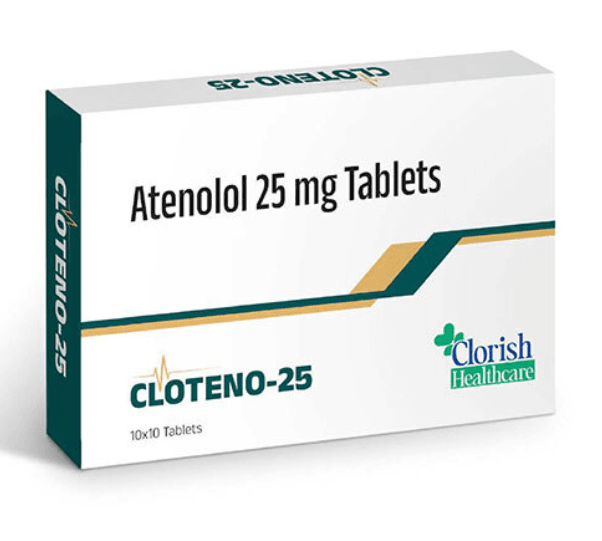
Atenolol
Buy Atenolol Online
Secure Encrypted Payments
Atenolol is a beta blocker used to help manage high blood pressure and chest pain from angina. It can be bought online through BorderFreeHealth, with dose and strength choices matched to the directions from your clinician. Choose the Atenolol strength shown during ordering that corresponds to your treatment plan, then review the current cash price before checkout.
Atenolol Price, Strength Selection, and Ordering
Atenolol pricing can vary by strength, quantity, manufacturer, and pharmacy sourcing. During ordering, you can view the current Atenolol cash price and choose the strength that matches your clinician’s instructions. Commonly supplied tablet strengths include 12.5 mg, 25 mg, 50 mg, and 100 mg, although exact availability may vary by manufacturer and supply.
Many customers compare Atenolol 25 mg price, Atenolol 50 mg cost, and Atenolol 100 mg price when planning ongoing therapy. The best value is not always the lowest unit price; it should also fit the daily dose, refill timing, and any tablet-splitting instructions from a healthcare professional. If you pay out of pocket, reviewing the total before checkout helps you plan a steady supply without changing how you take the medicine.
BorderFreeHealth provides U.S.-from-Canada service for eligible medication orders supplied through licensed pharmacies. We may review order details and may help confirm medicine directions when needed, so the strength selected aligns with the label on the medication you receive. US delivery from Canada is available with prompt, express shipping.
Quick tip: Keep the medicine name, strength, and dosing schedule in one place so refills match your current plan.
What Atenolol Treats
Atenolol is used for high blood pressure, also called hypertension, and for chest pain due to angina. It may also be used after a heart attack as part of longer-term cardiovascular care when a clinician determines it is appropriate. For condition background, see our information on hypertension, angina, and heart attack.
Lowering blood pressure reduces strain on blood vessels and the heart. For angina, the goal is to reduce the heart’s workload so it needs less oxygen during activity or stress. Atenolol is not a rescue treatment for sudden severe chest pain; urgent symptoms need immediate medical attention.
Some people hear that atenolol is “no longer used” and wonder whether it is outdated. In practice, it is still used, but treatment guidelines may favor other first-line blood pressure medicines for some patients. Choice depends on heart rate, other conditions, past heart events, side effects, and whether another medicine is needed to reach blood pressure goals.
How This Beta Blocker Works
Atenolol is the active ingredient in Tenormin, and generic atenolol is often described as generic Tenormin. It belongs to a group called beta blockers. More specifically, it is beta-1 selective, meaning it mainly blocks beta receptors in the heart at usual doses.
By blocking stress-hormone effects on the heart, atenolol slows the heart rate and reduces the force of contraction. This can lower blood pressure and decrease oxygen demand in the heart muscle. Some people notice that their pulse does not rise as much during exercise, so activity plans should be discussed with a clinician, especially for people who track heart rate zones.
Atenolol may be used alone or with other cardiovascular medicines. Combination plans can include a diuretic, ACE inhibitor, calcium channel blocker, or another agent when clinically appropriate. Products such as atenolol-chlorthalidone combinations are different medicines and should not be substituted for plain atenolol unless a clinician changes the treatment plan.
How to Take Atenolol Tablets
Take atenolol exactly as directed on your medication label. It is commonly taken once daily, often at the same time each day, with a glass of water. Food does not usually create a clinically meaningful change in absorption, so many people take it with or without meals unless told otherwise.
Some people ask whether atenolol should be taken at night. The best timing depends on symptoms, blood pressure pattern, other medicines, and whether dizziness or tiredness occurs. Consistency matters most; a regular daily routine helps keep blood levels steadier and makes missed doses less likely.
Do not stop atenolol suddenly without medical direction, particularly if you have coronary artery disease or a history of angina. Stopping abruptly may worsen chest pain or trigger rebound heart symptoms in some people. If discontinuation is needed, a clinician can provide a gradual plan.
Strengths, Tablets, and Generic Tenormin
Atenolol is commonly supplied as oral tablets. The 25 mg, 50 mg, and 100 mg tablet strengths are frequently searched because they are used in many adult dosing plans. A 12.5 mg dose may be achieved with certain scored tablets when splitting is specifically directed and appropriate for the exact tablet supplied.
Tablet appearance can differ between manufacturers. Color, shape, imprint, and scoring may change even when the active ingredient and strength are the same. If a refill looks different from a previous fill, confirm the imprint and label before taking it.
Tenormin is the brand name associated with atenolol. Generic atenolol contains the same active ingredient, but inactive ingredients and tablet appearance may differ. Some patients may stay with a specific manufacturer for consistency, while others use a different approved manufacturer when it matches their directions and is acceptable to their clinician.
Missed Dose, Monitoring, and Daily Routine
If you miss a dose, follow the instructions provided with your medicine. A common approach is to take it when remembered on the same day, unless it is close to the next scheduled dose. Do not take two doses at once to make up for a missed tablet.
Home monitoring can make treatment easier to adjust safely. Keep a log of blood pressure readings, pulse, dose timing, dizziness, fatigue, and angina symptoms. Bring those notes to appointments so decisions are based on your actual pattern rather than a single reading.
Because atenolol slows the heart rate, pulse monitoring can be useful. A very slow pulse, fainting, new shortness of breath, swelling, or worsening chest pain needs prompt medical attention. People with diabetes should also know that beta blockers can mask a fast heartbeat during low blood sugar episodes.
Side Effects, Warnings, and Interactions
The major side effect people ask about is a slow heart rate, especially when it causes dizziness, faintness, fatigue, or weakness. Other common effects include tiredness, cold hands or feet, lightheadedness, nausea, diarrhea, sleep changes, or vivid dreams. These effects are not the same for everyone, and they may depend on dose, age, kidney function, and other medicines.
Serious concerns include very slow heartbeat, worsening heart failure, breathing problems in sensitive patients, severe dizziness, fainting, swelling, or chest pain that worsens. Atenolol may not suit people with certain heart blocks, severe bradycardia, uncontrolled heart failure, or reactive airway disease that worsens with beta blockers. Older adults and people with kidney impairment may need closer monitoring because atenolol is cleared largely through the kidneys.
Important interactions include other medicines that slow the heart, such as certain calcium channel blockers, digoxin, clonidine, and some antiarrhythmic medicines. Nonsteroidal anti-inflammatory drugs may reduce blood pressure-lowering effects in some patients. Alcohol can increase dizziness or lightheadedness, so use caution and stand slowly after sitting or lying down.
Why it matters: Safe use depends on matching the dose, pulse response, and other heart medicines to your clinical situation.
What to Avoid While Taking Atenolol
Avoid suddenly stopping atenolol unless a healthcare professional gives you a tapering plan. Sudden interruption can be risky for people with coronary disease or angina. Refill reminders are practical because missing several doses may allow symptoms to rebound.
Be careful with alcohol, dehydration, hot weather, and rapid position changes because they can worsen dizziness. If you drive, operate equipment, or exercise intensely, wait until you know how the medicine affects your alertness, pulse, and stamina. Discuss any new over-the-counter pain reliever or cold medicine before using it regularly.
Let surgeons, dentists, and other healthcare professionals know you take a beta blocker before procedures. If you have diabetes, monitor glucose as directed because a fast heartbeat may not warn you of low blood sugar. If you have asthma, COPD, circulation problems, thyroid disease, depression, or kidney disease, discuss those conditions before starting or changing therapy.
Storage and Travel
Store atenolol tablets at room temperature in the original container, away from excess moisture, heat, and direct light. Keep the bottle tightly closed and out of reach of children and pets. Bathrooms are not ideal because humidity changes often.
For travel, keep tablets in a labeled container inside your carry-on bag. Bring enough supply for the trip and allow extra time for delays. If you cross time zones, aim to keep doses spaced consistently and ask a clinician or pharmacist how to handle timing for long trips.
Do not use tablets that are damaged, discolored, or past their labeled date without pharmacy guidance. Dispose of unused medicine through a take-back program when available. If no program is accessible, follow local safe-disposal guidance.
How Atenolol Compares With Related Options
Atenolol is one beta blocker among several. Some alternatives differ in beta-1 selectivity, duration of action, kidney or liver handling, and approved uses. The right choice may depend on blood pressure goals, heart rhythm issues, migraine history, tremor, lung disease, diabetes, and tolerability.
For brand-name atenolol, some patients may discuss Tenormin. Other beta blockers include nadolol and propranolol, which are not identical to atenolol and may be chosen for different clinical reasons. Do not switch between beta blockers without medical direction because dose equivalence and monitoring needs differ.
Patients managing broader heart and blood pressure therapy can browse our cardiovascular category. Articles in our cardiovascular health section can also help you prepare questions about monitoring, lifestyle measures, and long-term medicine use.
Questions to Discuss With a Healthcare Professional
- What blood pressure and pulse range should I track at home?
- Should my Atenolol 25 mg, 50 mg, or 100 mg tablet be taken in the morning or evening?
- Which side effects should prompt a same-day call?
- Could any of my other medicines slow my heart rate too much?
- Do my asthma, diabetes, kidney, thyroid, or circulation issues affect suitability?
- What should I do if I miss a dose or become ill with vomiting or dehydration?
- Is a different beta blocker or another blood pressure class better for my situation?
Authoritative Sources
Official Tenormin prescribing information
MedlinePlus atenolol drug information
NHS atenolol patient information
This content is for informational purposes only and is not a substitute for professional medical advice.
Blood Pressure Average Calculator
Average home blood pressure readings and show a simple screening range.
Average BP
-
entered readings only
Range
-
screening category
These calculations are for education only and do not replace clinical advice, diagnosis, or treatment. Always confirm medical decisions with a qualified healthcare professional.
Target Heart Rate Calculator
Estimate exercise heart-rate zones using age, resting heart rate, and the Karvonen method.
Max HR estimate
-
220 - age
Target zone
-
Karvonen method
These calculations are for education only and do not replace clinical advice, diagnosis, or treatment. Always confirm medical decisions with a qualified healthcare professional.
Creatinine Clearance Calculator
Estimate creatinine clearance using the Cockcroft-Gault equation.
CrCl
-
mL/min estimate
These calculations are for education only and do not replace clinical advice, diagnosis, or treatment. Always confirm medical decisions with a qualified healthcare professional.
eGFR Calculator
Estimate kidney filtration using the 2021 CKD-EPI creatinine equation.
eGFR
-
mL/min/1.73 m2
G category
-
requires clinical context
These calculations are for education only and do not replace clinical advice, diagnosis, or treatment. Always confirm medical decisions with a qualified healthcare professional.
Express Shipping - from $29.99
Shipping with this method takes 3-5 days
Prices:
- Dry-Packed Products $29.99
- Cold-Packed Products $39.99
Shipping Countries:
- United States (all contiguous states**)
- Worldwide (excludes some countries***)
Standard Shipping - $19.99
Shipping with this method takes 5-10 days
Prices:
- Dry-Packed Products $19.99
- Not available for Cold-Packed products
Shipping Countries:
- United States (all contiguous states**)
- Worldwide (excludes some countries***)
What is Atenolol used for?
Atenolol is used to treat high blood pressure and help prevent chest pain from angina. It may also be used after a heart attack as part of ongoing cardiovascular care when a clinician considers it appropriate.
What is the major side effect of Atenolol?
A slow heart rate is one of the most important effects to watch for, especially if it causes dizziness, fainting, unusual tiredness, or weakness. Other common effects include cold hands or feet, nausea, diarrhea, and sleep changes.
Why do some people say Atenolol is no longer used?
Atenolol is still used, but some guidelines prefer other first-line medicines for uncomplicated high blood pressure in certain patients. It may remain appropriate for angina, heart-rate control needs, or specific cardiovascular histories.
What should I avoid while taking Atenolol?
Avoid stopping suddenly unless a healthcare professional gives you a tapering plan. Use caution with alcohol, dehydration, hot weather, and other medicines that can lower blood pressure or slow heart rate.
Can Atenolol be taken at night?
Some people take atenolol at night, while others take it in the morning. The best timing depends on your symptoms, blood pressure pattern, other medicines, and whether dizziness or tiredness occurs.
Rewards Program
Earn points on birthdays, product orders, reviews, friend referrals, and more! Enjoy your medication at unparalleled discounts while reaping rewards for every step you take with us.
You can read more about rewards here.
POINT VALUE
How to earn points
- 1Create an account and start earning.
- 2Earn points every time you shop or perform certain actions.
- 3Redeem points for exclusive discounts.
You Might Also Like
Select options
This product has multiple variants. The options may be chosen on the product page
Select options
This product has multiple variants. The options may be chosen on the product page
Select options
This product has multiple variants. The options may be chosen on the product page
Select options
This product has multiple variants. The options may be chosen on the product page