

Please note: a valid prescription is required for all prescription medication.
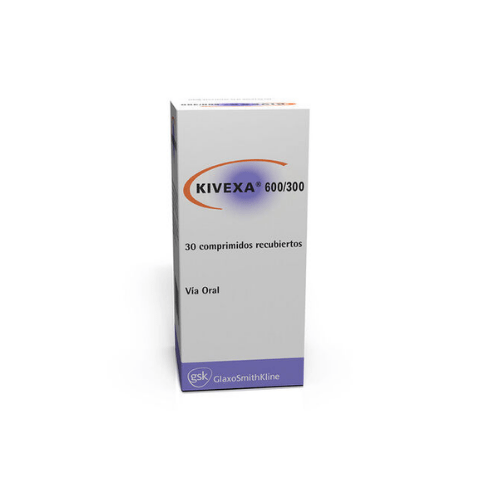
Kivexa
Buy Kivexa 600 mg/300 mg Tablets Online
Secure Encrypted Payments
Kivexa is an antiretroviral tablet that combines abacavir 600 mg and lamivudine 300 mg for use as part of HIV treatment. You can buy Kivexa online and choose the strength shown during ordering so it matches the directions from your HIV care clinician. The medicine is supplied through licensed pharmacy channels, with US shipping from Canada available through the service.
Kivexa is not taken by itself to treat HIV. It is used with other antiretroviral medicines in a complete regimen, and the right combination depends on treatment history, resistance testing, other health conditions, and current lab results. Because uninterrupted therapy is important in HIV care, ordering with enough time for ongoing refills can help reduce avoidable gaps.
Kivexa Price, Strength, and Ordering Basics
Kivexa price can vary by supply source, manufacturer, quantity, and the product shown during checkout. The listed tablet strength for this product is abacavir 600 mg/lamivudine 300 mg, sometimes written as abacavir lamivudine 600/300 mg. Review the current cash-pay cost, tablet count, and product label information before completing an order.
The practical ordering decision is straightforward: choose the Kivexa tablets shown for the product and make sure the strength matches your treatment plan. If your clinician changes your regimen, do not keep ordering the same medicine out of habit. Combination HIV therapy depends on each component working together, so a change in one medicine can affect the full plan.
For people paying out of pocket, predictable refill planning matters as much as the per-order amount. HIV medicines are usually taken continuously, and delayed refills can interrupt viral suppression. If you are browsing by treatment area, the antivirals category groups related medicines used for viral infections.
Quick tip: Reorder before your last week of tablets whenever possible, especially before travel or holidays.
What Kivexa Treats
Kivexa is used in antiretroviral combination therapy for human immunodeficiency virus, or HIV, infection. HIV treatment aims to reduce the amount of virus in the blood and support immune health over time. Kivexa does not cure HIV or AIDS, and it does not prevent HIV transmission on its own.
The tablet contains two medicines from the nucleoside reverse transcriptase inhibitor class. NRTIs block reverse transcriptase, an enzyme HIV uses to copy its genetic material. When abacavir and lamivudine are paired with other antiretroviral agents, they help form a treatment backbone within a complete regimen.
HIV care is individualized, so lab monitoring and clinical history guide the final choice. Clinicians may consider viral load, CD4 count, prior treatment response, resistance results, hepatitis B status, kidney function, liver health, and cardiovascular risk discussions. For condition-level browsing, the HIV care section groups related treatment content and products.
Active Ingredients and Tablet Details
Each Kivexa tablet contains abacavir and lamivudine in a fixed-dose combination. Fixed-dose means both active ingredients are built into one tablet at set amounts. This can simplify daily routines, but it also means the individual components cannot be adjusted separately within the same tablet.
Abacavir and lamivudine are both antiretrovirals, but they are not interchangeable with every other HIV medicine. Lamivudine also has activity against hepatitis B virus, which is clinically important if therapy is stopped or changed. Abacavir requires careful screening and history review because a hypersensitivity reaction can be serious.
| Component | Drug class | Amount per tablet |
|---|---|---|
| Abacavir | NRTI | 600 mg |
| Lamivudine | NRTI | 300 mg |
Packaging appearance, manufacturer details, and leaflet format can differ by supply channel. Always use the label on the container you receive as the immediate reference for your tablets, storage directions, and use instructions.
How Kivexa Is Commonly Taken
Kivexa tablets are commonly taken once daily by mouth as directed in a complete HIV regimen. They may be taken with or without food, which can make it easier to fit the dose into a consistent daily routine. If stomach upset occurs, ask your care team whether taking the tablet with food is appropriate for you.
Do not double doses after a missed tablet unless a clinician specifically tells you to do so. Missed-dose instructions can depend on timing, the rest of the regimen, and your clinical situation. A pill organizer, phone reminder, or travel alarm can help keep daily dosing consistent.
If swallowing tablets is difficult, ask a pharmacist or clinician before splitting, crushing, or mixing the tablet with food. Some products have handling instructions that should be followed exactly. If vomiting occurs soon after a dose, professional guidance can help determine whether another dose is needed.
Who Should Use Extra Caution
Kivexa is not suitable for everyone. Abacavir-containing medicines should not be used by people who have the HLA-B*5701 genetic marker or who have previously had an abacavir hypersensitivity reaction. Screening for HLA-B*5701 is commonly performed before starting abacavir because the marker strongly increases hypersensitivity risk.
People with moderate or severe liver impairment may not be appropriate candidates for abacavir-containing fixed-dose tablets. Kidney function can also matter because lamivudine is cleared through the kidneys, and fixed-dose combinations may not allow the separate dose adjustment some patients need. Hepatitis B coinfection requires careful planning because stopping lamivudine activity can lead to hepatitis B flare.
Tell your clinician about all major medical conditions before using abacavir/lamivudine, including liver disease, kidney disease, hepatitis B or C, heart disease risk factors, pregnancy, planned pregnancy, or breastfeeding. HIV treatment decisions during pregnancy or breastfeeding require individualized medical guidance and current guideline review.
Side Effects, Warnings, and Monitoring
Common side effects reported with abacavir/lamivudine therapy can include headache, nausea, tiredness, diarrhea, trouble sleeping, and general discomfort when a regimen is started or changed. Many symptoms improve as the body adjusts, but persistent or severe effects should be discussed with a clinician. Keeping a short symptom log can make the conversation more useful.
The most important abacavir warning is hypersensitivity reaction. This reaction can involve fever, rash, nausea, vomiting, diarrhea, abdominal pain, severe tiredness, body aches, sore throat, cough, shortness of breath, or symptoms from multiple body systems. If abacavir hypersensitivity is suspected, urgent medical advice is needed, and abacavir-containing medicines are generally not restarted because re-exposure can be dangerous.
Kivexa also shares serious warnings seen with some NRTI medicines, including rare lactic acidosis and severe liver enlargement with fat buildup. Symptoms that need prompt attention can include unusual weakness, trouble breathing, stomach pain, persistent nausea, vomiting, yellowing skin or eyes, dark urine, or severe muscle pain. These reactions are uncommon, but knowing the warning signs helps you act quickly.
Monitoring usually includes HIV viral load, immune markers, and organ-function labs based on your treatment plan. Your clinician may also review cardiovascular risk when considering abacavir, especially if other risk factors are present. Why it matters: Routine monitoring helps confirm that the regimen remains effective and tolerable.
Drug Interactions and Combination Cautions
Medication interactions can involve prescription medicines, non-prescription products, supplements, alcohol, and recreational substances. Keep an updated medication list and share it whenever your HIV regimen changes. This is especially important if you see more than one clinician or use medicines from different sources.
A key caution with Kivexa is duplication. It should not usually be combined with other medicines that already contain abacavir, lamivudine, or closely related NRTIs such as emtricitabine unless a clinician has made a specific plan. Unintentional duplication can increase toxicity without improving HIV control.
Alcohol can affect abacavir exposure, and methadone may require monitoring when abacavir is started or stopped. Medicines that affect kidney function can also matter because lamivudine handling depends partly on renal clearance. If a new symptom starts after adding another medicine, report the timing and all recent changes.
Storage, Handling, and Travel
Store Kivexa tablets at room temperature and protect them from excess moisture and heat. Keep tablets in the original container when practical, and close the cap tightly after each use. Avoid bathrooms, cars, windowsills, or other places with frequent temperature swings.
If a drying packet is included in the bottle, leave it inside unless the label says otherwise. Do not use tablets that look damaged, wet, unusually discolored, or past the expiration date on the container. Ask a pharmacist how to dispose of tablets you no longer need.
For travel, carry Kivexa in hand luggage rather than checked baggage. Keep enough supply for delays, and maintain your usual dosing interval as closely as possible when crossing time zones. BorderFreeHealth offers prompt, express shipping, but refill timing should still allow for order processing and travel plans.
Kivexa, Generic Kivexa, and Epzicom
Kivexa is the brand name used in some markets for the fixed-dose combination of abacavir and lamivudine. In the United States, the same active-ingredient combination is associated with Epzicom and with generic abacavir/lamivudine products. Brand names, packaging, and regulatory records can differ by country while the active ingredients remain the key clinical comparison.
When people search for generic Kivexa or Epzicom generic, they are usually looking for abacavir lamivudine tablets. The important questions are whether the active ingredients, strength, and dosage form match the intended regimen, and whether the medicine is appropriate for the patient’s safety profile. Do not switch between brand and generic versions without making sure your care team agrees that the substitution fits your plan.
Country-of-origin details can matter to some customers when reviewing pharmacy-supplied products. If you want to browse store items associated with Canadian sourcing, see the Canada country-of-origin section.
Related Treatment Decisions
Kivexa is one possible NRTI backbone, not a complete regimen by itself. Other HIV regimens may use tenofovir-based backbones, integrase inhibitors, protease inhibitors, or non-nucleoside reverse transcriptase inhibitors depending on resistance patterns and patient-specific factors. The best comparison is not only product-to-product; it is whether the full regimen is effective, tolerable, and realistic to take every day.
Before changing from another backbone to abacavir/lamivudine, clinicians often review HLA-B*5701 status, liver history, kidney function, hepatitis B status, cardiovascular risk, and prior resistance results. People with hepatitis B coinfection may need a regimen that maintains appropriate hepatitis B activity. Those with reduced kidney function may need a product that allows adjusted component dosing.
Cost discussions should stay tied to clinical suitability. A lower out-of-pocket price is not helpful if the medicine does not fit your resistance profile or safety needs. If affordability is affecting adherence, tell your clinician early so the treatment plan and refill approach can be addressed before doses are missed.
Authoritative Sources
Official medicine records and drug labels provide the most reliable details on indications, contraindications, warnings, adverse reactions, and monitoring. Use these sources with your clinician when reviewing whether abacavir/lamivudine fits your HIV regimen.
- European Medicines Agency Kivexa medicine record
- Kivexa summary of product characteristics
- NIH Clinicalinfo abacavir/lamivudine patient record
This content is for informational purposes only and is not a substitute for professional medical advice.
Express Shipping - from $29.99
Shipping with this method takes 3-5 days
Prices:
- Dry-Packed Products $29.99
- Cold-Packed Products $39.99
Shipping Countries:
- United States (all contiguous states**)
- Worldwide (excludes some countries***)
Standard Shipping - $19.99
Shipping with this method takes 5-10 days
Prices:
- Dry-Packed Products $19.99
- Not available for Cold-Packed products
Shipping Countries:
- United States (all contiguous states**)
- Worldwide (excludes some countries***)
What is Kivexa used for?
Kivexa is used with other antiretroviral medicines as part of combination therapy for HIV infection. It helps reduce HIV replication but does not cure HIV or AIDS and is not used alone as a complete regimen.
What is the combination in Kivexa?
Kivexa contains two active ingredients: abacavir 600 mg and lamivudine 300 mg in each tablet. Both are nucleoside reverse transcriptase inhibitors, often shortened to NRTIs.
Do you take Kivexa before or after food?
Kivexa is commonly taken by mouth with or without food, as directed in the full HIV treatment plan. Taking it at the same time each day can help support adherence.
What are major abacavir side effects or warnings?
The major warning is abacavir hypersensitivity reaction, which can include fever, rash, stomach symptoms, breathing symptoms, or severe tiredness. Suspected hypersensitivity needs urgent medical guidance, and abacavir is generally not restarted after such a reaction.
Is Kivexa the same as generic abacavir/lamivudine?
Kivexa is a brand name for abacavir/lamivudine 600 mg/300 mg tablets in some markets. Generic abacavir/lamivudine products may contain the same active ingredients and strength, but any substitution should match the treatment plan.
Rewards Program
Earn points on birthdays, product orders, reviews, friend referrals, and more! Enjoy your medication at unparalleled discounts while reaping rewards for every step you take with us.
You can read more about rewards here.
POINT VALUE
How to earn points
- 1Create an account and start earning.
- 2Earn points every time you shop or perform certain actions.
- 3Redeem points for exclusive discounts.
You Might Also Like
Select options
This product has multiple variants. The options may be chosen on the product page
Select options
This product has multiple variants. The options may be chosen on the product page
Select options
This product has multiple variants. The options may be chosen on the product page
Select options
This product has multiple variants. The options may be chosen on the product page