

Shipping with this method takes 3-5 days
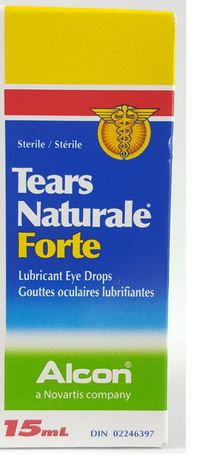
Tears Naturale Forte
Buy Tears Naturale Forte Eye Drops Online
Secure Encrypted Payments
Tears Naturale Forte is a lubricating ophthalmic solution used to relieve dryness, burning, and irritation on the eye surface. You can order Tears Naturale Forte online, view the current cash price during checkout, and choose the size or strength shown for the product that matches your eye-care directions. These artificial tears are supplied through licensed pharmacies, with US delivery from Canada available through the store service.
| Decision point | What to consider |
|---|---|
| Use | Temporary comfort for dry, irritated, or gritty eyes |
| Product type | Artificial tears, also called ocular lubricant drops |
| Selection | Match the displayed size or strength to the product you intend to use |
| Safety | Watch for pain, vision changes, worsening redness, or discharge |
Tears Naturale Forte Price and Ordering
The Tears Naturale Forte price can vary with package size, supply source, and current product availability. The most useful way to assess cost is to look at the full quantity shown at checkout, how often you expect to use the drops, and whether your eye-care professional has suggested a different lubricant schedule. Cash-pay ordering can be helpful when insurance is not being used, especially for people comparing out-of-pocket dry-eye care.
During ordering, select the Tears Naturale Forte eye drops size or strength displayed for purchase and keep it consistent with the product your clinician or pharmacist discussed with you. If you use several eye products, write down the exact name, including Tears Naturale Forte, because many artificial tears have similar names and packaging. People reviewing broader dry-eye choices can start with the Dry Eye condition section for background on symptoms, care approaches, and when symptoms may need medical attention.
Quick tip: Keep the carton until the bottle is finished so the lot number, expiry date, and ingredient panel remain easy to find.
What Tears Naturale Forte Is Used For
Tears Naturale Forte lubricant eye drops are used for temporary relief of burning and irritation related to dryness of the eye. Dry-eye symptoms can feel like grittiness, scratchiness, stinging, intermittent blur, or a tired feeling after screen use. Artificial tears help by adding moisture and a protective coating to the front surface of the eye, which can make blinking more comfortable.
Dryness may occur when the tear film breaks up too quickly or when the eye does not produce enough high-quality tears. Common triggers include wind, smoke, low humidity, air conditioning, long periods of reading or screen time, contact lens wear, aging, certain health conditions, and some medicines. A lubricant drop does not treat every cause of red or painful eyes, but it may help surface dryness while triggers are reduced and care is planned.
The broader Ophthalmology category can help place Tears Naturale Forte among other eye-care therapies. Some products are comfort-focused lubricants, while others are used for inflammation, pressure control, infection, allergy, or post-procedure care. That distinction matters because symptoms that feel like dryness can sometimes have a different cause.
How Lubricant Eye Drops Work
Artificial tears are designed to supplement the natural tear film. The tear film has several layers that help keep the cornea smooth, clear, and comfortable. When that layer becomes unstable, the eye surface can dry between blinks, causing burning, foreign-body sensation, and fluctuating vision. Lubricant drops spread across the surface and reduce friction from blinking.
Some Tears Naturale Forte references describe dextran and hypromellose eye drops as ocular lubricants. Ingredient panels can differ by market, so the bottle and carton should be treated as the source for the exact active and inactive ingredients in the product supplied. If you have reacted to preservatives or eye-drop ingredients before, ask a clinician or pharmacist to help interpret the label before continued use.
Lubricants usually work locally on the eye surface. They are not expected to have the same effect as prescription anti-inflammatory dry-eye treatments, and they do not correct an underlying eyelid, immune, infection, or tear-gland condition. If symptoms keep returning quickly after dosing, an eye exam can help identify whether another treatment category is needed.
Directions for Use and Drop Technique
Follow the product label and any instructions given by your eye-care professional. Many lubricant drops are used as needed for comfort, but the right routine depends on symptom pattern, contact lens use, other eye conditions, and other drops in your regimen. Do not use more often than directed on the label unless a clinician has told you to do so.
Good technique reduces contamination and helps more solution reach the eye surface. Wash your hands, tilt your head back, and gently pull down the lower eyelid to form a small pocket. Hold the bottle above the eye without touching the tip to the lashes, eyelid, skin, or eye. Place the drop in the pocket, then close the eye gently for a short time instead of squeezing the eyelids tightly.
If you use another eye drop, leave several minutes between products unless your clinician gives different instructions. This spacing helps prevent the second drop from washing away the first. If an ointment or gel is part of your routine, it is often used after watery drops because thicker products can block or dilute later drops. Wait until any temporary blur clears before driving, reading small print, or using machinery.
Contact Lenses, Screens, and Daily Dry-Eye Triggers
Contact lens wearers should follow the label and lens-care instructions closely. Some eye drops are not meant to be placed directly over lenses, especially if the formula contains certain preservatives. If the label advises lens removal before dosing, wait the recommended time before reinserting lenses. Persistent lens discomfort, redness, or light sensitivity should be assessed instead of being managed only with more lubricant.
Screen use can worsen dryness because people blink less often while concentrating. Small habit changes may make Tears Naturale Forte work better as part of a daily comfort plan. Consider taking regular screen breaks, positioning air vents away from your face, using wraparound eye protection in wind, and keeping the bottle in a clean, consistent place so doses are not missed when symptoms start.
Age-related tear-film changes are common, but new vision symptoms should not be dismissed as normal aging. For practical context about eye symptoms that may overlap with dryness, the article on vision changes with age explains why eye exams matter when blur, glare, or discomfort becomes persistent.
Storage, Handling, and Travel
Store Tears Naturale Forte according to the instructions on the label. Many ophthalmic solutions are kept at controlled room temperature and protected from excessive heat, freezing, and direct sunlight, but the exact storage conditions should come from the carton. Keep the cap tightly closed between uses and avoid leaving the bottle in a hot car, near a sink, or loose in a bag where the tip can become dirty.
Do not use the bottle if the seal is broken before first opening, the solution becomes cloudy, the color changes unexpectedly, or the expiry date has passed. Eye drops should not be shared, even within a household, because the bottle tip can carry organisms from one person to another. If the tip touches your eye, fingers, counter, or another surface, ask a pharmacist whether the bottle should be replaced.
For travel, keep the bottle in a clean pouch with the carton when possible. The carton helps identify the product and preserves the expiry and lot information. Orders are handled with prompt, express shipping, but you should still plan ahead so you do not run out during a trip or while away from your regular eye-care team.
Side Effects, Warnings, and When to Seek Care
Tears Naturale Forte side effects are usually mild and short-lived. Possible effects include brief stinging, mild burning, watery eyes, sticky feeling, eyelid residue, or temporary blurred vision after the drop is placed. These effects often improve as the drop spreads across the eye surface. If blur lasts longer than expected, avoid driving or hazardous tasks until vision is clear.
Stop using the drops and seek medical help if you develop severe eye pain, sudden vision changes, marked eyelid swelling, a rash, hives, trouble breathing, or symptoms that suggest a serious allergic reaction. Prompt evaluation is also important for worsening one-sided redness, thick discharge, crusting, light sensitivity, a recent eye injury, chemical exposure, or a foreign body sensation that does not improve. These symptoms may point to infection, inflammation, corneal injury, or another condition that needs targeted care.
Interactions with oral medicines are generally unlikely because ocular lubricants act mainly on the eye surface. Practical interactions can still occur when multiple eye products are used too close together. Drops used back-to-back may overflow or dilute each other, reducing contact time. People with glaucoma, recent eye surgery, chronic inflammatory eye disease, or a history of eye infections should follow their care plan and ask before changing routines.
Why it matters: Persistent dry-eye symptoms can signal more than low tear volume, especially when pain or vision changes occur.
How It Compares With Other Dry-Eye Options
Tears Naturale Forte is a comfort-focused lubricant, which makes it different from treatments aimed at specific dry-eye pathways. Some people improve with artificial tears, environmental changes, eyelid hygiene, and screen-habit changes. Others need evaluation for meibomian gland dysfunction, allergy, autoimmune disease, medication-related dryness, or inflammation on the eye surface.
Prescription dry-eye therapies may be considered when symptoms are chronic and an eye-care professional finds inflammation or other treatable findings. Examples available for related dry-eye treatment discussions include Restasis and Xiidra Ophthalmic Solution. These medicines are not simple substitutes for artificial tears; they have different goals, directions, onset expectations, and safety considerations.
For a deeper product comparison, Restasis vs Xiidra discusses how those two prescription therapies differ. If your symptoms are mild, occasional, and clearly related to dryness triggers, a lubricant may be enough. If symptoms are frequent, severe, or paired with redness and light sensitivity, it is safer to seek an eye exam rather than switching products repeatedly.
Choosing a Tears Naturale Forte Alternative
A Tears Naturale Forte alternative may be another artificial tear, gel, ointment, or preservative-free lubricant. The best choice depends on how dry the eye feels, how often drops are needed, whether contact lenses are worn, and whether preservatives have caused irritation. Thinner drops may feel lighter and blur less. Thicker products may coat longer but can blur vision briefly, so some people reserve them for evening use.
Preservative exposure matters when drops are used often. Multi-dose bottles may contain preservatives to reduce microbial growth after opening, while some single-use vials are preservative-free. Preservative-free products can be helpful for sensitive eyes or frequent dosing, but they may cost more and require careful single-use handling. The product label should guide how long a bottle or vial can be used after opening.
People reading across dry-eye topics can browse ophthalmology articles for practical eye-health education. Articles can support better questions for an appointment, but they should not replace a slit-lamp exam when symptoms suggest injury, infection, inflammation, or another eye disease.
Authoritative Sources
Dry-eye care should match the underlying cause and symptom severity. Reputable eye-health organizations describe artificial tears as a common first-line comfort measure for dryness, while also emphasizing urgent evaluation for pain, vision loss, light sensitivity, injury, or signs of infection. Product labeling should remain the first reference for ingredient, storage, and use instructions for the bottle you receive.
- Dry eye symptoms and treatment context from the American Academy of Ophthalmology dry eye information.
- Artificial tears drug information from MedlinePlus artificial tears guidance.
- Dry eye condition background from the National Eye Institute dry eye overview.
This content is for informational purposes only and is not a substitute for professional medical advice.
Express Shipping - from $29.99
Prices:
- Dry-Packed Products $29.99
- Cold-Packed Products $39.99
Shipping Countries:
- United States (all contiguous states**)
- Worldwide (excludes some countries***)
Standard Shipping - $19.99
Shipping with this method takes 5-10 days
Prices:
- Dry-Packed Products $19.99
- Not available for Cold-Packed products
Shipping Countries:
- United States (all contiguous states**)
- Worldwide (excludes some countries***)
What is Tears Naturale Forte used for?
Tears Naturale Forte is used as an artificial tear to temporarily relieve dryness, burning, irritation, and gritty discomfort on the eye surface. It may help when symptoms are related to dry environments, screen use, wind, or tear-film instability, but persistent pain, discharge, or vision changes need medical evaluation.
Is Tears Naturale Forte safe to use?
Most people tolerate lubricant eye drops well when they are used as directed on the label. Stop using the drops and seek care for severe pain, sudden vision changes, significant swelling, hives, trouble breathing, worsening one-sided redness, or thick discharge.
What are common Tears Naturale Forte side effects?
Common effects can include brief stinging, mild burning, watery eyes, sticky feeling, or temporary blurred vision after dosing. These effects are usually short-lived. If irritation worsens or vision does not clear, contact an eye-care professional.
Can I use Tears Naturale Forte with contact lenses?
Check the product label and your lens-care instructions before using the drops with contact lenses. Some formulas require lens removal before dosing. If lenses become painful, red, or difficult to tolerate, remove them and seek professional advice.
How should I store Tears Naturale Forte eye drops?
Store the drops according to the carton directions, keep the cap tightly closed, and protect the bottle from contamination. Do not use the drops if the seal is broken, the solution changes color, becomes cloudy, or the expiry date has passed.
What is the last stage of dry eyes?
Severe dry eye can involve ongoing inflammation, damage to the eye surface, corneal complications, and significant vision disturbance. Dry-eye severity should be assessed by an eye-care professional, especially when symptoms are painful, persistent, or one-sided.
Rewards Program
Earn points on birthdays, product orders, reviews, friend referrals, and more! Enjoy your medication at unparalleled discounts while reaping rewards for every step you take with us.
You can read more about rewards here.
POINT VALUE
How to earn points
- 1Create an account and start earning.
- 2Earn points every time you shop or perform certain actions.
- 3Redeem points for exclusive discounts.
You Might Also Like
Select options
This product has multiple variants. The options may be chosen on the product page
Select options
This product has multiple variants. The options may be chosen on the product page
Select options
This product has multiple variants. The options may be chosen on the product page
Select options
This product has multiple variants. The options may be chosen on the product page