Key Takeaways
- Honor with care: Build in rest, hydration, and sun protection.
- Support mental health: Grief triggers are common and valid.
- Plan medications: Refill early and pack for travel delays.
- Watch heat and smoke: Heart and lung conditions need extra planning.
Memorial day can bring pride, sadness, and reflection at once. For many families, the weekend also includes travel, gatherings, and time outdoors. That mix can affect both physical health and emotional well-being.
Some people look for a respectful way to participate. Others want to keep a loved one steady during a hard season. The goal here is simple: help the day feel meaningful, while keeping basic health needs covered.
You’ll also see practical reminders for planning around late-May schedules. That can matter for appointments, refills, and community events.
Memorial Day Meaning and History in the U.S.
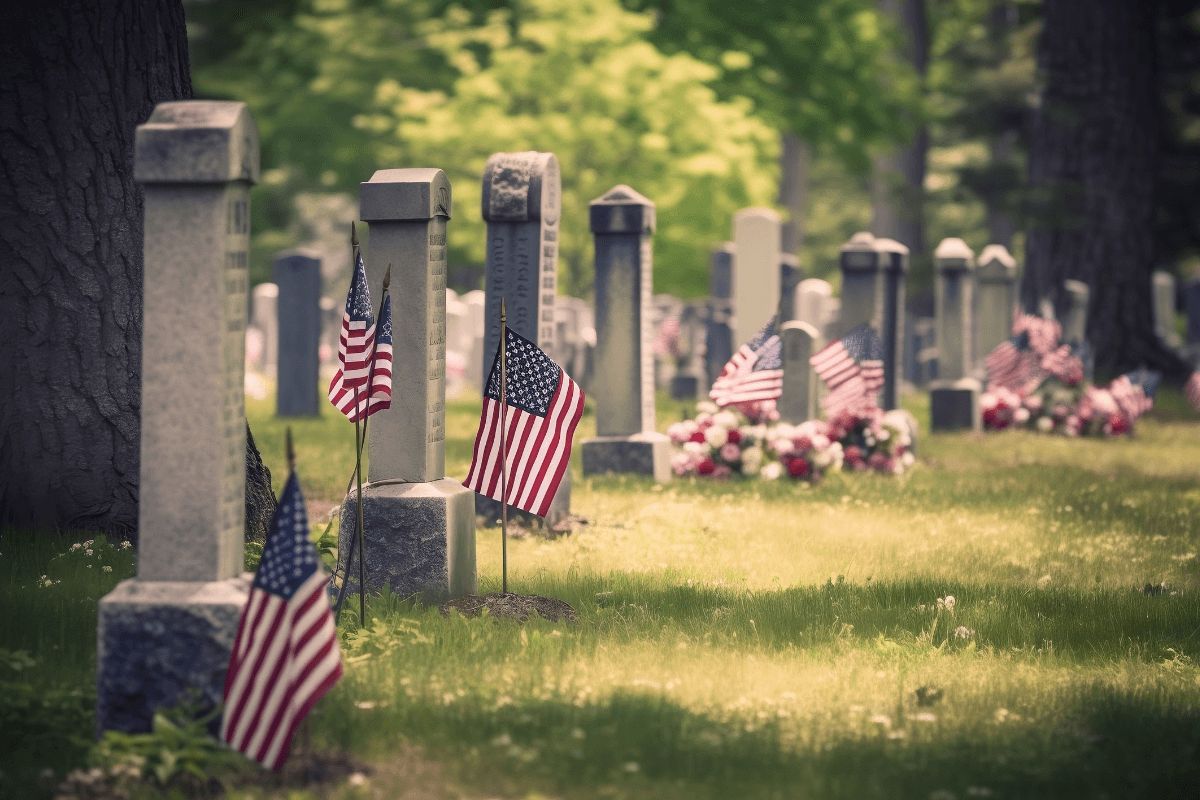
Memorial Day is a U.S. day of remembrance for people who died while serving in the military. It is not a celebration of war. It is a time to honor service and acknowledge loss, including the long-lasting impact on families and communities.
The holiday’s roots are often linked to post–Civil War tributes. Over time, communities held ceremonies, decorated graves with flowers, and gathered for moments of silence. For a clear public record of the day’s origins and how it is observed today, review the VA history overview for nonpartisan historical context.
Language can help set the tone. Many people choose simple phrases like “remembering the fallen” or “in gratitude and remembrance.” If you’re attending a ceremony with children, it can help to explain the purpose in plain terms and allow questions without rushing answers.
PTSD and Grief: Caring for Mental Health During Remembrance
Strong emotions around military remembrance are common. Anniversaries, uniforms, music, and speeches can bring memories forward quickly. For some, these cues connect with PTSD (post-traumatic stress disorder, a stress response after trauma), complicated grief, depression, or anxiety.
If you find yourself asking, why is memorial day celebrated, it may be because the day touches real loss in your life. When feelings surge, it can help to keep your expectations gentle. Choose smaller plans, step outside for quiet, and let breaks be part of the schedule.
Support can be practical, not dramatic. Offer choices: sit near an exit, drive separately, or watch a livestream instead of attending in person. For trauma-informed background and healing language, read PTSD Awareness Month as a starting point for supportive conversations.
Note: If someone talks about hopelessness or self-harm, treat it as important. In the U.S., calling or texting 988 connects to the Suicide & Crisis Lifeline.
Some people also feel guilt about “not doing enough” on the holiday. That pressure can make symptoms worse. A balanced approach often helps: one meaningful act, one connection with a trusted person, and one calming routine that supports sleep.
To broaden coping ideas beyond one weekend, learn about common supports in Mental Health Awareness Month for community-level tools and language. If anxiety is a major part of the day, Manage Anxiety Tips offers practical grounding techniques and planning ideas.
Symbols, Traditions, and Personal Ways to Remember
People observe the weekend in many ways, from formal ceremonies to quiet family rituals. The memorial day meaning often becomes most real in small moments. That might be placing flowers, sharing a story, or visiting a memorial site with someone who understands the context.
Traditions can be supportive when they match your capacity. If crowds feel overwhelming, choose an early time of day, a smaller venue, or a private ritual at home. If you want to join a community event, consider making a simple plan for food, breaks, and a calm ride home.
It can also help to set boundaries around media. War footage, intense speeches, or constant scrolling may intensify distress. A short “check-in window” for news or social feeds can keep you informed without draining your reserves.
If stress has been building for weeks, the weekend may amplify it. For everyday strategies that also fit holiday routines, read National Stress Awareness Month for gentle, realistic ways to reset your baseline.
For families supporting a grieving person, validation matters. Statements like “I’m here with you” or “We can leave whenever you want” are often more helpful than advice. Kids may grieve in bursts, then return to play. That shift is normal and does not mean they “forgot.”
Heart Disease and Heat: Safer Outdoor Plans for memorial day 2025
Late May can bring sudden heat in many regions. Heat strain can be harder on people with heart disease, high blood pressure, or a history of stroke. It can also affect older adults and anyone taking medicines that influence hydration or heart rate.
For memorial day 2025 planning, think in layers: shade, water, timing, and pacing. Midday sun is usually the toughest window. If you can, schedule ceremonies and cookouts earlier or later, and build in cool-down breaks indoors or in an air-conditioned car.
Hydration needs vary, especially with medical conditions. A good general approach is regular sips of water and consistent meals, while limiting alcohol during the hottest hours. For public health guidance on heat illness warning signs and prevention, see CDC heat guidance for practical, nontechnical tips.
If you live with atrial fibrillation or other heart rhythm issues, dehydration and sleep loss may be triggers. It can help to protect sleep the night before and keep caffeine modest. For an easy-to-understand overview of clot-prevention context in atrial fibrillation, read Eliquis For Atrial Fibrillation for a condition-focused explanation to discuss with your clinician.
Some people also feel pressure to push through fatigue to “be present.” A safer frame is to participate, then recover. Rest is not disrespectful. It is a health need.
Asthma and COPD: Air Quality, Smoke, and Allergy Triggers
Holiday weekends often include grills, fire pits, fireworks, and dusty outdoor venues. For people with asthma or COPD (chronic obstructive pulmonary disease, a long-term lung condition), smoke and airborne irritants can increase coughing, wheezing, or shortness of breath. Seasonal pollen can add a second layer of irritation.
Planning can reduce exposure without skipping the event. Choose seating upwind from smoke when possible. Step inside during heavy smoke bursts, and consider avoiding enclosed spaces with lingering fumes. If you use rescue or controller inhalers, keep them accessible and stored at recommended temperatures.
It also helps to know your local air quality forecast. On poor air quality days, shorter outdoor windows may be safer than “toughing it out.” For broader lung-health context and protective habits, read World Lung Day for prevention-focused reminders. If respiratory symptoms tend to flare during busy seasons, Respiratory Care Week 2025 offers practical ways to support breathing routines.
Tip: If fireworks are planned, consider watching from farther away. Distance often reduces both smoke and irritant exposure.
If breathing symptoms feel new, severe, or different from usual, it is reasonable to seek medical evaluation. This is especially important for chest pain, fainting, or severe shortness of breath.
Medication Safety and Refill Planning for Long Weekends
Long weekends can disrupt routines, pharmacy hours, and travel plans. If you take daily medications, a small planning step can lower stress. Pack medicines in original containers when possible, keep a written list of names and doses, and store temperature-sensitive items appropriately.
People often ask, is memorial day a federal holiday, because it affects work schedules and closures. It is a federal holiday in the U.S., and many services may run on reduced hours. For the official federal holiday calendar and how it is defined, check the OPM holiday list for a government reference point.
Refills can take time when a prescriber needs to authorize them. Asking about timing several days ahead may help avoid gaps. If you use insulin or other diabetes medicines, travel can also change meal timing and activity. For plain-language background on insulin types and how they differ, learn from Types Of Insulin to support a more informed discussion with your care team.
Keep an eye on common mix-ups during busy days. Double-dosing can happen when routines change, especially with time zone shifts or shared pill organizers. A phone alarm or a simple checkbox note can be enough for many people.
Comparing Veterans Day, Armed Forces Day, and Labor Day
These holidays can feel similar on the calendar, but they carry different meanings. Memorial Day honors service members who died in military service. Veterans Day recognizes all who served. Armed Forces Day honors those currently serving. Labor Day centers on workers and labor movements, not military remembrance.
The phrase memorial day vs veterans day comes up often because both involve military service. A respectful approach is to match your words to the purpose of the day. On Memorial Day, many people focus on remembrance and support for families. On Veterans Day, gratitude for living veterans is more central.
If you’re attending a multi-purpose community event, you can still keep the meaning clear. A brief moment of silence, a visit to a memorial, or a donation of time to a veterans’ organization can align the day with remembrance. If you want broader context on health advocacy and community support across national observances, explore General Health for a browsable collection of related wellness topics.
For families with military connections, it may help to check in beforehand about what feels supportive. Some people prefer public ceremonies. Others prefer privacy. Both are valid ways to honor a life.
Recap
Memorial Day can be both meaningful and demanding. Small steps often make the biggest difference: plan for heat, protect sleep, keep medications organized, and give emotions room to exist.
Looking ahead to memorial day 2026, consider saving key dates, refill reminders, and supportive contacts now. If you have health conditions that make travel or crowds harder, it may help to discuss a simple plan with a clinician before the next long weekend.
This content is for informational purposes only and is not a substitute for professional medical advice for your personal situation.