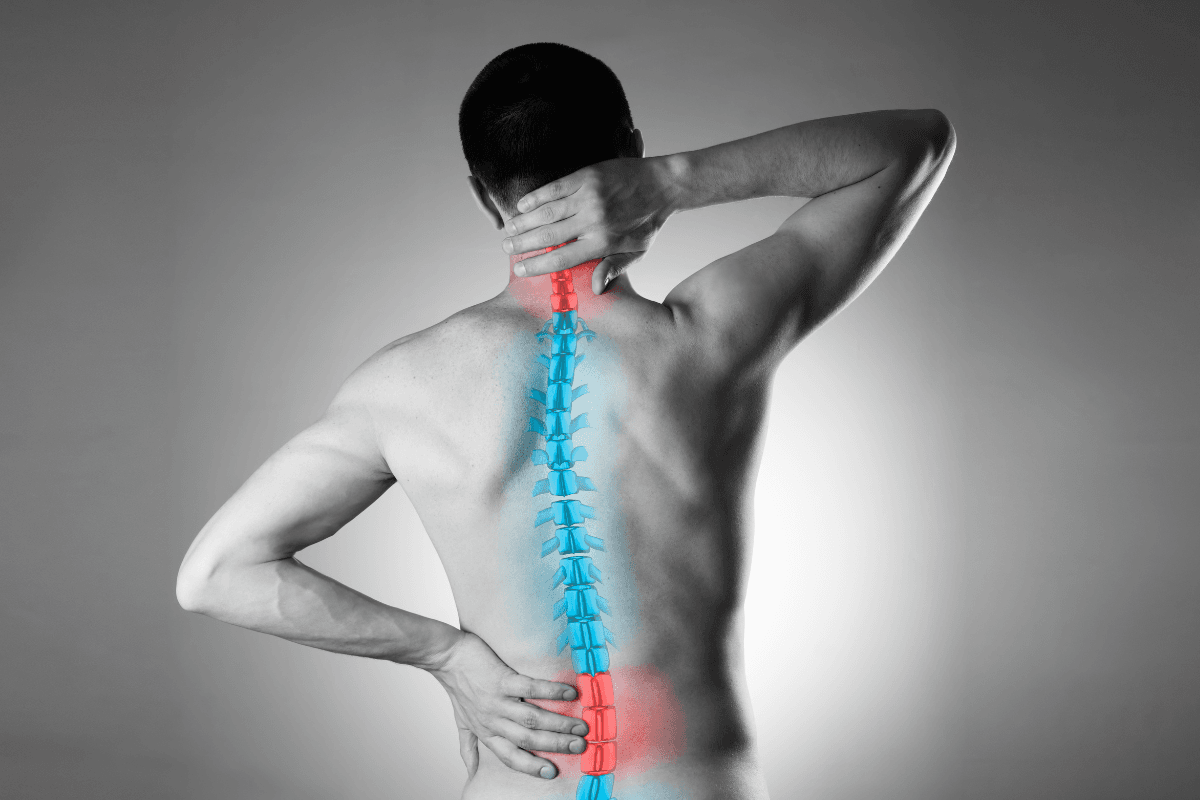
Metformin and osteoporosis are not linked in a simple cause-and-effect way. Current evidence does not show that metformin clearly causes osteoporosis. Some studies suggest metformin may be neutral or possibly supportive for bone density in selected groups, but it is not an osteoporosis treatment. Why this matters: people with diabetes can still have higher fracture risk because bone quality, falls, vision, nerve symptoms, and medication side effects all affect bone safety.
Linagliptin raises a separate question because it affects incretin pathways, which researchers continue to study in relation to bone turnover. Still, metformin-linagliptin combinations should be viewed as diabetes treatments first. Bone decisions usually depend on DXA results, prior fractures, fall risk, nutrition, kidney function, vitamin status, and the rest of your medication list.
Key Takeaways
- Metformin is not clearly linked to causing osteoporosis.
- Bone density is only one part of fracture risk.
- Diabetes may raise fracture risk even when DXA looks reassuring.
- Long-term metformin use may justify vitamin B12 monitoring.
- Linagliptin is not an osteoporosis treatment.
Metformin and Osteoporosis: What the Evidence Suggests
The best short answer is reassuring but cautious: metformin is not considered a common cause of osteoporosis. Research on Metformin and osteoporosis is mixed, but most studies do not show a clear bone-harming effect. Some observational studies link metformin use with higher bone mineral density or lower fracture rates. Others show little difference after researchers account for age, body weight, diabetes duration, menopause, kidney disease, and other fracture risks.
Most of this research is observational. Researchers compare people who are already taking different medicines, then look for patterns in bone density or fractures. That can be useful, but it cannot prove that metformin protects bone or prevents fractures by itself. Trials designed mainly around bone outcomes are more limited, so confident claims remain hard to make.
Bone mineral density is often measured with a DXA scan, short for dual-energy X-ray absorptiometry. DXA is useful, but it does not capture every reason a bone may break. Diabetes can affect balance, eyesight, nerve sensation, muscle strength, and sometimes bone quality. A person can have a reasonable scan result and still face higher fracture risk after a fall.
For more background on proposed biology, see Why Metformin Helps Prevent Osteoporosis. Treat that research angle as context, not as a reason to use metformin for bone protection without medical review.
Can metformin affect bone density?
Metformin may influence bone biology through glucose handling, inflammation signals, and cellular energy pathways. Those mechanisms make the research question plausible. They do not prove that metformin rebuilds fragile bone or replaces standard osteoporosis care.
Some studies also examine bone turnover markers, which reflect how quickly old bone is removed and new bone is formed. These markers can help researchers understand biology, but they are not the same as preventing hip, spine, or wrist fractures. Fracture outcomes matter most for everyday safety.
Does metformin cause osteoporosis?
Current evidence does not support a simple yes. A better question is whether your full fracture-risk picture is being reviewed while diabetes treatment continues. That picture includes prior fragility fracture, steroid exposure, thyroid hormone levels, kidney disease, vitamin D status, B12 status, neuropathy, and repeated falls.
Small daily details matter too. Footwear, nighttime bathroom trips, home hazards, dizziness, low blood sugar episodes, and vision changes can all shape fall risk. If those issues are missed, a bone-health plan can look complete on paper but fail in real life.
What about metformin without diabetes?
Taking metformin without diabetes is a separate medical decision. Researchers study it in aging, inflammation, and joint disease, but there is no do-it-yourself role for bone protection. Off-label use still needs clinician review because kidney function, pregnancy status, side effects, and drug interactions matter.
Why it matters: A promising research signal is not the same as a personal treatment plan.
Why Diabetes Can Raise Fracture Risk Even With Normal DXA
Diabetes can increase fracture risk even when bone-density numbers are not severely low. That surprises many people because DXA is often treated as the main bone test. In diabetes, the scan may not tell the whole story.
Bone density is not the same as bone quality. Long-term high glucose may affect collagen, the protein framework inside bone. Nerve damage in the feet, reduced vision, dizziness, muscle weakness, and low blood sugar can also make falls more likely. Once falls increase, wrist, shoulder, spine, and hip fractures become more relevant.
FRAX, a common fracture risk calculator, estimates fracture risk using standard factors. It may not fully capture diabetes-related risk. A clinician may interpret a result more cautiously if there is neuropathy, kidney disease, steroid exposure, a prior fragility fracture, or a history of near-falls. For condition navigation, the Type 2 Diabetes collection lists related diabetes resources and products.
Glucose control still matters. Signs that metformin is working usually appear in glucose readings, A1C results, or fewer symptoms of high blood sugar. Bone changes usually need separate evaluation, especially after a fall, height loss, new back pain, or a fracture from minor trauma.
Linagliptin, Combination Therapy, and Bone Questions
Linagliptin is a DPP-4 inhibitor, a glucose-lowering drug class. It enters this discussion because incretin pathways may interact with bone cells, inflammation, and glucose stability. That does not make linagliptin an osteoporosis medicine. It means researchers are still asking whether DPP-4 inhibitors are neutral, helpful, or mixed when fracture outcomes are studied.
Clinical studies of DPP-4 inhibitors have not produced one settled message on fracture protection. For patients, the safer interpretation is practical: linagliptin may fit glucose management in selected situations, but it should not replace osteoporosis screening or treatment when those are needed.
For medication context, Tradjenta 5 Mg is a linagliptin product page, while Jentadueto shows one metformin-linagliptin combination format. These pages are product references, not directions to start, stop, or change therapy. Where required, a licensed Canadian partner pharmacy may verify prescription details with the prescriber before dispensing.
If you take a fixed-dose combination, each ingredient may still need separate review. That matters for kidney function, stomach side effects, vitamin B12 monitoring, low blood sugar risk with other drugs, and possible interactions.
Long-Term Metformin Monitoring That Can Affect Bone Safety
Metformin and osteoporosis discussions often focus on scan numbers, but long-term monitoring also includes everyday safety issues. Metformin can lower vitamin B12 levels in some people. B12 supports nerves and red blood cells, so low levels may contribute to numbness, tingling, fatigue, anemia, or balance problems.
That link is indirect but important. Falls often drive fractures. If neuropathy, anemia, or fatigue makes walking less steady, fracture risk may rise even if bone density has not changed much. Periodic B12 review is worth discussing if there are nerve symptoms, anemia, long-term metformin use, or other reasons for low B12.
Stomach upset is another common issue. Ongoing nausea, diarrhea, or reduced appetite can affect food quality, protein intake, hydration, and activity. Kidney disease, repeated dehydration, heavy alcohol use, severe infection, or low-oxygen illness can also change medication safety decisions. Official product labels describe serious warnings and patient-specific precautions, so medication concerns should be reviewed with a clinician or pharmacist.
Seek urgent care for severe weakness, trouble breathing, unusual sleepiness, confusion, severe dehydration, or other serious symptoms after a medication change. These symptoms do not automatically mean a specific drug reaction, but they deserve prompt assessment.
Metformin, joint pain, and muscle symptoms
Joint or muscle pain has many possible causes. Arthritis, thyroid disease, vitamin D deficiency, statins, injuries, autoimmune disease, and inflammatory conditions can all contribute. If symptoms began after a medication change, tracking timing and severity can help a clinician sort out likely causes.
Research on metformin and osteoarthritis is still developing. It does not mean metformin treats every joint problem, rheumatoid arthritis, or inflammatory pain condition. Bone and joint symptoms deserve their own assessment, especially if pain limits walking or increases fall risk.
Medicines and Health Factors That Can Weaken Bone
Bone health is rarely shaped by one medication. Some drugs affect bone formation, calcium handling, hormone levels, or fall risk more clearly than metformin does. A medication review is especially important after a new fracture, new back pain, repeated falls, or a DXA result showing osteoporosis.
The two medication-related issues often discussed in long-term osteoporosis risk are systemic corticosteroids and thyroid hormone overtreatment. Steroids can reduce bone formation and increase bone breakdown when used regularly or long term. Too much thyroid hormone, sometimes reflected by a persistently low TSH, can speed bone turnover in some people. That is why questions about levothyroxine and osteoporosis usually come back to lab targets, not the medicine name alone.
| Medication or factor | Why it can matter | Question to ask |
|---|---|---|
| Systemic corticosteroids | Can weaken bone with regular or long-term use | Do I need bone-risk screening or protection? |
| Thyroid hormone overtreatment | Low TSH may increase bone turnover | Are my thyroid labs in the intended range? |
| Aromatase inhibitors or androgen-deprivation therapy | Reduced sex-hormone effects can accelerate bone loss | Should bone density be monitored more often? |
| Some seizure medicines or long-term high-dose acid reducers | May affect vitamin D, calcium, or fracture risk in selected people | Are safer options appropriate for my situation? |
| Medicines that increase dizziness or low blood sugar | May raise fracture risk through falls | Can we review timing, symptoms, and fall risk? |
Blood pressure medicines are more complicated. Hypertension and osteoporosis often overlap with age, kidney disease, and other health factors. Hydrochlorothiazide is not usually grouped with classic bone-loss medicines and may reduce urinary calcium loss, but any drug that causes dizziness can still affect fall risk.
If osteoporosis treatment is recommended, options may include bisphosphonates, denosumab, anabolic medicines, or other approaches depending on fracture history and overall risk. For general background on one common class, see Bisphosphonate Drugs.
Bone-Strength Basics Beyond Diabetes Medication
No single vitamin rebuilds bone density on its own. Vitamin D gets attention because deficiency can affect muscles and bones, and it helps the body absorb calcium. Still, more is not always better. Calcium, vitamin D, and supplements should match diet, kidney function, blood calcium levels, kidney-stone history, and other medicines.
Protein matters because muscle helps protect bone. So does movement. Resistance training supports muscle and bone loading, while balance practice may reduce the chance of a hard fall. If you want ideas to discuss with a clinician or physical therapist, see Exercise And Bone Health.
Food choices matter too, especially when diabetes is part of the picture. A bone-supportive pattern can include protein foods, calcium-rich options, vegetables, and steady carbohydrate choices that fit a glucose plan. For a nutrition-focused starting point, Bolstering Bone Health reviews diet considerations for aging well.
Osteoporosis can stay silent until a fracture happens. Height loss, a more stooped posture, sudden back pain, or a fracture after a low-impact injury deserve attention. Early Signs Of Osteoporosis explains when these changes are worth a closer look.
Quick tip: Bring supplement bottles, not just prescription names, to appointments.
What to Bring to Your Next Bone and Diabetes Review
A useful medication review starts with a full list. Include prescriptions, over-the-counter medicines, supplements, injections, inhalers, and any recent steroid use. Also mention falls, near-falls, new numbness, vision changes, dental concerns, kidney disease, thyroid results, and any fracture after a low-impact injury.
Bone testing may be considered based on age, menopause status, prior fractures, steroid exposure, family history, body weight, smoking, alcohol use, and other risks. Some people also need lab work such as vitamin D, calcium, kidney function, thyroid-stimulating hormone, or B12. These tests do not replace clinical judgment, but they can help explain why fracture risk may be changing.
Ask how a diabetes plan affects fall risk. This includes low blood sugar episodes, dizziness, nighttime bathroom trips, vision changes, foot sensation, and muscle weakness. If a treatment is helping glucose control but making falls more likely, that tradeoff deserves attention.
When discussing Metformin and osteoporosis, try to separate three questions. Is the diabetes plan working? Is bone density low? Is fracture risk high because of falls, frailty, or other medicines? Clearer questions make the appointment more useful.
Authoritative Sources
- NIAMS osteoporosis information covers osteoporosis, testing, prevention, and fracture-risk basics.
- DailyMed metformin labels provide official U.S. label information for metformin products.
- DailyMed linagliptin labels provide official U.S. label information for linagliptin products.
Recap
Metformin and osteoporosis research remains mixed, but the overall message is reassuring. Metformin is not clearly linked to causing osteoporosis, and it is not a substitute for osteoporosis treatment either. For many adults with diabetes, fracture prevention depends more on fall-risk review, B12 monitoring, nutrition, exercise, DXA interpretation, and medication review.
Linagliptin may be part of a diabetes regimen, including in combination with metformin, but bone decisions should still come from a personal risk profile. Bring questions early, especially after a fall, a fracture, new numbness, height loss, or symptoms that affect balance.
This content is for informational purposes only and is not a substitute for professional medical advice.