

Please note: a valid prescription is required for all prescription medication.
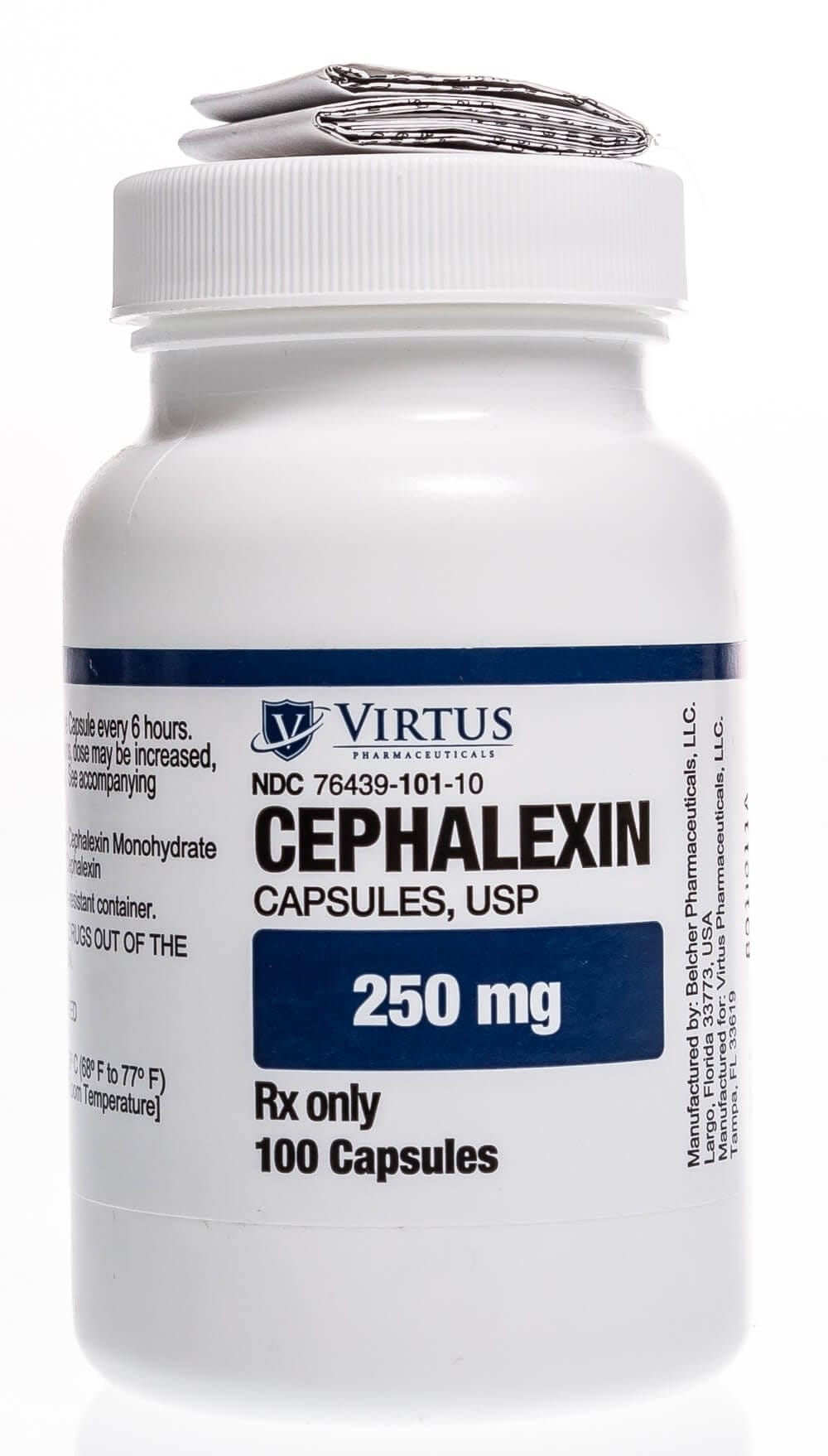
Cephalexin
Buy Cephalexin Online
Secure Encrypted Payments
Buy Cephalexin online and compare current listed pricing, available oral forms, strength options, and key safety basics before you place an order. You can use this page to match the selected product to your clinician’s directions, review cephalexin price factors, and understand what to check before choosing capsules, tablets, or liquid when listed.
Cephalexin is an oral cephalosporin antibiotic used for certain bacterial infections when a clinician decides it is appropriate. If you are comparing cephalexin online for US delivery from Canada, focus first on the form, strength, quantity, and product details shown on the listing, because those items affect the order you receive.
This product page keeps the buying details close to the safety details. That way, you can compare practical access factors while also checking allergies, side effects, interactions, storage, and when to seek medical advice.
Cephalexin Price and Available Options
The cephalexin price shown on the product listing should be compared against the exact presentation selected. Capsules, tablets, and oral suspension may be listed separately, and different strengths can carry different quantities or package sizes. Before checkout, match the displayed option to the wording on your prescription label or clinic instructions.
Common oral strengths include cephalexin 250 mg and cephalexin 500 mg. Depending on current inventory, the listing may show cephalexin capsules, cephalexin tablets, or a liquid prepared as an oral suspension. A cephalexin 500 mg capsule and a cephalexin 500 mg tablet contain the same labeled strength, but the form may matter for swallowing, stock, or the way your prescriber wrote the order.
Cephalexin cost can also change with the quantity selected. For antibiotics, the quantity usually aligns with a prescribed course rather than a long-term refill pattern. If you are comparing cephalexin cost without insurance, review the selected form and count carefully so you are not comparing a smaller fill against a larger one.
Quick tip: Check strength, form, and total quantity together before comparing listed prices.
How to Order Cephalexin Online
To order, choose the product form and strength that matches the directions from your healthcare professional. Keep the prescriber’s information and current medication list available in case order details need confirmation before the pharmacy dispenses the product. The process is designed to support cash-pay, cross-border access without making the product selection feel confusing.
BorderFreeHealth supports access to cash-pay cross-border prescription options when applicable to the product and patient situation. If the order needs extra confirmation, prescription details may be checked with the prescriber before dispensing. This helps the pharmacy match the selected item with the clinical directions already provided by your care team.
Cephalexin ships from Canada to US addresses when the order can be completed through the available access pathway. Shipping details and handling information should be reviewed during checkout, especially if the order includes a liquid form or any pharmacy-prepared presentation.
What This Antibiotic Is Used For
Cephalexin is a first-generation cephalosporin antibiotic. It works by interfering with bacterial cell wall formation, which may help stop susceptible bacteria from multiplying. It is used only for bacterial infections and will not treat viral illnesses such as a cold or most cases of flu.
Clinicians may prescribe this medicine for skin and soft tissue infections, certain urinary tract infections, ear infections, respiratory tract infections, and other bacterial infections when the expected organism is susceptible. Product selection should follow the prescriber’s diagnosis and local treatment guidance, because the right antibiotic depends on the infection site and likely bacteria.
Customers often search for cephalexin for UTI, cephalexin for skin infection, or cephalexin for tooth infection. Those searches describe common reasons a clinician may consider an antibiotic, but they do not replace an exam, culture results, dental care, or follow-up when symptoms are severe or persistent. For browsing by infection type, the Skin And Soft Tissue Infection and Otitis Media pages can help you compare related product listings.
Forms, Strengths, and Product Details
Cephalexin monohydrate is the active ingredient in many generic products. The term generic for cephalexin usually means a product with the same active ingredient and labeled strength as the reference product, though manufacturers, inactive ingredients, and appearance can vary. Some people also search cephalexin Keflex because Keflex is a well-known brand name for the same antibiotic ingredient.
Cephalexin pills may refer to capsules or tablets, so check the product form rather than relying on a casual description. Capsules are swallowed whole unless the label or pharmacist says otherwise. Tablets should be taken according to the supplied directions. Liquid suspension is useful for people who have difficulty swallowing solids, but it requires accurate measuring.
For children or adults prescribed a liquid, use a marked oral syringe or dosing cup rather than a kitchen spoon. Shake the bottle well before each measured dose if the pharmacy label instructs you to do so. The concentration and total bottle size matter because they determine how much liquid is supplied, not just the amount of active ingredient in each measured dose.
| Product detail | What to check |
|---|---|
| Strength | Match 250 mg, 500 mg, or the listed liquid concentration to the directions. |
| Form | Confirm capsule, tablet, or oral suspension before ordering. |
| Quantity | Compare the total count or bottle size with the prescribed course. |
| Manufacturer | Appearance may differ between approved generic manufacturers. |
How to Take and Time Doses
Use this medicine exactly as directed by your clinician and the pharmacy label. Many antibiotic schedules use divided doses across the day, while pediatric instructions may be based on body weight. Do not change the schedule, strength, or duration without professional guidance.
Cephalexin tablets are described in labeling as acid stable and may be taken without regard to meals. Some people take doses with food to reduce stomach upset, if that fits the label directions. A full glass of water can make capsules or tablets easier to swallow.
If a dose is missed, take it when remembered unless it is close to the next scheduled dose. In that case, skip the missed dose and return to the regular schedule. Do not take extra doses to make up for a missed one. Finishing the directed course matters because stopping early may allow infection symptoms to return or contribute to resistant bacteria.
Storage, Travel, and Handling Basics
Store solid forms in a tightly closed container at room temperature, away from excess heat, moisture, and direct light. Bathrooms and cars are usually poor storage places because temperature and humidity can change quickly. Keep the bottle out of reach of children and pets.
Oral suspension may have different storage directions after it is mixed. Follow the pharmacy label for refrigeration, room-temperature storage, and discard dates. Throw away unused liquid after the labeled period, even if some remains in the bottle.
For travel, keep the medicine in its original labeled container. A copy or photo of the pharmacy label can help if questions come up during screening or care visits. If crossing time zones, the practical goal is usually evenly spaced doses over the day rather than exact clock times, unless your clinician gave different instructions.
Side Effects and Safety Checks
Cephalexin side effects are often mild, but they still matter when deciding whether to order and how to monitor a course. Common effects can include nausea, stomach discomfort, diarrhea, loose stools, headache, rash, or itching. Tell your care team if side effects become severe, persistent, or hard to manage.
Serious reactions need prompt attention. Seek urgent help for trouble breathing, facial or throat swelling, widespread hives, blistering skin, severe dizziness, or signs of anaphylaxis. Severe or persistent diarrhea, especially with stomach cramping or blood, may suggest antibiotic-associated colitis, including C. difficile infection.
People with a severe cephalosporin allergy should not use this medication. Those with a history of immediate-type penicillin allergy may have a higher risk of reaction and should discuss that history before taking a cephalosporin. Kidney impairment can also affect antibiotic handling, so your clinician may consider kidney function when selecting therapy.
Why it matters: Allergy history and severe diarrhea symptoms can change how safely an antibiotic is used.
Interactions and What to Avoid
Share your full medication list with your clinician and pharmacist, including vitamins, supplements, and over-the-counter products. Probenecid may increase levels of some beta-lactam antibiotics. Warfarin and other anticoagulants may need closer monitoring because antibiotics can sometimes affect bleeding risk or lab values.
Some urine glucose tests can be affected by cephalosporins. Tell your healthcare team and laboratory staff that you are taking an antibiotic if testing is planned. Live oral vaccines, such as oral typhoid vaccine, may be less effective during systemic antibacterial treatment.
People often ask what to avoid with cephalexin 500 mg. The main practical points are to avoid skipping doses, avoid stopping early without medical guidance, and avoid using leftover antibiotics for a different illness. Alcohol is not a specific label-listed interaction for every cephalexin product, but it can worsen stomach upset or dehydration during an infection.
Comparing Related Options
Cephalexin is not the right antibiotic for every infection. The organism, infection site, allergy history, kidney function, and local resistance patterns all matter. If the selected product does not match the prescriber’s plan, ask the clinic or pharmacist before substituting a different antibiotic.
A clinician may choose another cephalosporin or a different antibiotic class when the situation calls for it. Ceftin Suspension is a cefuroxime product used in certain infections when prescribed. The Infectious Disease category can help you browse related antimicrobial listings without turning the choice into a self-treatment decision.
Veterinary antibiotic pages may appear in search results, but human and animal dosing are not interchangeable. If you are caring for a pet, use veterinary guidance and species-specific products only. The pet-focused guide Cephalexin For Dogs And Cats is separate from this human product listing.
When to Contact a Clinician
Contact a healthcare professional if symptoms worsen, do not improve as expected, or return after the course is finished. Fever, spreading redness, flank pain, dehydration, difficulty breathing, severe sore throat, or confusion can signal the need for prompt care. For dental infections, antibiotics may not replace dental treatment such as drainage or a procedure.
Before ordering, it can help to confirm a few details with the clinic. Ask what infection is being treated, how long the course should last, whether cultures are needed, and what side effects should prompt a call. Also ask whether any of your current medicines could interact with the antibiotic.
Authoritative Sources
DailyMed cephalexin tablet labeling describes official product information, administration details, and safety considerations.
MedlinePlus cephalexin patient information summarizes common uses, precautions, and side effects in patient-friendly language.
Orders that can be completed through the available access pathway may be handled with prompt, express shipping.
This content is for informational purposes only and is not a substitute for professional medical advice.
Express Shipping - from $25.00
Shipping with this method takes 3-5 days
Prices:
- Dry-Packed Products $25.00
- Cold-Packed Products $35.00
Shipping Countries:
- United States (all contiguous states**)
- Worldwide (excludes some countries***)
Standard Shipping - $15.00
Shipping with this method takes 5-10 days
Prices:
- Dry-Packed Products $15.00
- Not available for Cold-Packed products
Shipping Countries:
- United States (all contiguous states**)
- Worldwide (excludes some countries***)
What is cephalexin mainly used for?
Cephalexin is mainly used for bacterial infections when the bacteria are expected to be susceptible to a cephalosporin antibiotic. Clinicians may prescribe it for skin and soft tissue infections, certain urinary tract infections, ear infections, respiratory tract infections, and some other bacterial infections. It does not treat viral infections such as colds or flu. The correct use depends on the infection site, symptoms, allergy history, kidney function, and sometimes culture results.
What are the worst side effects of cephalexin?
The most serious potential reactions include severe allergy symptoms, such as trouble breathing, swelling of the face or throat, widespread hives, or severe dizziness. Blistering skin reactions and severe or persistent diarrhea can also be urgent concerns. Diarrhea with blood, fever, or strong abdominal cramping may suggest antibiotic-associated colitis. Seek urgent medical help for severe allergic symptoms or serious skin reactions, and contact a clinician promptly for concerning diarrhea.
Is cephalexin a strong antibiotic?
Cephalexin is a commonly used cephalosporin antibiotic, but “strong” is not the best way to judge it. An antibiotic is useful when it matches the likely bacteria, the infection site, and the patient’s health history. For some infections, cephalexin may be appropriate; for others, a different medicine may be needed. Your clinician considers the suspected organism, local resistance patterns, allergies, kidney function, and prior treatment response.
What should I avoid when taking cephalexin 500 mg?
Avoid skipping doses, doubling doses after a missed one, or stopping early unless a clinician tells you to. Do not use leftover antibiotics for a new illness, and do not share them with someone else. Tell your healthcare team about warfarin, probenecid, supplements, and planned live oral vaccines. If the medicine upsets your stomach, ask whether taking it with food is appropriate for your specific label directions.
What should I ask my clinician before taking cephalexin?
Ask what infection is being treated, how long the course should last, and what symptoms should improve first. It is also helpful to ask whether cultures or follow-up are needed, especially if symptoms do not improve. Review any history of penicillin or cephalosporin allergy, kidney problems, severe diarrhea after antibiotics, pregnancy, breastfeeding, and current medicines. These details help your clinician judge whether this antibiotic fits your situation.
Rewards Program
Earn points on birthdays, product orders, reviews, friend referrals, and more! Enjoy your medication at unparalleled discounts while reaping rewards for every step you take with us.
You can read more about rewards here.
POINT VALUE
How to earn points
- 1Create an account and start earning.
- 2Earn points every time you shop or perform certain actions.
- 3Redeem points for exclusive discounts.
You Might Also Like
Select options
This product has multiple variants. The options may be chosen on the product page
Select options
This product has multiple variants. The options may be chosen on the product page
Select options
This product has multiple variants. The options may be chosen on the product page
Select options
This product has multiple variants. The options may be chosen on the product page