
Please note: a valid prescription is required for all prescription medication.
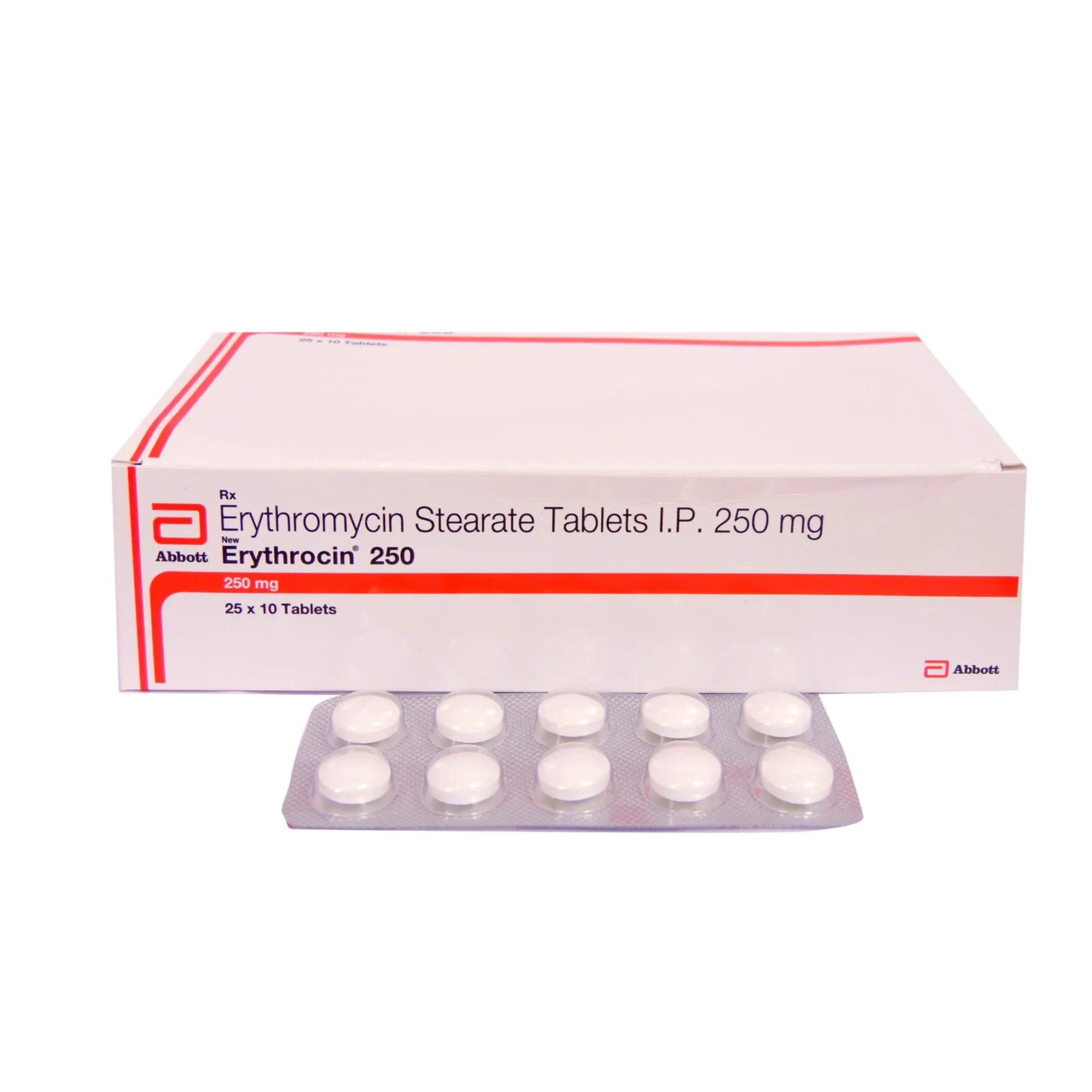
Erythrocin
Buy Erythrocin Online
Secure Encrypted Payments
Erythrocin is a brand of erythromycin, a macrolide antibiotic used for infections caused by susceptible bacteria. It can be bought online through BorderFreeHealth, with current pricing shown during ordering and dose or strength choices matched to the directions from your clinician. Erythrocin tablets are commonly associated with erythromycin 250 mg and 500 mg strengths, while liquid forms may be used in some settings for people who cannot swallow tablets.
This medicine treats bacterial infections only; it does not treat colds, flu, or other viral illnesses. Because antibiotic choice depends on the likely bacteria, allergy history, local resistance patterns, and other medicines you take, Erythrocin should be used exactly as directed. If symptoms worsen, return after improving, or do not begin to improve as expected, contact a healthcare professional rather than extending or changing the course on your own.
Erythrocin Price, Strengths, and Ordering Choices
Erythrocin price can vary by strength, quantity, manufacturer, and country of origin. During ordering, choose the dose or strength available for the product and match it to the directions you were given. If your directions specify erythromycin 250 mg, erythromycin 500 mg, Erythrocin 250 tablet, or Erythrocin 500 tablet, confirm that the selected strength and quantity align before checkout.
Customers paying out of pocket often look at Erythrocin cost alongside the total course quantity. A lower tablet price is not the only useful comparison; the prescribed number of daily doses, treatment duration, and whether a tablet or liquid formulation is appropriate can affect the final cost. US delivery from Canada is available, and our process may include reviewing order details before the medicine is supplied through licensed pharmacies.
Quick tip: Keep the medicine name, strength, directions, and quantity together when placing an order so the label can be matched accurately.
What Erythrocin Tablets Are Used For
Erythrocin tablets contain erythromycin, an antibiotic in the macrolide class. Erythromycin works by binding to the bacterial 50S ribosomal subunit, which slows protein production and helps stop growth of susceptible bacteria. It may be used for upper and lower respiratory tract infections, certain skin and soft tissue infections, and other label-supported infections when erythromycin is appropriate.
Common treatment contexts include bacterial throat or chest infections, community-acquired pneumonia when covered by the clinician’s plan, and some skin infections caused by susceptible organisms. Related condition information includes respiratory tract infection, skin and soft tissue infection, and whooping cough. Erythromycin may also be considered in some situations when penicillins or cephalosporins are not suitable, but that decision depends on the infection and patient history.
Erythrocin is not appropriate for every cough, sore throat, sinus symptom, or skin problem. Viral illnesses do not respond to antibiotics, and unnecessary antibiotic use can increase the risk of resistance and side effects. If testing, culture results, or local guidance suggest a different antibiotic, your clinician may choose another treatment.
Erythrocin, Erythromycin, and Other Names
Erythrocin is a brand name associated with erythromycin. Erythromycin is the active antibiotic ingredient, while brand names, salt forms, and formulations may differ by market. EES is another erythromycin-containing product name some people recognize, but product form, absorption, and labeling can differ, so do not substitute one erythromycin product for another without pharmacy or clinician guidance.
Country-specific naming can also create confusion. A product labelled as Erythrocin in one market may not look identical to a product supplied elsewhere, and tablets may come from different manufacturers. Some product batches may identify India as the country of origin. The customer-facing priority is to match the active ingredient, strength, form, and directions rather than relying only on a familiar brand name.
How to Take This Antibiotic Safely
Follow the directions provided with your medicine. Erythrocin tablets are usually swallowed with water, and doses are commonly spaced through the day to keep antibiotic levels steady. Some erythromycin products may be taken with food to reduce stomach upset, while others have specific timing instructions, so use the label on your exact product.
Complete the full course unless a healthcare professional tells you to stop. Stopping early can allow surviving bacteria to regrow and may make the infection harder to treat later. If you miss a dose, take it when remembered unless it is close to the next scheduled dose; do not double doses to catch up. A phone alarm or medication reminder can help with multi-dose antibiotic schedules.
Do not crush or chew film-coated tablets unless a pharmacist confirms that it is safe for that formulation. If swallowing tablets is difficult, ask whether a liquid erythromycin formulation is appropriate. Erythrocin syrup and other liquid erythromycin products can have different storage instructions and measured-dose requirements, so measuring devices and pharmacist directions matter.
Side Effects, Warnings, and Monitoring
Common side effects of erythromycin include nausea, abdominal discomfort, cramping, diarrhea, loss of appetite, headache, and dizziness. Stomach-related effects are among the more frequent reasons people have trouble finishing a course. Taking the medicine exactly as labelled and reporting persistent intolerance can help your clinician decide whether supportive steps or a different antibiotic is needed.
Serious reactions are less common but need prompt attention. Contact a healthcare professional urgently for signs of allergic reaction such as hives, swelling of the face or throat, wheezing, or trouble breathing. Severe skin rash, yellowing of the skin or eyes, dark urine, unusual fatigue, or severe abdominal pain may signal a serious reaction or liver problem. Watery or bloody diarrhea that occurs during treatment or after finishing an antibiotic may be a sign of C. difficile-associated diarrhea and should be assessed promptly.
Erythromycin can affect heart rhythm in susceptible people, especially those with existing QT prolongation, significant electrolyte problems, or other medicines that prolong QT. People with previous cholestatic hepatitis or jaundice related to erythromycin should avoid re-exposure unless a clinician gives specific instructions. Share your history of liver disease, heart rhythm problems, fainting episodes, medication allergies, pregnancy, breastfeeding, and previous antibiotic reactions before using this medicine.
Drug Interactions and Medicines to Mention
Erythromycin interacts with many medicines because it can affect CYP3A4, an enzyme involved in drug metabolism. Some combinations can raise the level of the other medicine or increase erythromycin exposure. Important examples include certain statins, colchicine, warfarin, some antiarrhythmics, some migraine medicines, and ergot alkaloids. Ergot-type medicines should not be combined with erythromycin because of the risk of serious toxicity.
Tell your healthcare professional and pharmacist about all prescription medicines, non-prescription products, vitamins, and herbal supplements. Warfarin users may need closer INR monitoring when erythromycin is started or stopped. People taking medicines for heart rhythm, seizures, HIV, transplant care, cholesterol, gout, or migraine should be especially careful because interaction consequences can be clinically important.
Alcohol does not directly inactivate erythromycin, but drinking while ill can worsen dehydration, nausea, dizziness, and recovery. Antacids or acid-reducing products may need timing guidance depending on the exact erythromycin formulation. When in doubt, ask a pharmacist before combining medicines rather than guessing from another person’s antibiotic instructions.
Storage, Travel, and Delivery Basics
Store tablets in the original container at room temperature, away from excess heat, moisture, and direct light. Bathrooms and hot cars are poor storage locations because temperature and humidity can affect medicines. Keep all antibiotics out of reach of children and pets, and do not save leftover tablets for a future illness.
If using a liquid erythromycin product, confirm whether it must be refrigerated and how long it remains usable after preparation. Some suspensions have shorter use periods once mixed. Use the measuring device provided or recommended by the pharmacist; kitchen spoons are not reliable for antibiotic dosing.
When traveling, keep Erythrocin in carry-on baggage with the labelled container. Bring a copy of the medication directions, especially for longer trips. BorderFreeHealth offers prompt, express shipping, and handling instructions are followed when a medicine requires specific transport conditions.
Related Antibiotic Choices
Erythrocin is one option within infectious-disease care, but the best antibiotic depends on the suspected organism, infection site, allergies, resistance patterns, and interaction risks. Macrolides may be chosen when they fit the clinical situation, yet other classes may be better for certain infections. Browse the broader infectious disease medicines category for context on nearby treatment types.
Culture and susceptibility results can change the antibiotic plan. For example, some respiratory or skin infections may require a non-macrolide if local resistance is high or if side effects occur. People with repeated infections, severe symptoms, immune suppression, pregnancy, or complex medical histories should ask what signs require follow-up during the course.
General education on infection topics is also available through the infectious disease articles section. Internal education can help you prepare better questions, but it should not replace individualized diagnosis or treatment guidance.
Questions to Ask Before Starting
- What infection is being treated, and what bacteria are most likely?
- Which strength and quantity should I use for this course?
- Should I take each dose with food or on an empty stomach?
- Which side effects mean I should call right away?
- Do any of my current medicines interact with erythromycin?
- When should symptoms begin improving, and what should I do if they do not?
- Is a tablet, liquid, or different antibiotic more suitable for me?
Why it matters: Clear answers reduce missed doses, interaction risk, and confusion between similar erythromycin products.
Authoritative Sources
Official prescribing information for Erythrocin Stearate
This content is for informational purposes only and is not a substitute for professional medical advice.
Express Shipping - from $29.99
Shipping with this method takes 3-5 days
Prices:
- Dry-Packed Products $29.99
- Cold-Packed Products $39.99
Shipping Countries:
- United States (all contiguous states**)
- Worldwide (excludes some countries***)
Standard Shipping - $19.99
Shipping with this method takes 5-10 days
Prices:
- Dry-Packed Products $19.99
- Not available for Cold-Packed products
Shipping Countries:
- United States (all contiguous states**)
- Worldwide (excludes some countries***)
What is an Erythrocin tablet used for?
Erythrocin tablets contain erythromycin, a macrolide antibiotic used for infections caused by susceptible bacteria. Treatment contexts can include certain respiratory tract infections, skin and soft tissue infections, and other label-supported bacterial infections when a clinician considers erythromycin appropriate.
Are Erythromycin and Erythrocin the same?
Erythrocin is a brand name associated with erythromycin. Erythromycin is the active antibiotic ingredient. Brand names, salt forms, strengths, and formulations can differ, so match the active ingredient, form, strength, and directions rather than relying on the name alone.
What strengths are associated with Erythrocin tablets?
Erythrocin tablets are commonly associated with 250 mg and 500 mg erythromycin strengths. During ordering, choose the available strength that matches the directions you were given, and confirm the quantity needed for the full course.
What are common Erythrocin side effects?
Common side effects include nausea, stomach pain, cramping, diarrhea, loss of appetite, headache, and dizziness. Seek medical help for allergic symptoms, severe diarrhea, yellowing of the skin or eyes, severe rash, or symptoms of an abnormal heartbeat.
Can Erythrocin interact with other medicines?
Yes. Erythromycin can interact with medicines affected by CYP3A4 and with drugs that prolong QT interval. Important examples include certain statins, warfarin, colchicine, ergot medicines, and some heart rhythm or migraine medicines. Share your full medication list before use.
Rewards Program
Earn points on birthdays, product orders, reviews, friend referrals, and more! Enjoy your medication at unparalleled discounts while reaping rewards for every step you take with us.
You can read more about rewards here.
POINT VALUE
How to earn points
- 1Create an account and start earning.
- 2Earn points every time you shop or perform certain actions.
- 3Redeem points for exclusive discounts.
You Might Also Like
Select options
This product has multiple variants. The options may be chosen on the product page
Select options
This product has multiple variants. The options may be chosen on the product page
Select options
This product has multiple variants. The options may be chosen on the product page
Select options
This product has multiple variants. The options may be chosen on the product page