
Please note: a valid prescription is required for all prescription medication.
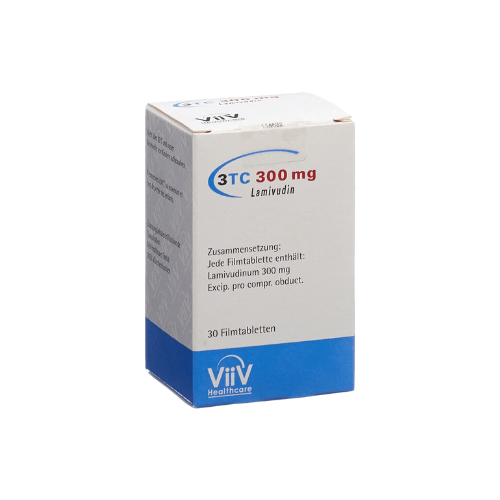
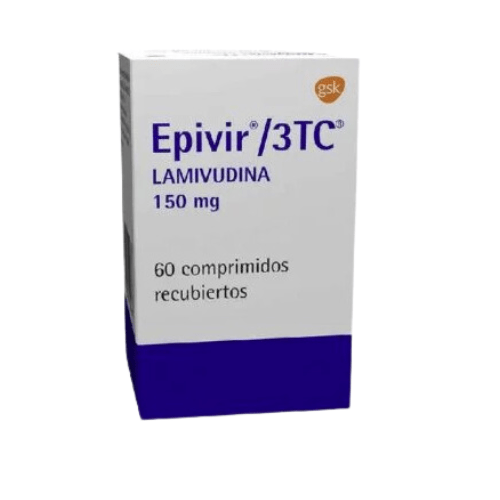
3TC
Buy 3TC Online
Secure Encrypted Payments
3TC is lamivudine, an antiviral medicine used with other HIV-1 treatments. It can be bought online through BorderFreeHealth, with tablet strengths selected to match the directions from your clinician. The medicine is supplied through licensed pharmacies, and U.S. customers can use US delivery from Canada when arranging ongoing therapy.
Lamivudine belongs to the nucleoside reverse transcriptase inhibitor class, often shortened to NRTI. It helps reduce HIV-1 replication when it is included in a complete antiretroviral regimen. Some regions also use lamivudine for chronic hepatitis B under different labeling, so the exact product, strength, and schedule should match the medical plan written for you.
3TC Price, Strength, and Ordering Decisions
When you buy 3TC online, choose the tablet strength and quantity shown during ordering, then match that selection to your treatment directions. Common HIV-1 tablet strengths include 150 mg and 300 mg. People may also see pharmacy labels written as Lamivudine 150 mg tablets, Lamivudine 300 mg tablets, or 3TC oral tablets.
Current 3TC price depends on the strength, quantity, and the product supplied. Many customers compare the 3TC cash price or lamivudine cost when paying out of pocket, especially if coverage is limited. Review the displayed cost before checkout and plan refills early enough to avoid gaps in therapy.
Quick tip: Keep the medicine name, strength, and directions together in your personal medication list.
What 3TC Treats
3TC is used with other antiretroviral medicines for HIV-1 treatment in adults and certain pediatric patients. It is not used alone as a complete HIV regimen. Combination therapy helps target the virus at different steps, which supports viral suppression and helps protect immune function when taken consistently.
For broader condition context, the HIV section explains related treatment areas, while the antivirals category helps place lamivudine among other medicines used for viral infections. These links are for browsing and education, not a substitute for individualized care.
Lamivudine is also associated with hepatitis B treatment in some markets, but products and dosing can differ by indication. If you have both HIV-1 and hepatitis B, stopping lamivudine suddenly may worsen hepatitis B. A clinician should guide any change to therapy and may use lab monitoring to follow liver and viral markers.
How Lamivudine Works
Lamivudine is a cytidine analogue. After it enters certain cells, the body converts it into an active triphosphate form. That active form competes with natural building blocks used by HIV reverse transcriptase, an enzyme the virus needs to copy its genetic material.
When lamivudine is incorporated into viral DNA, it causes chain termination. In plain language, it helps interrupt the copying process. This effect is why 3TC is used as part of a broader antiretroviral backbone rather than as a standalone treatment.
Consistent daily use matters because antiretroviral therapy works best when drug levels remain steady. Missed doses can reduce regimen reliability and may contribute to resistance. If adherence is difficult, ask your healthcare team about reminders, refill planning, or regimen simplification.
Who May Use 3TC
3TC may be used by adults and certain children when a complete HIV-1 regimen includes lamivudine. Pediatric use depends on age, weight, formulation, and the approved label in the market where treatment is prescribed. Tablet use may not suit every child, especially when a liquid formulation is preferred.
People with a known hypersensitivity to lamivudine should not take it. Kidney impairment can require adjusted dosing because lamivudine is cleared partly through the kidneys. A history of pancreatitis, significant liver disease, hepatitis B coinfection, pregnancy, or breastfeeding should be discussed with a qualified healthcare professional before treatment decisions are made.
3TC may appear near Epivir in medication searches because Epivir is another brand name associated with lamivudine. Brand names, generic names, and available strengths can differ by country. Focus on the active ingredient, dose strength, and clinical directions rather than brand wording alone.
Dosage and Daily Use Basics
Standard adult HIV-1 dosing often totals 300 mg daily, given as 150 mg twice daily or 300 mg once daily, with companion antiretroviral medicines. Some adults use 3TC 300 mg tablets once daily, while others use 3TC 150 mg tablets twice daily. Pediatric dosing is individualized and commonly based on weight and age.
Tablets are taken by mouth with or without food. Swallow them with water and try to take each dose at the same time each day. If mild stomach upset occurs, taking the dose with a small meal may help, unless your healthcare professional gives different instructions.
Do not change the dose, stop treatment, or swap products on your own. If a strength is changed, the total daily amount and schedule must still fit the treatment plan. This is especially important for people taking multiple HIV medicines, because each component has a specific role.
Missed Dose and Adherence
If you miss a dose, take it when you remember on the same day. If it is close to the next scheduled dose, skip the missed dose and continue as planned. Do not take two doses at once to make up for a missed tablet.
Adherence tools can make a practical difference. Phone alarms, a pill organizer, travel packs, and refill reminders can reduce accidental missed doses. Keep at least one updated medication list, including 3TC strength, companion antiretrovirals, allergies, and clinic contact details.
Contact a healthcare professional if missed doses become frequent. They may review timing, side effects, drug interactions, or regimen complexity. A simpler dosing schedule may be possible for some people, but changes should be clinically supervised.
Storage, Travel, and Handling
Store 3TC tablets at typical room temperature in a dry place, away from excess heat and moisture. Keep the tablets in the original child-resistant container with the label intact. The original bottle helps identify the medicine, strength, lot details, and directions if questions arise during travel.
When traveling, carry the medicine in hand luggage rather than checked baggage. Bring a copy of your medication list and enough supply for the trip, plus extra days in case plans change. If you use a weekly pillbox, keep the labeled bottle available for verification and product identification.
3TC is supplied as tablets, so pen handling and sharps disposal do not apply. The medicine does not require injection steps. Orders may be arranged with prompt, express shipping, but treatment continuity still depends on ordering before your current supply runs low.
Side Effects, Warnings, and Monitoring
Common side effects can include headache, fatigue, nausea, vomiting, diarrhea, abdominal discomfort, nasal symptoms, cough, sore throat, and sleep difficulty. Many mild effects improve as the body adjusts, but persistent or worsening symptoms should be discussed with a healthcare professional.
Serious but uncommon risks include lactic acidosis, severe liver enlargement with fatty liver changes, pancreatitis, severe liver problems, and allergic reactions. Seek urgent medical help for severe abdominal pain, yellowing of the skin or eyes, rapid breathing, persistent nausea, unusual weakness, swelling, rash with systemic symptoms, or other signs of a severe reaction.
People with hepatitis B may have a flare after stopping lamivudine. Immune reconstitution can also occur after starting combination HIV therapy, meaning the recovering immune system may reveal previously hidden infections. Monitoring may include viral load, CD4 count, kidney function, liver tests, and other labs based on the full regimen.
Interactions and Practical Cautions
Tell your healthcare professional about all medicines, supplements, and herbal products you use. Sorbitol-containing solutions can lower lamivudine exposure. Trimethoprim can raise lamivudine levels. Cladribine should not be used with lamivudine because of a clinically important interaction.
Do not combine lamivudine with emtricitabine-containing products unless a healthcare professional specifically addresses the overlap. These medicines are similar, and duplication may not improve treatment while increasing complexity. Diabetes medicines, kidney medicines, and other antiretrovirals should also be reviewed as part of a full medication check.
Alcohol, liver disease, and hepatitis coinfection can affect overall safety planning. Pregnancy and breastfeeding decisions require current guideline-based discussion because HIV treatment protects both maternal health and transmission prevention when managed appropriately.
How 3TC Compares With Related HIV Options
3TC is an NRTI component, not a complete regimen by itself. It is commonly combined with other antiretroviral classes, such as integrase inhibitors, non-nucleoside reverse transcriptase inhibitors, or other NRTIs. The best combination depends on resistance testing, kidney function, hepatitis status, pregnancy considerations, drug interactions, and tolerability.
Single-tablet regimens may include lamivudine or related backbone medicines, but they are not interchangeable without clinical review. If pill burden is a concern, ask whether a combination tablet fits your history and lab results. Cost, strength, and convenience should be balanced with safety and resistance considerations.
People exploring related conditions may also find the chronic hepatitis B section useful because lamivudine has a history in HBV treatment under specific labeling. Product origin browsing is available through the Canada attribute when customers want to understand sourcing context.
Questions to Ask Before Starting or Refilling
- Which 3TC strength should match my current regimen?
- Should I take lamivudine once daily or twice daily?
- Which companion HIV medicines am I taking with it?
- What labs will track treatment response and safety?
- What symptoms require urgent medical attention?
- How should I plan refills before travel?
- Are any of my current medicines duplicates or interactions?
These questions are especially useful when paying out of pocket or managing therapy across appointments. A clear written medication plan helps reduce confusion between brand names, generic lamivudine labels, and combination products.
Authoritative Sources
| Reference | Link |
|---|---|
| Official lamivudine labeling information | DailyMed drug labels |
| Manufacturer product information | ViiV Healthcare |
3TC can be ordered for home supply when the selected strength matches your treatment directions. Choose the strength and quantity carefully, keep records current, and contact a healthcare professional if side effects, missed doses, or regimen questions arise.
This content is for informational purposes only and is not a substitute for professional medical advice.
Express Shipping - from $29.99
Shipping with this method takes 3-5 days
Prices:
- Dry-Packed Products $29.99
- Cold-Packed Products $39.99
Shipping Countries:
- United States (all contiguous states**)
- Worldwide (excludes some countries***)
Standard Shipping - $19.99
Shipping with this method takes 5-10 days
Prices:
- Dry-Packed Products $19.99
- Not available for Cold-Packed products
Shipping Countries:
- United States (all contiguous states**)
- Worldwide (excludes some countries***)
What does 3TC stand for?
3TC is a name used for lamivudine, an antiviral medicine in the nucleoside reverse transcriptase inhibitor class. It is used with other medicines as part of HIV-1 treatment.
What are the brand names for lamivudine?
3TC and Epivir are brand names associated with lamivudine. Brand names, strengths, and labeling can differ by country, so match the active ingredient and tablet strength to your clinical directions.
What should I know before taking 3TC?
Tell a healthcare professional about kidney disease, liver disease, hepatitis B, pancreatitis history, pregnancy, breastfeeding, allergies, and all medicines you use. Important interactions include sorbitol-containing solutions, trimethoprim, cladribine, and emtricitabine-containing products.
Can 3TC be taken with food?
3TC tablets are generally taken by mouth with or without food. Taking the dose at the same time each day helps maintain consistent medicine levels.
What are common 3TC side effects?
Common side effects may include headache, fatigue, nausea, vomiting, diarrhea, abdominal discomfort, cough, nasal symptoms, sore throat, and sleep difficulty. Seek urgent care for severe abdominal pain, jaundice, rapid breathing, or signs of an allergic reaction.
Rewards Program
Earn points on birthdays, product orders, reviews, friend referrals, and more! Enjoy your medication at unparalleled discounts while reaping rewards for every step you take with us.
You can read more about rewards here.
POINT VALUE
How to earn points
- 1Create an account and start earning.
- 2Earn points every time you shop or perform certain actions.
- 3Redeem points for exclusive discounts.
You Might Also Like
Select options
This product has multiple variants. The options may be chosen on the product page
Select options
This product has multiple variants. The options may be chosen on the product page
Select options
This product has multiple variants. The options may be chosen on the product page
Select options
This product has multiple variants. The options may be chosen on the product page