

Please note: a valid prescription is required for all prescription medication.
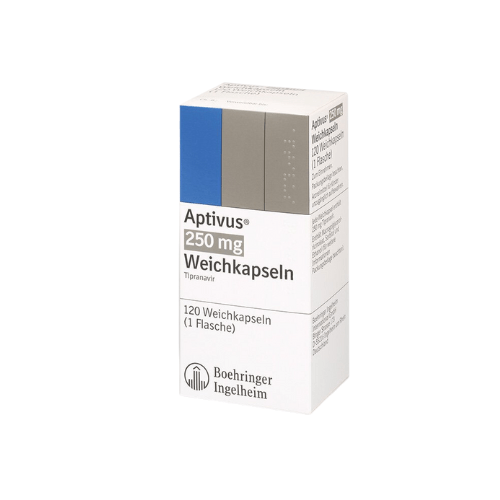
Aptivus
Aptivus 250 mg Capsules: Buy With Prescription Review
Secure Encrypted Payments
Aptivus is a prescription antiviral used as part of combination therapy for HIV-1 in certain treatment-experienced adults. This page explains what it is, how it’s used, and key safety points to review on the official label. For those paying cash without insurance, BorderFreeHealth can coordinate US shipping from Canada after prescription review.
What Aptivus Is and How It Works
Tipranavir is a protease inhibitor (an antiviral that blocks the HIV protease enzyme). When protease is blocked, HIV has a harder time making new, infectious copies of itself. This treatment is not a cure, and it’s used with other antiretroviral medicines as part of a complete regimen.
Licensed Canadian partner pharmacies dispense medications for our platform. This therapy is typically paired with ritonavir, which acts as a “booster” by increasing tipranavir levels in the body. Treatment choices are usually guided by prior medication history and resistance testing, because protease inhibitor activity can vary when HIV has developed mutations.
For background on monitoring goals, see the guide HIV Viral Load Meaning. For broader context about the condition and long-term care, browse the HIV Condition Hub.
Who It’s For
This medicine is generally reserved for adults living with HIV-1 who have taken other antiretrovirals before, especially when resistance limits options. A clinician may consider it when a regimen needs a protease inhibitor with activity against certain resistant virus patterns, alongside other active drugs.
It is not appropriate for everyone. Important reasons a prescriber may avoid it include significant liver disease (because this drug is processed in the liver) and situations where required companion medicines cannot be used safely. A complete medical history matters, including hepatitis B or C, bleeding disorders, recent surgery, or use of blood thinners.
Why it matters: Risk–benefit decisions can change when there’s liver inflammation or bleeding risk.
For plain-language orientation to diagnosis and terminology, the article HIV Vs AIDS Difference can help. For questions about long-term expectations, Can HIV Be Cured summarizes current medical understanding.
Dosage and Usage
Only a prescriber can determine the right regimen and schedule. On the product labeling, tipranavir is taken with ritonavir, and both are taken with food. The capsule-based adult regimen commonly referenced on labels is 500 mg (two 250 mg capsules) twice daily with ritonavir 200 mg twice daily, alongside other antiretrovirals.
Aptivus should be taken exactly as directed and only as part of a full HIV regimen. Skipping doses or stopping can allow the virus to replicate and develop resistance. If a dose is missed, labeling commonly advises taking it as soon as remembered unless it is close to the next dose; doubling up is usually avoided unless a prescriber says otherwise.
Why tipranavir is given with ritonavir
Ritonavir is used at a boosting dose to inhibit drug-metabolizing enzymes, which increases tipranavir exposure. Without this booster effect, tipranavir levels may be too low to reliably suppress HIV. This is also why the interaction list is extensive: the same enzyme pathways that are inhibited can change the levels of many other medicines. For safety, prescribers typically review the full medication list, including nonprescription items and supplements, before starting therapy and again whenever anything changes.
For a broader view of antiviral medication groupings, browse the Antivirals Category. For regimen conversations that involve other commonly used HIV medicines, Tenvir EM Comparison provides helpful context.
Strengths and Forms
Tipranavir is available in more than one dosage form, and availability may vary by market and pharmacy supply. Many people encounter the capsule form first, but an oral solution may be used when swallowing capsules is difficult or when a prescriber prefers that formulation for a specific situation.
Aptivus is commonly supplied as 250 mg capsules. Your prescription will specify the form, and the dispensing pharmacy will match the labeled presentation when it is available.
| Form | What it contains | Notes |
|---|---|---|
| Capsule | Tipranavir 250 mg | Usually taken with food and ritonavir. |
| Oral solution | Tipranavir (concentration per label) | Used when a liquid is needed; measure carefully. |
When a liquid is prescribed, using an appropriate dosing device (oral syringe or marked cup) helps avoid measurement errors. Pharmacies can usually provide or recommend the correct tool based on the product packaging.
Storage and Travel Basics
Storage instructions can differ by formulation. For tipranavir capsules, labeling commonly recommends refrigeration before the bottle is opened. After first opening, capsules may typically be kept at room temperature (up to 25°C) for a limited period; many labels specify discarding after 60 days once opened. For the oral solution, labeling commonly advises storing at room temperature and not refrigerating or freezing.
Because these details can vary by country-specific packaging, it is important to follow the dispensing label and any pharmacy-provided leaflet. If the bottle has been exposed to heat (for example, in a parked car) or the storage timeline is uncertain, contacting the dispensing pharmacy is safer than guessing.
Quick tip: Keep the bottle in its original container when traveling for easier identification.
For day-to-day planning, it can also help to connect storage with routine monitoring goals. The resource HIV Viral Load Meaning explains why consistent dosing supports stable lab results.
Side Effects and Safety
All antiretrovirals can cause side effects, and individual tolerance varies. Commonly reported effects with tipranavir-based therapy can include diarrhea, nausea, stomach discomfort, fatigue, headache, and changes in blood fats (lipids). Skin rash can also occur, and it may be more likely when combined with other medicines that affect the immune system or liver.
Serious risks are highlighted on the product labeling. These include liver toxicity (which may be more likely in people with hepatitis co-infection) and bleeding events, including intracranial hemorrhage (bleeding in or around the brain). Any symptoms that could suggest liver injury (such as dark urine, persistent nausea, or yellowing of skin/eyes) or neurologic bleeding (such as sudden severe headache, confusion, or weakness) require urgent medical evaluation.
Aptivus is usually started and managed by clinicians experienced in HIV care. Routine monitoring may include liver function tests, lipid panels, and assessments for drug interactions over time. Some people may also experience immune reconstitution inflammatory syndrome (an immune rebound reaction) after effective HIV treatment begins, which can unmask or worsen underlying infections.
Prescriptions are verified with prescribers before dispensing through our Canadian pharmacy partners.
People looking for symptom education (not diagnosis) may find these references useful: HIV Symptoms In Men and HIV Symptoms In Women.
Drug Interactions and Cautions
Tipranavir boosted with ritonavir has many clinically significant interactions because it affects enzyme and transporter pathways that handle other drugs. Some medicines are contraindicated on labeling, meaning they should not be used together due to the risk of dangerous increases or decreases in drug levels. Interaction screening should include prescription medicines, over-the-counter products, inhalers, recreational substances, and herbal supplements.
Examples of interaction areas that often need careful review include certain cholesterol medicines (some statins), sedatives, antiarrhythmics, anticoagulants, anticonvulsants, and tuberculosis therapies. St. John’s wort is a well-known supplement that can interfere with HIV medicines and is generally avoided. Hormonal contraceptives may also be affected; labeling often advises discussing reliable contraception options because effectiveness can change with boosted regimens.
Because interaction risk is driven by the whole regimen, clinicians may adjust companion drugs rather than the antiviral itself. A current medication list at every visit helps reduce preventable problems.
Compare With Alternatives
Regimens are individualized, and alternatives depend on resistance testing, prior treatment, kidney and liver function, and other medical needs. In many modern treatment plans, integrase inhibitors are widely used, while protease inhibitors remain important options for certain resistant virus patterns or adherence scenarios.
Within the protease inhibitor class, clinicians may consider other boosted options (depending on resistance and tolerability), such as darunavir-based combinations. For example, some patients are prescribed Prezcobix 800 150mg (darunavir/cobicistat) or older lopinavir/ritonavir combinations such as Kaletra 200 50mg. Each option has distinct interaction profiles and side-effect considerations, so comparisons are best made using the official labeling and a clinician’s guidance.
When evaluating switches, it can help to separate convenience questions (pill burden, food requirements) from safety questions (liver risk, interactions). Resistance results often determine what is realistically workable.
Pricing and Access
Access to HIV therapy can be complicated, especially when insurance coverage is limited or changing. Aptivus may be obtained through cash-pay pathways, and the total expense can vary based on formulation, supply chain, and required companion medicines. If a prescription is needed, the platform can coordinate the documentation required for dispensing and shipment.
Our service helps connect U.S. patients with licensed Canadian pharmacies for cross-border fulfillment. When applicable, site listings like Current Promotions can be reviewed for general savings opportunities, without changing the medical criteria for appropriate use.
Ships from Canada to US orders require a valid prescription and identity checks consistent with pharmacy standards. If paying without insurance again later, keeping an updated medication list and prescriber contact information on file can reduce delays during routine refills.
To place an order through the site, submit prescription details for prompt, express shipping.
Authoritative Sources
For the most accurate and current instructions, rely on official labeling and established HIV treatment references. These sources describe approved indications, boxed warnings, contraindications, and interaction tables in detail.
Use these references when reviewing safety language with a prescriber or pharmacist:
This content is for informational purposes only and is not a substitute for professional medical advice.
Express Shipping - from $25.00
Shipping with this method takes 3-5 days
Prices:
- Dry-Packed Products $25.00
- Cold-Packed Products $35.00
Shipping Countries:
- United States (all contiguous states**)
- Worldwide (excludes some countries***)
Standard Shipping - $15.00
Shipping with this method takes 5-10 days
Prices:
- Dry-Packed Products $15.00
- Not available for Cold-Packed products
Shipping Countries:
- United States (all contiguous states**)
- Worldwide (excludes some countries***)
What is tipranavir used for?
Tipranavir is an antiretroviral medicine used to treat HIV-1 as part of a combination regimen. It is typically considered for adults who have taken other HIV medications before, especially when resistance limits standard options. Tipranavir is a protease inhibitor, meaning it works by blocking an HIV enzyme needed to produce new infectious virus particles. It is not used alone and does not cure HIV. A prescriber selects companion drugs based on resistance testing, prior treatment history, and safety factors like liver function and drug interactions.
Why is tipranavir taken with ritonavir?
Tipranavir is taken with ritonavir because ritonavir “boosts” tipranavir levels by slowing its breakdown in the body. Without this boosting effect, tipranavir exposure may be too low to work reliably against HIV. The same mechanism also explains why interaction screening is so important: ritonavir-boosted regimens can change the levels of many other medicines. A clinician or pharmacist typically reviews prescription drugs, over-the-counter products, and supplements before starting therapy and whenever the medication list changes.
What lab tests are monitored while taking Aptivus?
Monitoring plans vary, but clinicians commonly follow liver function tests because tipranavir/ritonavir can affect the liver and carries serious hepatotoxicity warnings on labeling. Lipid testing may also be done because protease inhibitor–based regimens can raise cholesterol or triglycerides in some people. HIV viral load and CD4 count are usually followed to assess regimen response and overall immune status. In some situations, additional checks are considered based on bleeding risk, co-infections such as hepatitis B or C, and any symptoms that develop during treatment.
Can tipranavir interact with birth control or hormone therapy?
Yes. Tipranavir taken with ritonavir can interact with hormonal contraceptives because boosted regimens can alter hormone levels through enzyme effects. Depending on the specific product, this may reduce contraceptive effectiveness or increase side effects. Labeling often advises discussing reliable contraception strategies, including barrier methods, when using boosted protease inhibitor regimens. Hormone therapy used for other medical reasons can also be affected, so it is important for the prescribing clinician to know the exact formulation, dose, and schedule of any hormones, as well as any recent changes.
What should be discussed with an HIV specialist before starting tipranavir?
Key topics include prior HIV treatment history, any resistance test results, and the complete list of current medicines and supplements. Liver health is especially important to discuss, including any history of hepatitis B or C, abnormal liver tests, or symptoms of liver disease. Bleeding risk should also be reviewed, including use of anticoagulants or antiplatelet drugs and any history of easy bruising or bleeding disorders. It can also help to ask about food requirements, how missed doses should be handled per the label, and what symptoms warrant urgent evaluation.
How should tipranavir capsules and oral solution be stored?
Storage depends on the formulation and the instructions on the dispensing label. Tipranavir capsules are commonly stored refrigerated before opening, and many labels allow room-temperature storage after opening for a limited time (often with a discard window such as 60 days). The oral solution is commonly stored at room temperature and is typically not refrigerated or frozen. Because packaging instructions can vary by country and product batch, the safest approach is to follow the pharmacy label and patient leaflet and to contact the dispensing pharmacy if temperature exposure or timelines are uncertain.
Rewards Program
Earn points on birthdays, product orders, reviews, friend referrals, and more! Enjoy your medication at unparalleled discounts while reaping rewards for every step you take with us.
You can read more about rewards here.
POINT VALUE
How to earn points
- 1Create an account and start earning.
- 2Earn points every time you shop or perform certain actions.
- 3Redeem points for exclusive discounts.
How to book an appointment
- 1Create Begin by completing a profile or log into your existing account. This step ensures we have the necessary information to provide you with a service that's tailored to your needs. account and start earning.
- 2Scheduling an appointment with our online booking system is easy. Pick a day and time that suits you. You’ll receive an immediate confirmation, without the wait.
- 3Discuss your concerns and symptoms and receive a thorough diagnosis from one of our licensed doctors during a confidential video appointment.
- 4If you've been prescribed medication, your Rx is sent directly to one of our licensed pharmacies and delivered right to your door.
Get Started
To book an online doctor appointment, register for an account or login. After doing so, you can book your visit on this page.
You Might Also Like
Select options
This product has multiple variants. The options may be chosen on the product page
Select options
This product has multiple variants. The options may be chosen on the product page
Select options
This product has multiple variants. The options may be chosen on the product page
Select options
This product has multiple variants. The options may be chosen on the product page