
Shipping with this method takes 3-5 days
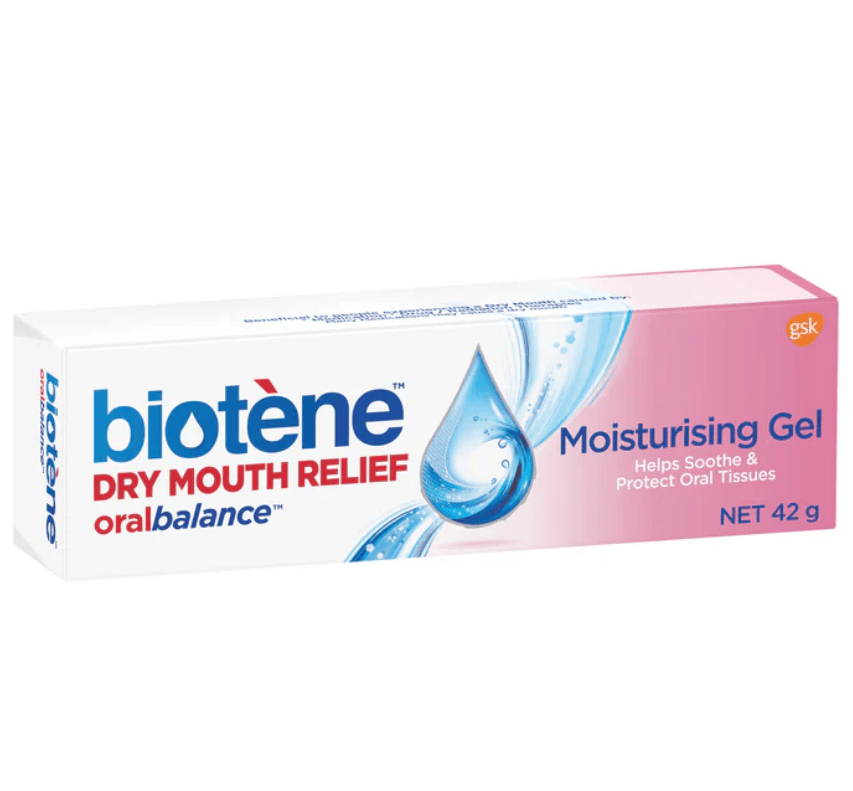
Biotène Oral Balance Gel
Buy Biotène Oral Balance Gel Online
Secure Encrypted Payments
Biotène Oral Balance Gel is an oral moisturizing gel used to relieve dry mouth discomfort by coating the tongue, gums, and inner cheeks. It can be bought online, with current price and quantity choices shown during ordering so you can choose the tube or pack that fits your routine. The gel is used topically in the mouth for comfort, especially when dryness affects speaking, chewing, swallowing, or sleep.
This product is often used as a saliva substitute gel for xerostomia, the clinical term for dry mouth. It does not treat the underlying cause of low saliva, but it can help make the mouth feel more lubricated between brushing, meals, and bedtime. BorderFreeHealth offers U.S.-from-Canada service for customers who want to purchase oral-care products through licensed pharmacy channels.
Price, Quantity, and Ordering Choices
When you order Biotene Oral Balance Gel, the current price is shown before checkout. Price can vary by quantity, package presentation, and supply source, so use the live cart total rather than older store screenshots or third-party comparisons. If more than one tube size or multi-pack is offered, choose the quantity that best matches how often you expect to use the gel.
Many customers look for Biotene Oral Balance Gel 50 g or Biotène Oralbalance Moisturizing Gel 50 g because that size is commonly discussed in dry-mouth care. Packaging may differ by market, so rely on the product name, label directions, and quantity shown during ordering. If you use gel nightly, consider how long one tube usually lasts in your routine before choosing a single tube or larger order.
For general browsing, the oral health category can help you see related mouth-care products. If you are specifically managing dryness symptoms, the dry mouth condition category provides a broader way to organize products and supportive care topics.
What This Gel Is Used For
Biotene dry mouth moisturizing gel is intended to help relieve the discomfort of a dry mouth. Dryness may feel like stickiness, burning, roughness, thick saliva, or difficulty speaking for long periods. A lubricating gel can reduce friction on delicate oral tissues and may make meals, conversation, and overnight rest more comfortable.
Dry mouth can occur for many reasons, including dehydration, stress, aging, mouth breathing, medical conditions, and medicines that reduce saliva. Some people notice symptoms after starting antidepressants, antihistamines, blood pressure medicines, or other therapies. If dryness is new, severe, or persistent, it is worth discussing with a clinician or dentist because saliva helps protect teeth and oral tissues.
Biotène Oral Balance Gel works locally. It spreads over oral surfaces and forms a moist coating rather than changing saliva production throughout the body. That practical distinction matters: it can support comfort, but it should not replace dental care, hydration, or evaluation for an underlying condition when symptoms continue.
How to Use Biotène Oral Balance Gel
Follow the package directions each time you use the gel. A typical routine is to place a small amount on a clean fingertip or suitable applicator, then spread it over the tongue, gums, and inside the cheeks. Many people use an oral balance mouth gel after brushing, between meals, and before bed because dryness often feels worse overnight.
A thin, even layer is usually more comfortable than applying too much at once. Let the gel coat the mouth before eating or drinking so it has time to spread. If you wear dentures, retainers, or other oral appliances, a small amount may help reduce rubbing on fitting surfaces, but appliances that cause sores or pressure points should be assessed by a dental professional.
Quick tip: Keep one tube near your toothbrush and another in a travel bag if dryness interrupts sleep or daily activities.
If you also use fluoride treatments, prescription mouth rinses, or medicated oral products, space them apart unless your clinician gives different instructions. This helps each product contact the mouth properly. Do not use the gel as a substitute for brushing, flossing, dental cleanings, or treatment for infection.
How Often to Apply It
Use the gel as directed on the label and reapply as needed within those directions. Because it is used for symptom relief, it does not follow the same schedule as a tablet or injection. If you forget an evening application, apply it when you remember rather than using an excessive amount later.
People with mild dryness may only need gel at bedtime or during long speaking periods. Others prefer a morning, midday, evening, and bedtime routine. The right pattern depends on your symptoms, your oral-care products, and how long the coating feels comfortable for you.
If you need very frequent applications to eat, talk, or sleep, ask a dentist or clinician about the cause of your dry mouth. Ongoing xerostomia can raise the risk of cavities, gum irritation, bad breath, mouth sores, and oral infections. Addressing the cause may improve comfort and protect long-term oral health.
Swallowing, Taste, and Mouthfeel
Small amounts may be swallowed during normal use because the gel is applied inside the mouth. Avoid intentionally eating the gel or using more than directed. If a larger amount is swallowed, mild stomach upset may occur; contact a healthcare professional or poison control service if you are concerned, especially for a child.
The texture may feel thicker than a mouthwash or spray because the gel is designed to stay on tissues longer. Some users prefer it at night for that reason, while others use it before periods of speaking or when meals feel uncomfortable. If the taste, texture, or coating bothers you, a rinse or spray may be easier during the day.
Do not share a tube with another person. Contact between the tube tip and the mouth can transfer germs. Recap the tube tightly after each use to keep the gel clean and prevent drying around the opening.
Storage, Travel, and Handling
Store Biotène Oral Balance Gel at room temperature as directed on the package. Keep it away from excessive heat, direct sunlight, freezing conditions, children, and pets. Wipe the cap area if gel collects around the opening, then close it firmly.
For travel, place the tube in a resealable bag to reduce mess if pressure changes cause leakage. Carry-on storage can help avoid temperature extremes during long trips. If you use several oral products, keep the original label or a photo of it available so you can identify the gel quickly.
Orders may be handled with prompt, express shipping, and the service context may include Ships from Canada to US. Packaging and country-of-origin details can vary by sourced supply; the Canada attribute category can help you browse products associated with Canadian origin information.
Benefits in a Daily Dry-Mouth Routine
Biotene saliva gel for dry mouth can be useful when dryness disrupts ordinary activities. It is applied directly where symptoms occur, and it can be paired with gentle brushing, regular water intake, and alcohol-free oral care. The goal is comfort, lubrication, and protection from friction rather than a cure for low saliva flow.
- Moisture support: coats oral tissues to reduce dry, sticky sensations.
- Speech comfort: helps reduce friction while talking.
- Meal support: may ease chewing and swallowing when the mouth feels dry.
- Nighttime use: can be applied before bed when overnight dryness is a problem.
- Flexible routine: can be used at the times permitted by the label.
Dry mouth care often works best as a layered routine. A gel may help when longer coating is preferred, while rinses, sprays, sugar-free lozenges, hydration, and dental prevention can address different moments of the day. The oral health articles category can support broader reading about mouth-care habits.
Side Effects, Warnings, and When to Get Help
Most people tolerate oral moisturizing gels well. Possible side effects include mild taste changes, temporary tingling, a coating sensation, nausea if too much is swallowed, or minor mouth irritation. Stop using the gel and seek medical advice if irritation persists, sores worsen, or symptoms become painful.
Serious allergic reactions are uncommon but require urgent care. Get emergency help if you develop swelling of the lips, tongue, throat, or face, hives, wheezing, chest tightness, or trouble breathing. Do not continue using the product after a suspected allergic reaction unless a healthcare professional advises it is safe.
Ask a clinician or dentist before starting a new oral-care routine if you have uncontrolled diabetes, active mouth infection, recent oral surgery, unexplained bleeding gums, severe mouth ulcers, or difficulty swallowing. Children should use oral moisturizing gels only with professional guidance. People receiving cancer treatments to the head or neck, or those with Sjögren’s syndrome, may need a more tailored plan to protect teeth and oral tissues.
Interactions and Dental-Care Considerations
Because this gel acts locally in the mouth, systemic drug interactions are not expected in the same way they are with swallowed medicines. Still, timing matters. If you apply gel immediately before another oral product, it may affect how well that product contacts the gums, teeth, or lining of the mouth.
Follow clinician instructions first for chlorhexidine rinses, high-fluoride toothpaste, fluoride trays, antifungal treatments, steroid mouth rinses, or post-surgery care. Spacing products by a short interval can make the routine easier to manage. If your dentist has given a cavity-prevention plan, ask how the gel should fit around fluoride use and brushing.
Dry mouth can increase cavity risk because saliva normally helps wash away food particles and neutralize acids. Use the gel as one supportive step, not the only step. Regular dental exams, fluoride strategies when recommended, and avoiding tobacco or frequent sugary drinks may help protect teeth.
How It Compares With Rinses, Sprays, and Lozenges
A moisturizing mouth gel for dry mouth is thicker than a rinse and may stay in place longer, which is why many people use it at bedtime. A rinse can feel more refreshing after brushing or meals, while a spray may be convenient during work, travel, or conversation. Lozenges or sugar-free gum may stimulate saliva in some people, but they are not suitable for everyone.
Choose the format around your symptoms. If dryness wakes you at night, a gel may be practical. If the problem is mainly daytime stickiness, a spray or rinse may feel easier. Some people combine formats, using a rinse for general mouth comfort and gel for targeted relief.
Look at ingredient sensitivities before combining multiple products. Avoid products that sting, worsen sores, or make the mouth feel more irritated. If you are unsure whether symptoms come from medicines, a medical condition, or dental problems, professional evaluation can help narrow the cause.
Who May Find It Helpful
This gel may suit adults with mild to moderate dry mouth from everyday triggers or medicine-related dryness. It may also be considered as supportive care for people with conditions that reduce saliva, provided their clinician or dentist agrees. The product is especially practical for people who prefer a direct coating effect instead of a liquid rinse.
It may not be the right choice if you are allergic or sensitive to any ingredient on the package. It also may be insufficient on its own if you have severe dryness, recurring oral thrush, rapid tooth decay, painful ulcers, or difficulty swallowing. These symptoms can signal a need for medical or dental assessment.
Why it matters: Treating dry mouth early can improve comfort and may help reduce avoidable dental complications.
Questions to Ask Your Clinician or Dentist
Dry mouth can be simple, but it can also point to a medicine effect or health condition. Bring the tube or ingredient list to your appointment if you want help fitting it into your care plan. A clinician can also review whether any of your medicines are likely contributing to symptoms.
- What is the most likely cause of my dry mouth?
- How often can I use a saliva substitute gel in my routine?
- Should I use fluoride toothpaste, trays, or rinses because of cavity risk?
- Could any of my medicines be making dryness worse?
- When should I be assessed for Sjögren’s syndrome, oral infection, or another condition?
- Which symptoms should prompt urgent dental or medical care?
Authoritative Sources
For product and dry-mouth context, consult manufacturer information and professional guidance alongside your clinician’s advice.
Ordering Summary
Biotène Oral Balance Gel offers a practical, topical way to manage dry mouth discomfort during the day or overnight. Before checkout, view the current price, choose the quantity offered, and make sure the product name and package information match what you intend to use. If you are building a broader oral-care routine, browse dry-mouth and oral-health categories for related non-systemic support.
Use the gel exactly as directed on the package and seek professional help if symptoms persist, worsen, or interfere with eating, speech, sleep, or dental health. This content is for informational purposes only and is not a substitute for professional medical advice.
Express Shipping - from $29.99
Prices:
- Dry-Packed Products $29.99
- Cold-Packed Products $39.99
Shipping Countries:
- United States (all contiguous states**)
- Worldwide (excludes some countries***)
Standard Shipping - $19.99
Shipping with this method takes 5-10 days
Prices:
- Dry-Packed Products $19.99
- Not available for Cold-Packed products
Shipping Countries:
- United States (all contiguous states**)
- Worldwide (excludes some countries***)
How do you use Biotène Oral Balance Gel?
Apply a small amount as directed on the package, then spread it over the tongue, gums, and inside the cheeks. Many people use it after brushing, between meals, or before bed for dry mouth comfort.
How often can I use Biotene mouth gel?
Use it as needed within the package directions. If you need very frequent applications or dryness continues for weeks, ask a clinician or dentist to evaluate the cause and review your oral-care routine.
Can I swallow Biotene gel?
Small amounts may be swallowed during normal use because the gel is applied in the mouth. Do not intentionally eat it or use more than directed; seek advice if a large amount is swallowed, especially by a child.
What are the side effects of Biotène Oral Balance Gel?
Possible effects include mild taste changes, temporary tingling, a coating sensation, minor irritation, or stomach upset if too much is swallowed. Stop use and seek urgent care for swelling, hives, wheezing, or trouble breathing.
Is Biotène Oral Balance Gel the same as a mouthwash?
No. The gel is thicker and is designed to coat dry oral tissues. A mouthwash is a liquid rinse that may feel better for daytime freshness, while gel is often preferred when longer lubrication is wanted.
Can I use this gel with dentures or oral appliances?
A thin layer may help reduce dryness-related rubbing, but appliances that cause sores, pain, or pressure should be assessed by a dental professional. Follow the package directions and keep the tube clean.
When should I talk to a dentist about dry mouth?
Speak with a dentist or clinician if dry mouth is persistent, severe, painful, linked with sores or bleeding, or interferes with eating, speech, or sleep. Ongoing dryness can increase cavity and infection risk.
Rewards Program
Earn points on birthdays, product orders, reviews, friend referrals, and more! Enjoy your medication at unparalleled discounts while reaping rewards for every step you take with us.
You can read more about rewards here.
POINT VALUE
How to earn points
- 1Create an account and start earning.
- 2Earn points every time you shop or perform certain actions.
- 3Redeem points for exclusive discounts.
You Might Also Like
Select options
This product has multiple variants. The options may be chosen on the product page
Select options
This product has multiple variants. The options may be chosen on the product page
Select options
This product has multiple variants. The options may be chosen on the product page
Select options
This product has multiple variants. The options may be chosen on the product page